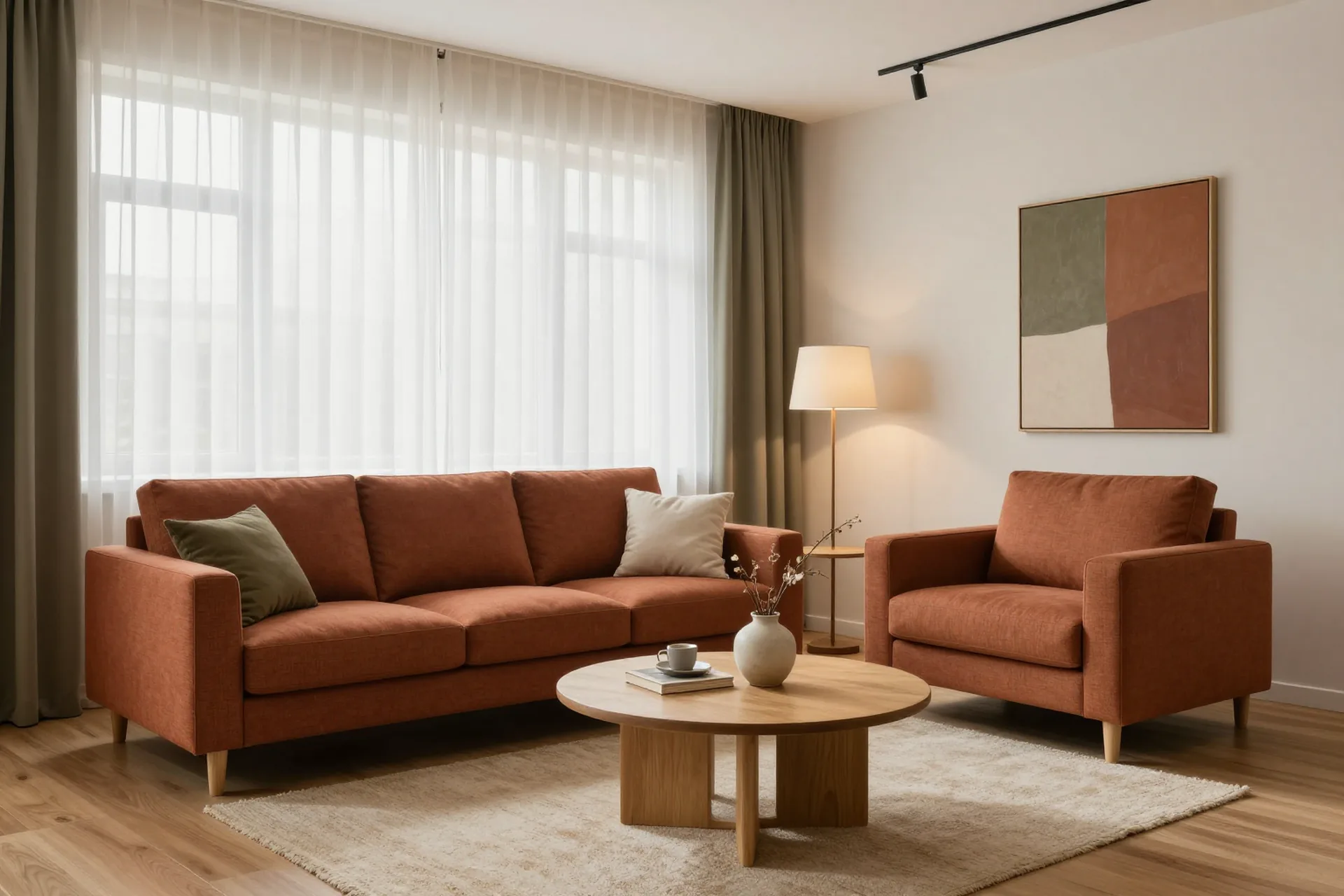
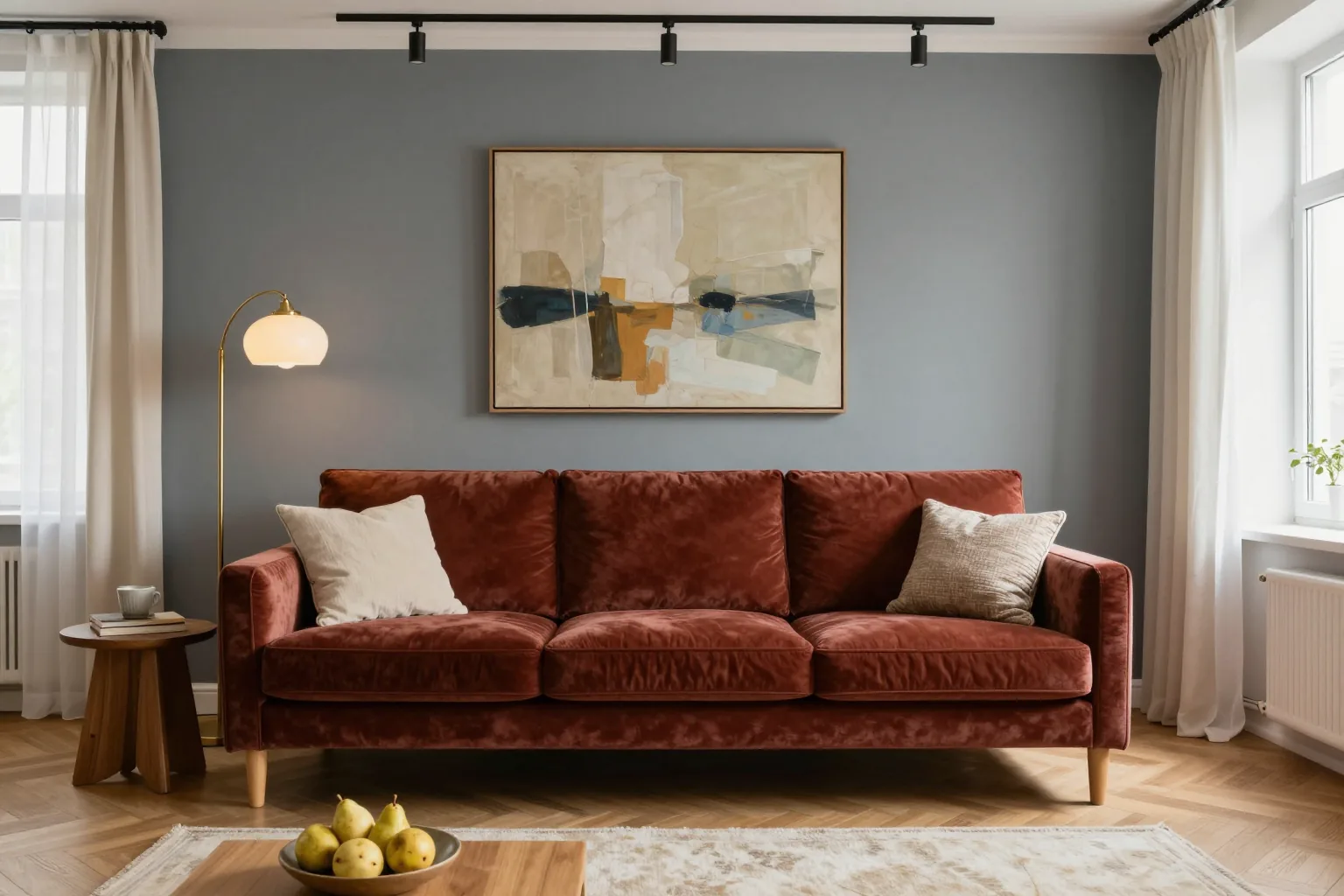
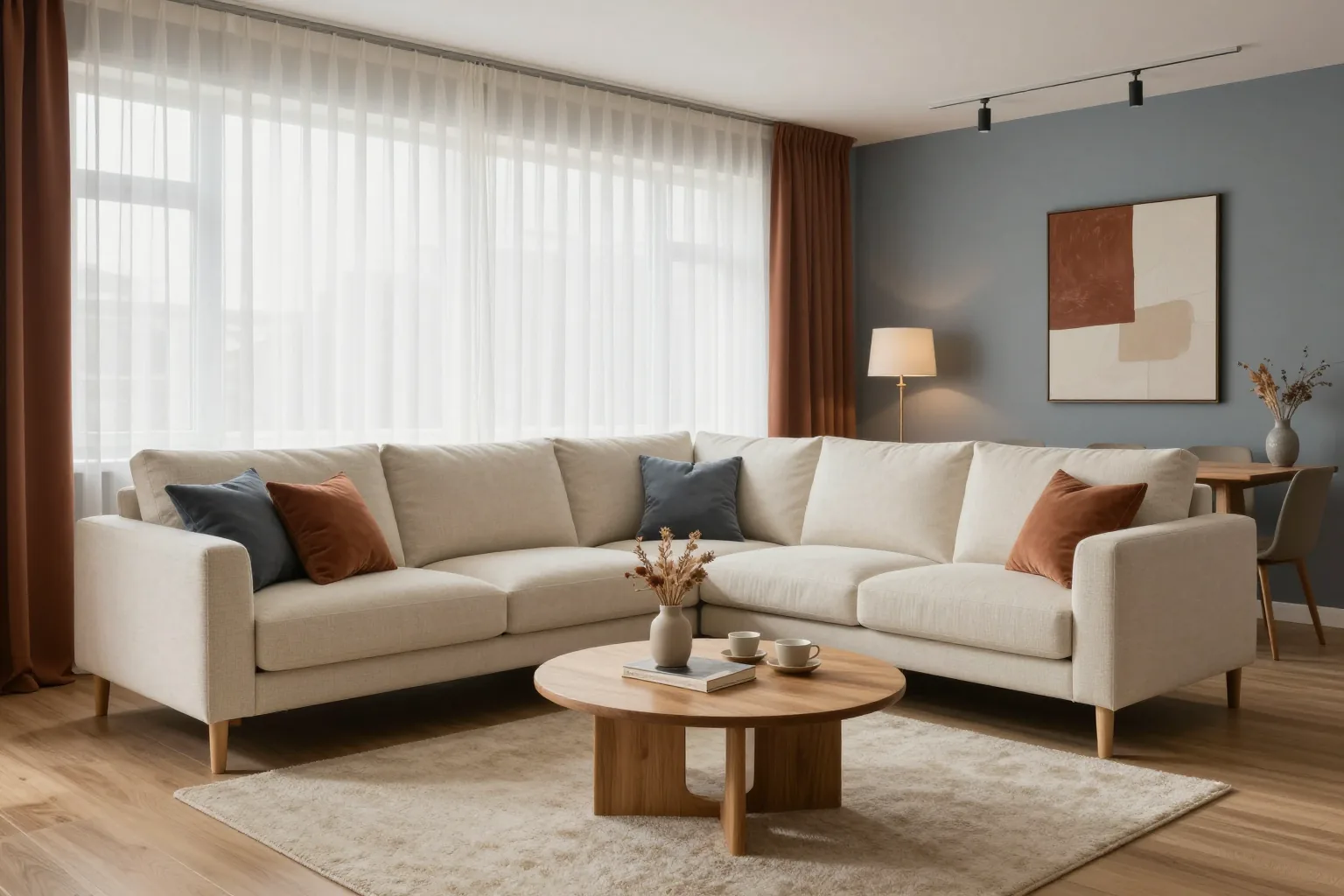
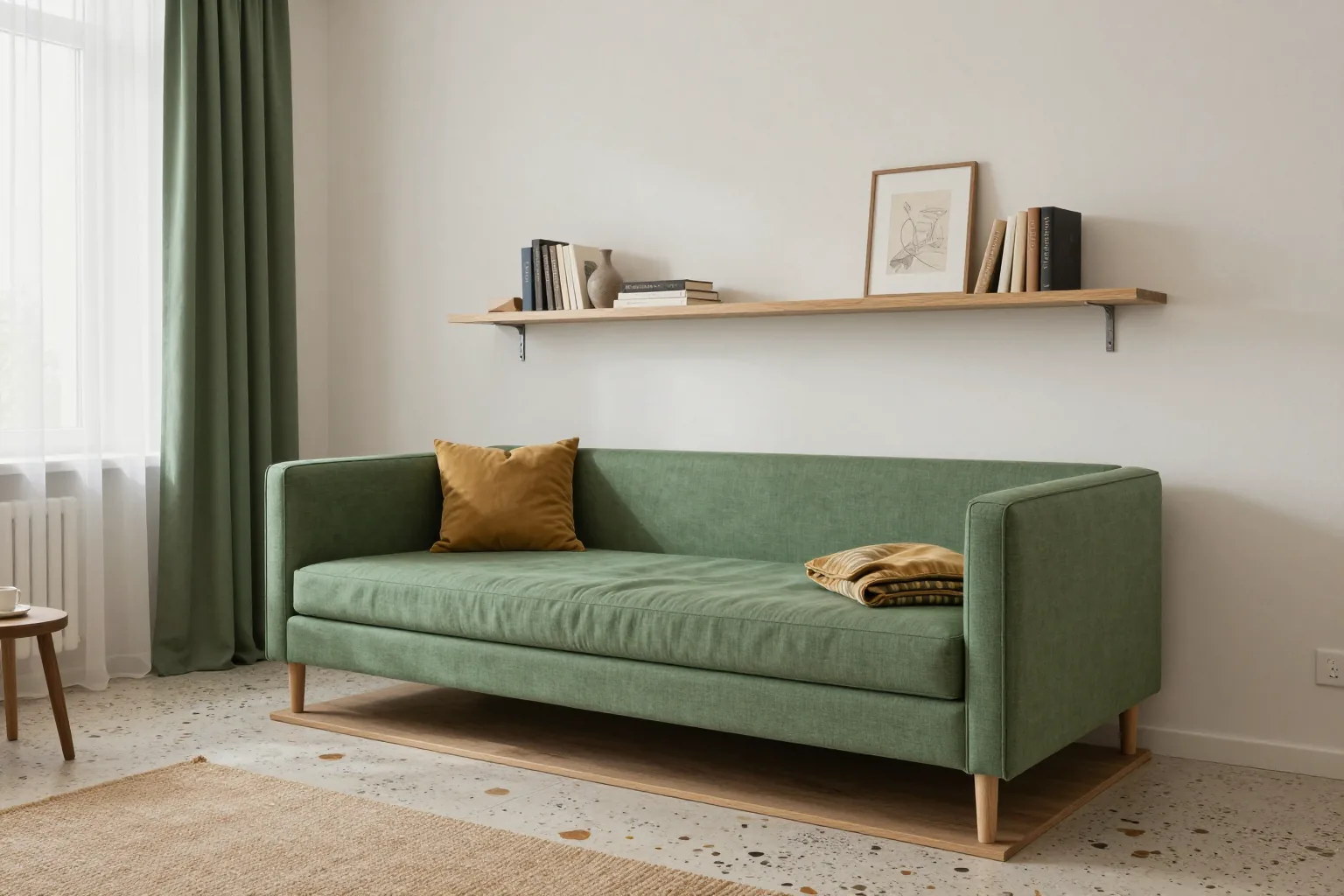
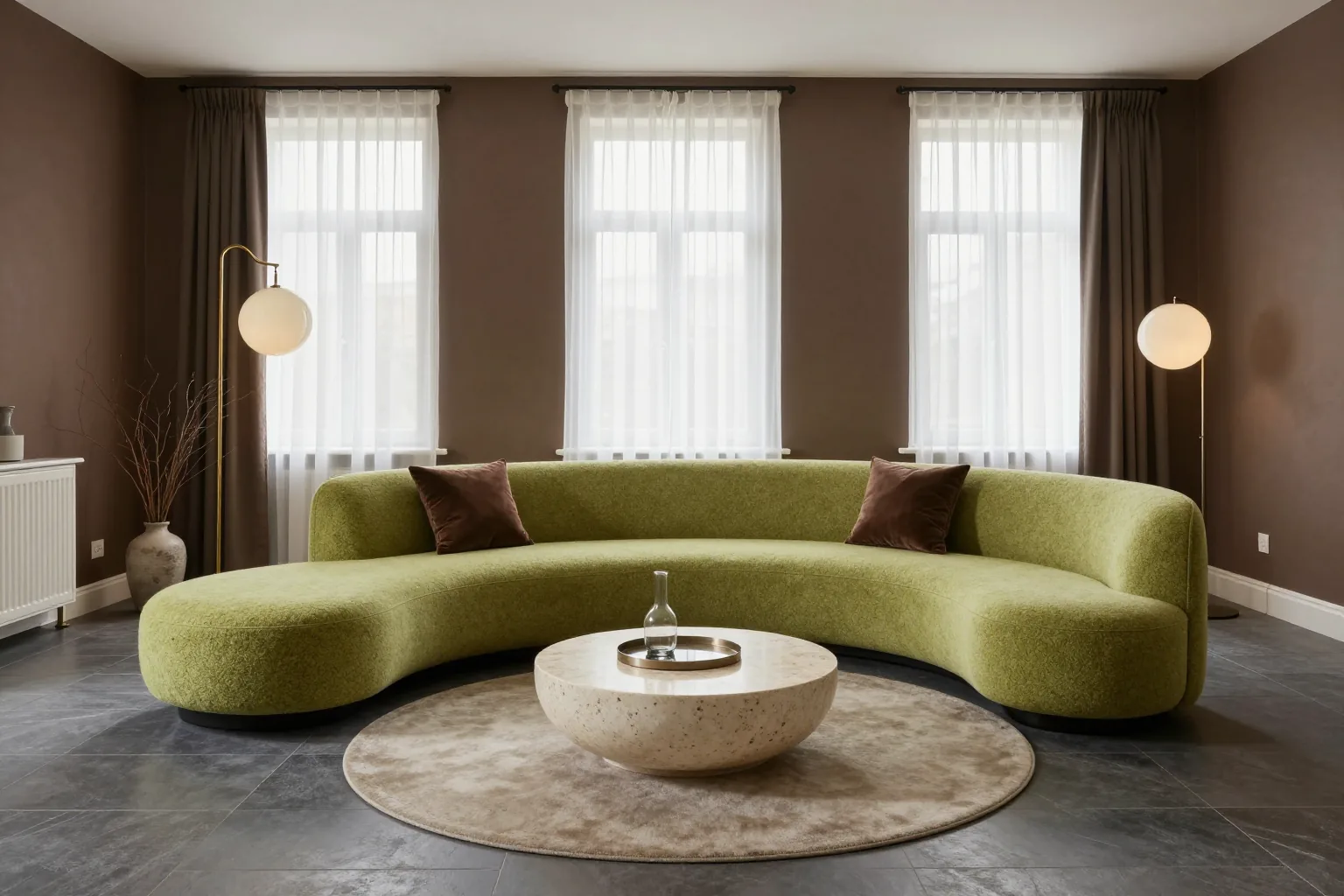
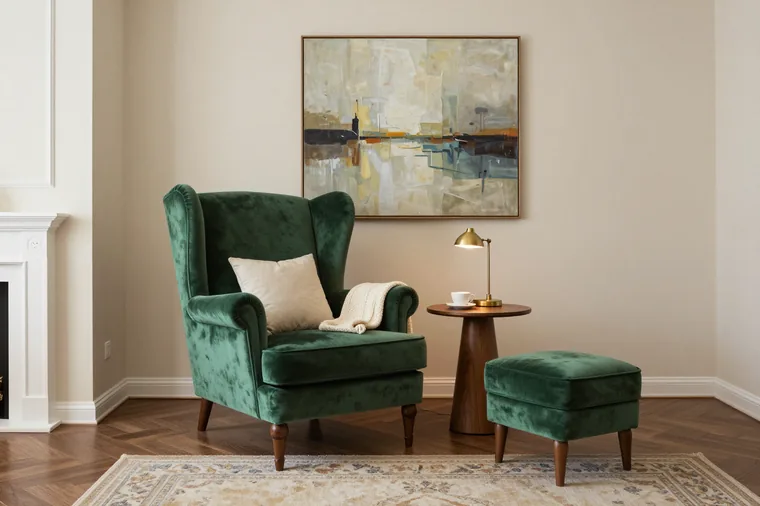
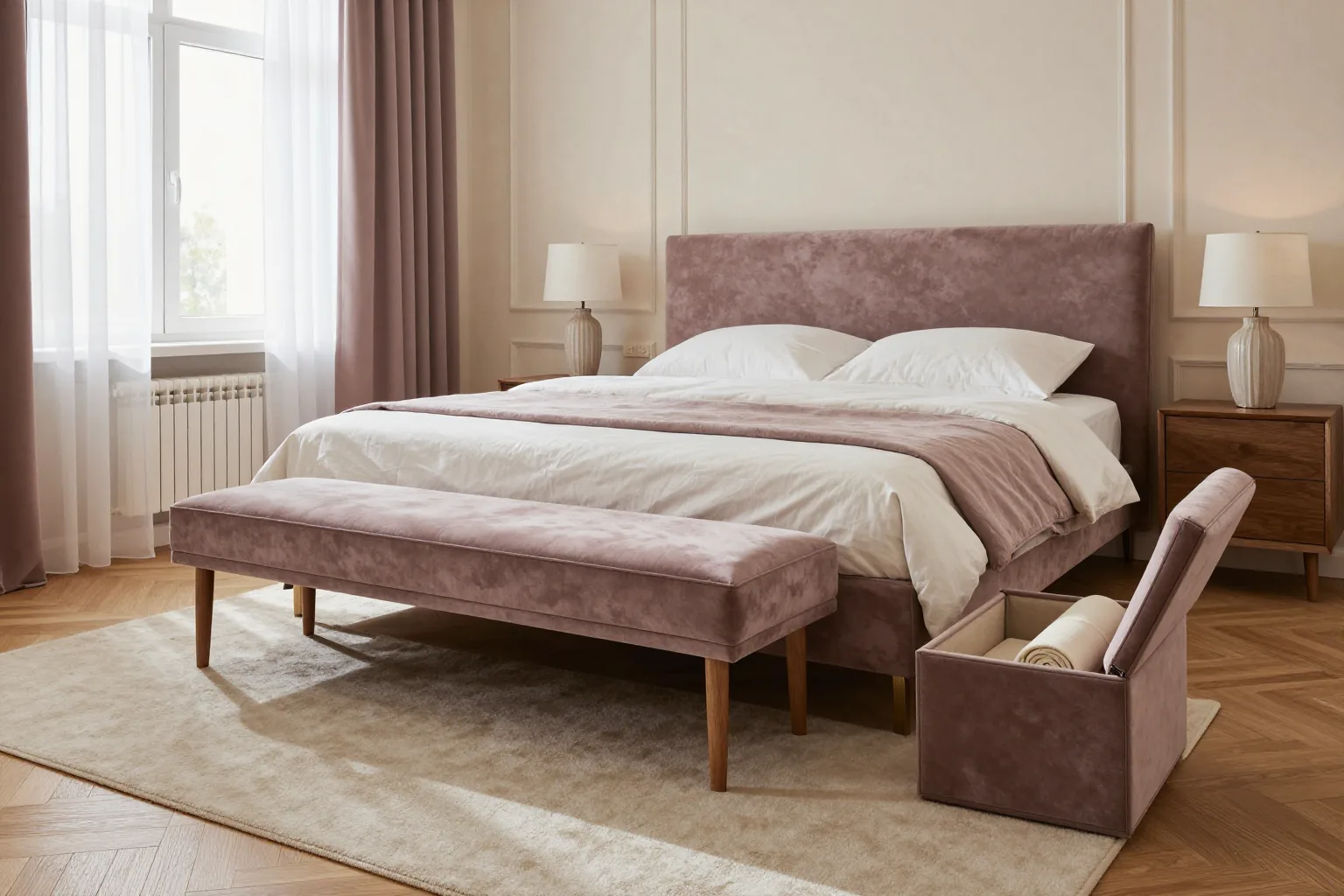
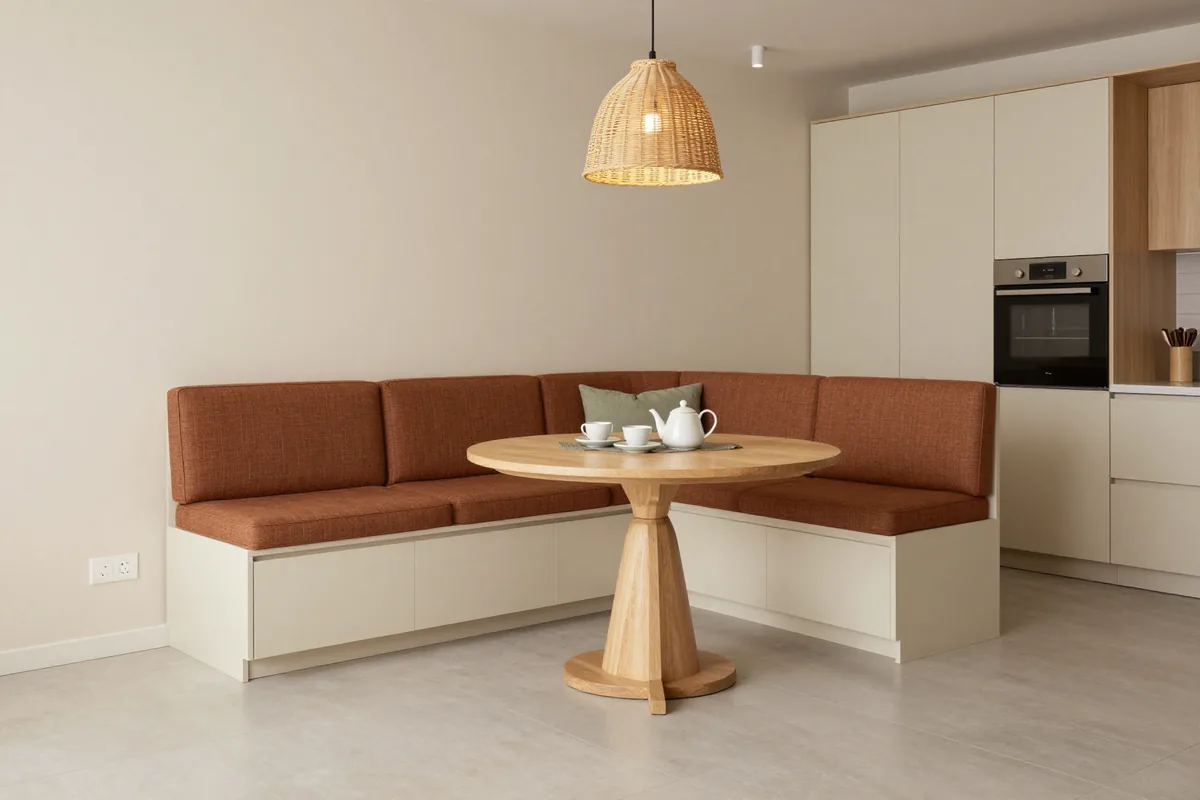
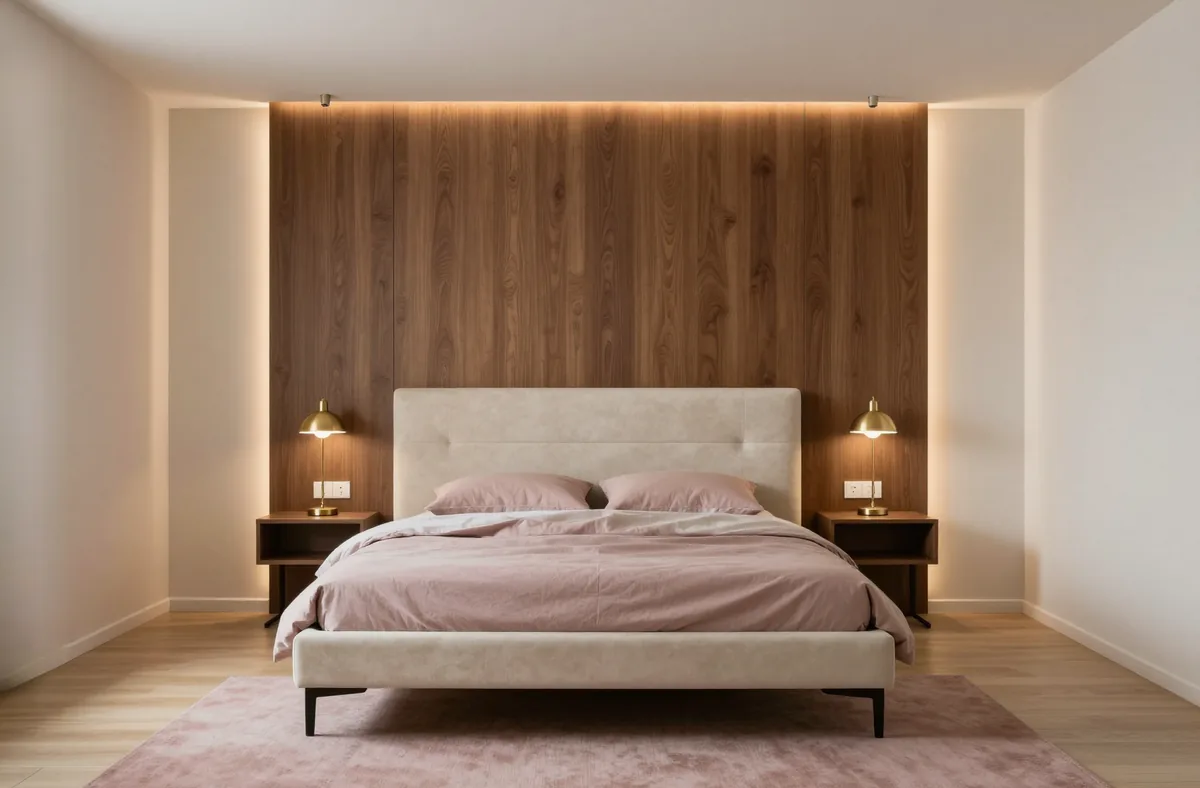
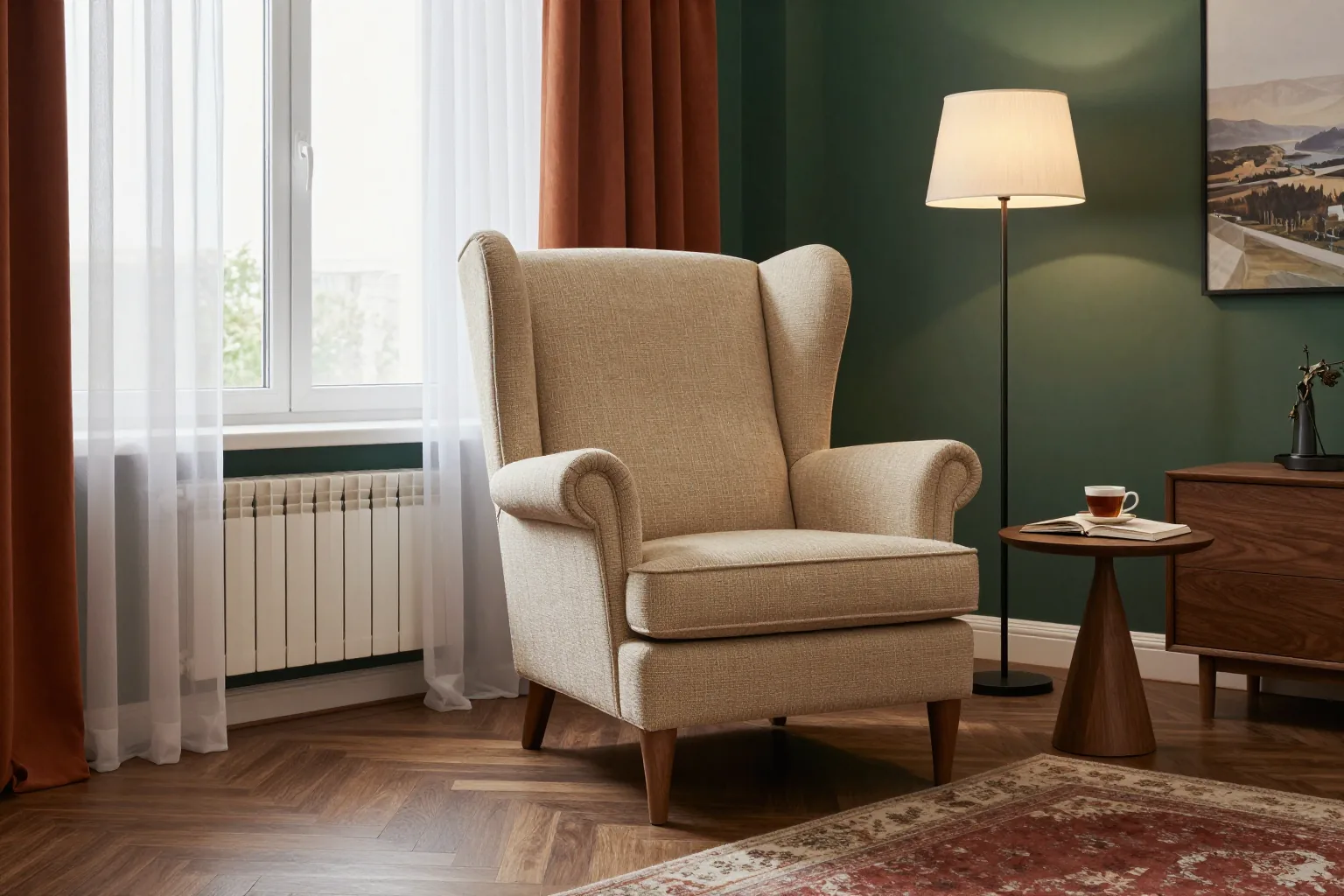
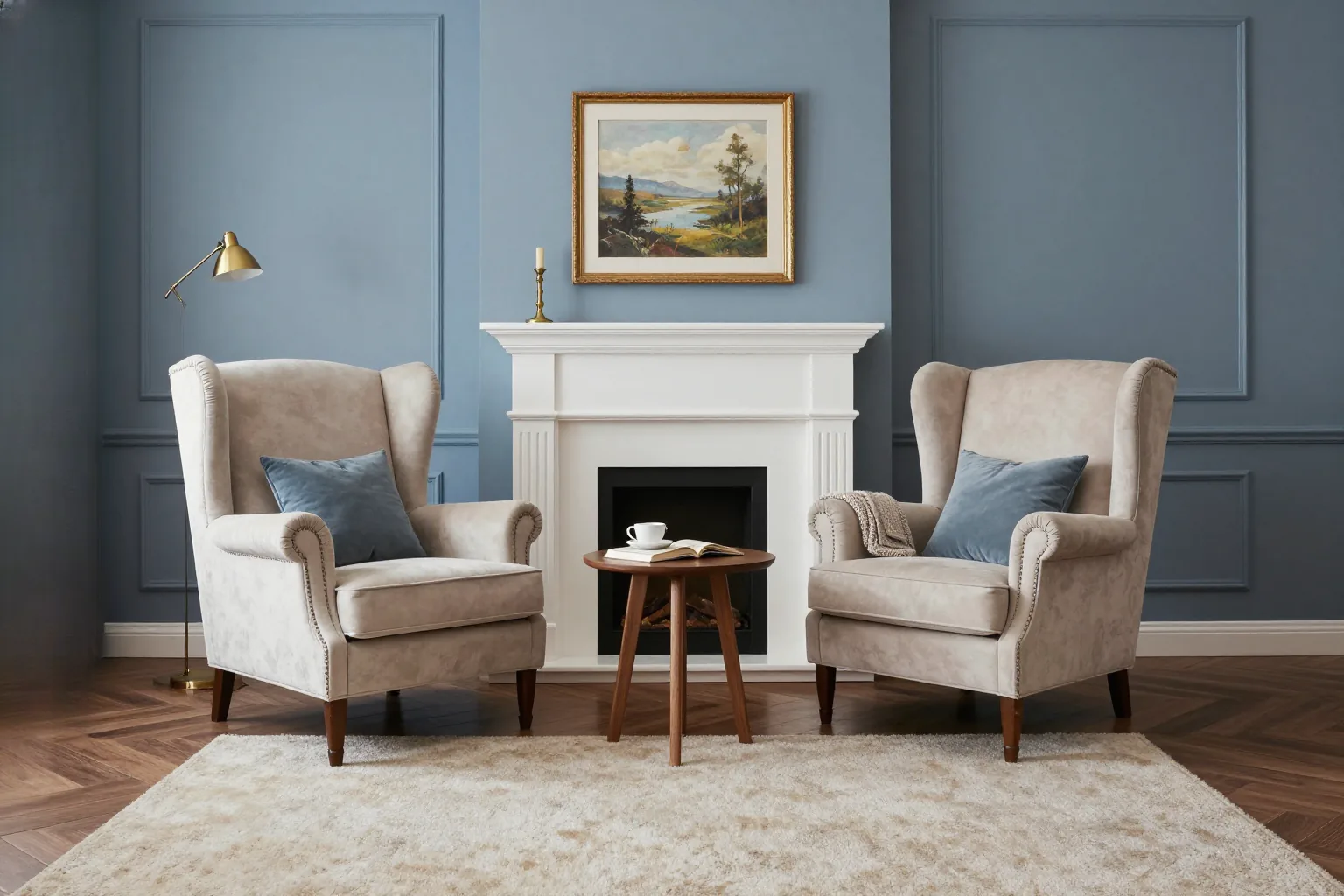
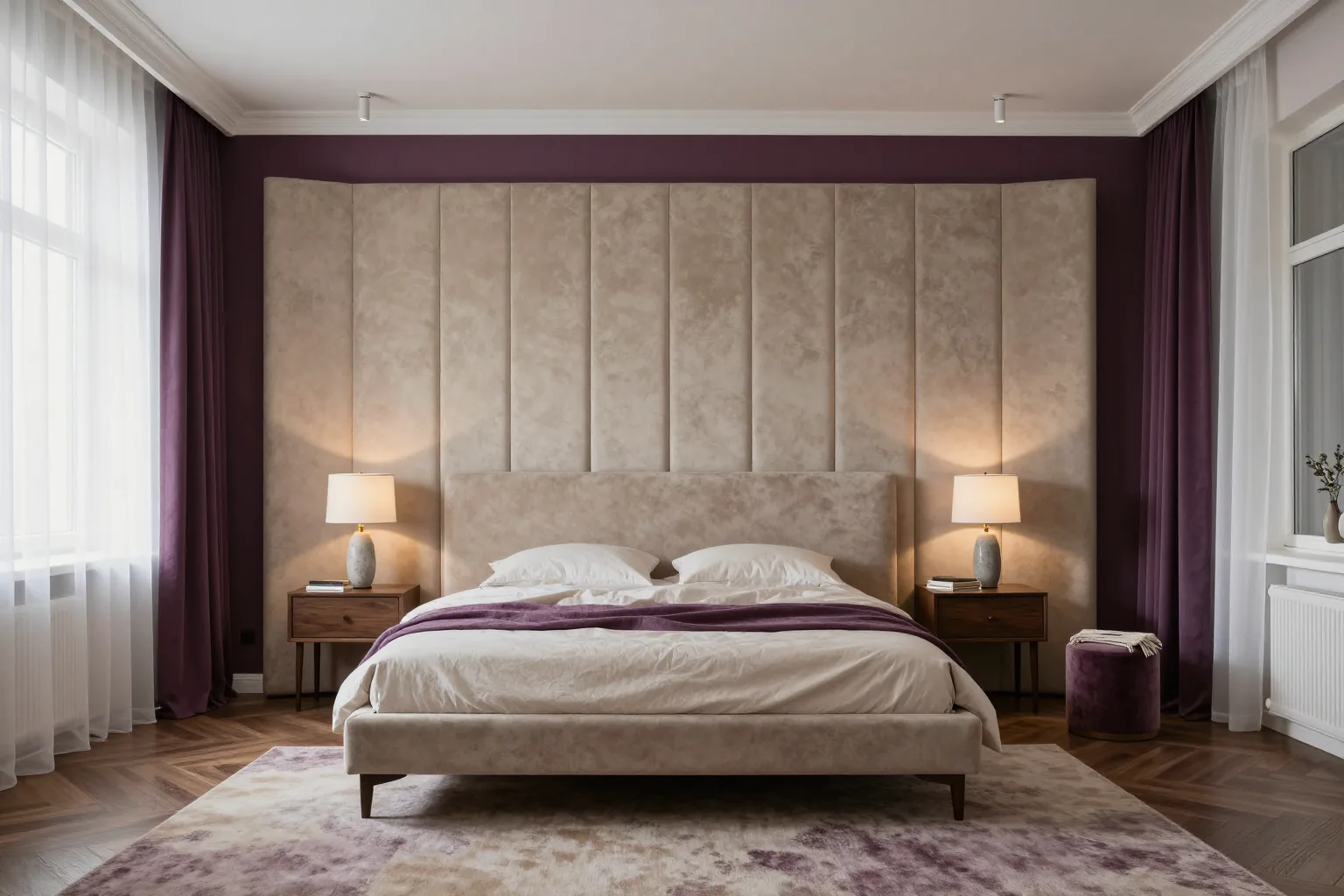
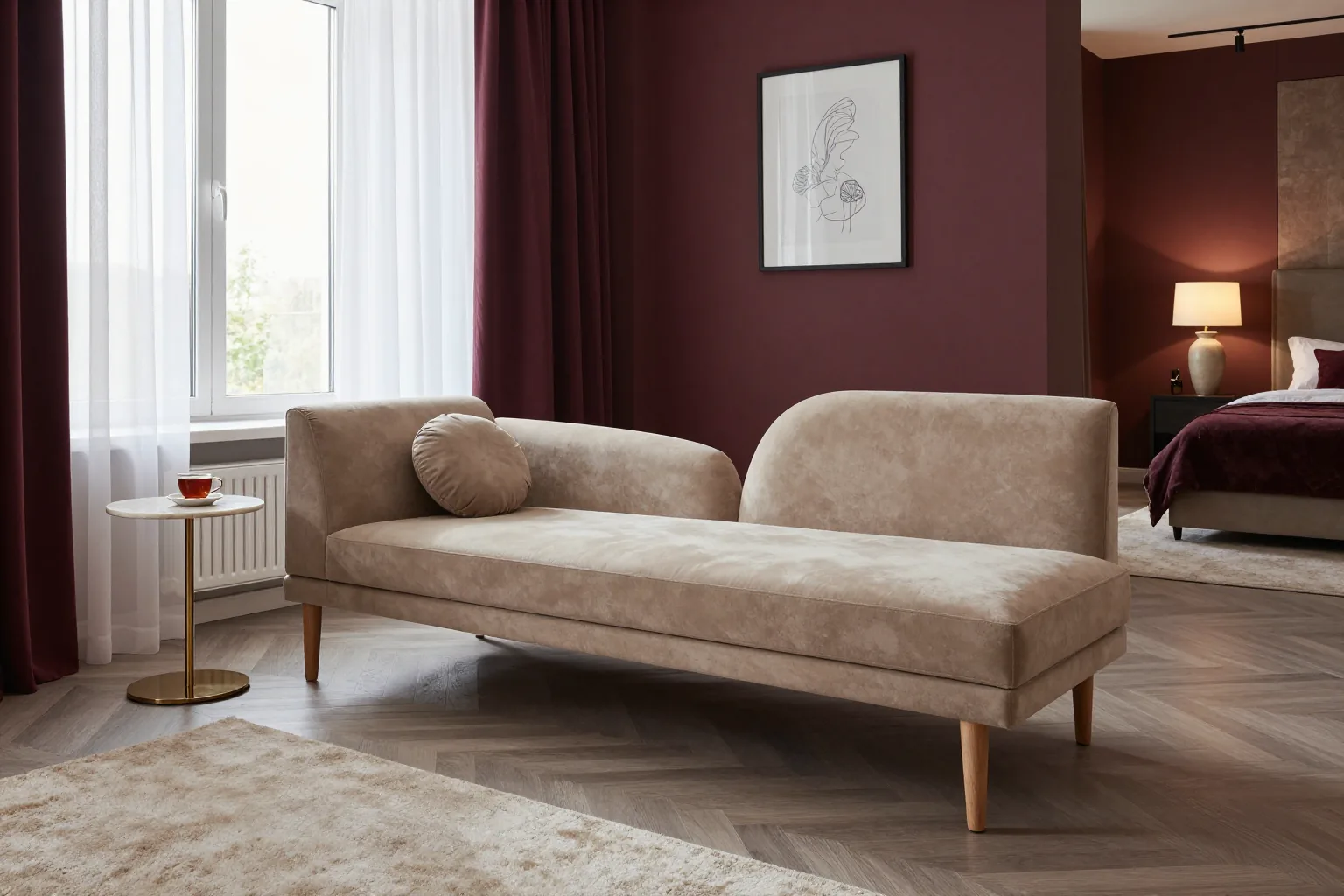
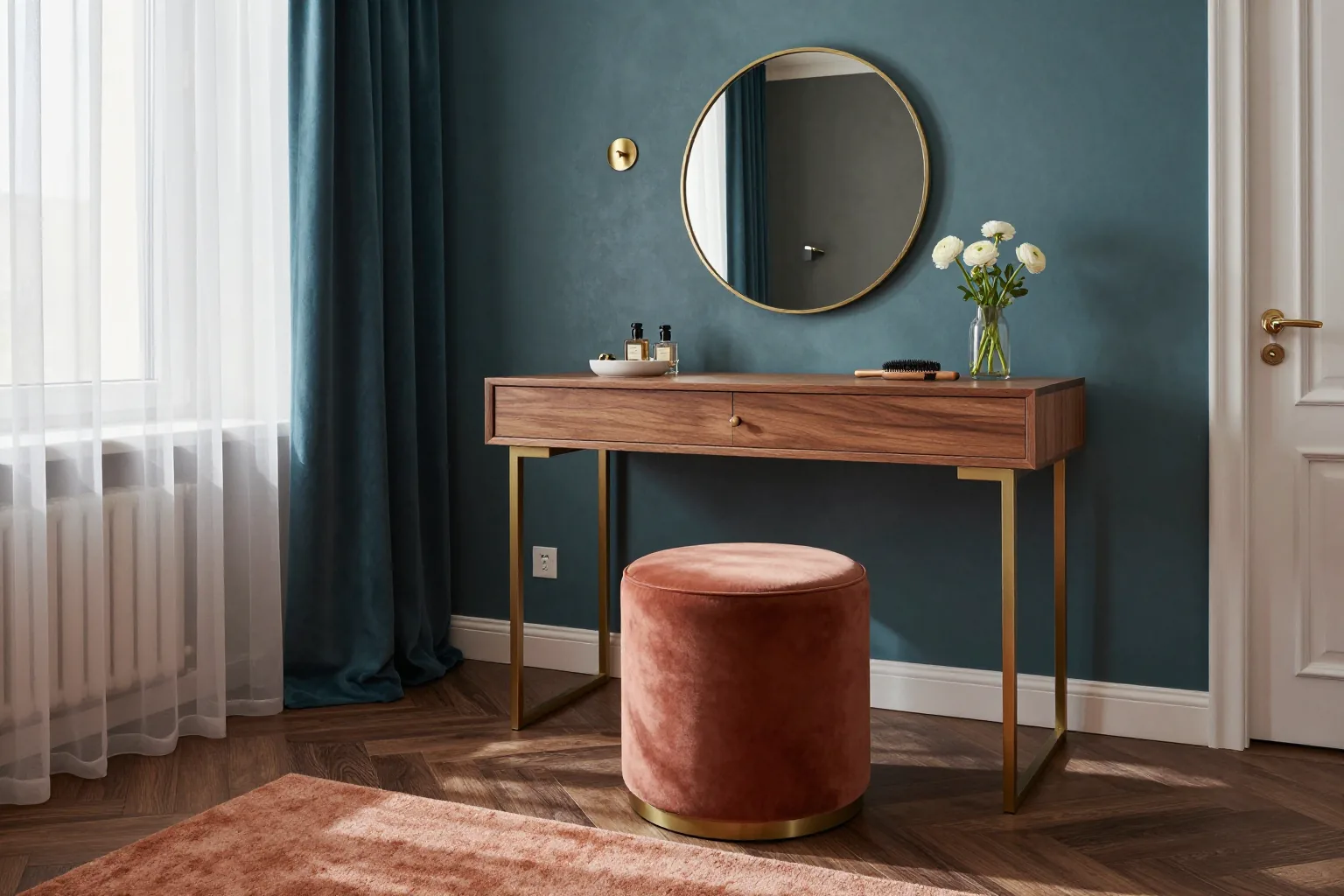
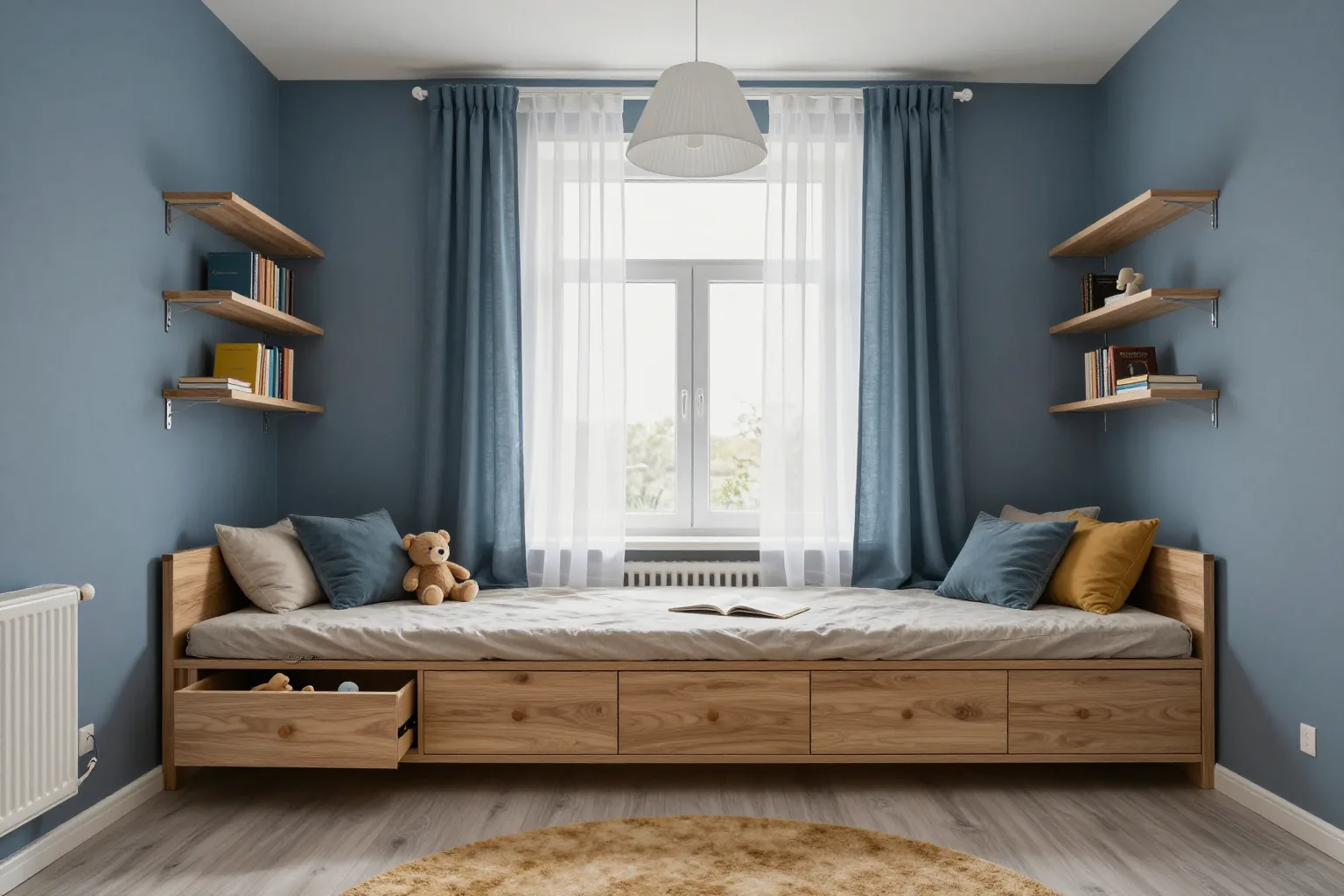
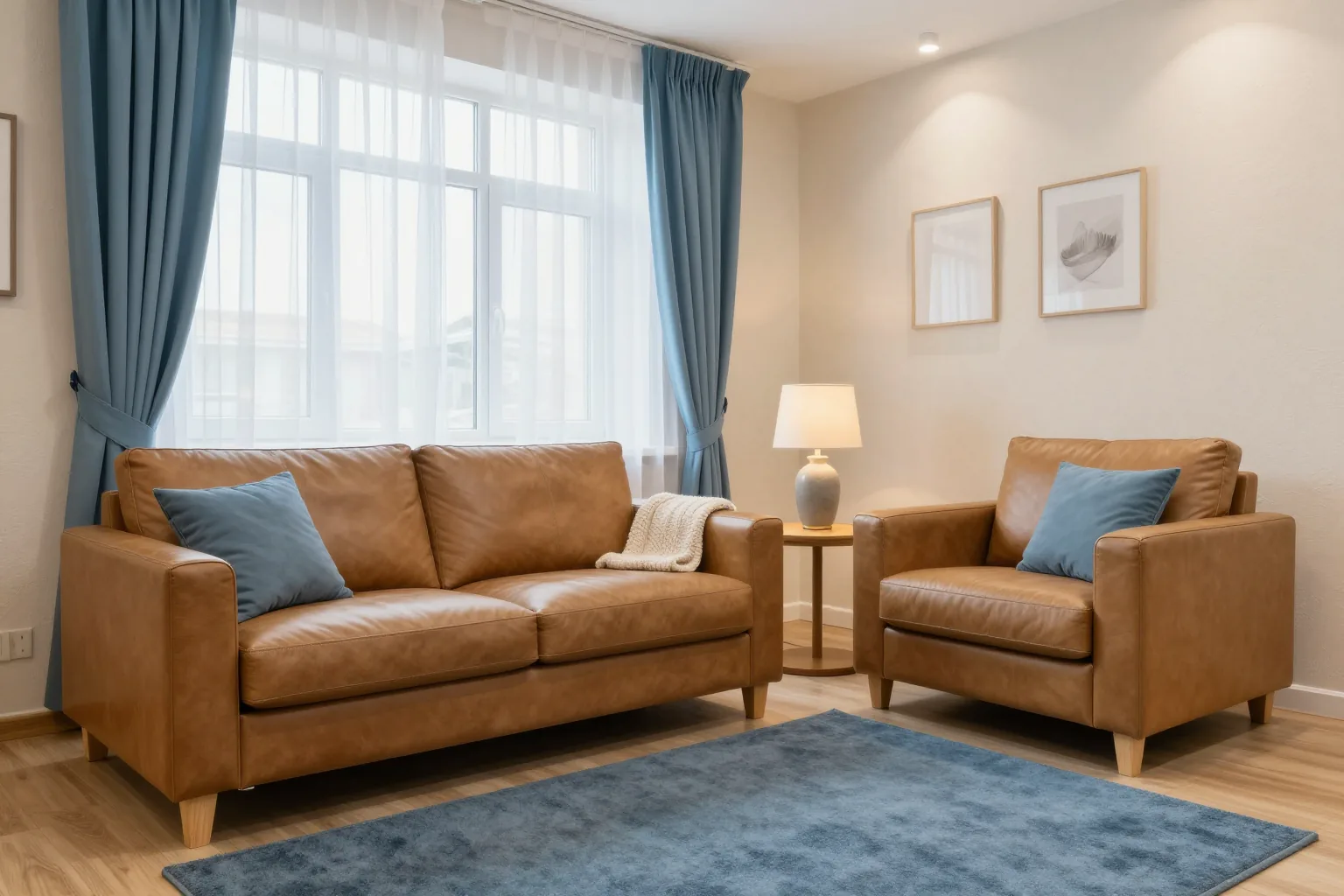
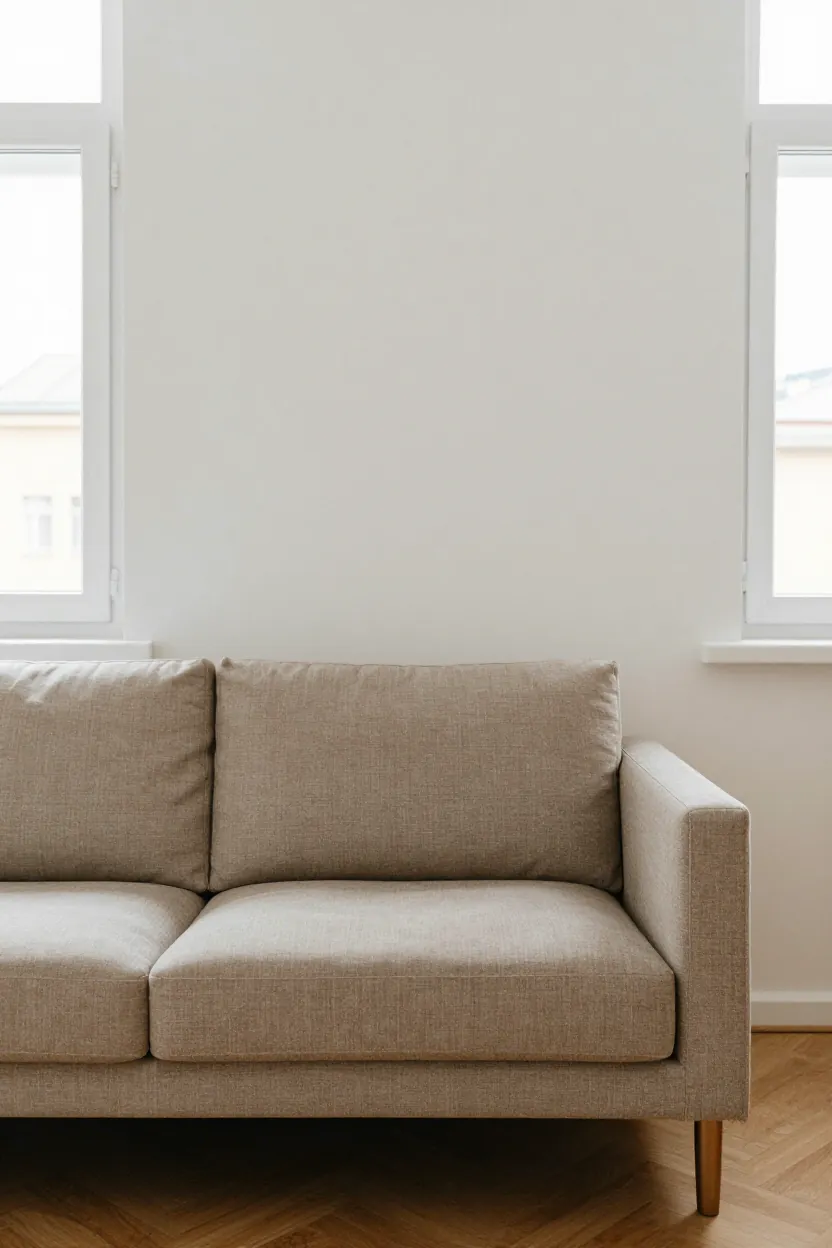
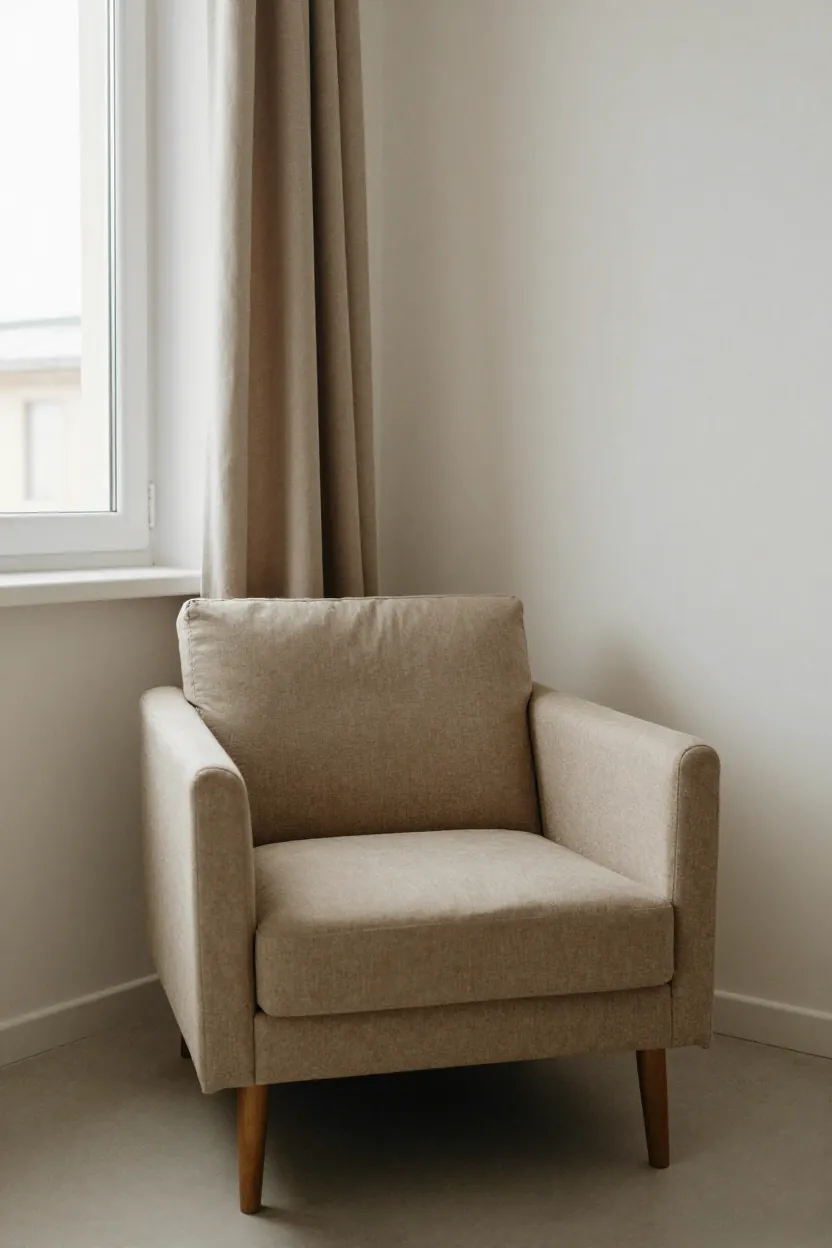
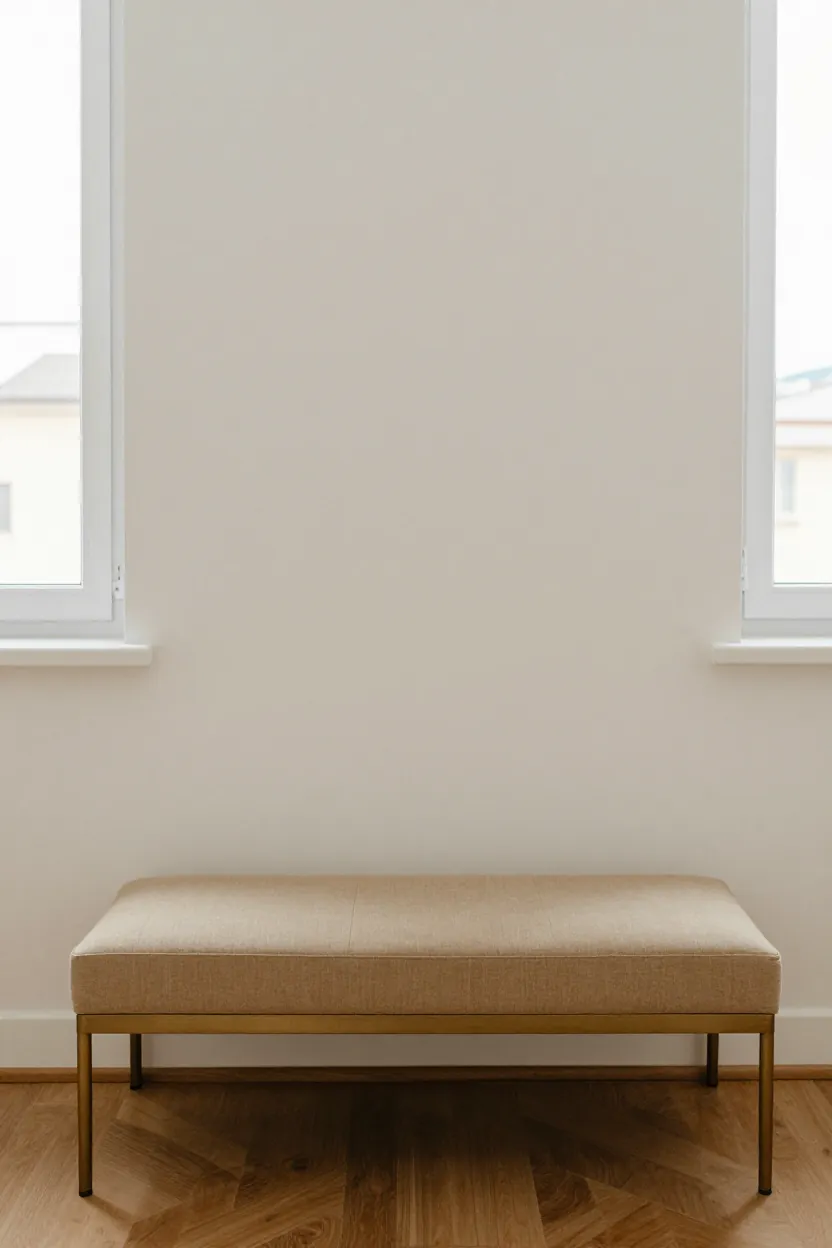
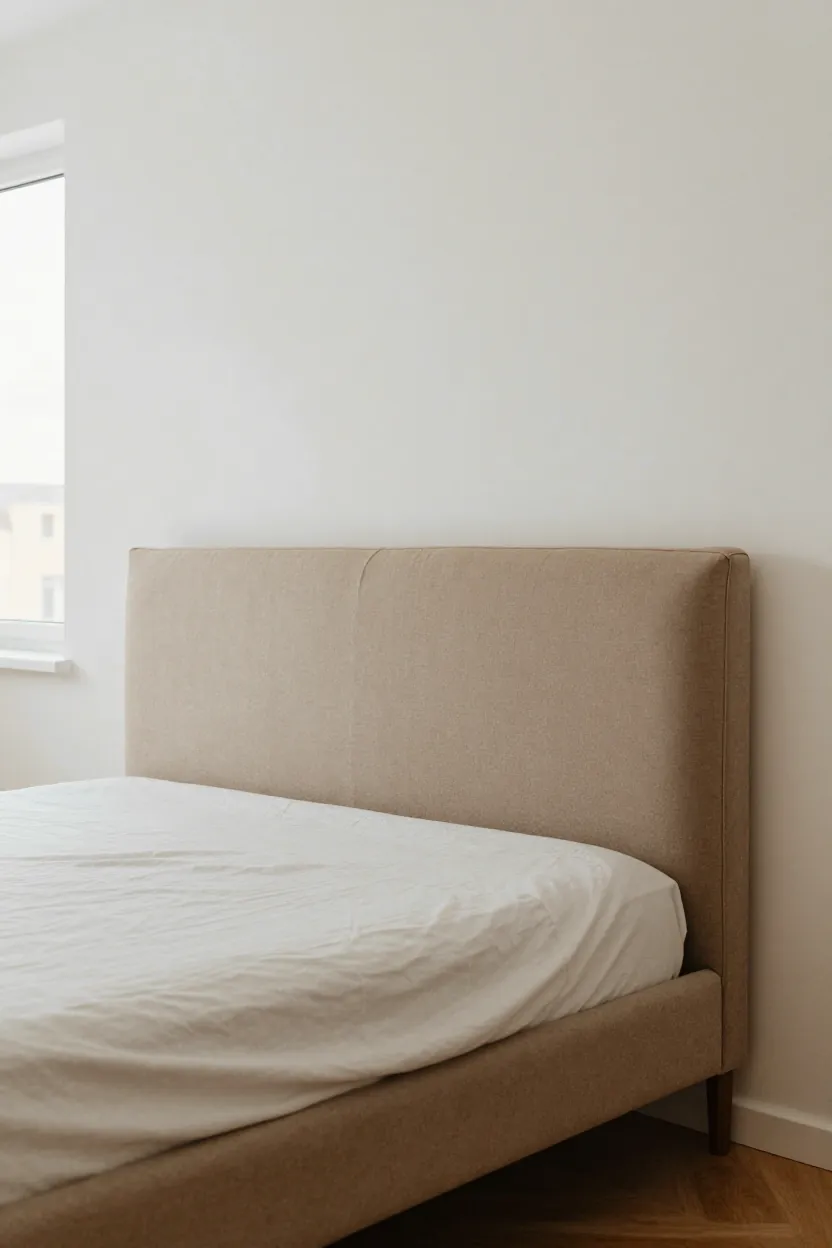
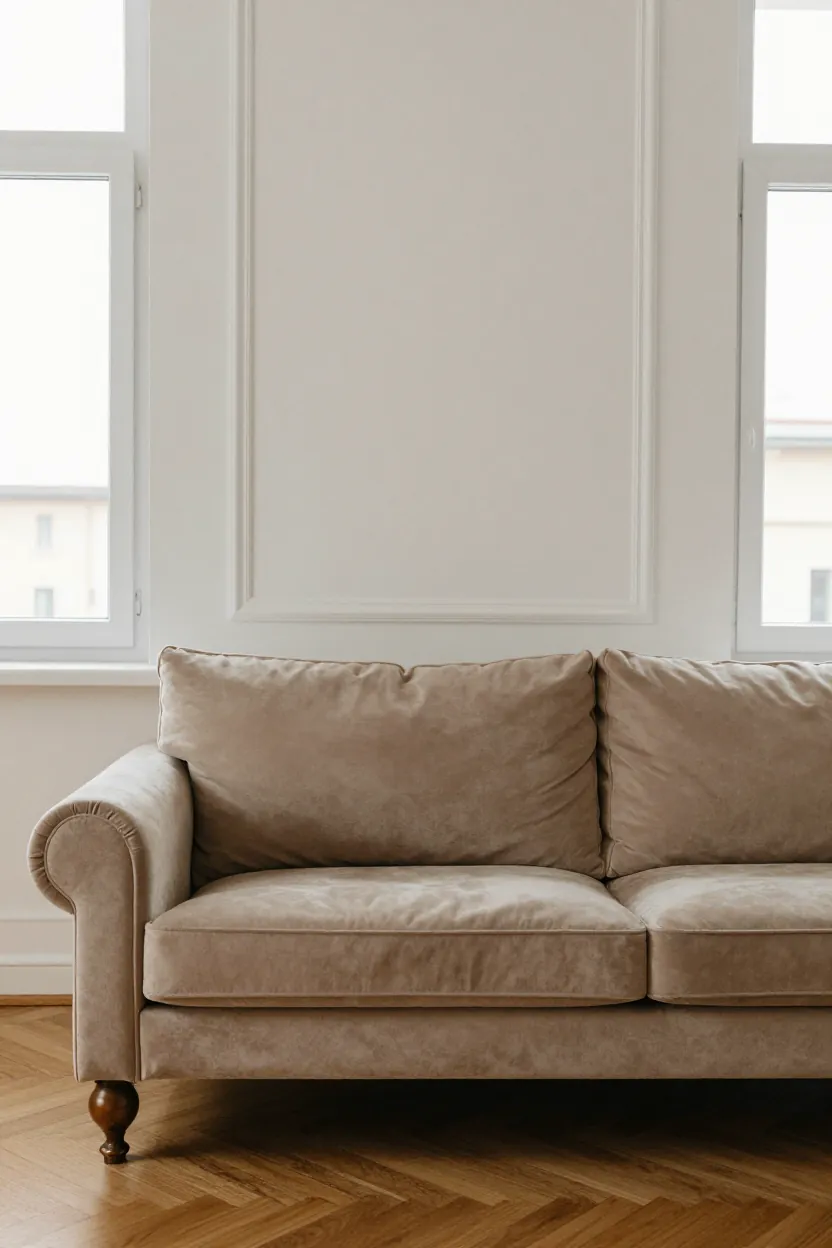
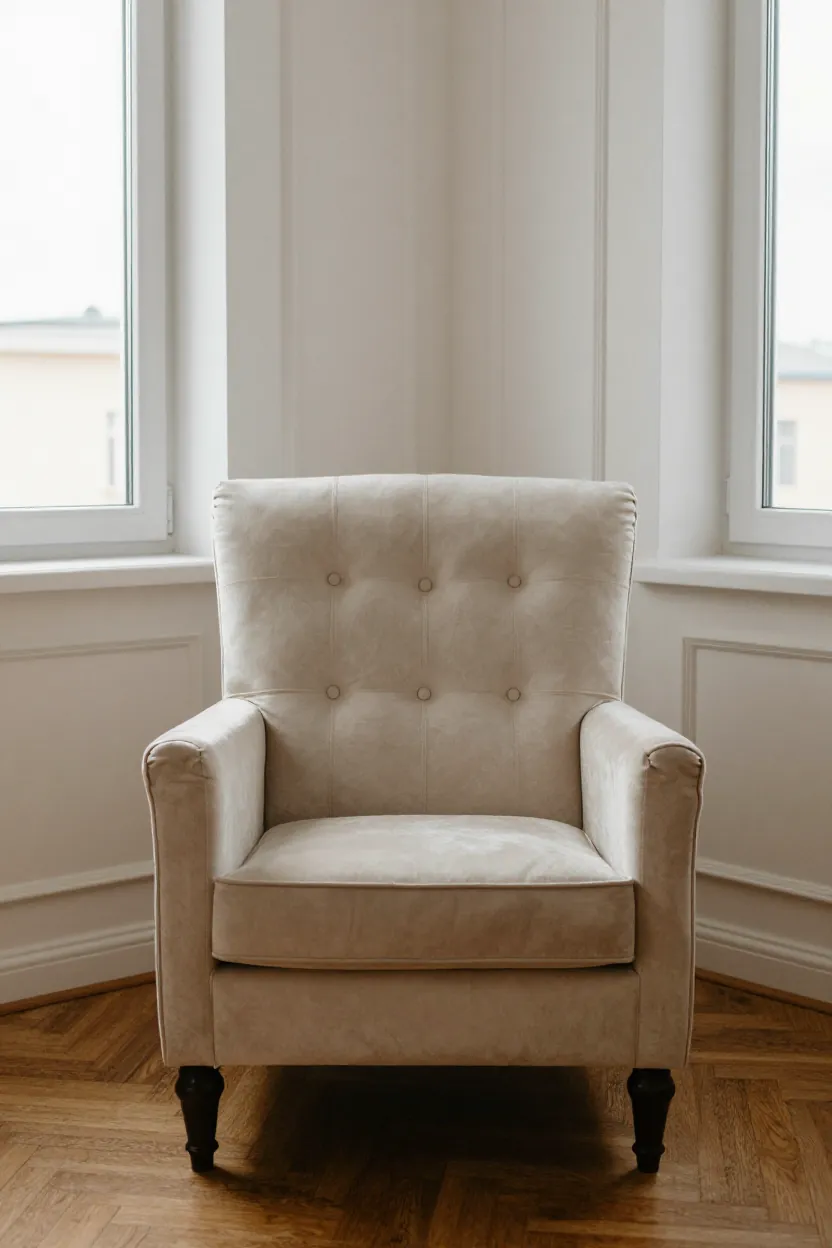
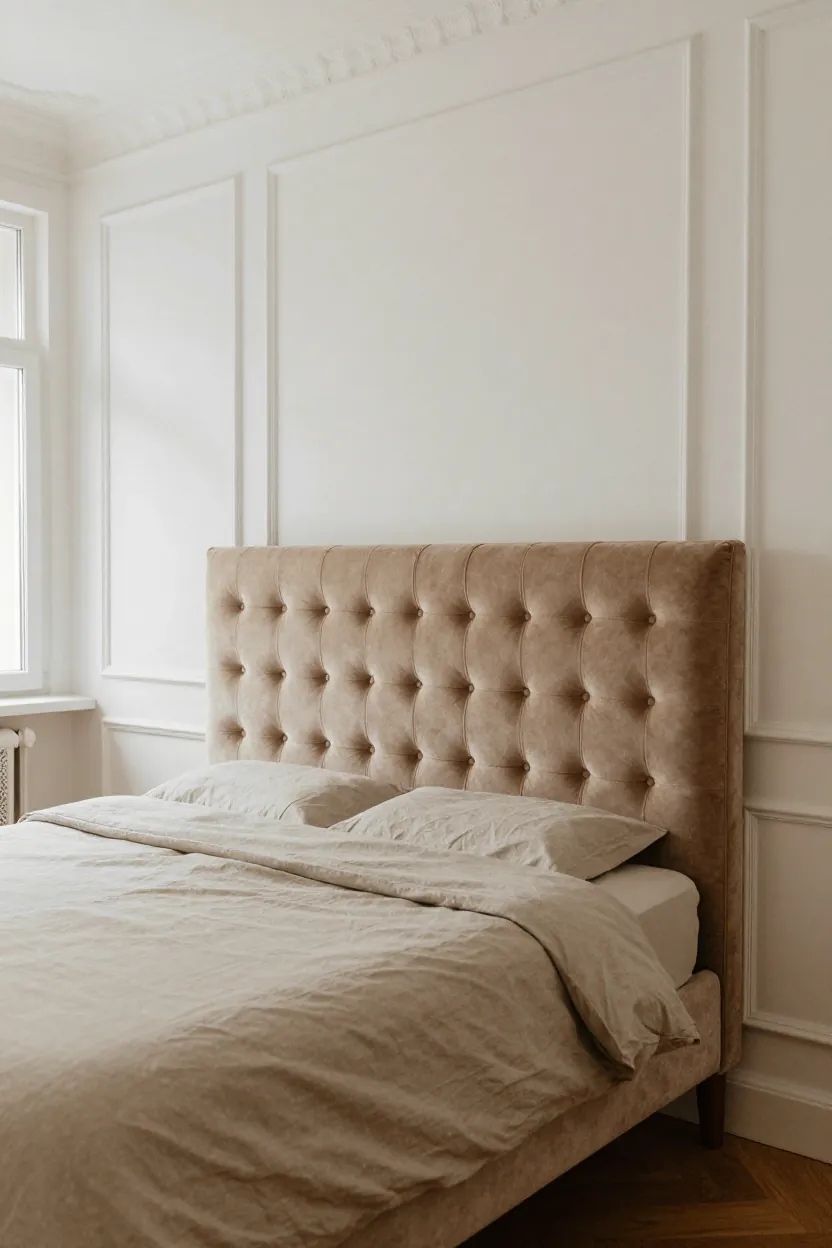
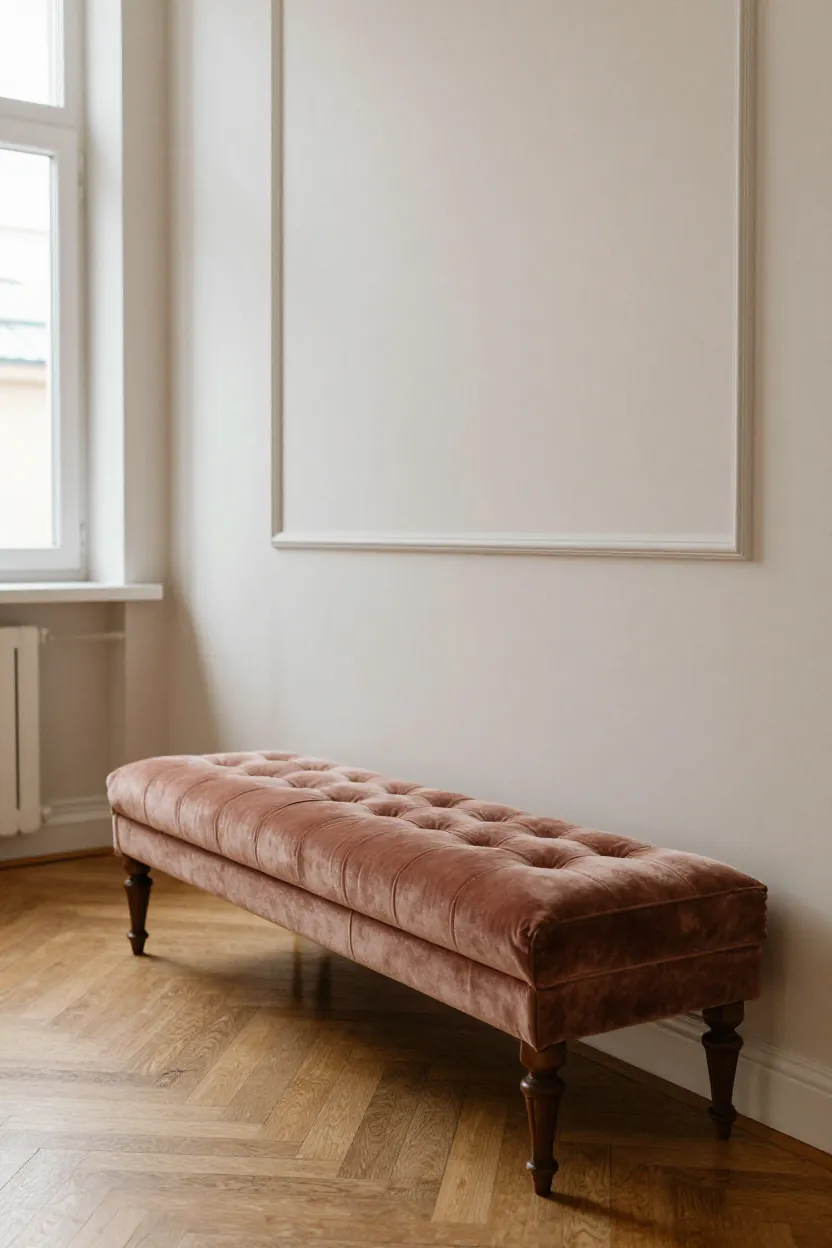
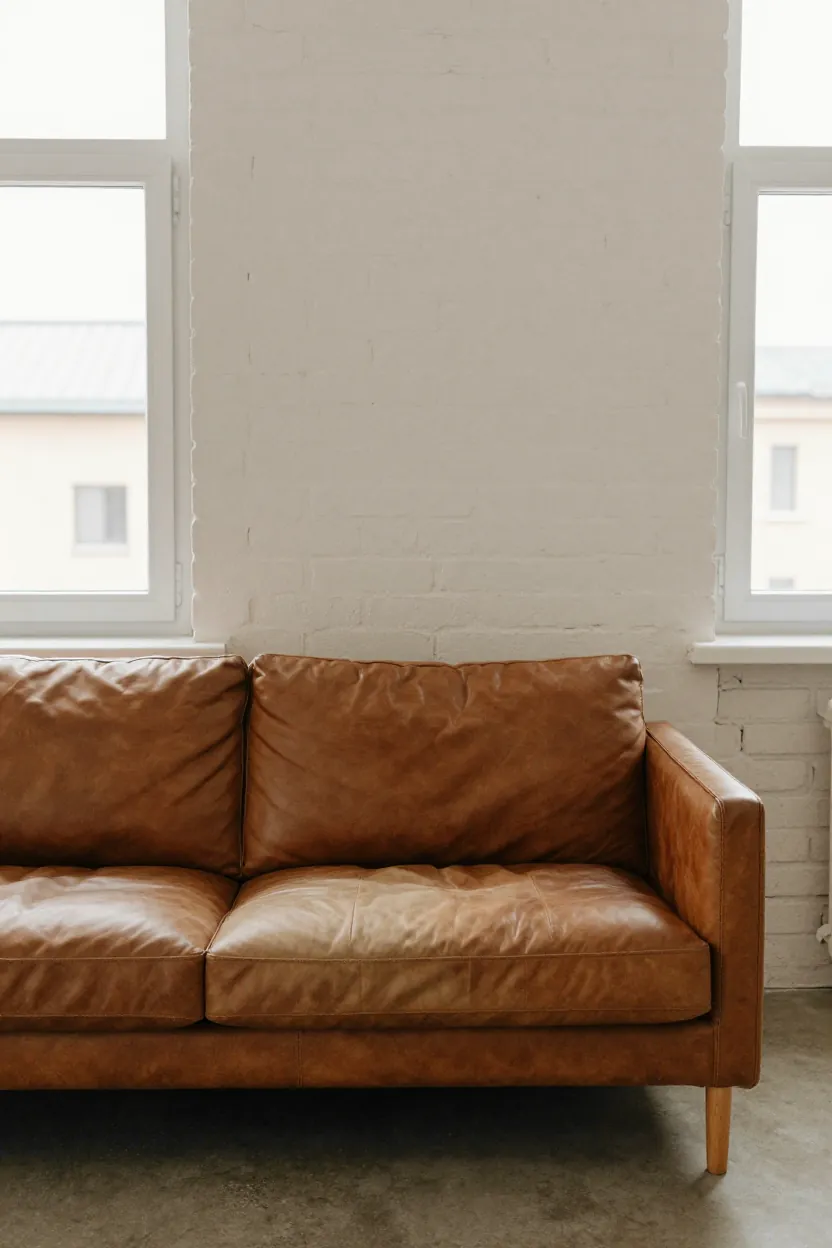
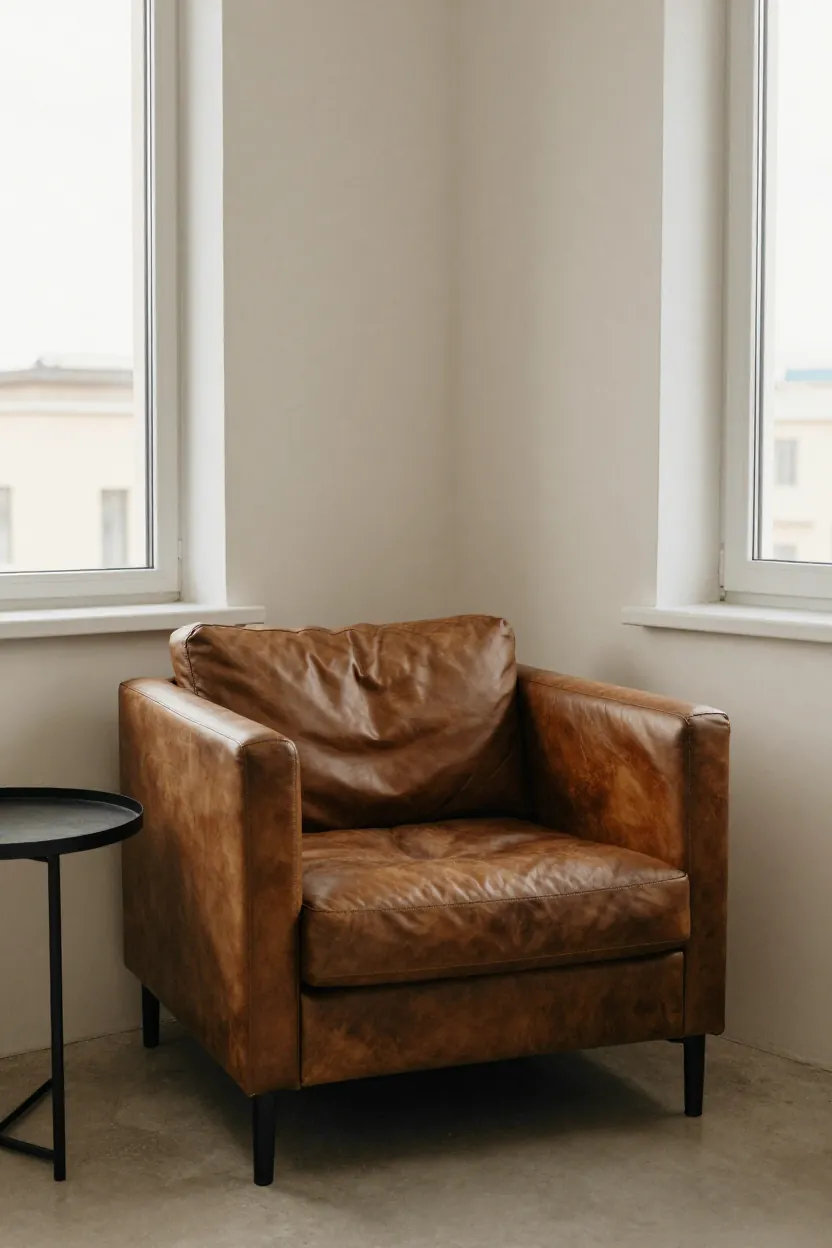
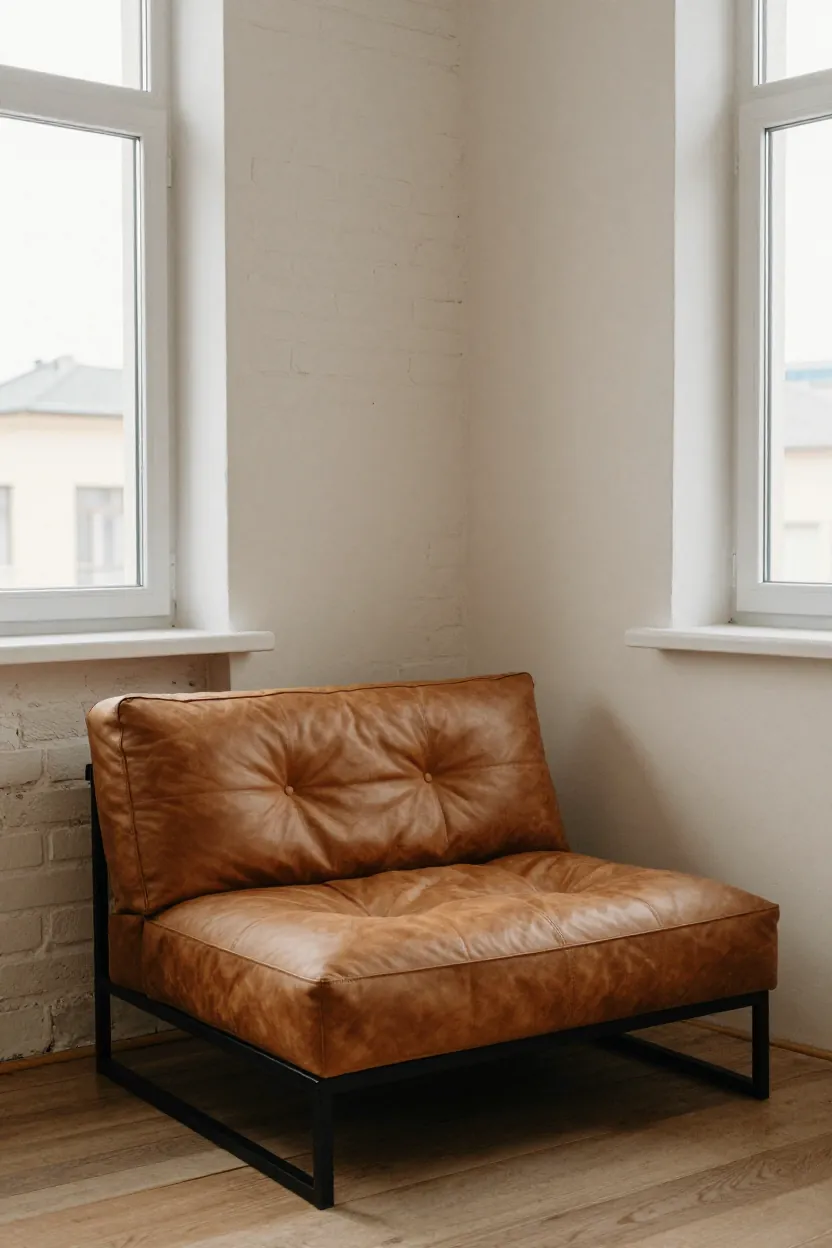
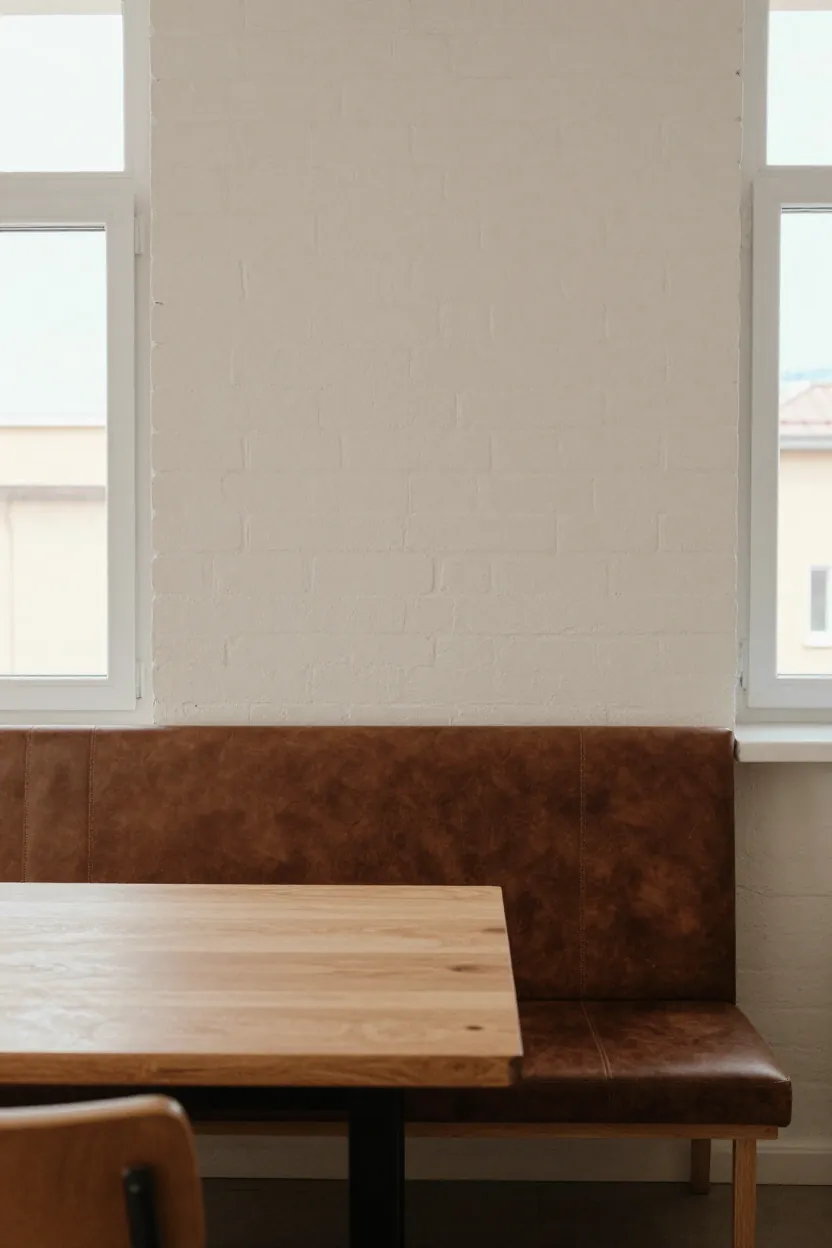
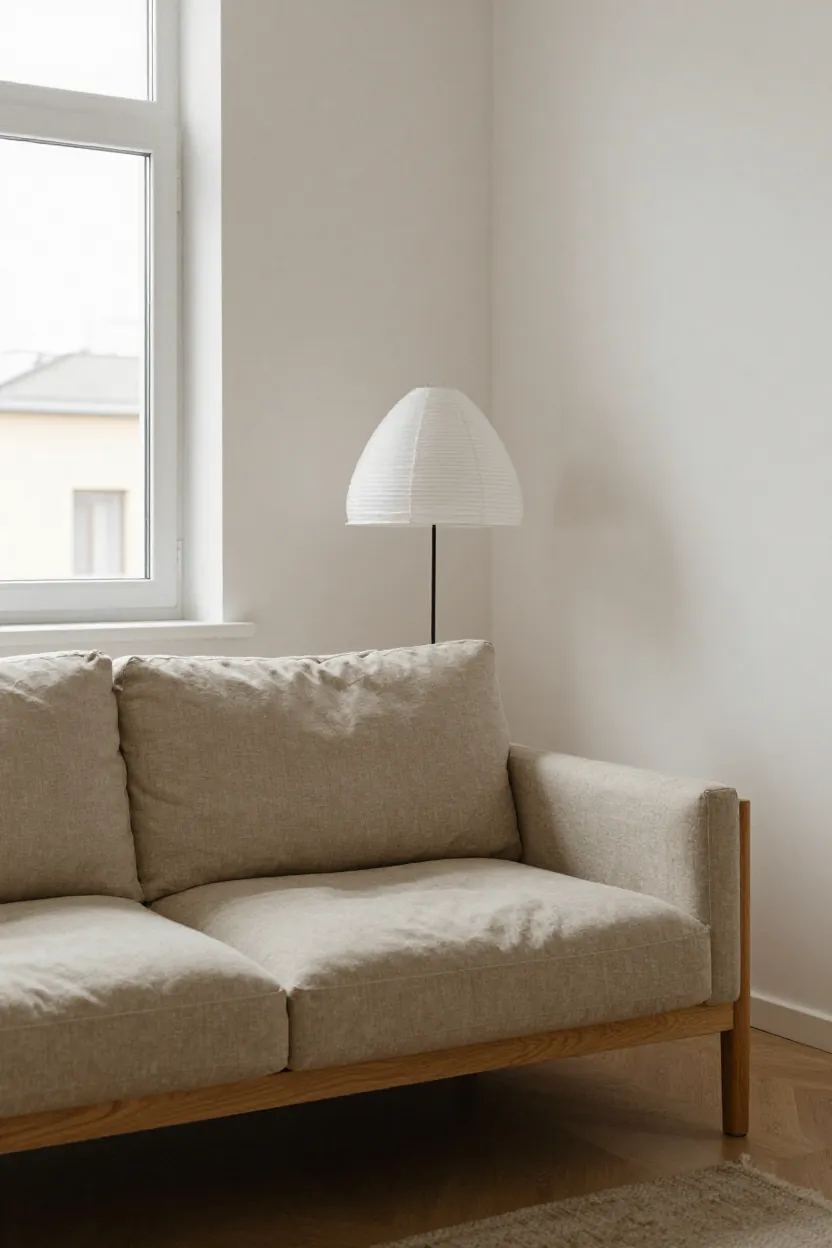
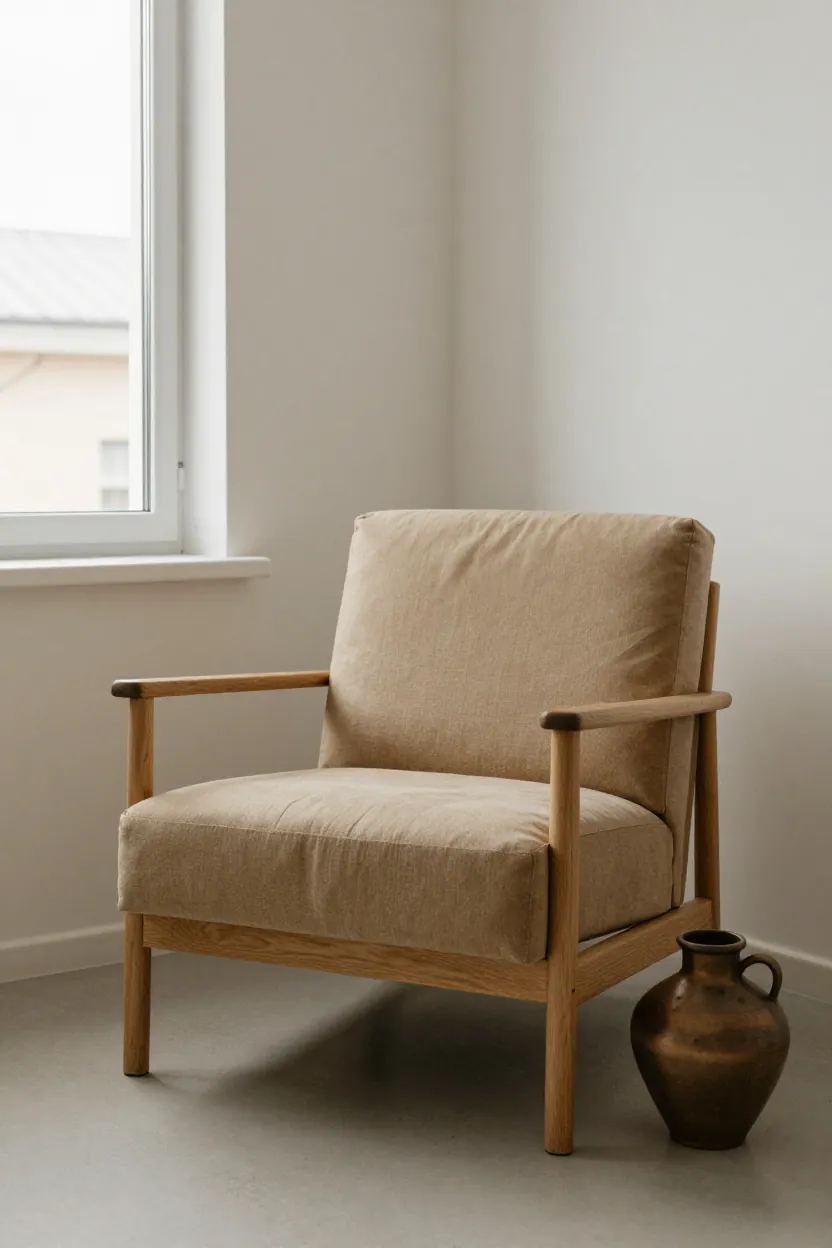
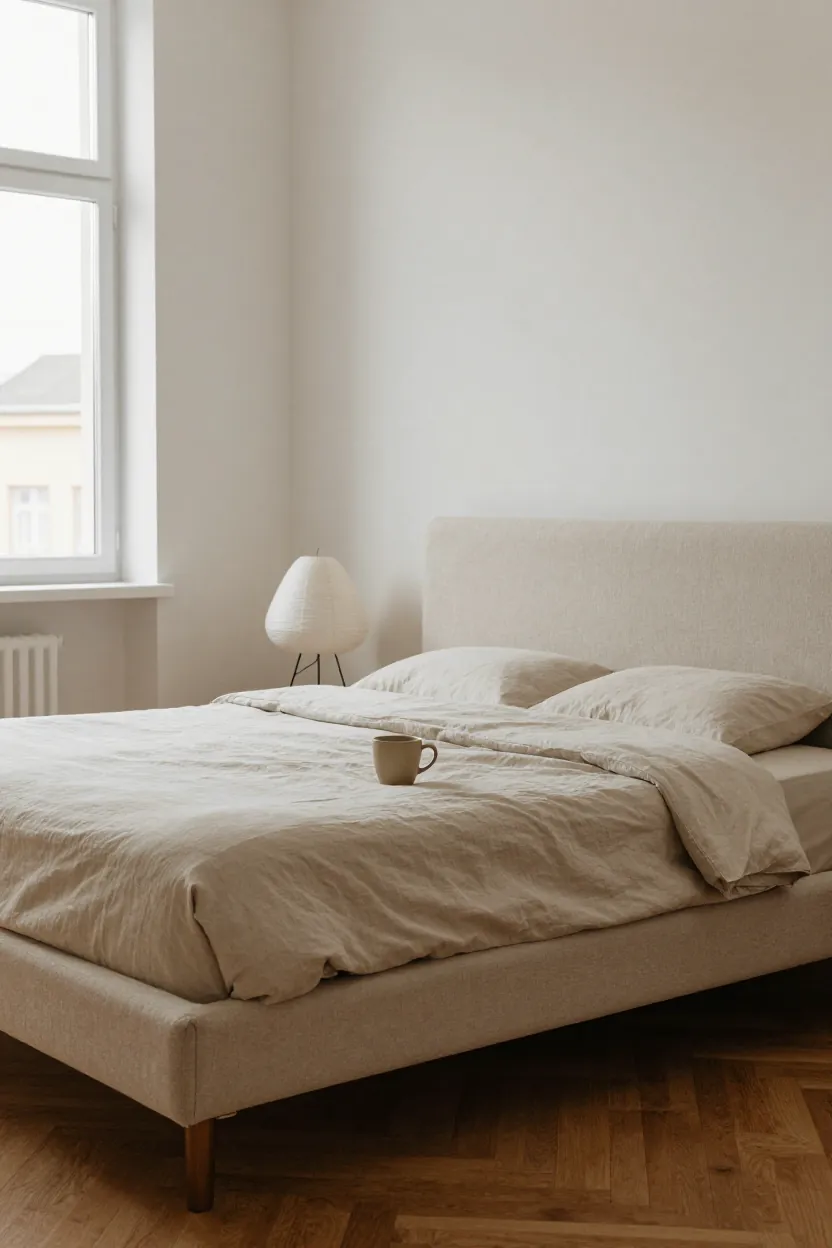
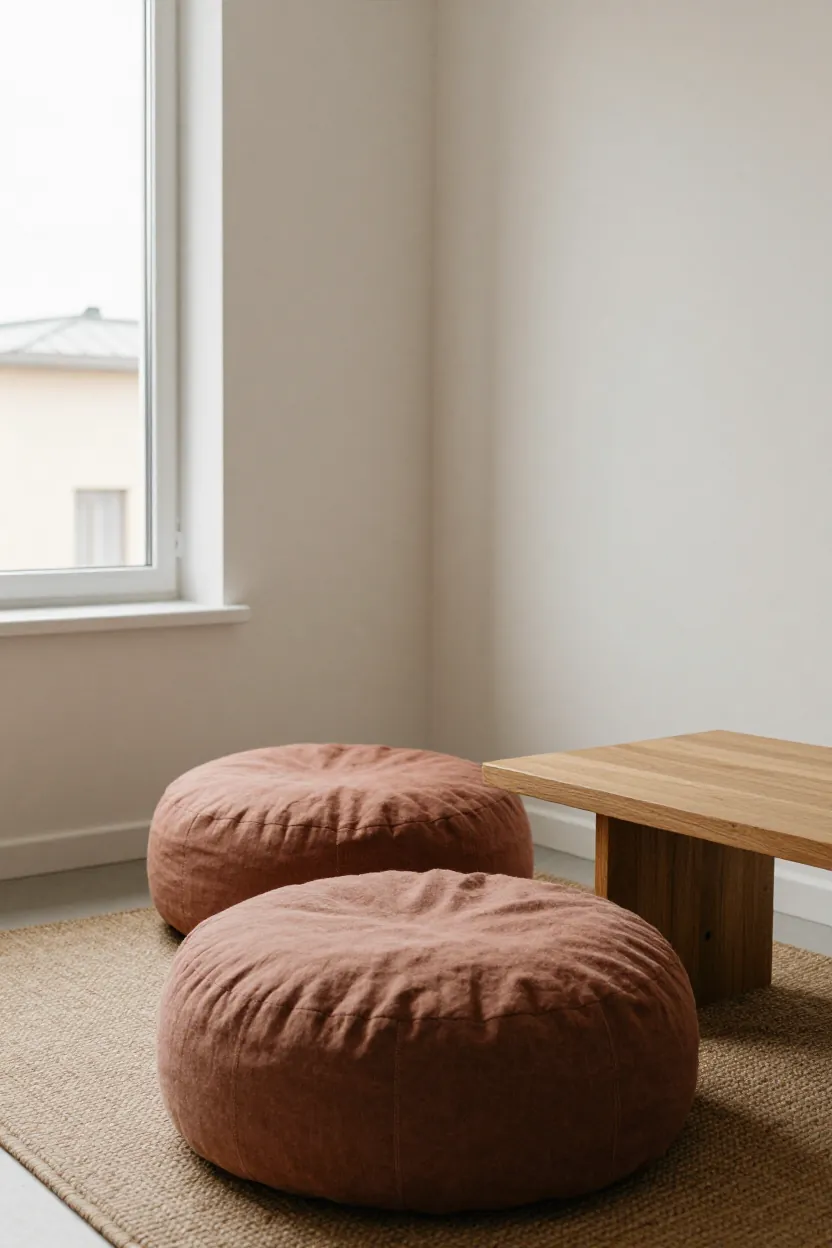
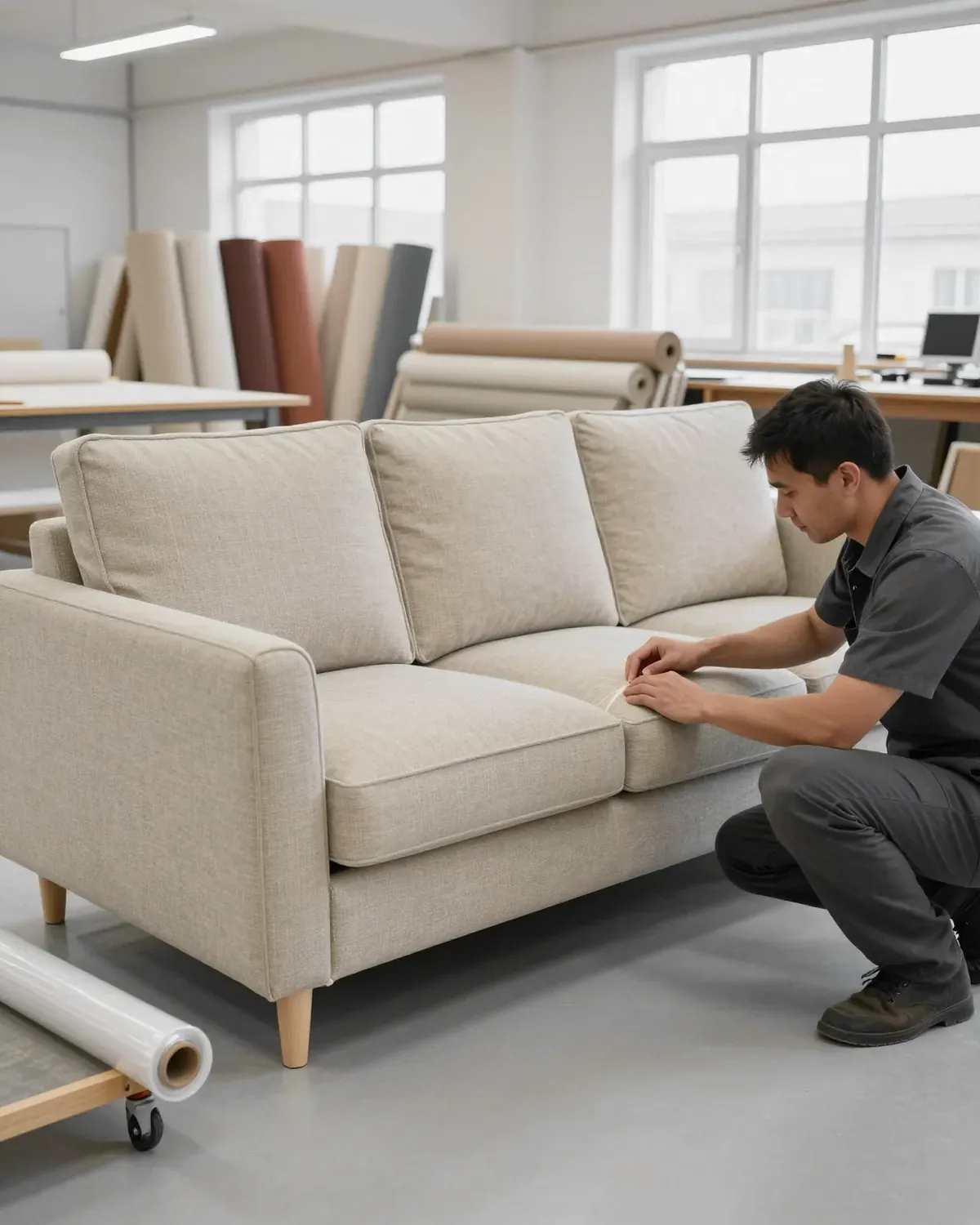
MEBLIX makes custom upholstered furniture — armchairs, poufs, benches, headboards and kitchen corner seating — to the size of your space and the height of the people who use it. Measurement anywhere in Almaty is free, a 3D design is ready in 1–2 days, and the warranty is 24 months. Below is how to choose the size, the fabric and the maker; prices and lead times for each item are in the price list above.
You need a custom piece when a ready-made one doesn't fit in size, seating position or fabric. If everything matches, there is no reason to pay for workshop time, and it is fairer to say so up front.
Ready-made vs custom on five points
Ready-made vs custom on five points| Point | Ready-made from a store | Made to order |
|---|
| Size | standard range, 10–20 cm steps | to the measured space, accurate to the centimetre |
|---|
| Fabric | 3–10 options per model | any reference from suppliers' collections |
|---|
| Filling | one per model | firmness to suit height, weight and habits |
|---|
| Lead time | take it today or wait for the factory | per the price list, counted from the contract |
|---|
| Repairs | through the seller and the factory | in the same workshop that made it |
|---|
Five cases where custom pays off
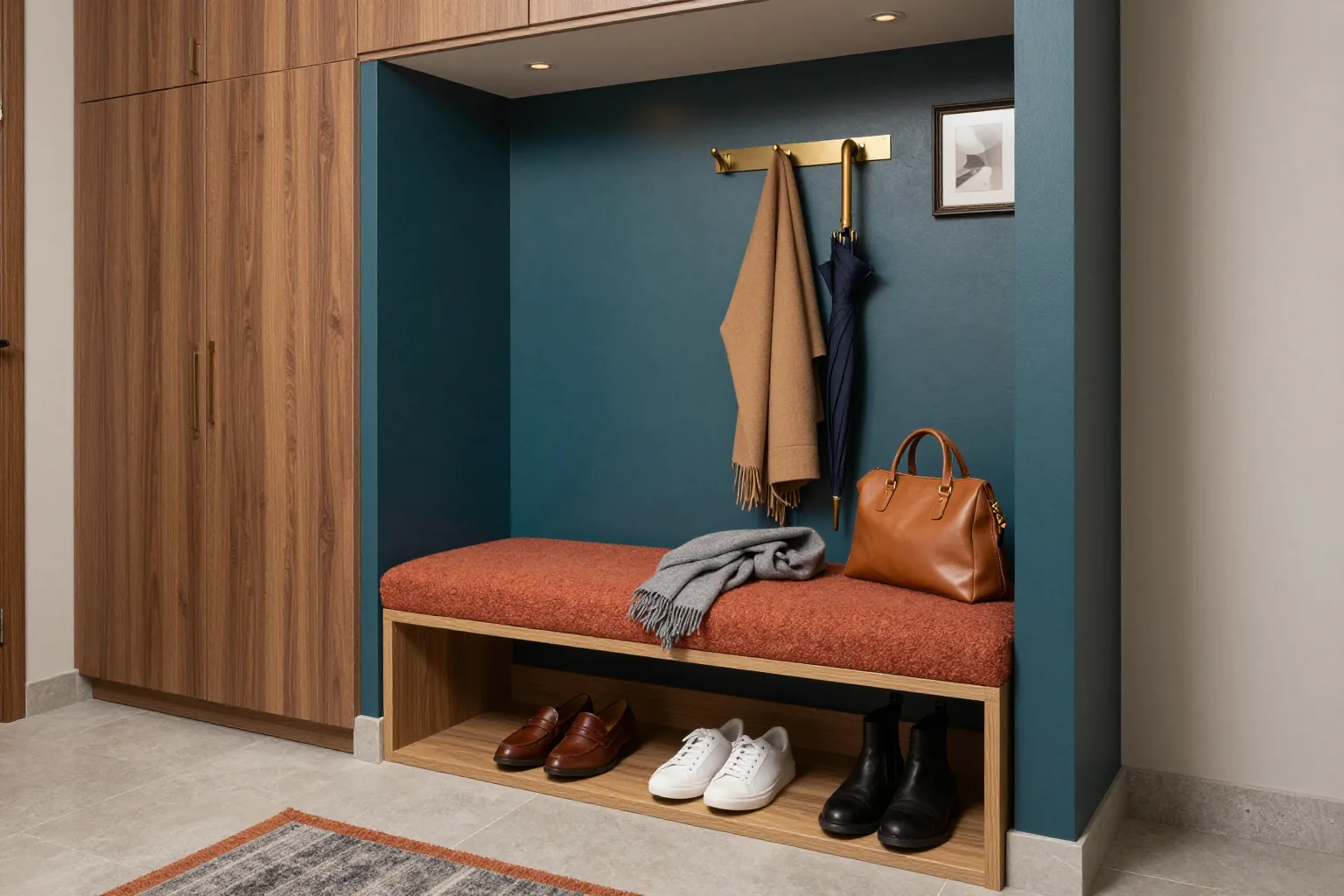
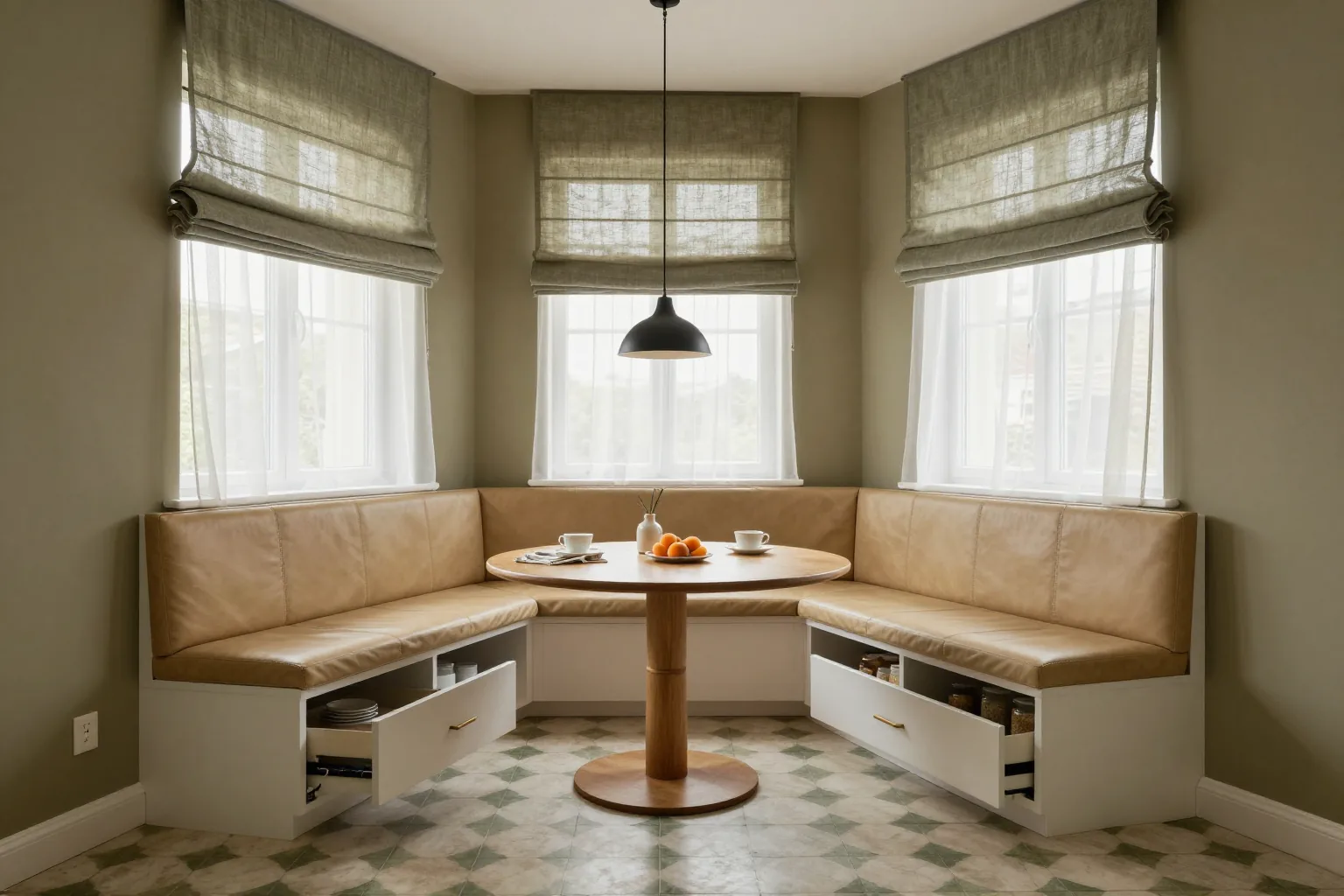
- A niche or bay window: a bench for a 132 cm gap or a corner seat that follows three sides of a bay won't be in any catalogue, and an extra 10 cm on a ready-made piece will hit the door frame.
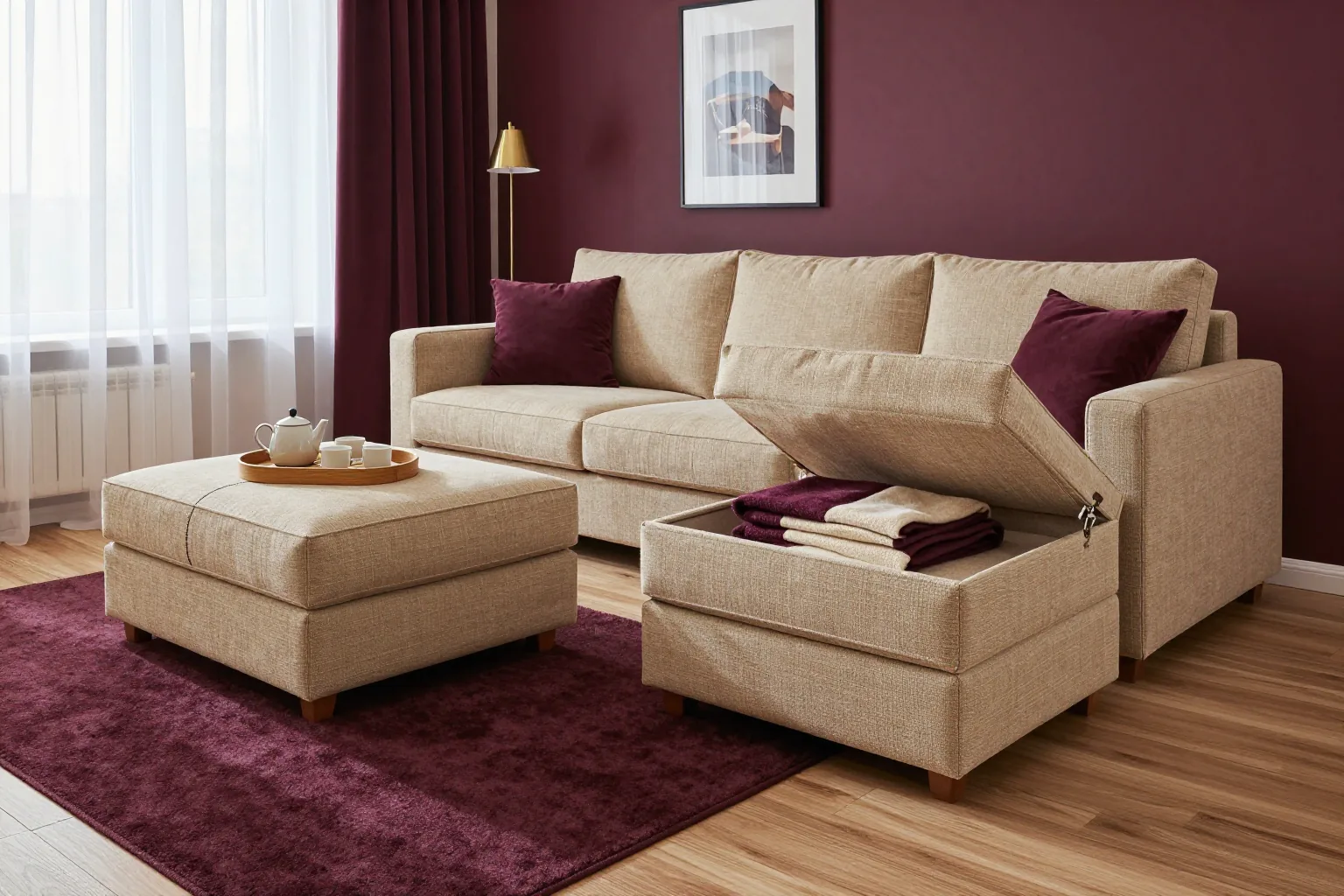
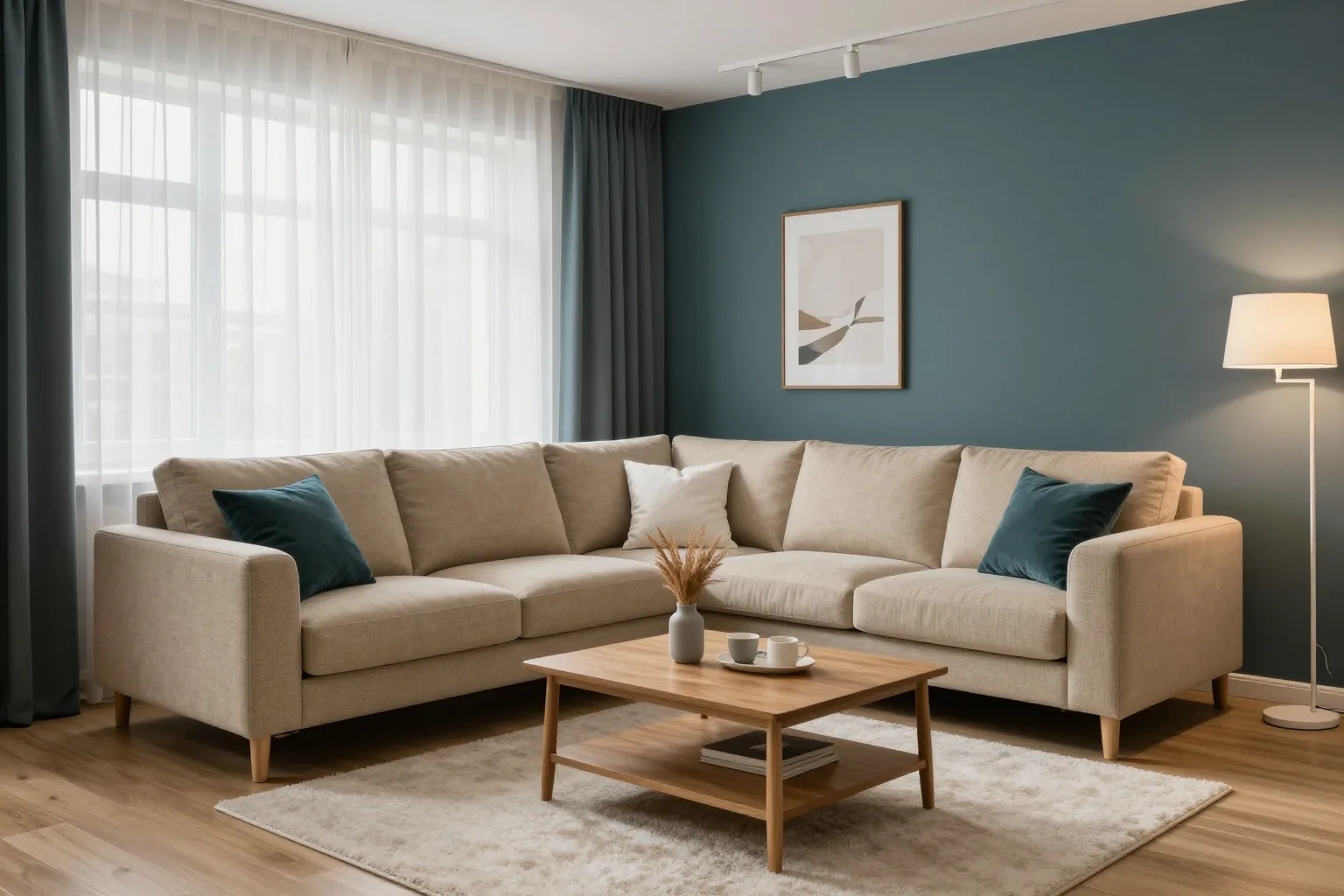
- A match for your sofa: an armchair or pouf is made in the same fabric and at the same seat height as the sofa you already have.
- Taller or shorter than average: seat depth and height are set for the owner, not for an average buyer.
- A narrow way in: the piece is made to come apart if it won't go through the door or lift in one piece.
- Heavy use: upholstered furniture for a clinic waiting room or a café gets wipe-clean upholstery and a seat that survives hundreds of sittings a day.
When ready-made is simpler
A ready-made armchair makes sense when the space is standard, you have no fabric requirements and you need to sit in it this week. A standard 40 × 40 cm pouf by the bed won't get any more comfortable for being made to order. We tell clients exactly that at the measurement visit. But one "but" changes things — a niche 7 cm narrower than the model, a 158 cm mother-in-law whose legs don't reach the floor from a deep armchair, or a cat that pulls bouclé loops — and custom upholstered furniture stops being a luxury. It solves a problem a store can't solve at any price if the size simply isn't in the range. The rule is simple. Custom is worth it when a ready-made piece fails on at least one of three things: size, seating position or fabric.
Seat sizes for height and purpose
A seat is fitted to a person, not to a catalogue. Here are guide figures by item and an easy way to check your own seating position at home on an ordinary chair.
Guide seat heights and depths
Guide seat heights and depths| Item | Seat height, cm | Seat depth, cm | What to consider |
|---|
| Lounge armchair | 40–45 | 50–60 | lower and deeper so you can lean back |
|---|
| Reading chair | 43–46 | 48–55 | back above the shoulders, head support |
|---|
| Dressing-table pouf | 43–47 | — | 25–30 cm below the tabletop |
|---|
| Hallway bench | 45–48 | 35–40 | easy to put shoes on, doesn't block the way |
|---|
| Kitchen corner seat | 44–46 | 40–45 | 25–30 cm below the dining table |
|---|
| Chaise | 40–45 | 65–80 | for lying on, not just sitting |
|---|
How to check the fit for your height
Sit on an ordinary chair and look at your legs. If your feet are flat on the floor and your knees are bent at roughly a right angle, the seat height is right for you. Now the depth. Two or three fingers should fit between the seat edge and the back of your knee; then the edge doesn't press behind the knee and your lower back still reaches the backrest. These centimetres are the whole point of made-to-measure upholstery. Take a couple where he is 186 cm and she is 160 cm. A 58 cm deep armchair suits him perfectly. She needs a cushion. So at the measurement visit we ask who will sit in it most, build the chair for that person and offer the other a footstool or a removable lumbar cushion.
Seating for older people and children
An older person finds it easier to get up from a seat 46–50 cm high with medium firmness. In a low, soft armchair the knees end up above the hips, and every time they stand up takes a little effort that adds up by evening. Armrests act as a hand support here, so they are made firm, without a roll. And children? The opposite. A lower seat, less depth and a removable zip cover, because juice and marker stains are guaranteed. A window seat in a kids' room is comfortable as long as it matches the child's height. Height, depth and distance to the table define a comfortable seat, and all three are worked out from the height of whoever sits there.
Measuring the space and the way in
Two places limit the size of an upholstered piece: the room and the narrowest opening on the way from the building entrance. The second one is forgotten more often, and people find out on delivery day.
What to measure in the room
- Width: measured at floor level and at seat height, because skirting and window reveals take 2–3 cm.
- Depth: from the wall to the edge of the walkway that has to stay clear.
- Windowsill and radiator: under a window the backrest shouldn't cover the radiator or stop the window from opening.
- Sockets and switches: they go on the sketch so the backrest or headboard doesn't cover the socket by the bed.
- Nearby doors and wardrobes: wardrobe and room doors must open without catching the armrest.
What to measure on the way in
- Front door: the clear width of the opening, without the trim.
- Room doors: leaves come in 60, 70 and 80 cm, and an open leaf takes another couple of centimetres.
- Lift: door width and car depth, since an armchair often travels upright, on its side.
- Stairs: flight width and the landing where the piece has to turn.
- Corridor: the turn from the hallway into the room, the most common pinch point in older buildings.
If the piece won't go through the door
A tight way in is solved at the design stage, not on the landing. There are three options. Removable legs make the piece 10–15 cm lower straight away, and the back of an armchair or chaise can be bolted on, taken off before carrying it in and refitted in the room. A long bench or corner seat can be split into modules. Say the kitchen doorway is 70 cm and the corner seat with its back is 80 cm deep. The back comes off, the 50 cm seat base goes through easily, and that is far simpler than sawing a finished piece or removing the door frame (which some people do suggest). We measure for free anywhere in Almaty, and the measurer walks the route in himself. The narrowest opening on that route limits the size of the piece just as strictly as the walls do.
Fitting a new piece into a furnished room
Most often an armchair, pouf or bench is ordered for a room that already has a sofa, a bed and a floor. The new piece should look as if it had always been there.
What to match with the sofa or bed
- Seat height: an armchair or pouf next to the sofa goes at the same seat level or 1–2 cm lower, otherwise the pair looks accidental.
- Legs: the same wood species and shade as the sofa legs or the floor; metal in the colour of the room's hardware.
- Texture: a smooth velour sofa pairs well with matting or bouclé in a close tone, while two different smooth fabrics of nearly the same colour look like a mistake.
- Proportions: armrest width and back angle echo the line of the sofa or headboard.
Colour in your own light
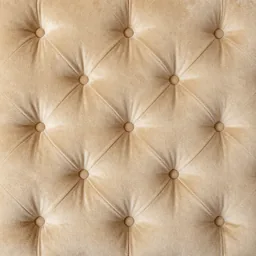
A phone screen distorts fabric colour more than you'd think. So samples are viewed at home, in the room where the piece will stand, and twice: by the window in daylight and in the evening under your own lamps. Warm light turns grey beige. Cool light turns sand into dirty grey. If a new armchair is made for a sofa that is five or six years old, compare it with the fabric on the underside of a cushion rather than the seat, which has long since faded and worn. Custom upholstered furniture lets you go through as many samples as you need, and we bring them to the measurement visit. Does the shade work? Your own light and your own room decide. The 3D design in 1–2 days shows the piece next to the rest of the furniture, but the colour on it is screen colour, so the final choice is still made with a sample in your hand. A new piece goes with the old ones when four things match: the shade in your light, seat height, legs and texture.
Upholstery for sun, dry air and easy care
Fabric isn't chosen by colour and softness alone. In Almaty upholstery has to cope with bright sun, dry air in the heating season and dust, and that is worth thinking about before ordering.
Fading by the window
Abrasion resistance shows how much rubbing a fabric can take; lightfastness shows how much sun. They are different figures. A fabric with an excellent Martindale rating can fade in a stripe by a south- or west-facing window within a couple of summers, especially in rich blues, emeralds and terracottas. Dye lightfastness is rated on a scale of 1 to 8, known as the blue wool scale. The higher the score, the longer the colour lasts. For an armchair or chaise by a window we ask the supplier for a high-scoring reference and show you the fabric data sheet. Simple things help too. Net curtains in the daytime. Removable cushions you can turn over. In Almaty custom upholstered furniture often stands by a large, bright window, so we ask about sun at the measurement visit, before the fabric is chosen.
How to clean different upholstery
How to clean different upholstery| Upholstery | Do | Don't |
|---|
| Velour | vacuum with a soft nozzle, damp brush along the pile | rub against the pile, soak it through |
|---|
| Matting | vacuum, soapy water, blot the stain | bleach, stiff brushes |
|---|
| Bouclé | dry cleaning, upholstery foam | brushes that pull the loops |
|---|
| Faux leather | damp cloth, mild soap | alcohol, solvents, placing right against a radiator |
|---|
| Genuine leather | dry cloth, leather care product twice a year | lots of water, direct sun |
|---|
Dust and dry winter air
In winter radiators dry the air. Velour or chenille pile builds up static and attracts dust, and dust works into upholstery faster than you'd expect, so over a season a light seat turns grey without a single stain. Hence a simple rule. Vacuum the upholstery once a week with a soft nozzle, and blot a stain straight away instead of rubbing it. A humidifier helps twice over: the fabric builds up less static, and wooden legs and armrests don't dry out. For poufs, benches and cushions the most practical option is a removable zip cover that goes to the dry cleaner while the piece stays at home. Decide on the cover at the design stage, because a zip can't be added to the upholstery later. Fabric by the window is chosen for lightfastness; everything else comes down to weekly dusting and the cleaning method that suits that particular upholstery.
Upholstered furniture for clinics, cafés and offices
In a waiting room, coffee shop or meeting room dozens of people sit in one chair every day. The requirements differ from home, and they start with cleaning and wear, not softness.
How commercial furniture differs from home furniture
- Upholstery: faux leather or treated fabric that can be wiped with disinfectant without stains or streaks.
- Abrasion resistance: public spaces use fabrics from 50 000 Martindale cycles, because the wear is many times higher than at home.
- Seating: a higher, firmer seat of about 46–48 cm, so a patient or a guest in a coat can get up easily.
- Seams: double stitching and piping along the edges that rub against bags and knees.
- Supports: legs with glides or metal bases that don't scratch tiles and can take chairs being moved every hour.
One fabric batch for the whole order
Custom upholstered furniture for a business is rarely a single piece: it might be six armchairs for a waiting area or small sofas along a café wall. Here's the trap. The same fabric from different rolls can differ by half a shade because it is dyed in batches, and under bright lighting every visitor notices. So fabric for the whole order comes from one batch, with some extra for repairs. If you need to add pieces later, the sample is compared with the furniture on site, not with the catalogue. We work by bank transfer and issue a contract with a specification and an acceptance certificate: 50 % prepayment, the balance after the certificate is signed. In a public space upholstered furniture is chosen for wear and cleaning first, and only then for softness.
What to ask the maker before signing
Upholstered furniture from a manufacturer and from a store can look the same, while the difference hides under the upholstery. What protects you is a contract that records everything you can't see.
What to put in the contract
- Dimensions: overall size, seat height and depth, back height — in centimetres, not "like in the photo".
- Fabric: collection name, reference and colour, so the supplier can't swap in something similar.
- Filling: type and density of PU foam for the seat and back, and whether there is a spring unit.
- Frame: material and thickness of the main parts and how the legs are fixed.
- Lead time: the number of days from contract to delivery and what happens if it's late.
- Handover: the certificate the piece is checked against and the warranty terms.
What to look at in the workshop or showroom
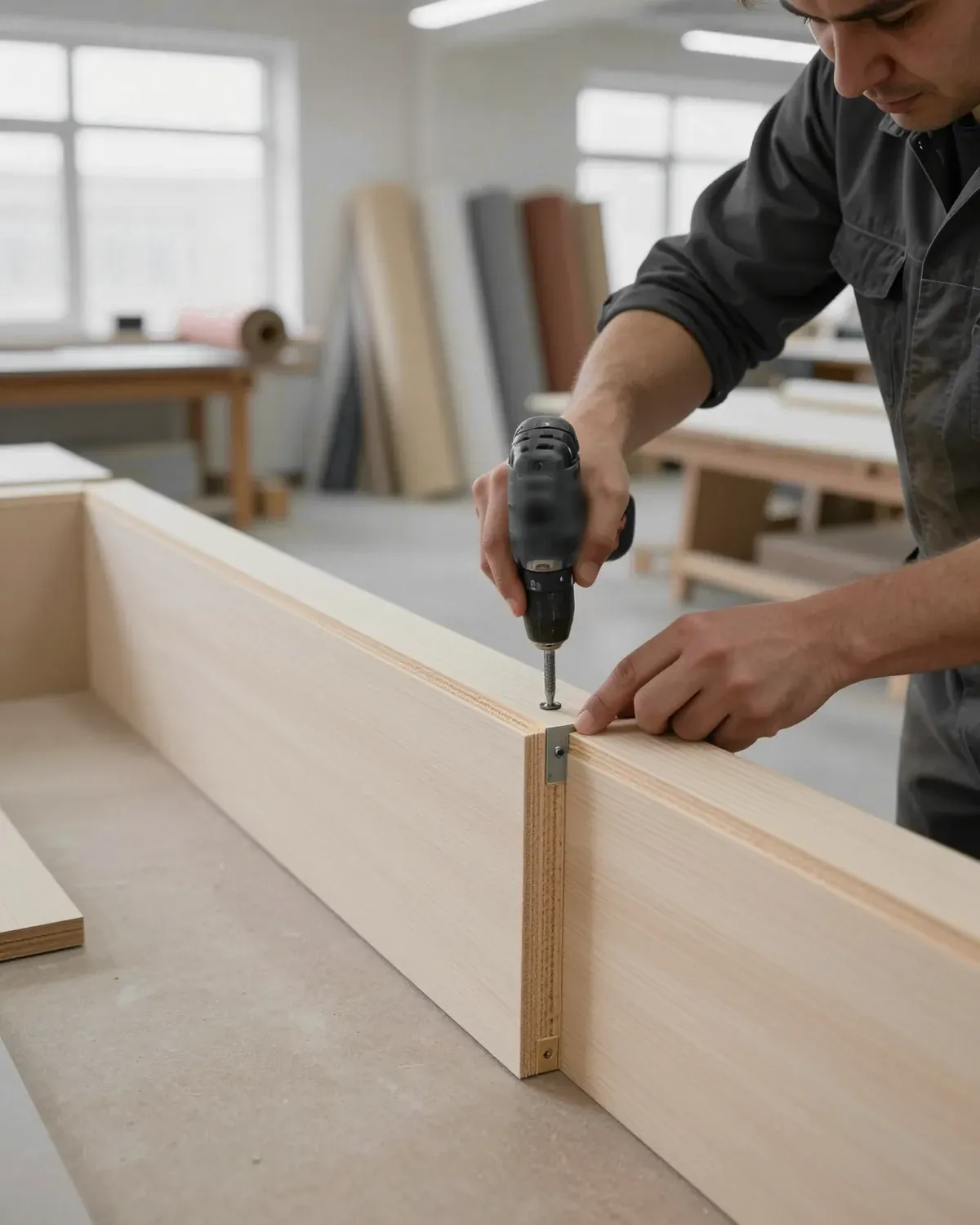
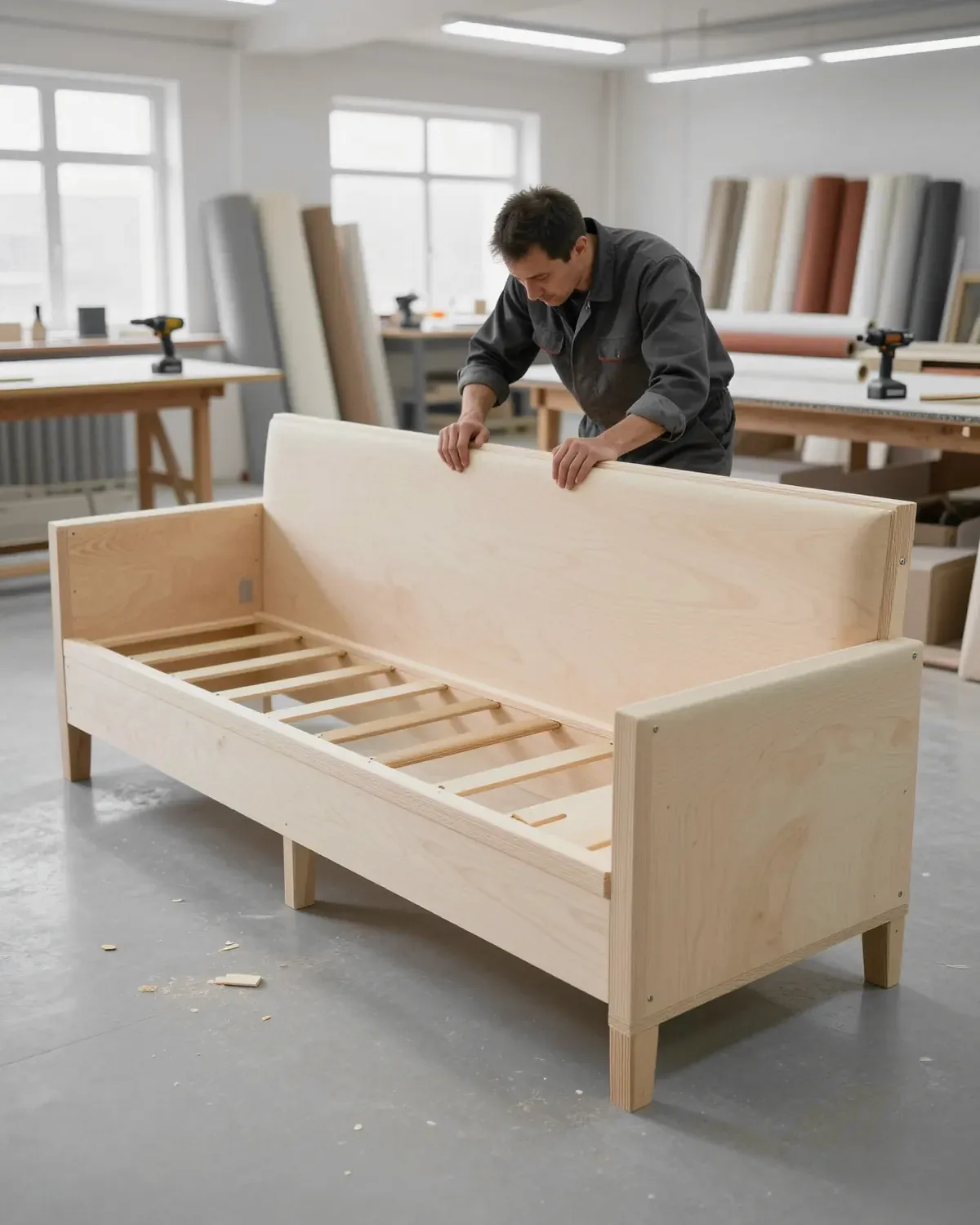
- A frame without upholstery: joints glued and screwed with no gaps, timber in the seat frame and under the legs.
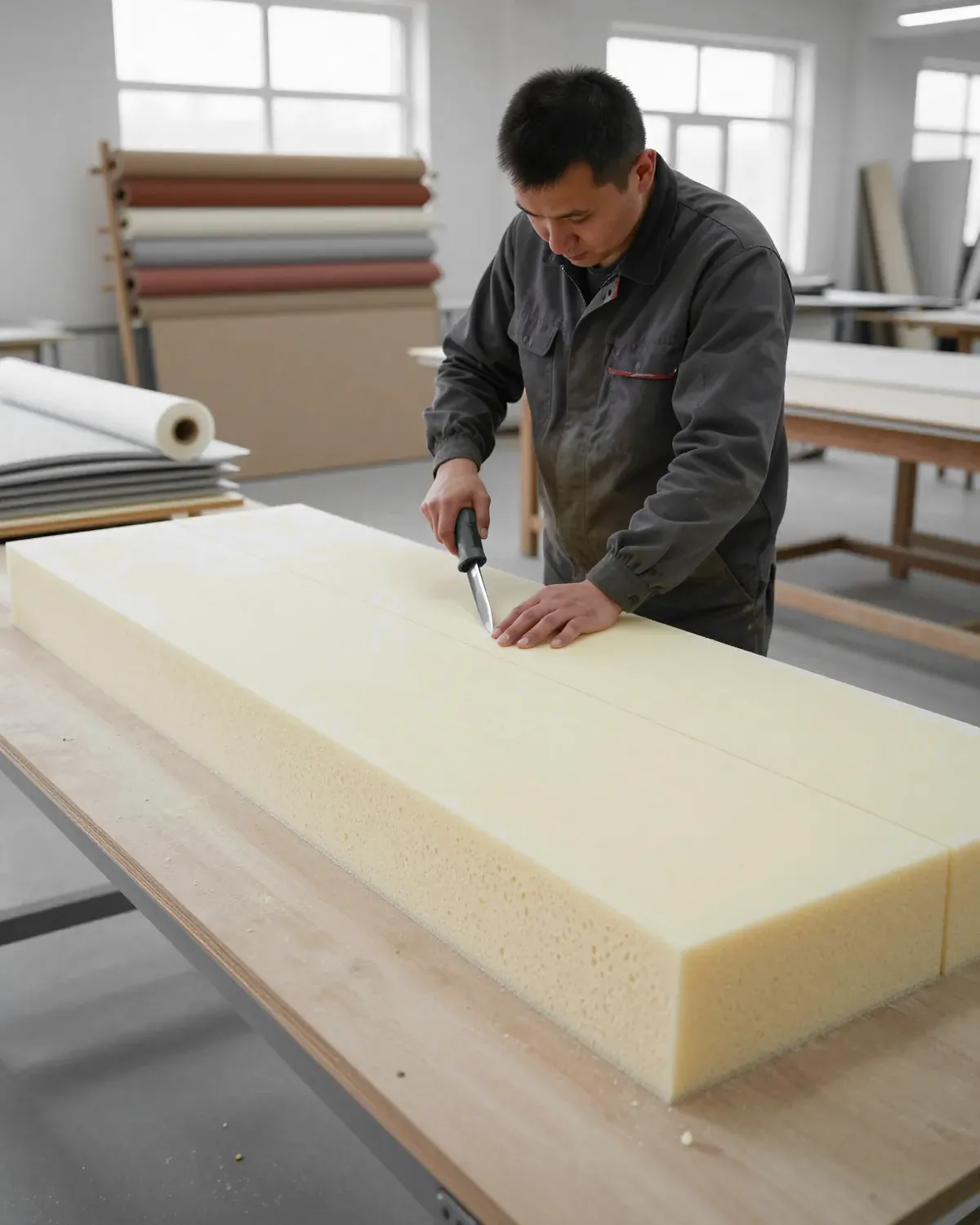
- A foam cross-section: dense PU foam springs back immediately after pressing; loose foam crumbles at the edge.
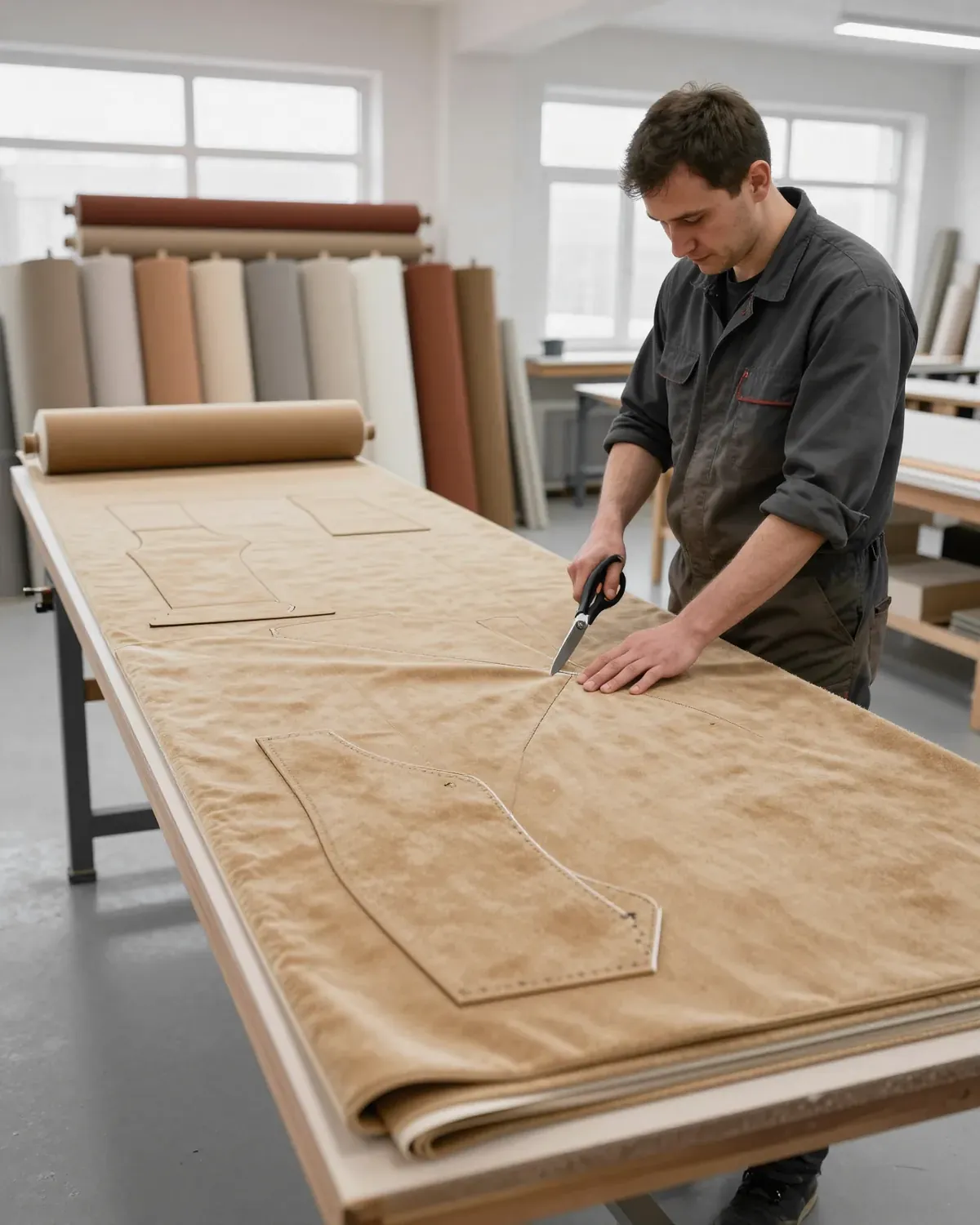
- The fabric data sheet: Martindale abrasion rating and composition, plus lightfastness for fabric by a window.
- Finished pieces before dispatch: even stitching, the pattern lined up on seat and back, legs with no play.
How to tell a workshop from a middleman
A real maker has an actual workshop you can visit to see frames before they are upholstered. A middleman takes the order in a store and passes it to someone else's workshop. That is where "I'll check" in answer to a question about foam density comes from, along with deadlines that slip without explanation. Ask directly: where is it made, and who will fix it in a year? A good answer is short. "Right here." Our custom upholstered furniture is made in our own 600 m² workshop in Almaty, with more than 3 500 projects behind us, and reupholstery and warranty repairs are handled by the same workshop that made the piece. A contract for upholstered furniture protects you only if it records the dimensions, the fabric reference, the filling density and the lead time.
What wears out first and when to reupholster
An upholstered piece ages in layers: fabric first, then foam, and the frame last. Which layer gives out first tells you whether a repair will do or it's time for a new piece.
Signs of wear by layer
Signs of wear by layer| Sign | What has worn | What to do |
|---|
| Worn armrests, a faded stripe, snags | fabric | reupholster in new fabric |
|---|
| A dip in the seat, the edge won't hold its shape | foam (PU) | replace the filling and reupholster |
|---|
| Creaks when you sit, the piece rocks | frame joints | strip down, re-glue and reinforce the frame |
|---|
| One leg wobbles | leg fixing | a new threaded insert or leg |
|---|
What to check before reupholstering
- Frame: sit down, lean back and rock — creaks and play mean the frame needs repairing first.
- Legs: fixed without wobble, otherwise they are replaced along with the upholstery.
- Size: the piece still fits its spot and will go through the doors if a move is coming.
- New fabric: whether it suits the sun, children and pets in your home.
Reupholster or order new
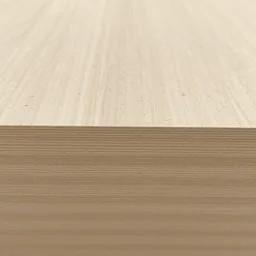
The seat almost always tires first, then the armrests that hands and elbows rub every day. A plywood and timber frame outlasts both. It's a shame to throw out an armchair because of worn fabric. If the frame is sound and the size still works, the piece is reupholstered with new PU foam and sits like new — details on the furniture reupholstery page. What reupholstery can't fix is the original mistake. A seat that is too deep. A bench that doesn't fit the niche. An armchair that won't go through the doors of a new flat. In those cases it makes more sense to have custom upholstered furniture made to the new dimensions, and the old piece can be reupholstered and sent to the dacha. Reupholstery makes sense while the frame is sound and the piece fits; if the size is wrong, you need a new one.
Upholstered furniture in brief
Five points worth keeping in mind before the measurement visit and before you sign.
The essentials before ordering
- When to order: custom is worth it if a ready-made piece doesn't fit in size, seating position or fabric.
- Seating: seat height and depth are chosen for the height of whoever sits most; for a kitchen corner seat, 25–30 cm below the table.
- Measuring: besides the space in the room, measure the way in, and solve a narrow opening with removable legs, a bolt-on back or modules.
- Fabric: choose the shade from a sample in your own light; by a window, high lightfastness; for public spaces, from 50 000 cycles.
- Contract: custom upholstered furniture is protected only if the contract records the dimensions, fabric reference, filling density, lead time and handover terms.