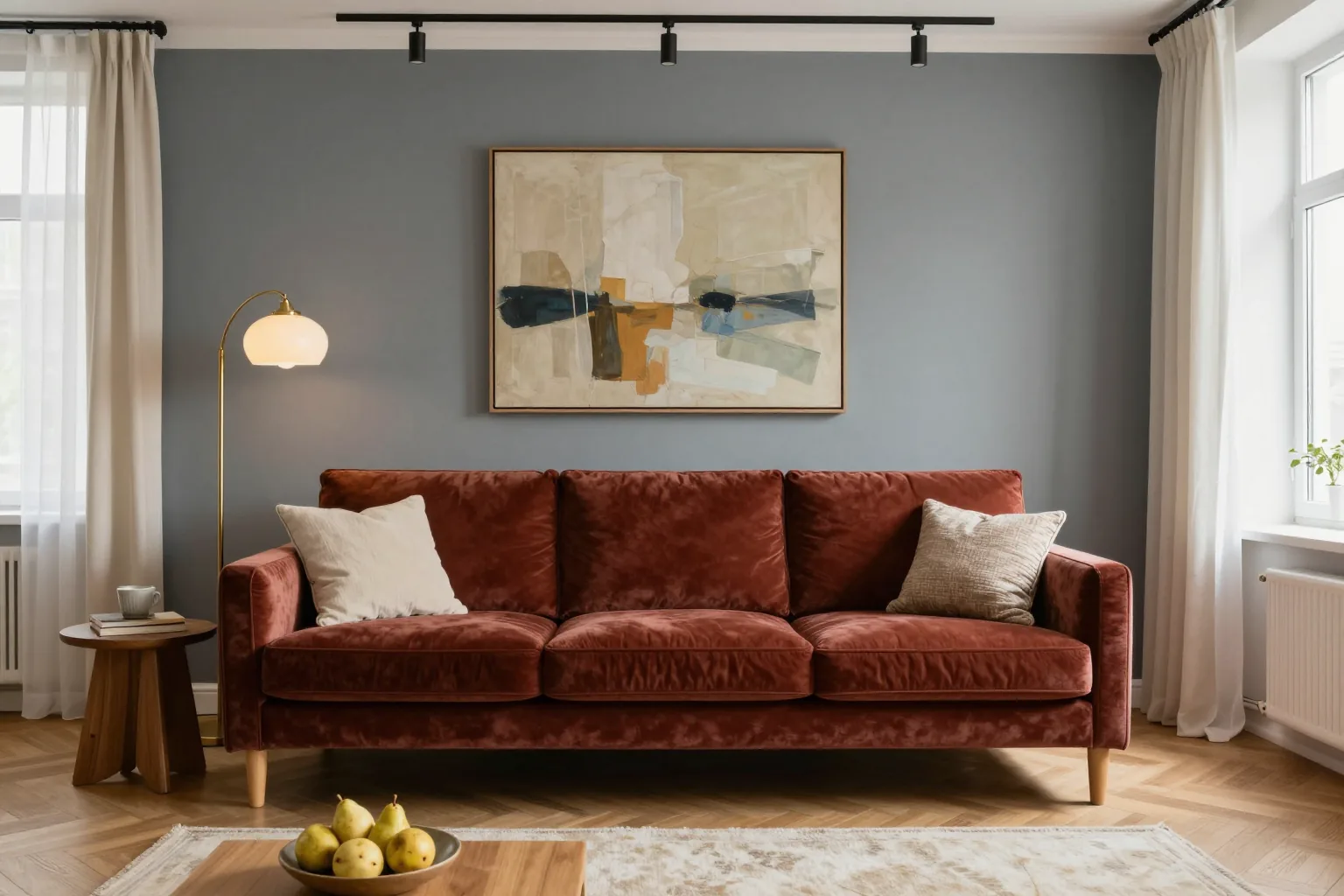
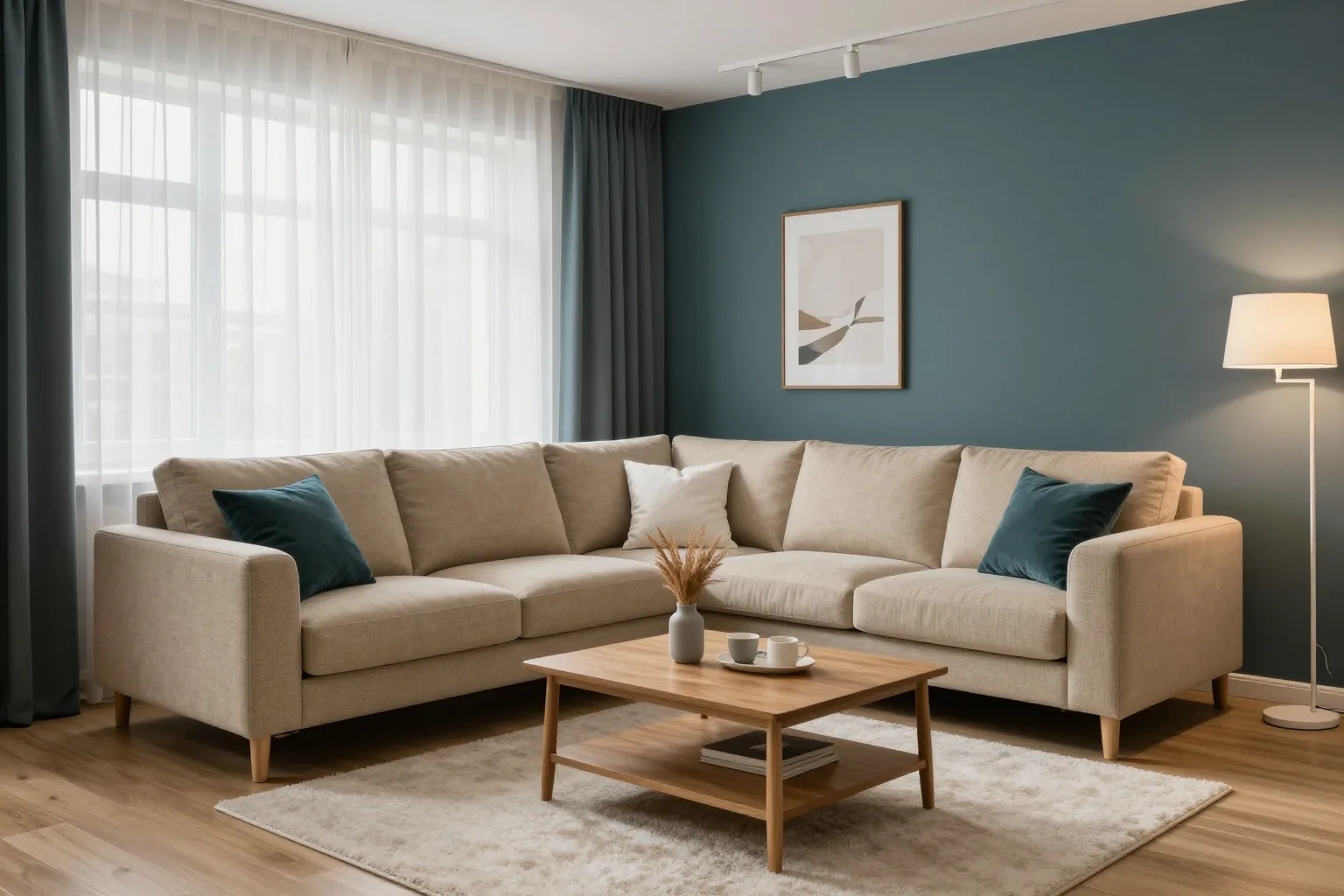
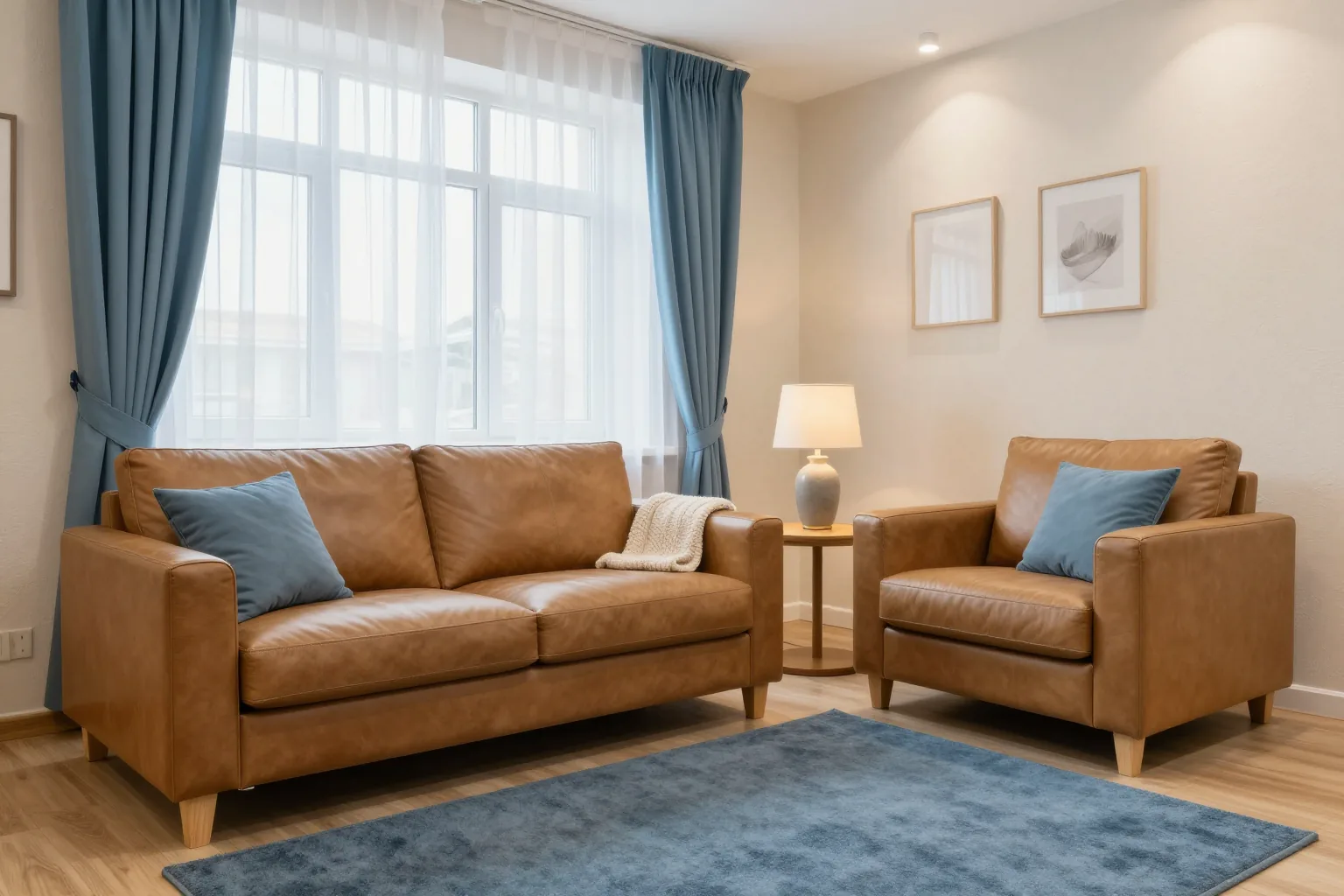
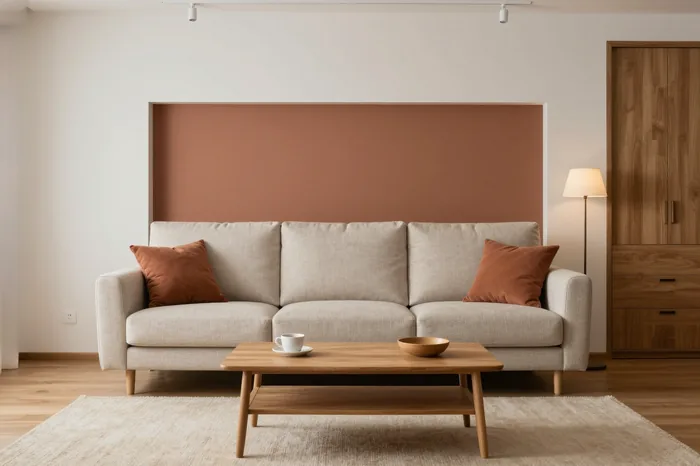
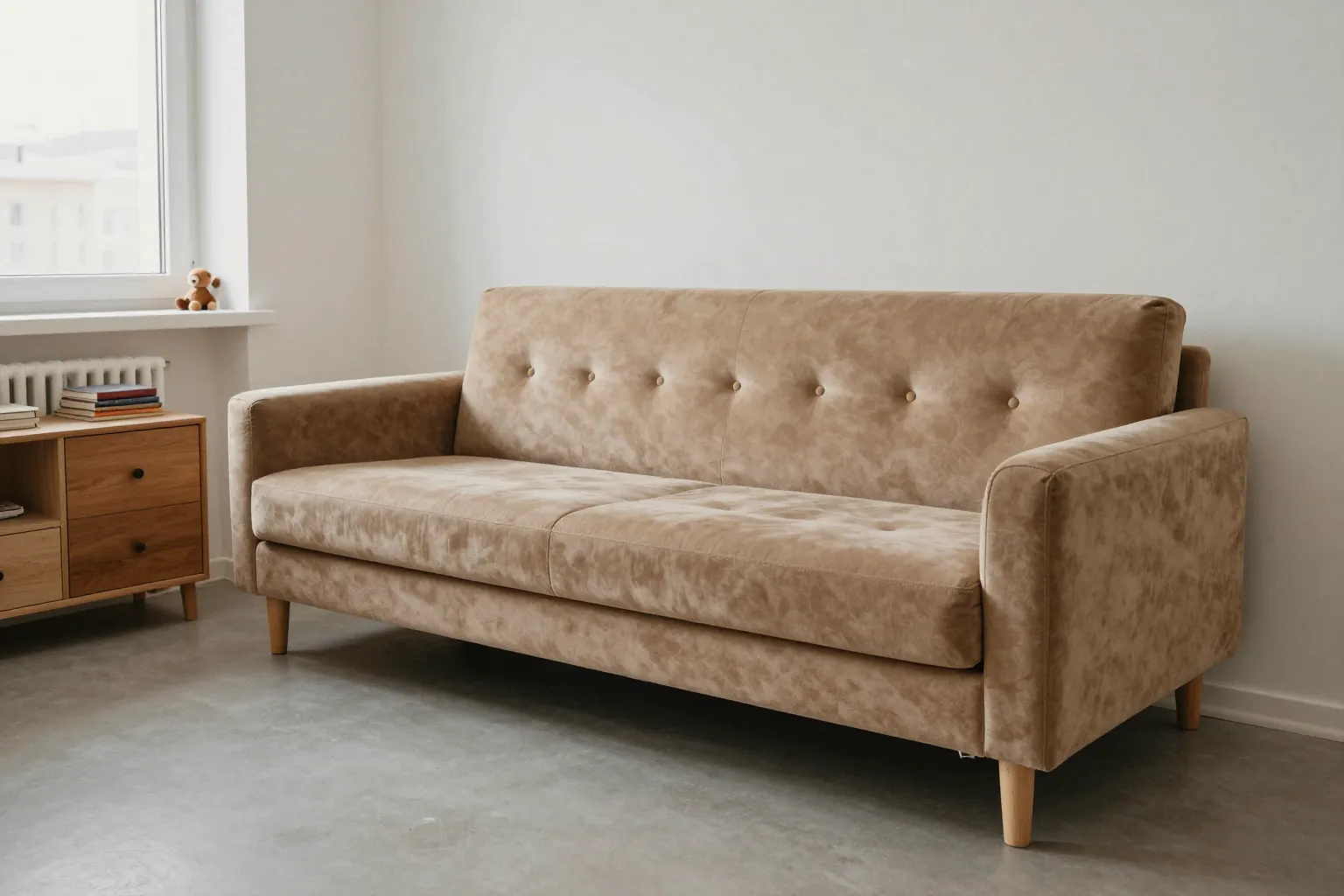
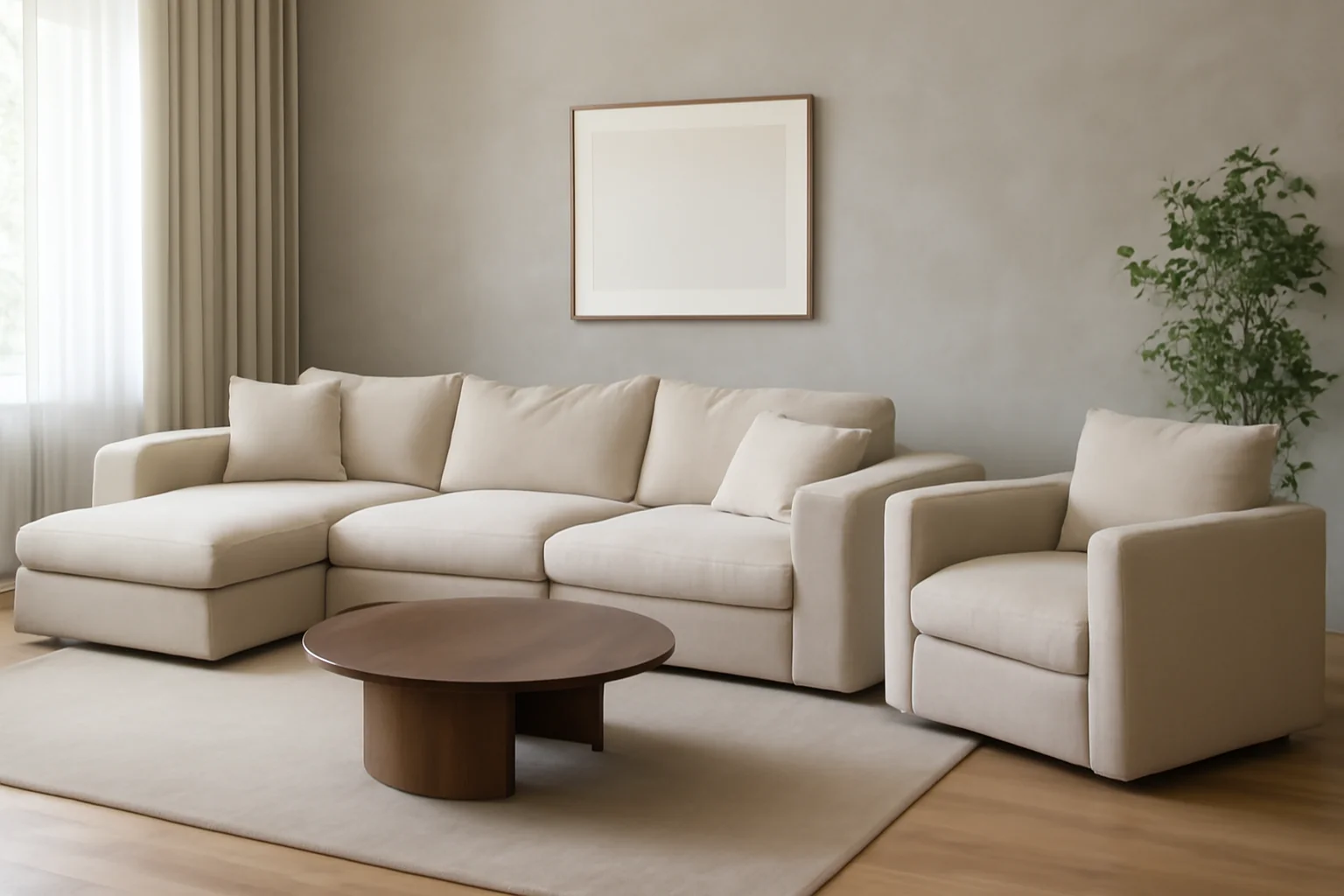
A custom sofa from MEBLIX is built to the exact measurements of your room in our own 600 m² workshop in Almaty — from a free measuring visit and a 3D design in 1–2 days to installation by our own crews. The frame is 18 mm birch plywood and kiln-dried timber, the filling is PU foam at 25–40 kg/m³ with an independent spring unit, and every sofa carries a 24-month warranty under the contract.
A made-to-order sofa starts with measuring a real room rather than picking a model off the shop floor. Here is the sequence of stages and what happens at each one.
What the free measuring visit includes
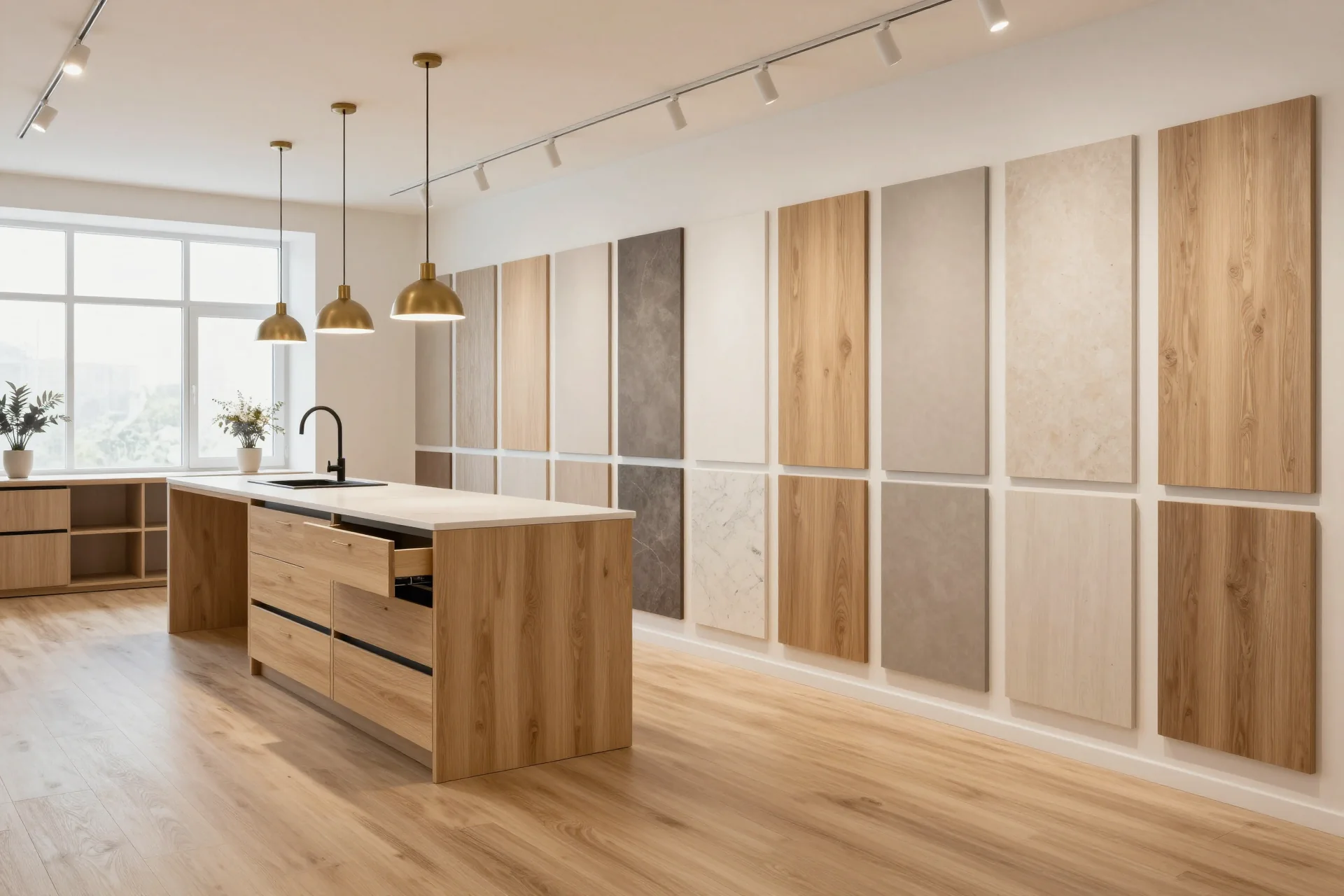
The measurer comes to your home free of charge and brings fabric samples, so you can choose the upholstery right next to the wall where the sofa will stand. On site they measure the room, check how the doors open and where services run, and rule out straight away any option that physically won't fit through the doorway. The showroom holds 120+ fabrics — matting, velour, chenille, bouclé, anti-scratch microfibre, faux leather and genuine leather — and some of them are better judged in the light of your own room than under showroom lamps. The measurer records not only length and width but also uneven walls and openings, so clearances go into the design from the start instead of the sofa being adjusted on site.
How the 3D design is approved
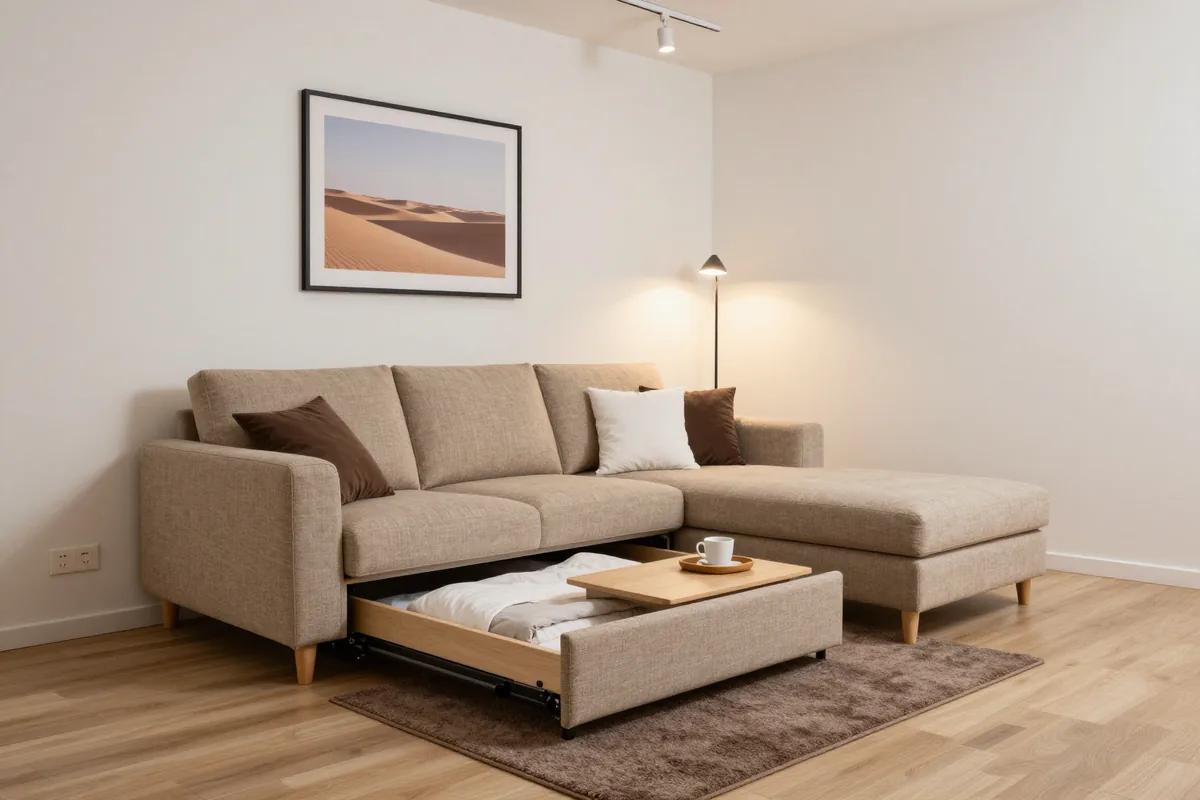
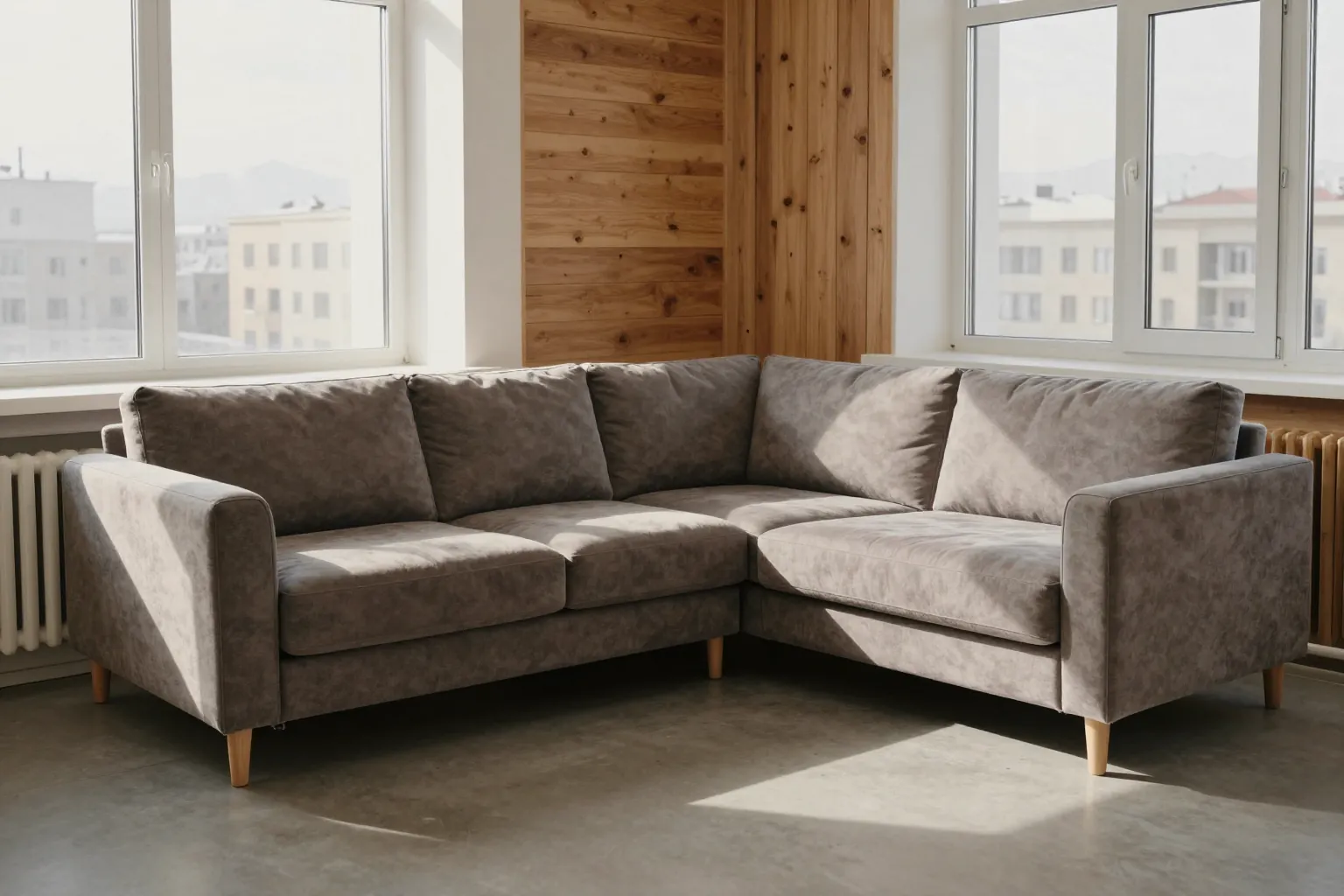
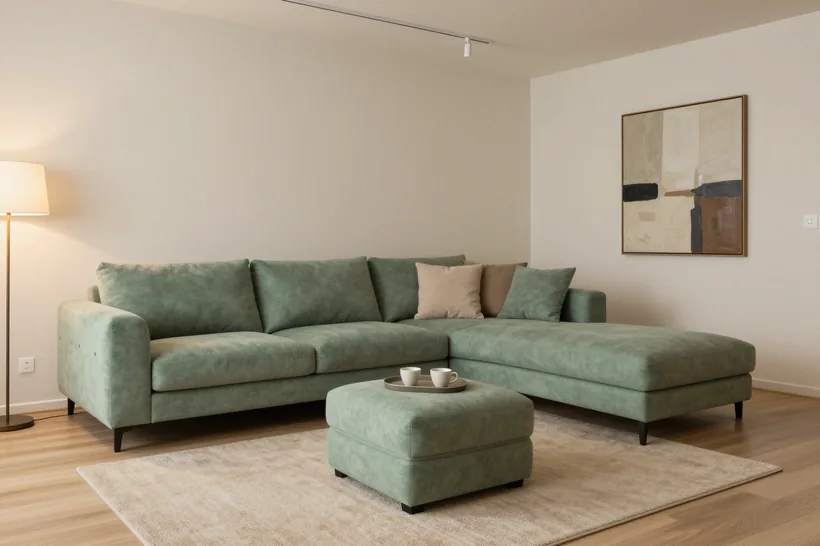
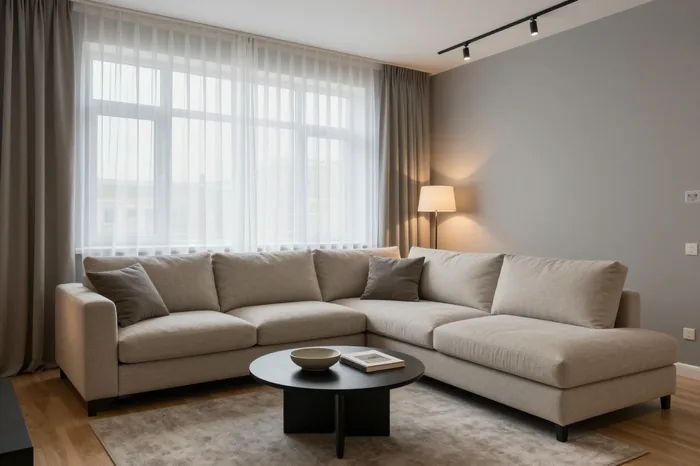
We prepare the 3D design in 1–2 days, and nothing goes to the workshop until you have seen the shape, dimensions and fabric on screen. The visualisation shows how a modular model is assembled from sections and how much floor space it takes when unfolded into a bed. Corner options are easiest to test against the layout at this stage: you can see where the long side goes and whether it blocks the way to the balcony.
Installation and acceptance
Our own installation crew assembles the sofa, and the acceptance certificate is signed once the furniture is in place and the mechanism has been tested. The crew levels the frame, joins the sections of a modular model, fits the covers and runs the fold-out mechanism several times in a row. At acceptance you check the seams, the fit of the upholstery and how the mechanism runs — the same points we check before packing. The balance is paid after the certificate is signed, not before unloading.
Construction and materials in numbers
A sofa's strength comes from its frame and filling, not from the fabric you see first. Here is what we build it from and which parameters keep it from creaking or sagging.
What the frame is made of and why it doesn't creak
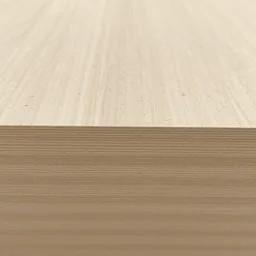
We build the frame from 18 mm birch plywood and kiln-dried timber and check every joint before upholstery, so creaks from loose joints are eliminated during assembly. Timber is sorted for moisture before cutting: a damp blank shrinks after upholstering, and then the fixings start to work loose. 18 mm plywood keeps its geometry under load — seats don't bow, the back doesn't lean and the corners stay square. A thin frame of chipboard or 10–12 mm plywood warps over time, and the sofa starts to rack, first along the diagonal and then at every joint.
PU foam and an independent spring unit
For the filling we use PU foam at 25–40 kg/m³ and an independent spring unit, which spreads the load point by point and stops the seats sagging with daily use. Foam below 25 kg/m³ doesn't hold its shape for long: it compresses within a few months and leaves a hollow in the seat that can't be levelled out. In an independent unit each spring sits in its own pocket and compresses only under the part of the body pressing on it. That is why two people sleeping side by side don't feel each other move, and the edge doesn't give way when someone sits on it. For a sofa slept on every night, reserve density matters more than softness in the first months: a filling that feels lovely in the showroom is often the one that loses height fastest.
What we check before packing
Before packing we check the seams, the fit of the cover and the action of the mechanism, so your order leaves the workshop already inspected rather than needing work on site.
- Cover fit: checked on the assembled sofa, because a crooked seam is invisible on cut fabric but obvious on the finished piece.
- Corners and joins: if the fabric pulls or puckers anywhere, we re-sew it before packing.
- Mechanism: run in both directions several times; unfolding and folding must be smooth, with no jerks or sticking.
- Engineer's inspection: only then is the sofa packed, whether it is a compact settee or a large modular piece.
A sofa for an unusual size or layout
Ready-made furniture rarely matches a real room, where walls are not square and the doorway is narrower than the showroom sample. This is how a custom piece closes those gaps without rework or adjustments on site.
A sofa that fits the room exactly
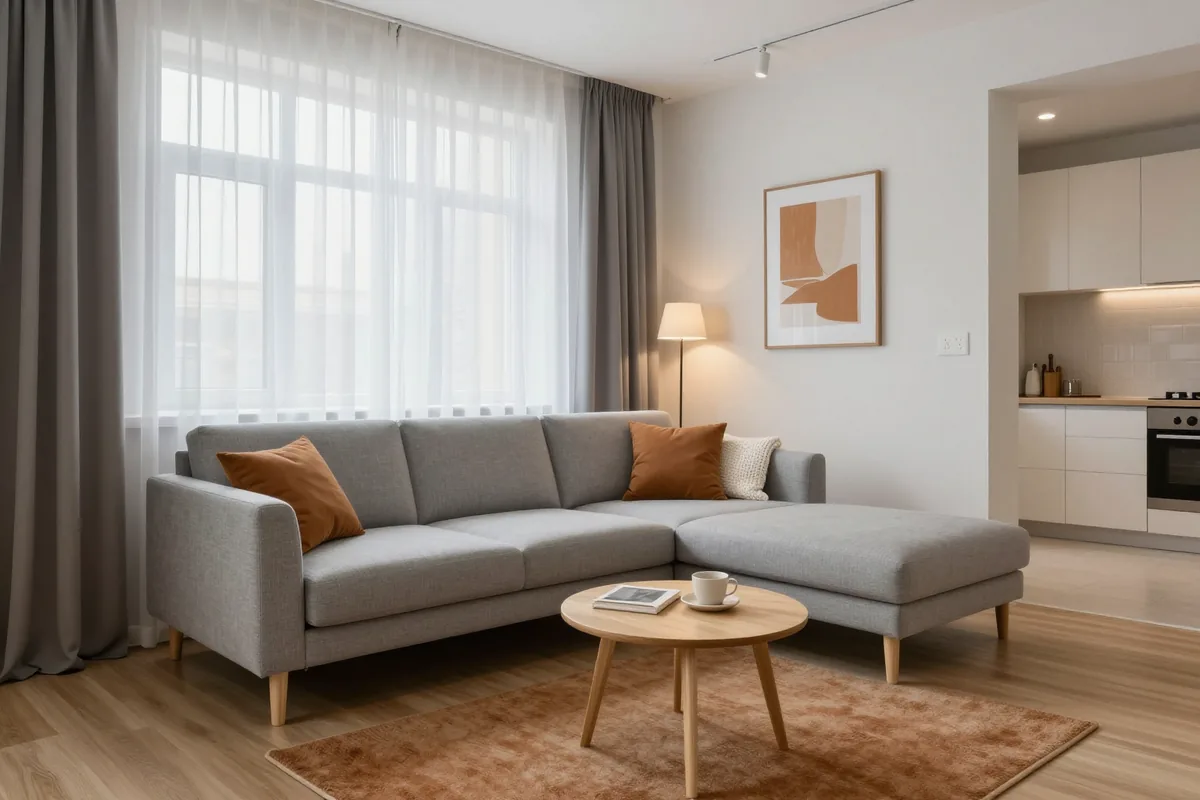
We make upholstered furniture to individual measurements, so the sofa runs from wall to wall without gaps and doesn't block the walkway. Besides length and depth, the measurer records projections, niches, socket positions and any slope or curve in the surfaces, and all of this goes into the design before cutting. In the showroom you can sit on samples to judge seat depth, and we bring fabric samples to the measuring visit so the shade works with your wallpaper in your own lighting.
Modular and corner sofas for your layout
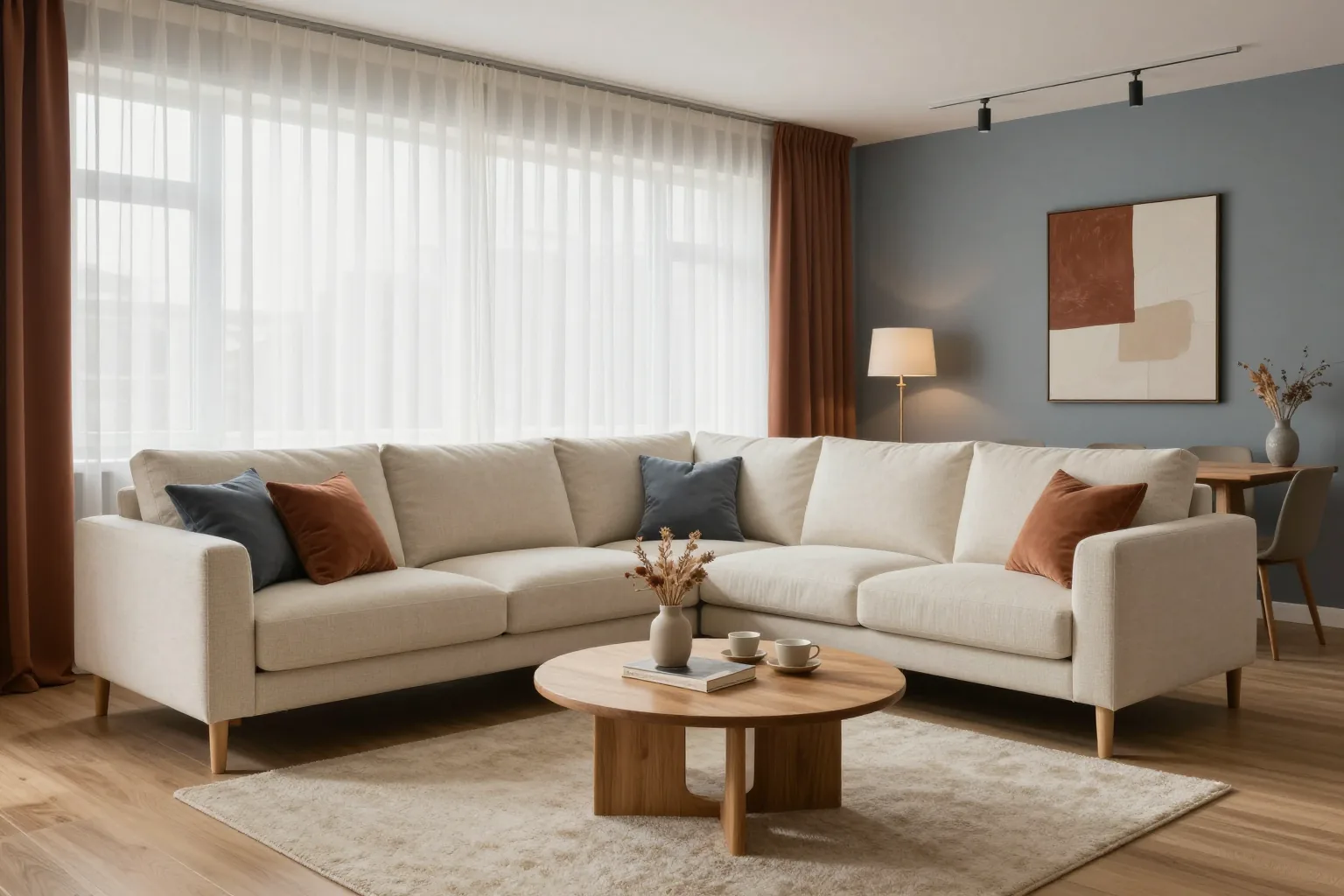
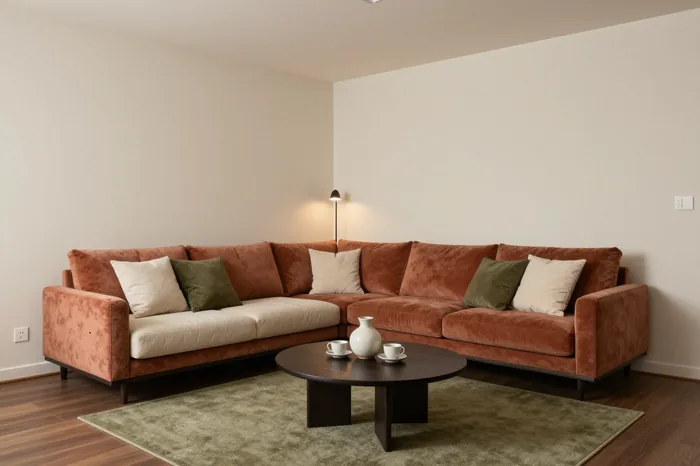
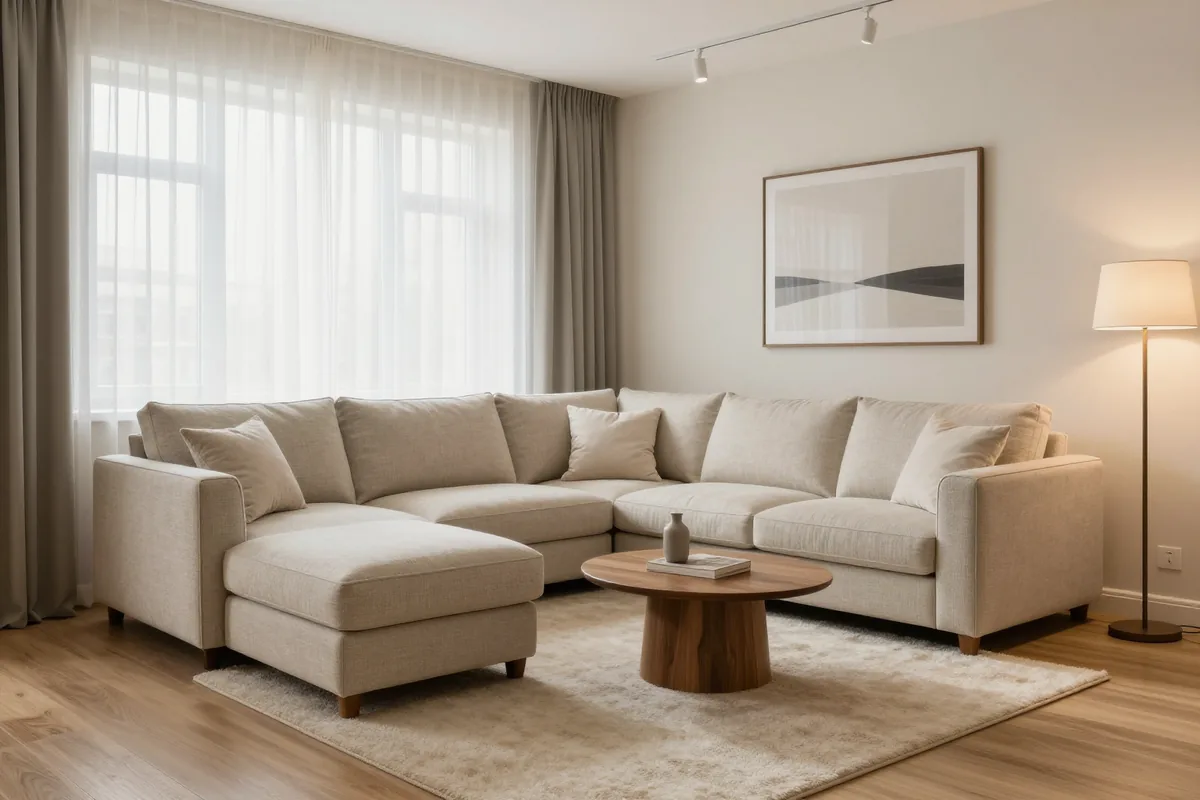
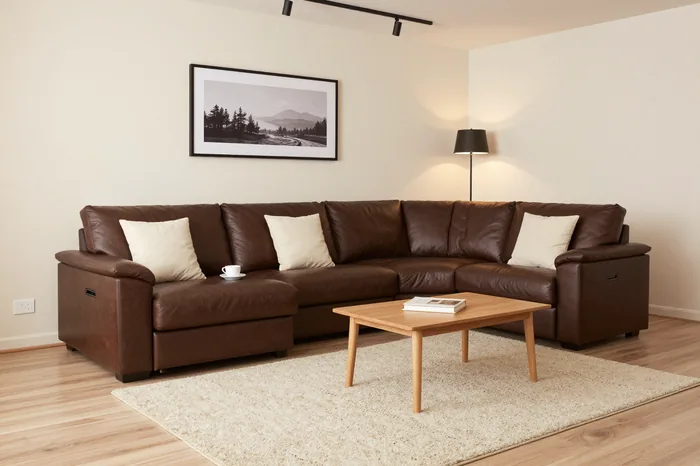
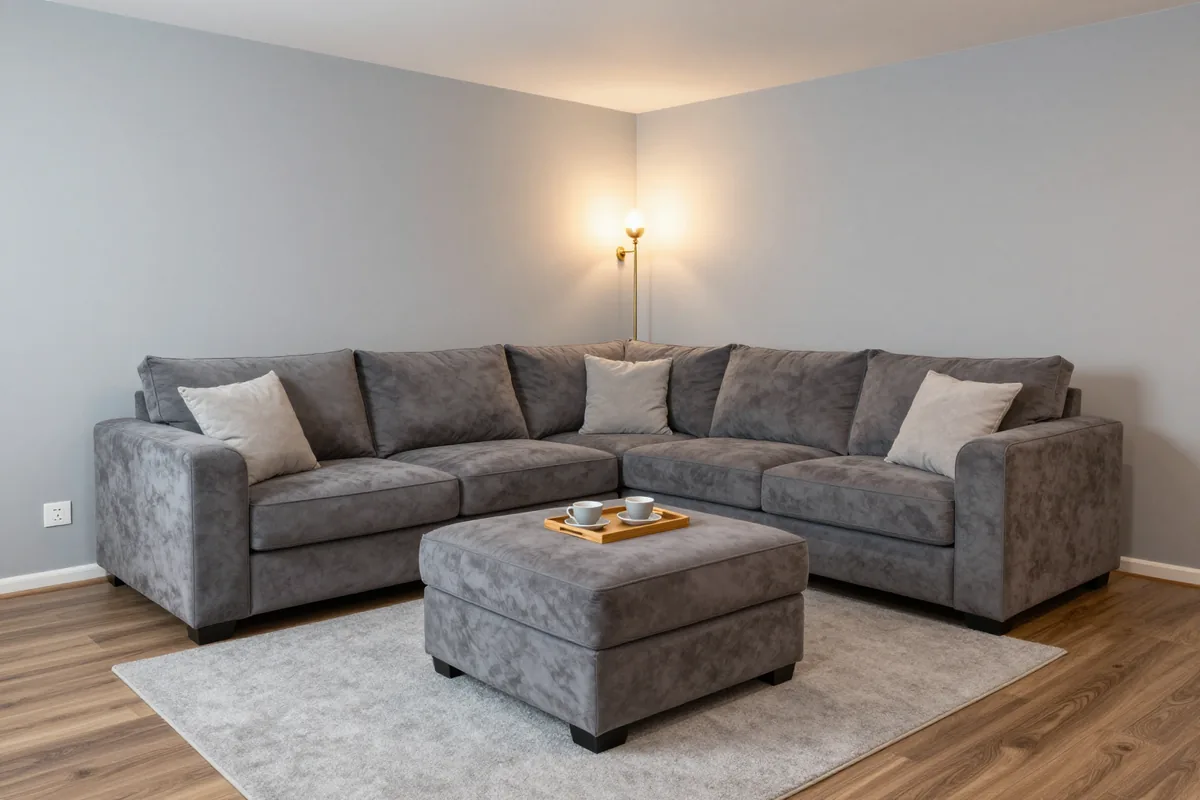
We build a modular sofa from sections to suit your living room, so the corner section can face the way you need and the blocks can be rearranged later. The sections join on a shared frame rather than decorative clips, so the seam between blocks doesn't open up under load. A corner layout closes off the turn of the room, where a straight sofa would leave dead space behind its back. If you move or replan the room, the blocks can be rearranged without replacing the whole sofa, and if one wears out, only that section is replaced.
Comparing the ranges by purpose
| Range | Which room | What it solves |
|---|
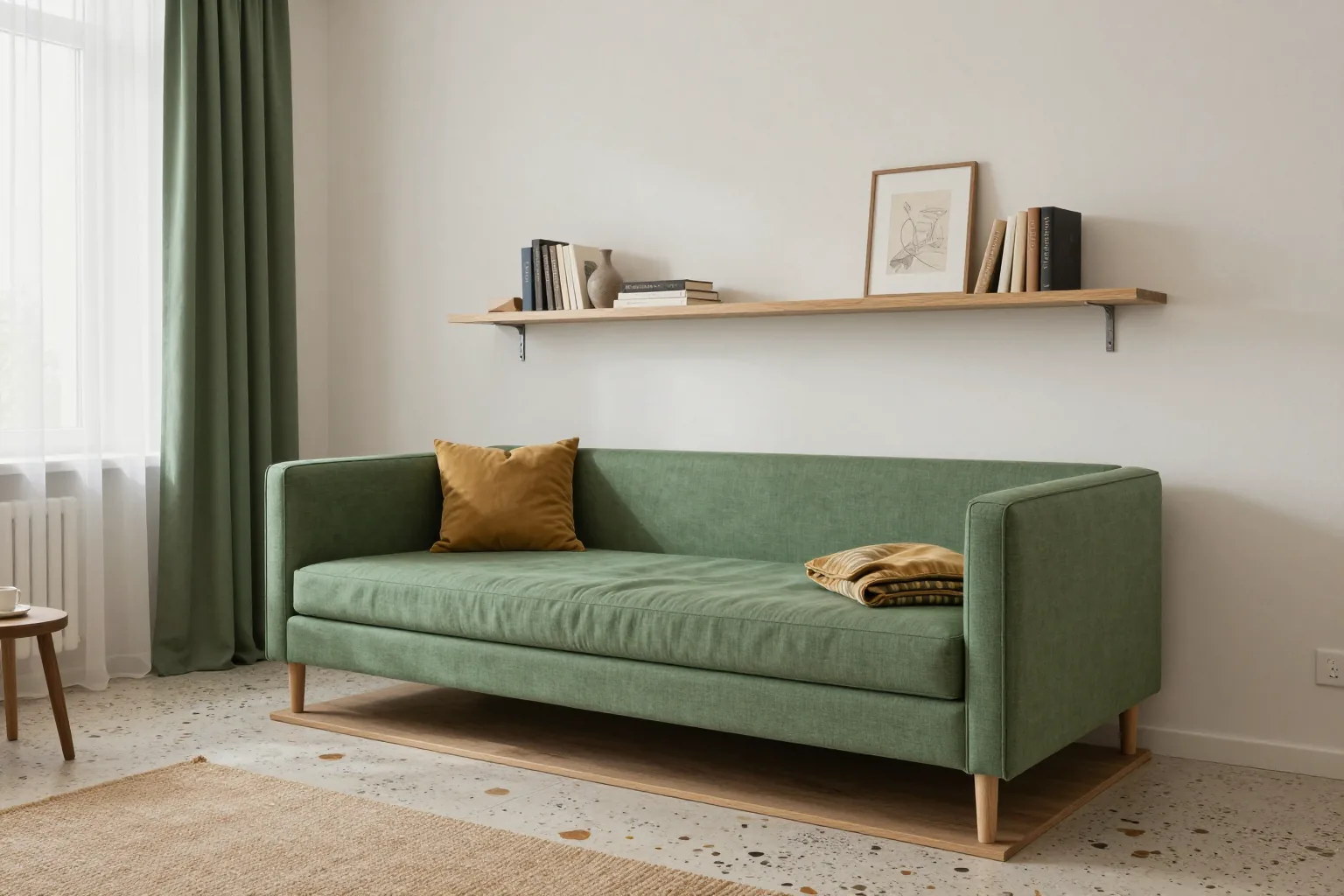
| Straight sofa | flat wall, standard doorway | a basic place to sleep and relax |
|---|
| Corner sofa | living room with a corner | saves space, zones the room |
|---|
| Modular sofa | complex layout | sections for specific walls |
|---|
| Daybed sofa | spacious living room | a wide sleeping area |
|---|
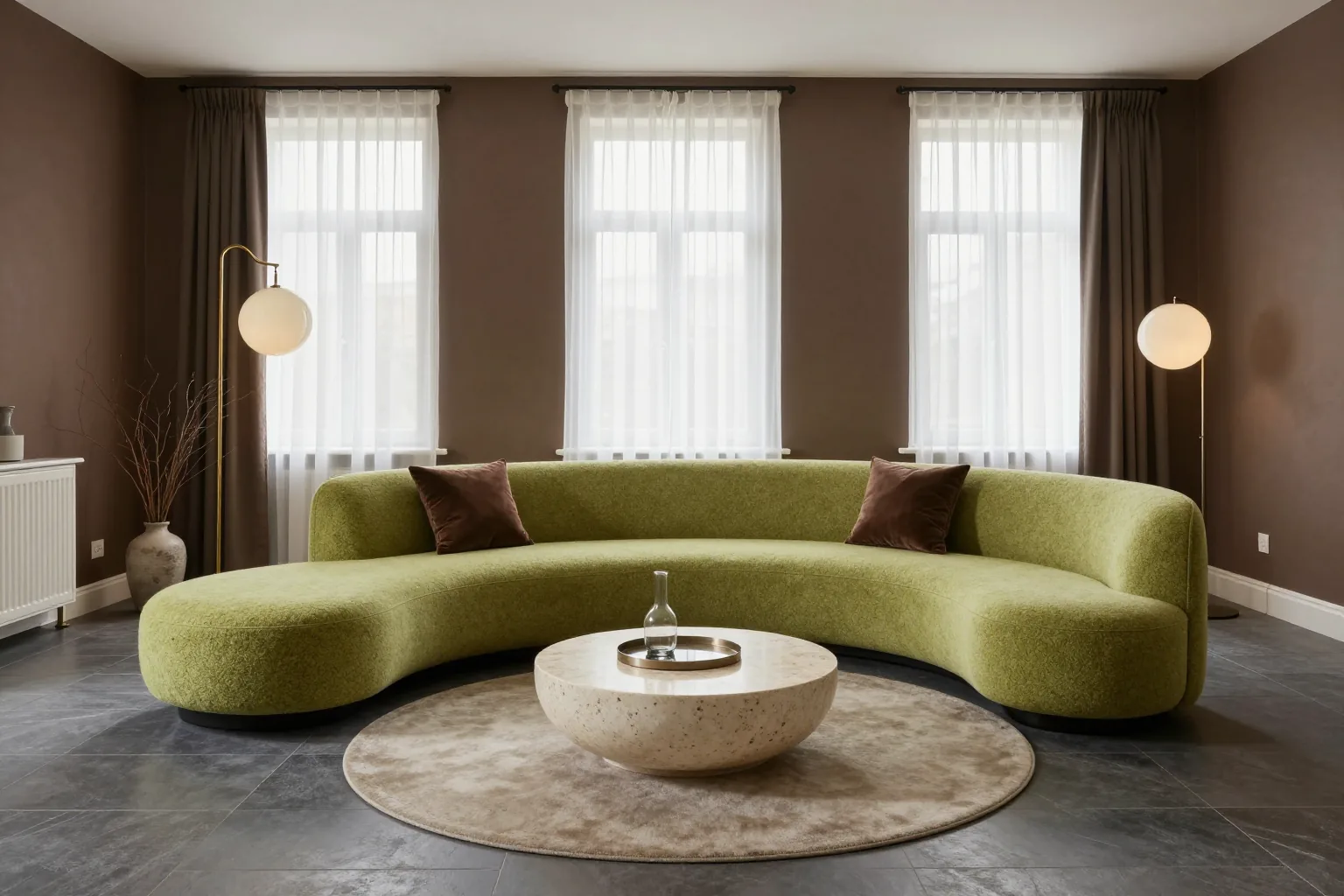
| Designer sofa | a project for the interior | non-standard shape and size |
|---|
Choosing a fold-out mechanism for how you sleep
The mechanism decides how the sofa unfolds and how comfortable it is to sleep on every night. These are the options we fit and the sleeping pattern each one suits.
Mechanisms for everyday sleeping
For everyday sleeping we most often fit a Eurobook or an accordion, because both give a flat sleeping surface and use a metal mechanism designed for constant load. A Eurobook unfolds forwards: the seat rolls out on castors, the back drops into the space it leaves, and the mattress lies as one piece with no step in height. An accordion lifts both sections towards each other, giving a wide bed of 140 to 180 cm that is comfortable for two. The dolphin is also an everyday mechanism: it rolls out and lifts up, so you don't need to leave a gap by the wall. All three are metal, on a welded powder-coated frame with no plastic inserts at the load points. If you sleep on the sofa every night, a flat surface without a "step" in the middle matters more than how fast it unfolds.
Comparing mechanisms by purpose
| Mechanism | How it unfolds | Best for |
|---|
| Book | forwards, in two parts | occasional sleeping, compact room |
|---|
| Eurobook | forwards, flat sleeping surface | everyday sleeping |
|---|
| Dolphin | forwards, with a lift | everyday sleeping, saving space |
|---|
| Accordion | forwards, wide sleeping surface | everyday sleeping for two |
|---|
Fabrics, warranty and payment
Upholstery wears faster than the frame and filling, so it is chosen for the conditions in your home, not just for colour. This section also covers how lead times, the warranty and payment work.
Which fabric to choose for a home with children and pets
For a home with a cat we recommend anti-scratch microfibre, while matting and chenille suit heavy daily use without pets — they hold their shape and are easy to clean. Velour and bouclé feel lovely but trap hair and crumbs in the pile, so in a kids' room it is better not to use them on the busiest spot. Faux leather and genuine leather wipe clean with a single cloth, but claw scratches show on them. Choose upholstery from a sample in your hands rather than a photo: density and pile don't show on screen, yet they decide how the fabric behaves after a year.
Lead times, warranty and payment
Lead times for each option are in the price list on this page, and the sofa has a 24-month warranty under the contract covering the frame, the fold-out mechanism and the seams.
- Payment: in two stages — a 50 % prepayment first, the balance after installation.
- Rush orders: possible, because the 600 m² workshop has separate sections for frames, fabric cutting and sewing covers.
- Rattan furniture: made on the same terms as upholstered pieces, with the same 24-month warranty on the frame and seams.
- Acceptance certificate: signed after installation, with the sofa already in the room; note any concerns in the certificate before paying, so fixes are handled under warranty.
The bottom line on sofas
These are the key factors that decide the result when you order upholstered furniture for a specific room, from the measured geometry to a fabric and mechanism that can handle sleeping every night.
- Measuring before choosing a model: a custom piece is designed from the room's dimensions and openings, and the model and layout are chosen after that.
- Strength in layers: a frame of 18 mm birch plywood and kiln-dried timber, PU foam at 25–40 kg/m³ and an independent spring unit hold their shape and don't sag.
- Geometry that follows the layout: unusual walls and niches call for a modular or corner design, so the sofa fits without gaps.
- A mechanism for how you sleep: for unfolding every day, choose a Eurobook, dolphin or accordion rather than a guest-only mechanism.
- Fabric for your home: upholstery is chosen with children, pets and lighting in mind, and lead times, warranty and payment terms are checked against the price list and contract before work starts.