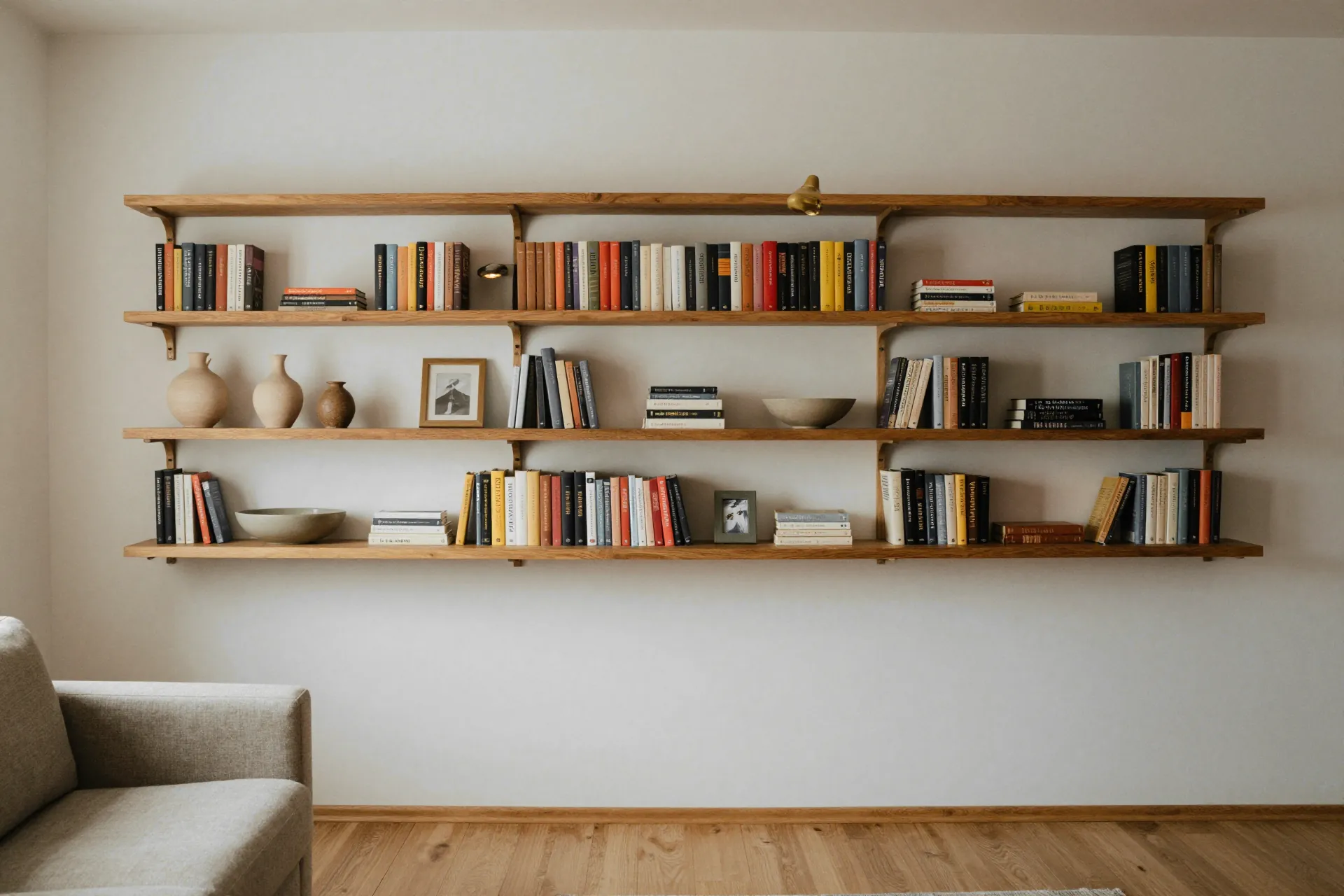
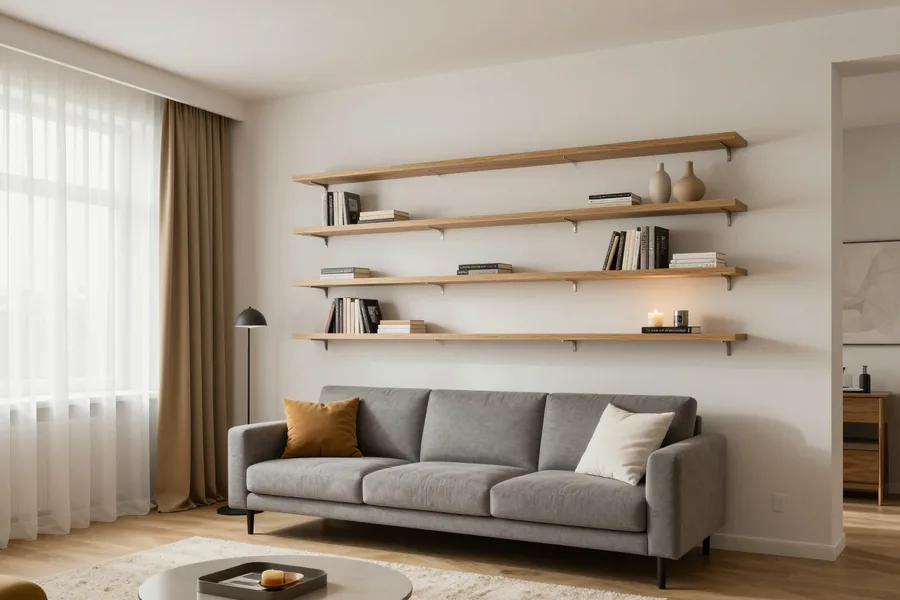
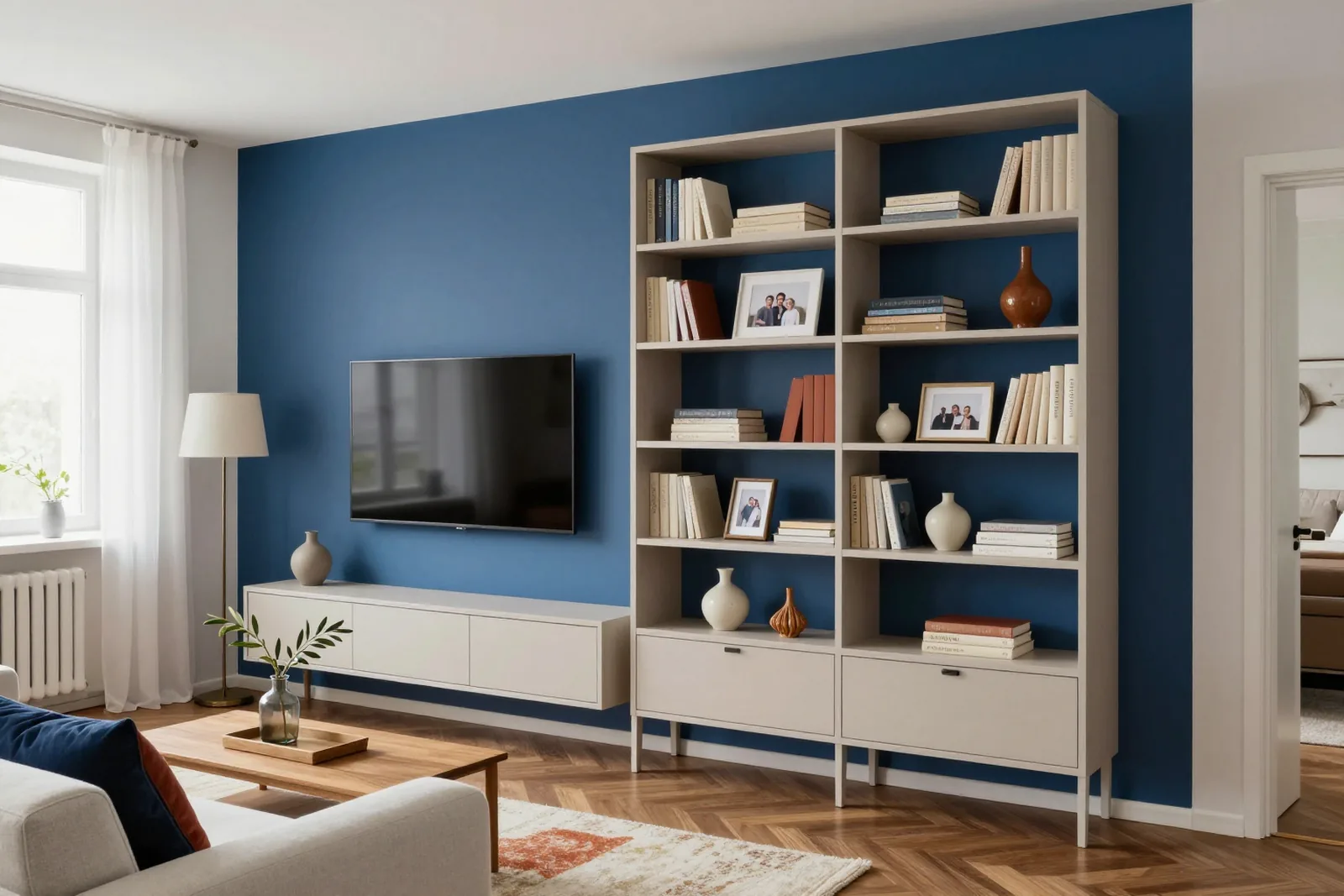
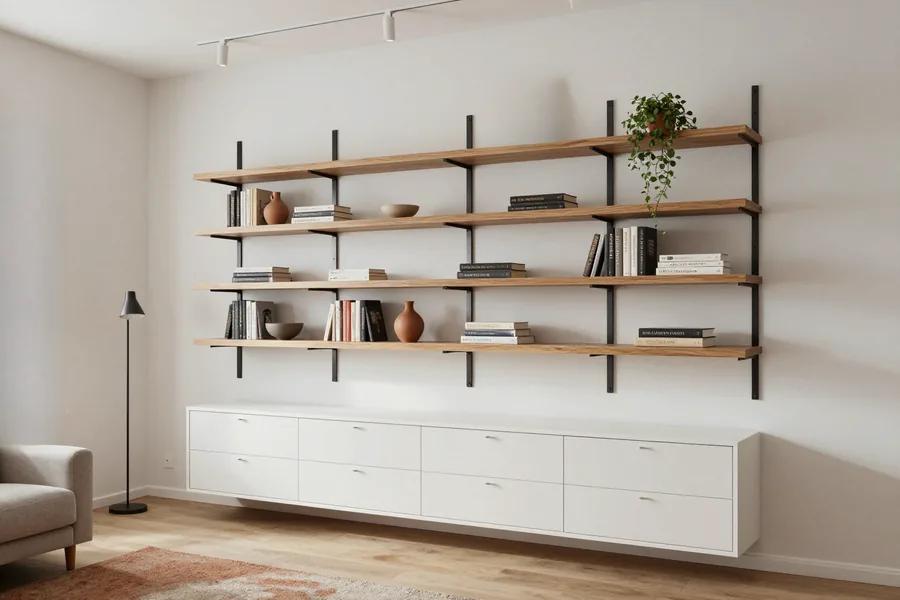
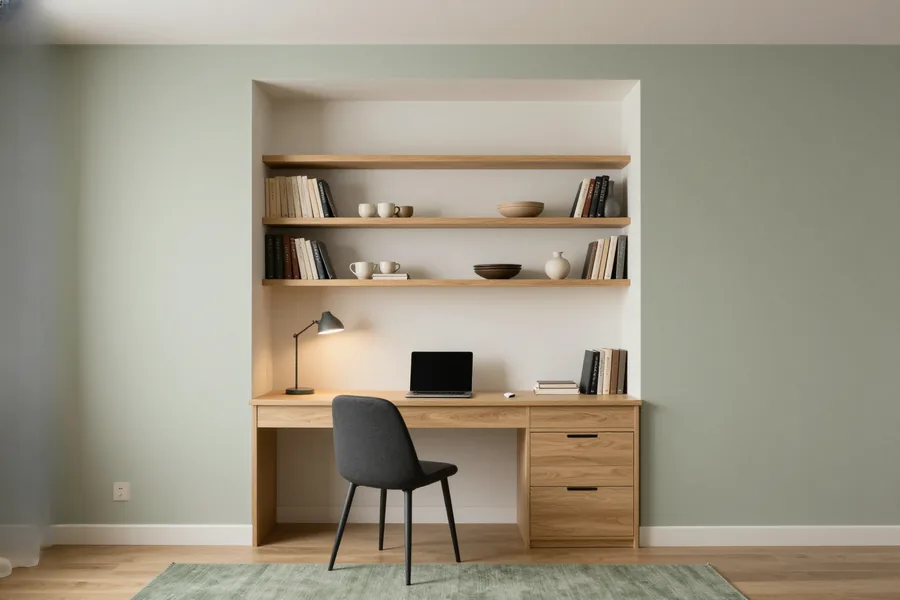
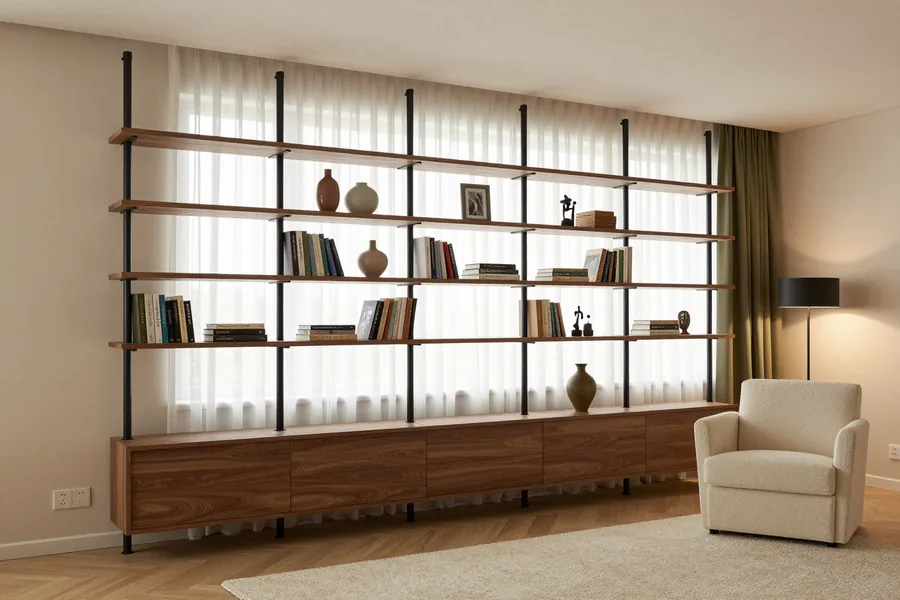
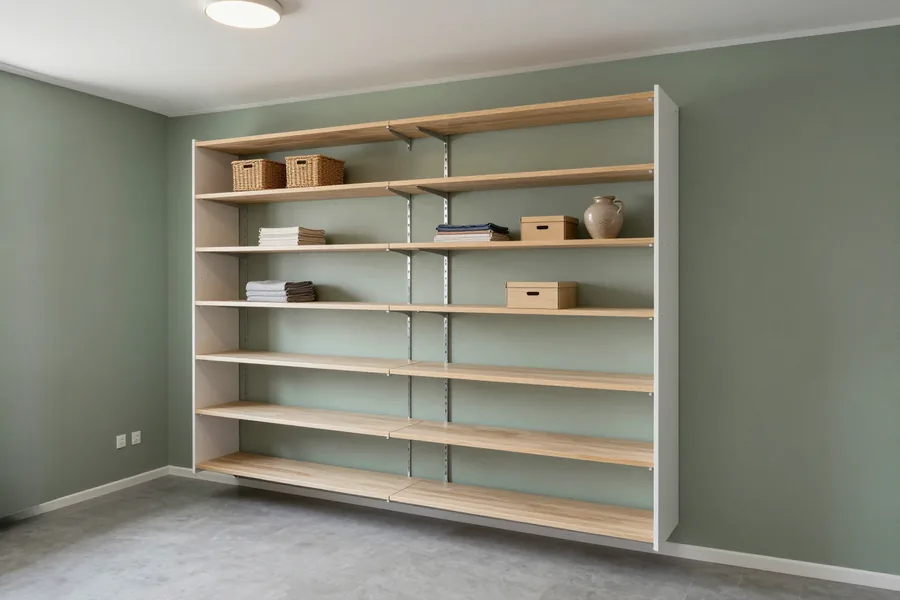
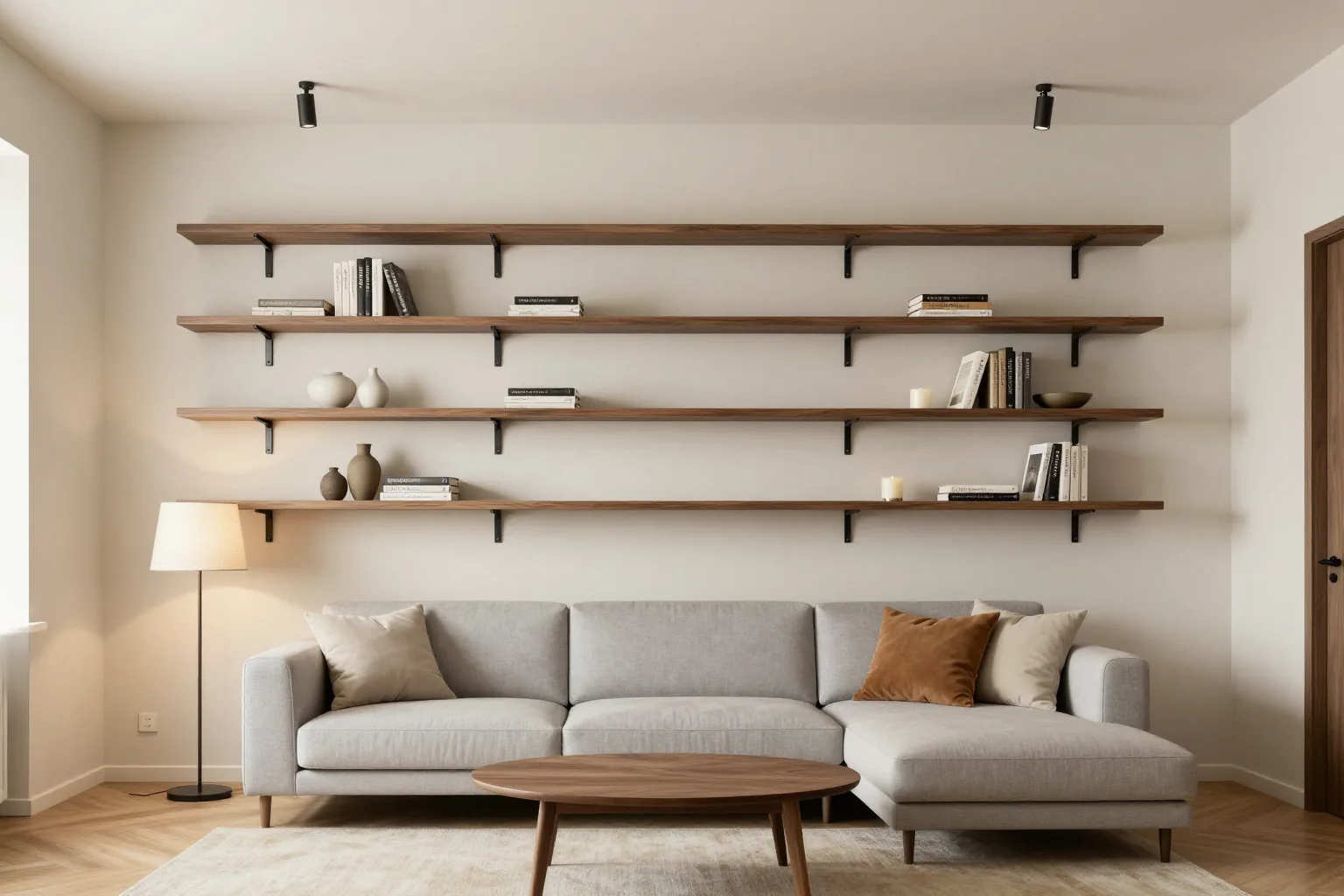
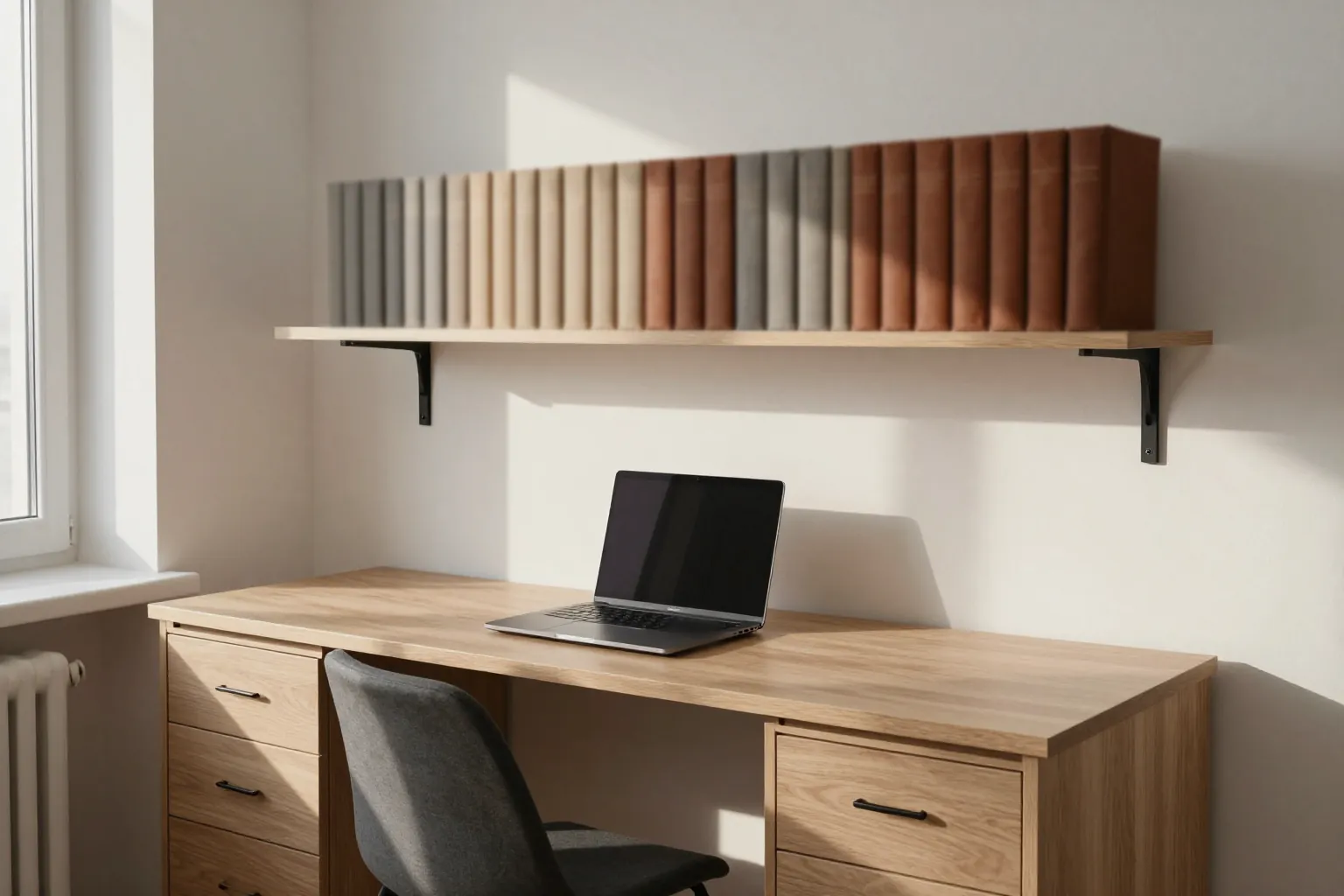
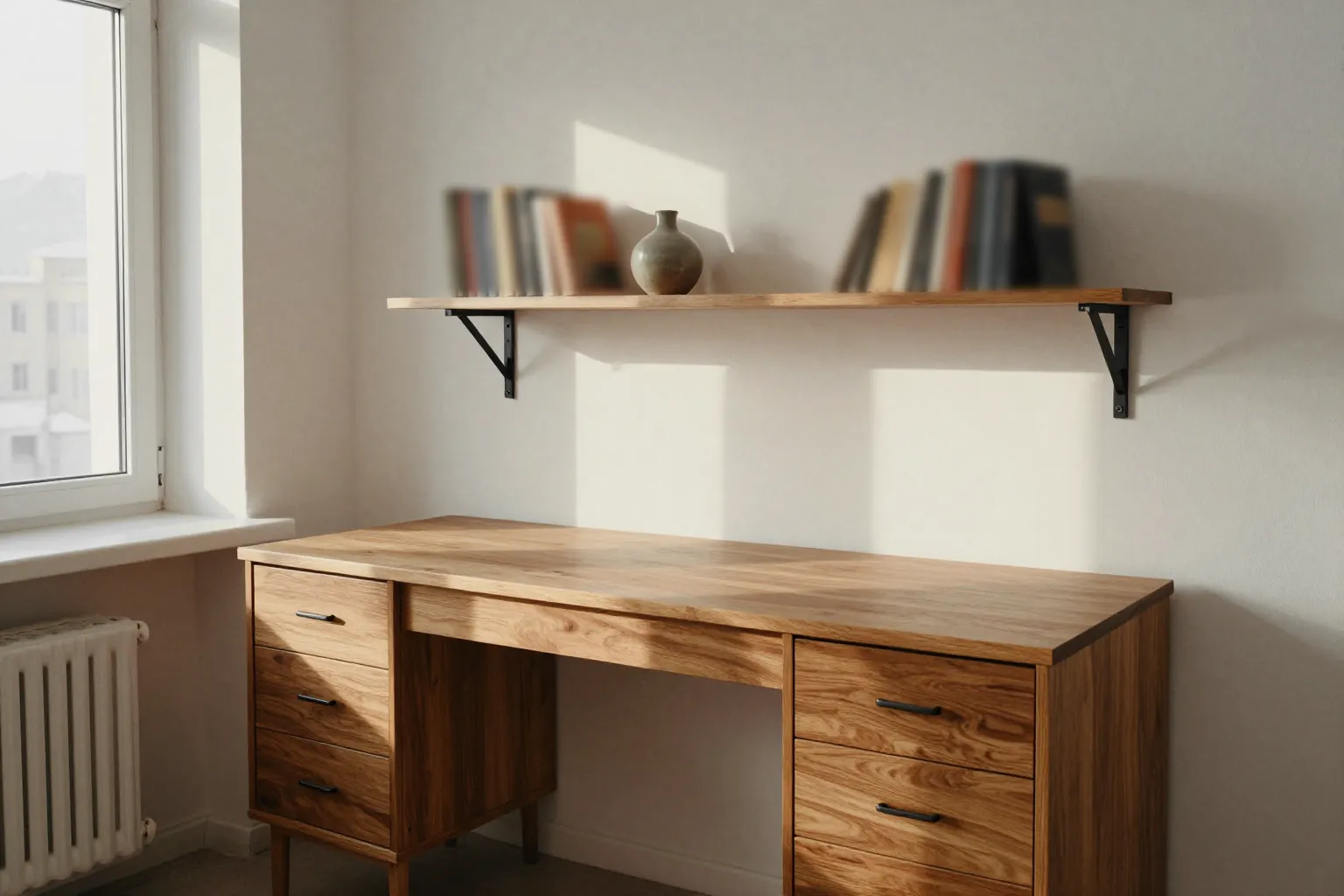
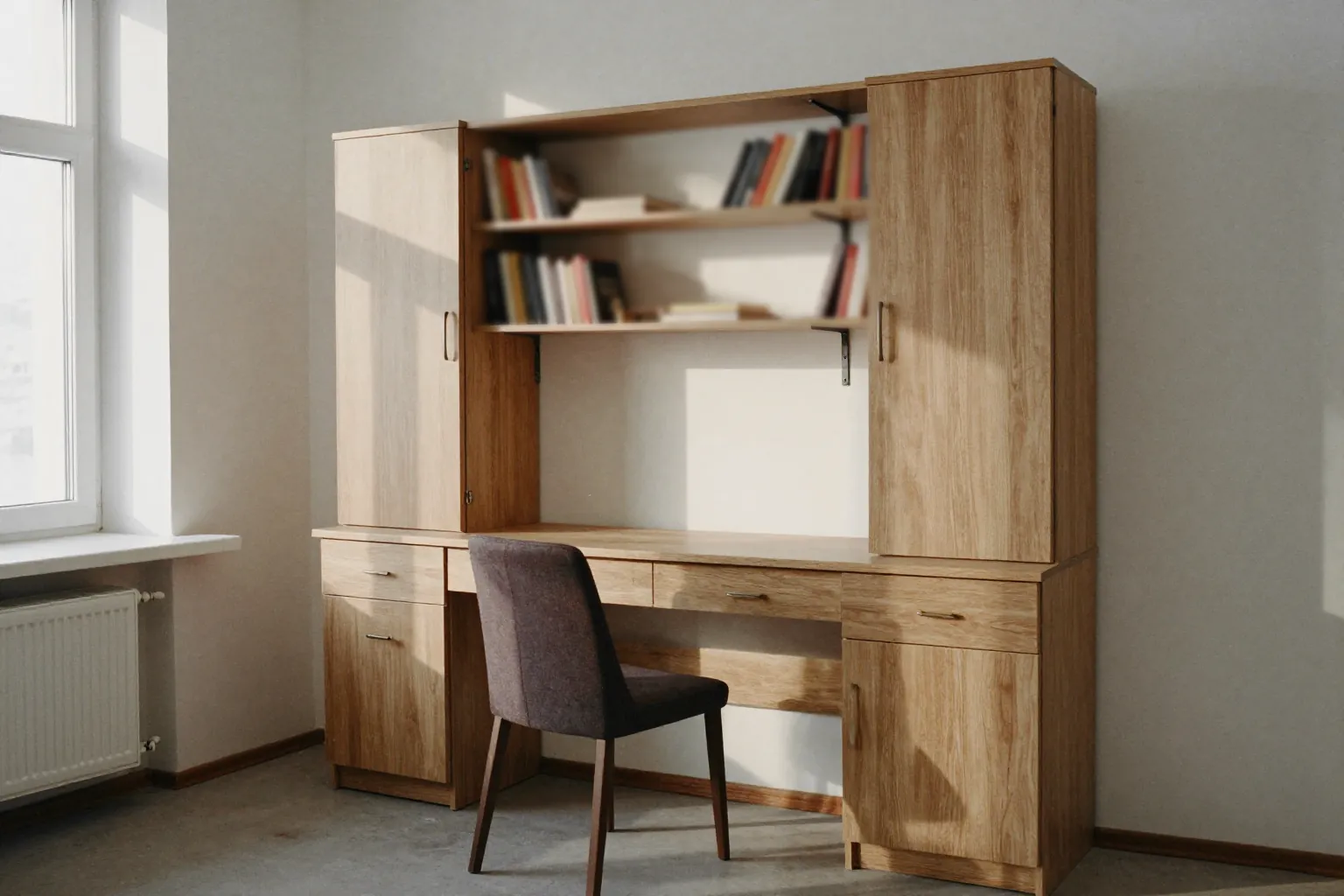
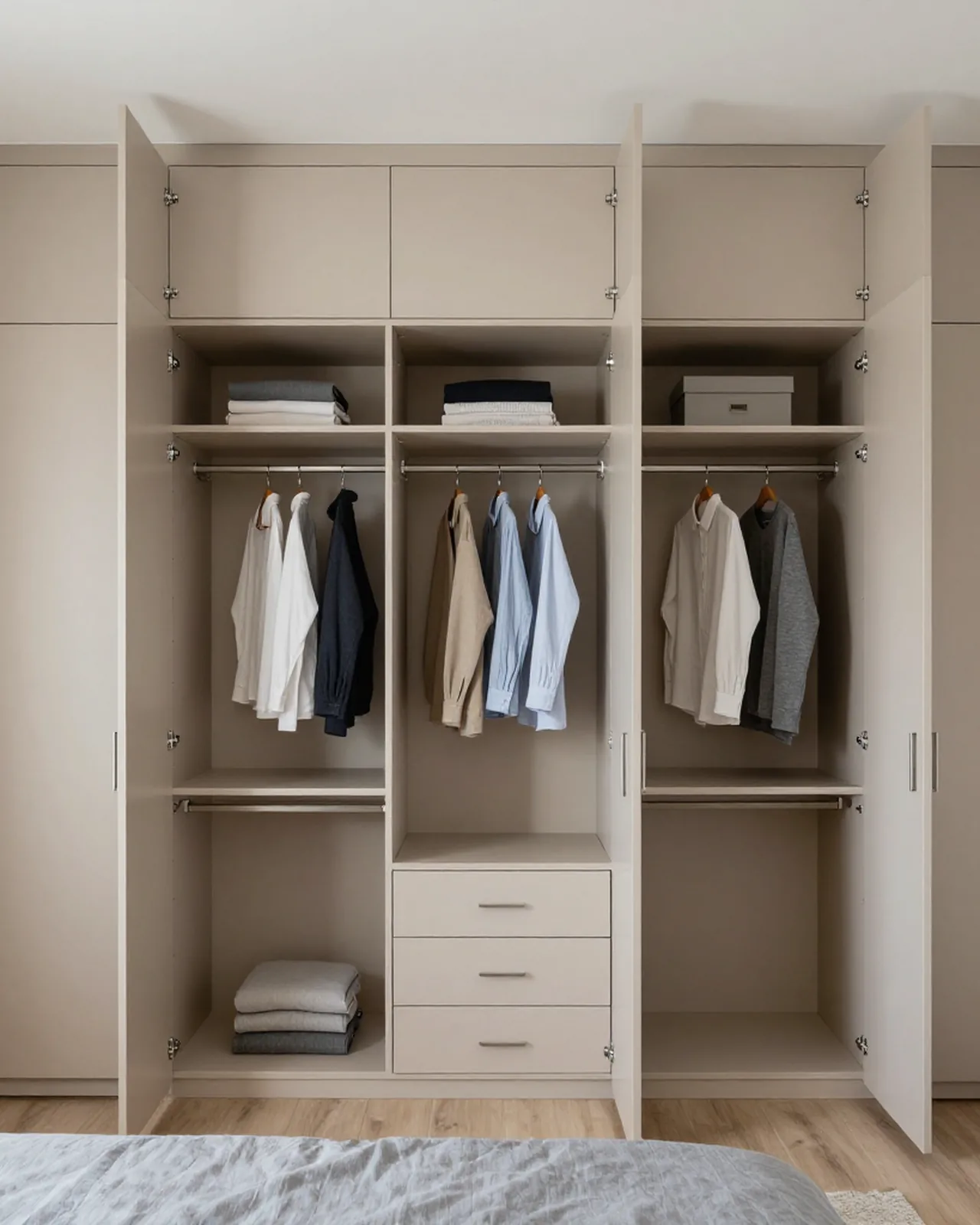
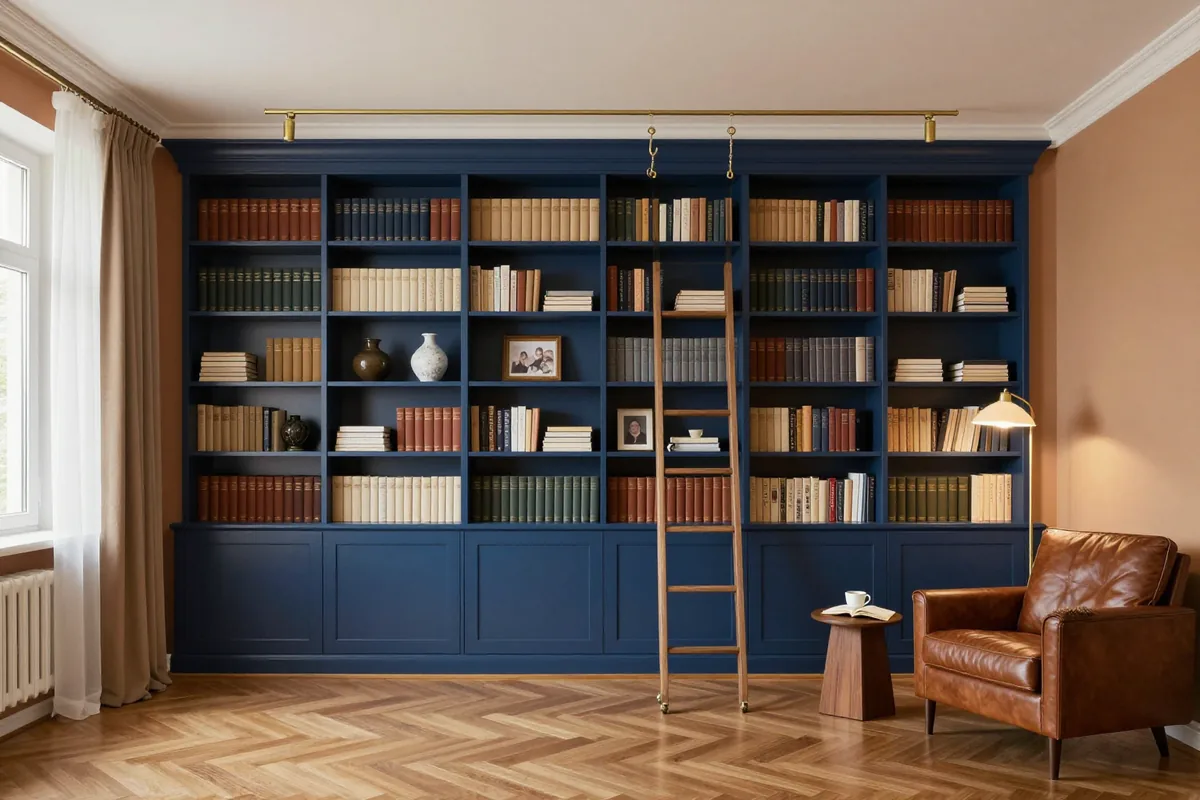
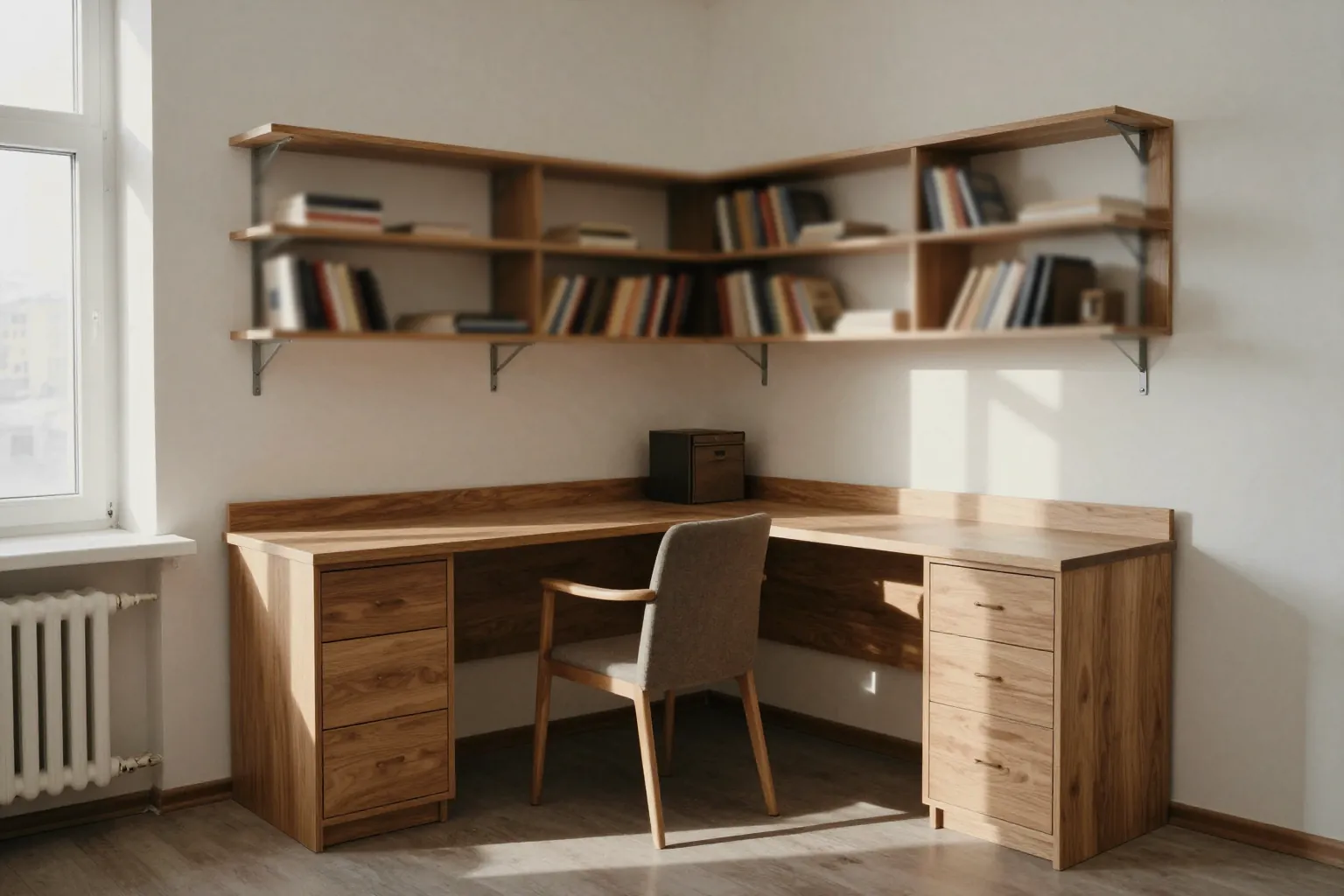
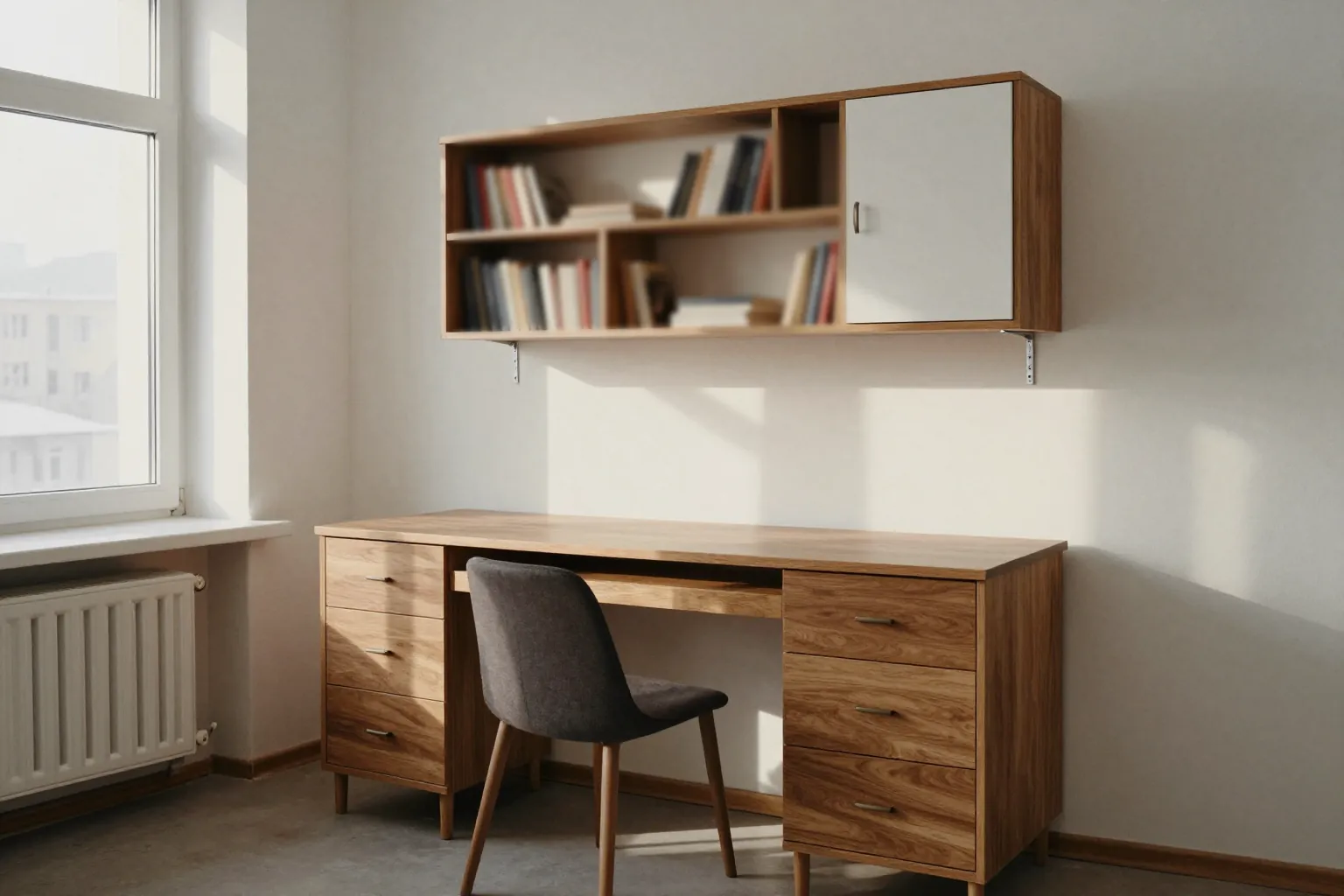
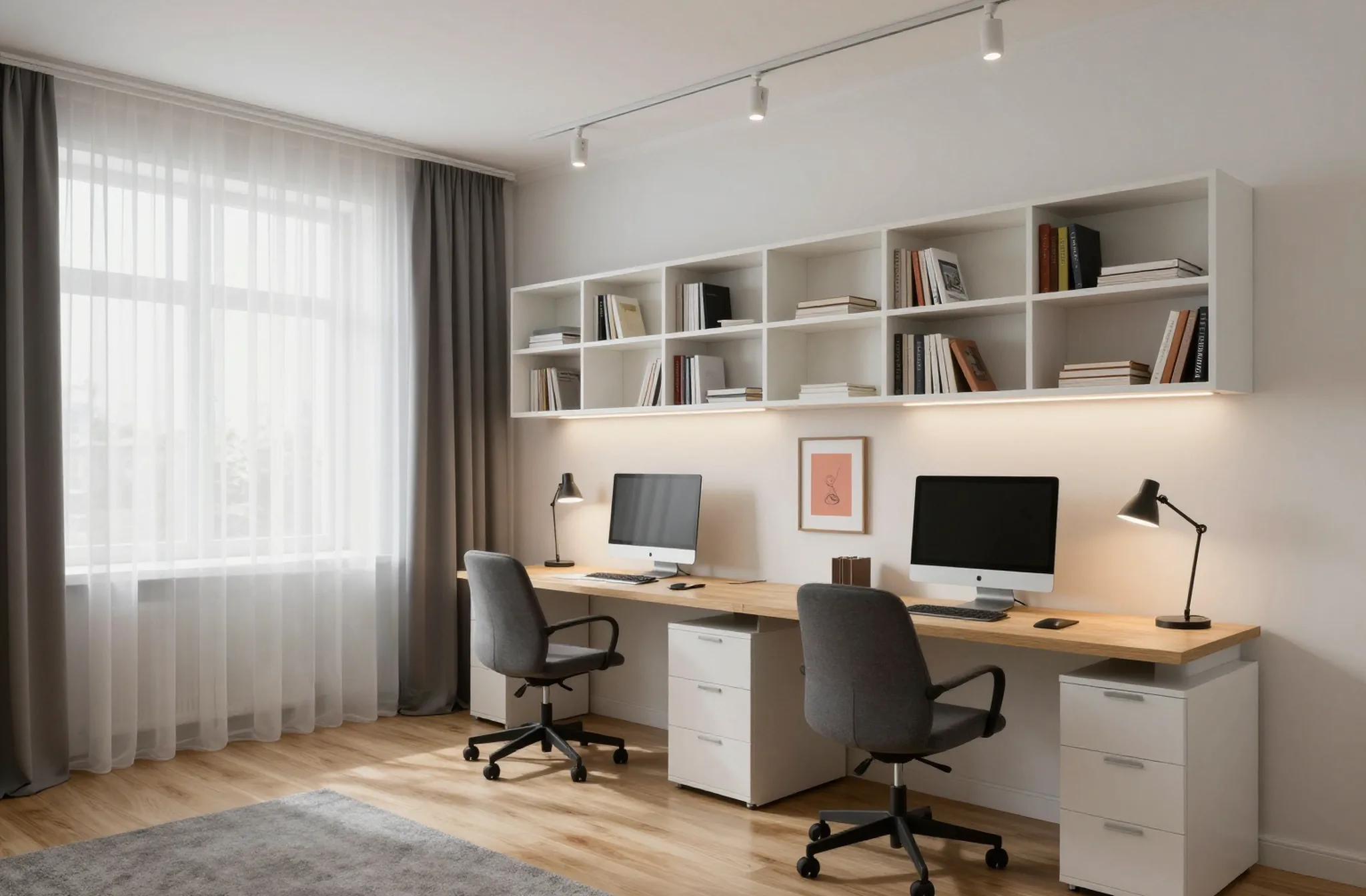
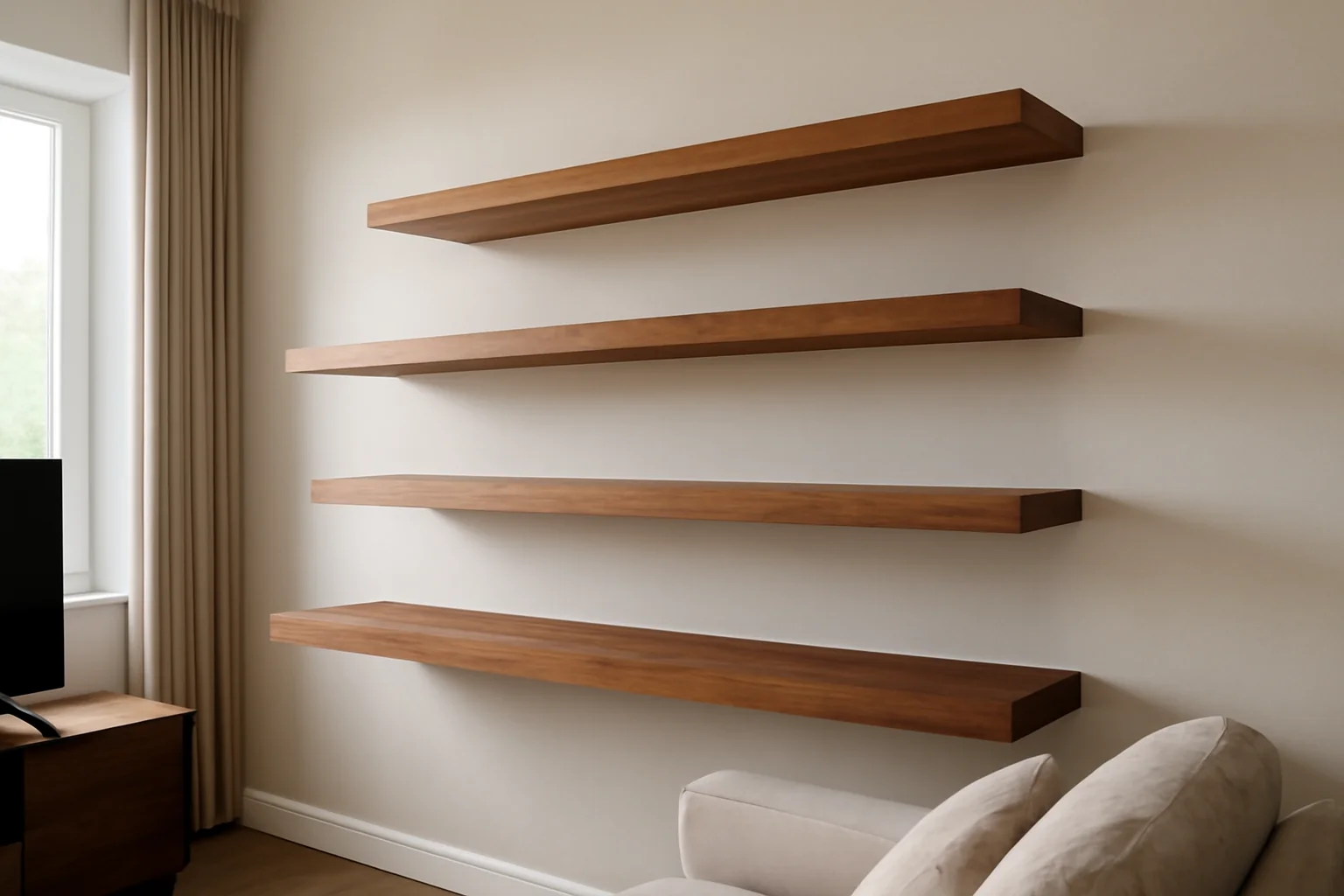
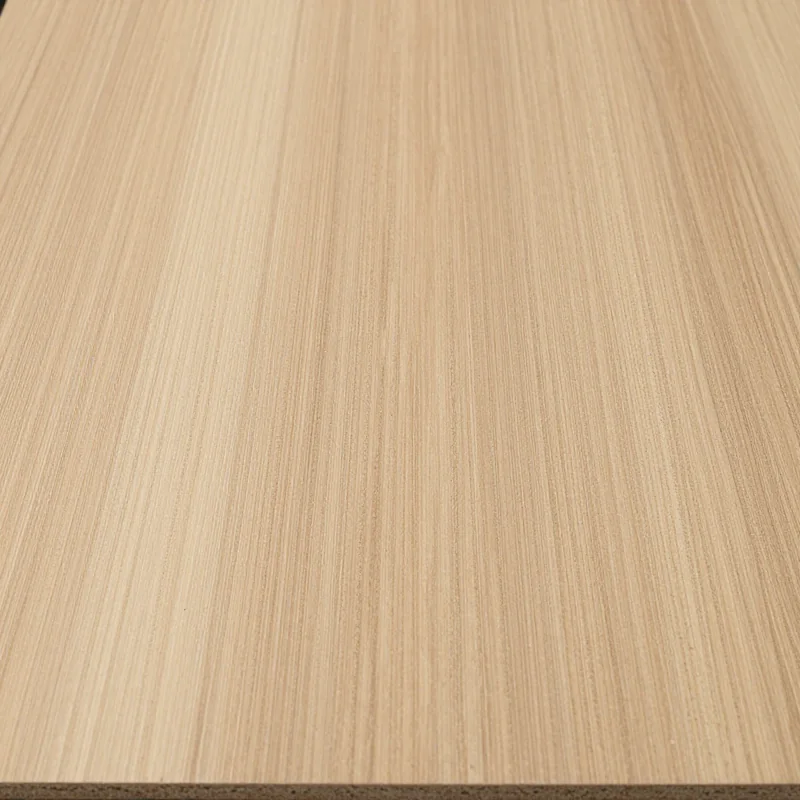
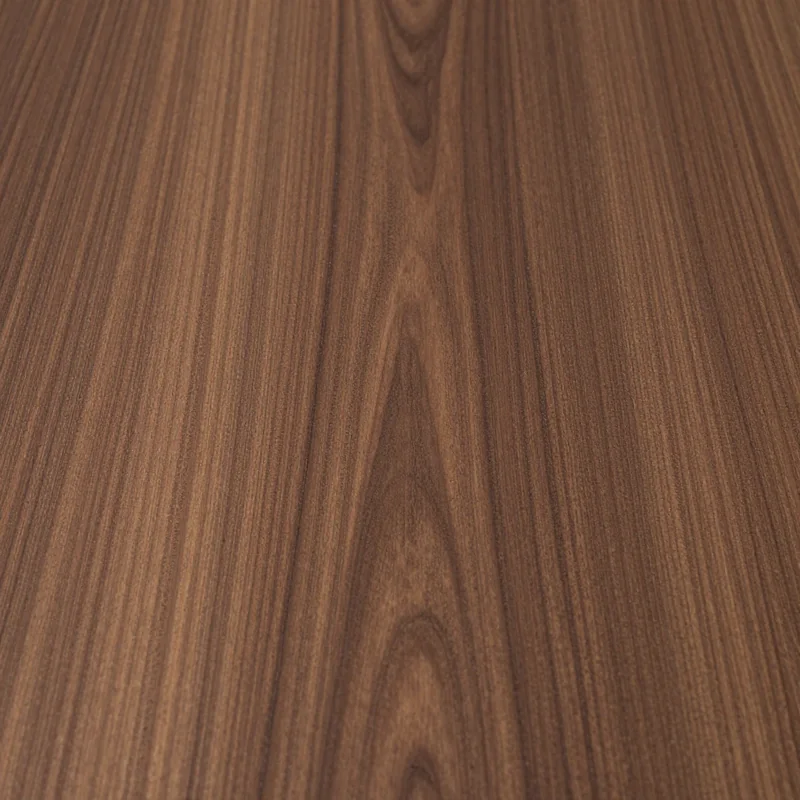
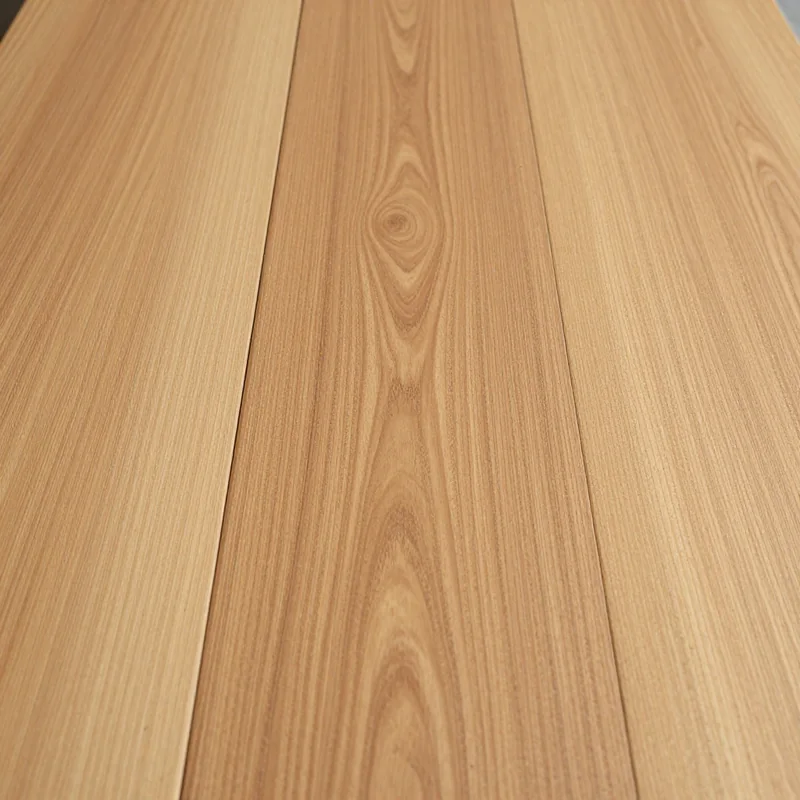
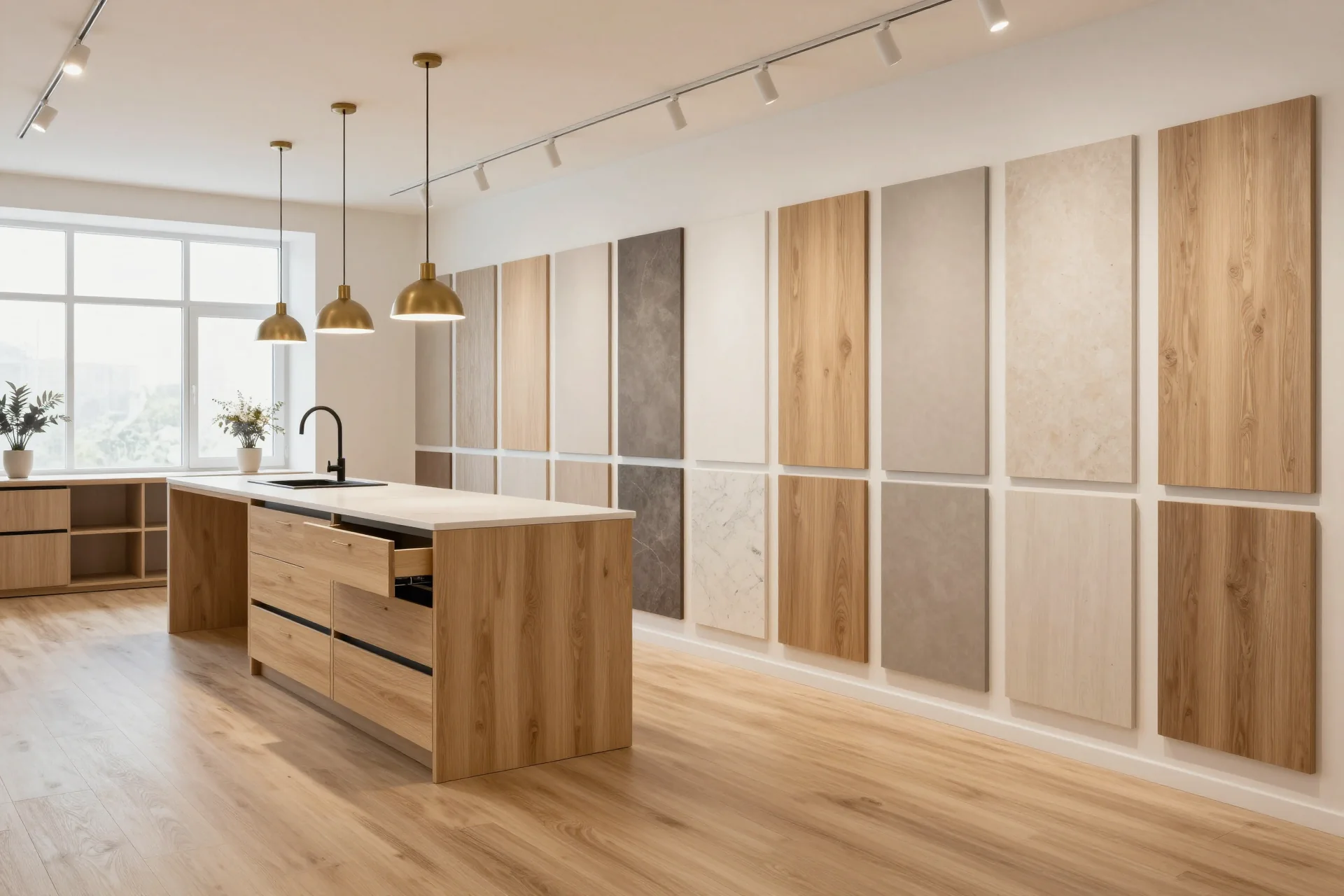
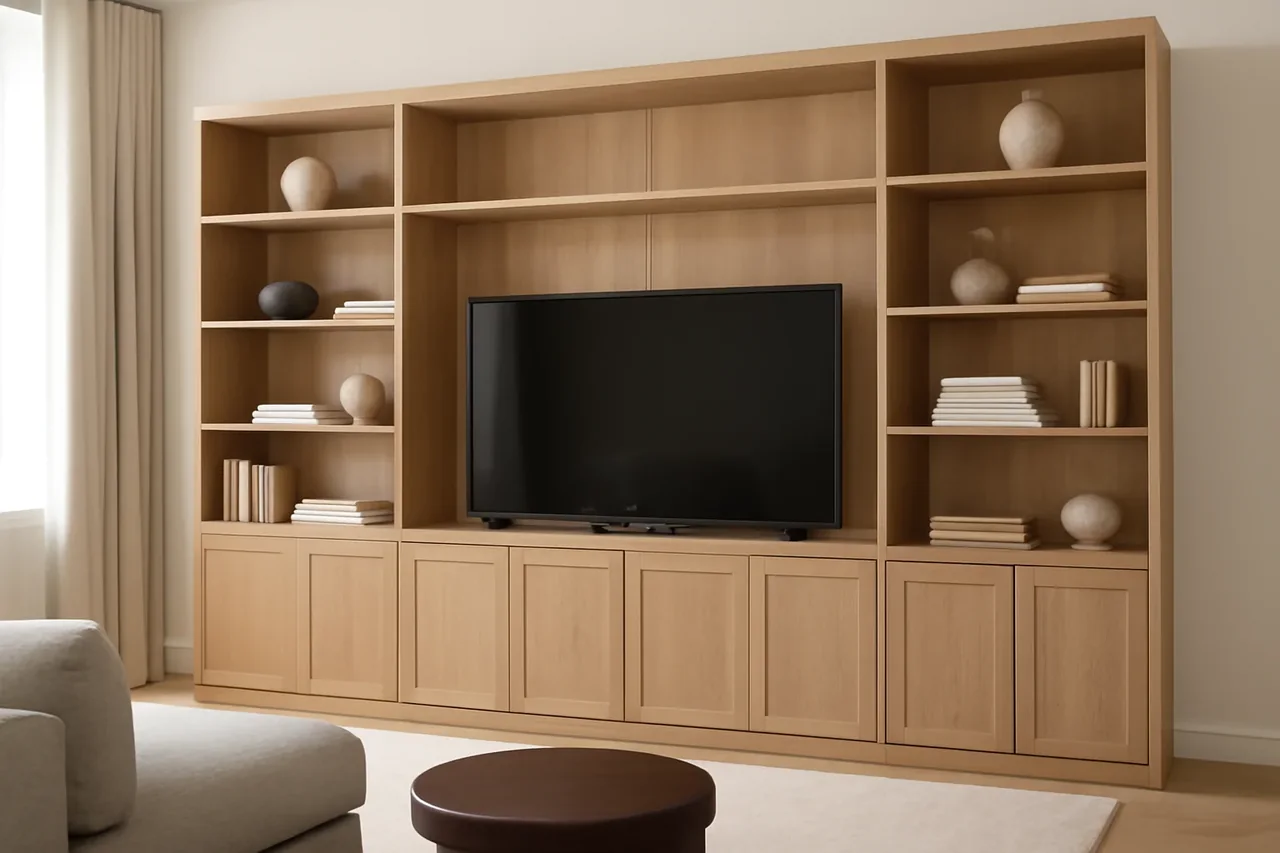
Custom shelves in Almaty are wall-mounted, book, filler and utility shelves cut to fit the size of the niche and calculated for the weight they will carry. At MEBLIX we select the thickness, span and fasteners to suit your wall material. Free measurement, 3D design in 1–2 days, warranty under contract — 24 months.
The first thing we ask is not the length, but what will go on the shelf. The board thickness, the distance between supports and the fasteners all depend on the weight per linear metre.
How much the things on the shelf weigh
How much the things on the shelf weigh| What goes on it | Weight per metre of shelf | What kind of shelf is needed |
|---|
| Frames, vases, small decor | 3–5 kg | 16–18 mm board, hidden fasteners |
|---|
| Spices, mugs, jars | 8–12 kg | 18 mm board, short span |
|---|
| A dense row of books | 20–30 kg | 25 mm, solid wood or a support |
|---|
| Dishes and stacks of plates | 25–35 kg | 25 mm on brackets |
|---|
| Jars of preserves | 35–50 kg | moisture-resistant board, a support every 60 cm |
|---|
Why a shelf sags after six months
Under constant weight a board slowly bends, even if it was perfectly straight on day one. This is called creep. Over time the initial deflection grows by one and a half times or more, and in chipboard this effect is stronger than in plywood or solid wood. That is exactly why we never calculate custom chipboard shelves to the limit: a board that sagged a couple of millimetres under books on installation day turns into a noticeable curve by spring. It will not straighten back. A ready-made shelf from a shop is designed for a nominal weight off the packaging, usually decor, but at home people put a collected works on it. Hence the familiar picture — a sagging board and a dowel pulling out of the wall. A margin in thickness or in supports is built in from the start. A shelf is calculated from the weight per linear metre, not from the length of the wall.
Where the main weight sits on the board
The same load stresses a board differently depending on where it stands. A column or a stack of albums in the middle of the span bends it almost twice as much as the same weight spread evenly along the whole length. A load right by the support is barely noticeable. Even more important is the front edge: a heavy item at the edge acts as a lever and pulls the fasteners out of the wall, while at the back wall it presses them in. That is why at the measurement we check what will go in the centre and what at the edges, and for a heavy item in the middle we add an extra support or take a thicker board. A simple rule for home — the heaviest things closer to the supports and to the wall, the light ones in the centre and towards the front. Where the load sits changes the deflection no less than its weight.
The wall matters no less than the shelf itself
A strong board on a weak dowel will still fall. That is why the wall material is checked at the measurement, and the fasteners are chosen for it and for the weight on the shelf at the same time.
What walls you find in Almaty apartments
- Monolith and panel: concrete holds an anchor and an ordinary expansion dowel, the only difficulty is that you have to drill with a hammer drill, and rebar sometimes throws the bit off.
- Brick: solid brick in older buildings is reliable, while hollow brick needs a long dowel that expands into several chambers.
- Aerated concrete and foam block: the interior partitions of new buildings crumble under an ordinary dowel, so a special dowel for porous block or a chemical anchor is used.
- Drywall: the sheet alone does not carry the weight, so the shelf is fixed into the metal frame profile or into a backing installed before finishing.
When hidden fasteners are the right choice
A concealed shelf support is a steel pin that fits into the end of the board, so no bracket is visible from the outside. It looks as if the board grows out of the wall. Beautiful, but demanding. Hardware manufacturers such as Hettich specify a minimum board thickness of 24 mm for this kind of support, and the permissible load drops with every centimetre of depth: the deeper the shelf, the more the lever action pulls the pin out of the wall. So concealed fixings are suitable for concrete or brick, at a depth of up to 25 cm and with moderate weight — decor, light books, speakers. In drywall without a backing block such a support is not used. In our view, this is the main compromise of wall-mounted shelves: a clean line in exchange for a weight limit. Concealed fixings are chosen for the look, and only where the wall and the weight allow it.
When a bracket is the more honest choice
A bracket spreads the weight over a larger wall area and takes the lever action off the pin. That is why we most often make custom shelves for dishes, heavy books or equipment on brackets — metal, wooden or in the colour of the wall. Visible? Yes. But a neat bracket in the tone of the wood looks like part of the design, especially in a loft or a kitchen. We keep the spacing between brackets within the span the board can carry, and we choose fixings with a safety margin of at least twice the actual weight: a shelf sometimes gets pushed, leaned on, or loaded heavily in a hurry. In drywall the bracket is fixed into the frame profile, so we locate the profiles already at the measurement. A bracket beats a concealed fixing on load and forgives a weak wall.
Laminated chipboard, MDF or solid wood for the shelf
The material is chosen by three questions. What weight it carries, how the edge looks, and which zone it hangs in — a dry room, a kitchen or a storage room.
How shelf materials differ
How shelf materials differ| Material | Rigidity under load | Edge and shape | Where it fits |
|---|
| Laminated chipboard 16–18 mm | medium, sags under constant weight | straight, closed with PVC edge | decor, filler inside a wardrobe |
|---|
| Laminated chipboard 25 mm | high for a board | straight, 2 mm PVC edge | books, dishes, concealed fixing |
|---|
| Moisture-resistant laminated chipboard | same as a regular board | straight, edge on the front | storage room, balcony, bathroom |
|---|
| MDF 19–25 mm | slightly higher than laminated chipboard | milling, bent radius, enamel | radius shelves, painted front |
|---|
| Solid oak or ash | the highest | live edge under oil | long span, heavy books |
|---|
What to know about solid wood in dry air
Custom wooden shelves in oak, ash or birch carry a longer span than a board of the same thickness and only look better with age. But wood is alive. In winter, when central heating runs in Almaty apartments, the air becomes dry and the board shrinks slightly across the grain, then takes on moisture again in spring. If the solid wood is poorly dried, the shelf will twist or crack. That is why we use kiln-dried board at 8–10 % moisture, coat it with oil on all sides, including the back, and use fixings that do not clamp the wood rigidly. Oil rather than film-forming lacquer — because a scratch in oil can be touched up locally, without re-sanding the whole board. Laminated chipboard and MDF barely notice seasonal movement. Solid wood is justified where texture and a long span matter, and only with proper drying.
Which edge and finish are needed in different zones
- Living room and bedroom: PVC edge in the decor colour or a live solid-wood end face under oil, here looks matter more than protection.
- Kitchen: 2 mm edge on all visible ends and a wipe-clean surface, because steam and splashes from the sink are close by.
- Kids' room: rounded corners with a radius from 3 mm and an edge with no sharp corners at a child's face height.
- Pantry and balcony: moisture-resistant board with edge on the front and ends, decor is secondary.
Custom bookcases for a heavy library
Books are the trickiest load for a shelf. A tightly packed row of volumes weighs 20–30 kg per metre and stays put for years, so a book shelf is calculated separately.
Four ways to remove the sag
- Short span: a 16 mm board under a dense row of books holds its shape over 60–70 cm, so vertical uprights are placed more often.
- Board thickness: a 25 mm board shelf holds about 80 cm, a 30 mm solid wood shelf — up to 100–110 cm without a noticeable bow.
- Steel profile inside: a flat tube or angle in a groove in the board takes the load on itself, while from the outside the board looks thin.
- Front lip: a strip 4–5 cm high glued underneath works as a beam and noticeably increases the rigidity of a long board.
What depth your books need
Custom bookcases are made to the depth of the largest format that will stand on them. For pocket books and novels 18–20 cm is enough. Gift editions, albums and textbooks need 28–32 cm. What happens if you take the depth with a margin? Books start being pushed into a second row, and the shelf turns into a storage where the right volume can't be found. We usually make two depths in one composition: the lower rows deeper for albums and folders, the upper ones shallower for ordinary books, and this makes the wall look lighter. We allow 25–30 cm for the height step, and on the top row, which people reach up to on tiptoe, we leave a height margin so a book is easy to pull out. Where there is no back panel, we add a low lip at the back — spines don't slide down to the wall. The depth of a book shelf is set by the largest format, not by the wish to fit in more.
How to arrange books so the row doesn't sag
Even a correctly calculated board lasts longer if the books are placed wisely. The heaviest volumes — encyclopaedias, dictionaries, art albums — go on the lower rows and closer to the vertical supports. The middle of a long span is better for light paperbacks. Tight packing with no gaps looks neat but adds extra kilos: leave a couple of centimetres of free space in each row, and books will be easier to pull out. Horizontal stacks on top of standing books also weigh the row down, so they are kept at the edge, above an upright. Once a year it's worth going over the wall with a level. If the middle of a row has dropped by more than a couple of millimetres, it's enough to move the heavy items towards the supports. The load on a book wall is distributed as carefully as it is calculated at the design stage.
Shelves for a custom wardrobe and add-ons for an existing carcass
The fastest way to get more space is to add shelves to a wardrobe that is already standing. Between the factory levels there is often empty height for two boxes.
What to measure in the wardrobe before ordering
- Inner width: measure it at the top, in the middle and at the bottom, because the sides of an old carcass spread by 3–7 mm over time.
- Depth to the door: from the back panel to the inner side of the front, minus the hinges, so the door closes freely.
- Holes for shelf supports: their diameter and height spacing can be seen from the rows of holes on the sides.
- Colour and thickness: a photo of the existing board next to a tape measure helps match the laminated chipboard decor and board thickness.
How an add-on shelf fits into an old carcass
Shelves for a custom wardrobe are cut to the internal size of that specific carcass, not to the model drawing — in a wardrobe that has been around for ten years, the drawing no longer matches reality. A difference of a couple of millimetres decides everything. We make the board 2–3 mm narrower than the narrowest measurement so it slides in without effort and does not push the sides apart. The visible edge is finished with edge banding in the colour of the carcass; the rear edge is left bare if it is hidden against the wall. We mount the shelf on metal shelf supports in the existing holes, and if there are none, we drill a new row on site. For shoes we make an angled shelf with a lip, for folders one with a front stop. A small thing? No — it is exactly these details that distinguish a convenient wardrobe from a storage room. The add-on shelf is cut to the internal size of the carcass, and then it fits as if it were original.
Pull-out shelves and wire baskets instead of solid ones
A deep wardrobe 55–60 cm deep is inconvenient because things at the back wall get forgotten. The solution is a pull-out board on full-extension runners: it slides out completely and the back row is within reach. Such elements are installed on the lower levels, where boxes, shoes and household appliances are kept. A metal wire basket instead of a solid board suits towels and linen because things get air. There is a nuance. The runners need 12–13 mm on each side, so the pull-out element is made narrower than a solid one, and this is allowed for at the measurement stage. We use Blum and Hettich hardware; the manufacturer Blum gives a 25-year warranty on its runners. A pull-out element turns a deep wardrobe into a convenient one, and there is no need to change the carcass for that.
Custom pantry shelves and shelves for wet areas
In a pantry the texture does not matter, but weight, moisture and every centimetre of height do. Jars, tools and boxes are stored here, and the floor is washed more often than it seems.
How to arrange the tiers in a pantry
- Lower tier: raised 15–20 cm above the floor, with a bucket, a vacuum cleaner and heavy bags underneath.
- Working zone: tiers from waist to eye level are given over to what is taken out every week.
- Spacing for jars: 30–35 cm between shelves holds a three-litre jar with room to spare so it is easy to take down.
- Upper tier: kept within arm's reach, or used for seasonal boxes taken down from a stepladder twice a year.
- Supports: a long shelf for preserves is divided by an upright into sections of 50–60 cm.
Balcony, bathroom and a damp corner
Custom pantry, balcony or bathroom shelves are made from moisture-resistant laminated chipboard and finished with 2 mm PVC edge banding on all visible edges. Water damages the board through the edge. If the edge banding is thin or has come loose, the chips inside swell and the shelf bulges at the edge within one season. On an insulated loggia one more measure is needed — a 1–2 cm gap between the shelf and the outer wall so that condensation does not collect behind it. The shelf spacing in a pantry is best made adjustable: containers change, and moving a shelf to another height is faster than ordering a new one. In the bathroom we use metal parts with a corrosion-resistant coating. A room without a window? Then the back wall is not needed at all; open tiers get better air than a closed cabinet. In a wet area the shelf is protected by moisture-resistant board, dense edge banding and a gap at the wall.
How to prepare for ordering a shelf to your own sizes
An accurate calculation comes down to two figures — the weight on the shelf and the size of the space for it. They can be sent even before the measurement, and the conversation will be to the point.
What to send for a calculation
- Photos of the wall: an overall shot and a close-up of the mounting point, with a tape measure in frame so sockets and switches are visible.
- Niche dimensions: width at three points along the height and the depth, because walls are rarely perfectly even.
- What will go on it: books, dishes, decor or supplies — this answer determines the thickness and the fixings.
- Wall material: if you don't know, tap it — a dull sound means concrete or brick, a hollow one means drywall.
- Preferences for the look: concealed fixings or brackets, color, under-shelf lighting.
Where it is dangerous to drill into a wall
Made-to-measure shelves often go into a niche or above a desk, that is, next to sockets and switches. That is where the wiring runs. Electrical installation rules say cable runs vertically from sockets and switches and horizontally in the band under the ceiling, but in older buildings the rules were not always followed. That is why the technician checks the wall with a wire detector during the measurement and marks the zones where drilling is not allowed. Heating pipes and risers in the bathroom and kitchen are also located in advance. If the shelf needs LED lighting, the wire is hidden in a groove inside the board and led to the nearest socket, while the power supply is tucked into a cabinet or behind the shelf. How much such a version costs is shown in the price lines on this page. Finding the wiring in advance saves both the wall and installation time.
What the final cost depends on
The price is made up of several clear parts, and almost all of them are visible before the measurement. The first is material and thickness: a 25 mm board costs more than a 16 mm one, and solid oak costs more than any board. The second is fixings: concealed holders for a thick board cost more than simple brackets, and anchoring into drywall adds work. The third is shape: a radius, a shaped edge and fan-painted MDF take more time in the workshop. The fourth is volume: a single board and a system across the whole wall are priced differently. Lighting and pull-out mechanisms are separate line items. The "from" reference prices for each option are collected in the price list on this page, and we fix the exact amount in the contract after the measurement. The cost is determined by material, fixings and shape, not just length.
Shelves in brief
What to remember before ordering
- Weight: a shelf is calculated from what will go on it — books weigh 20–30 kg per meter and over time bend the board more than on the first day.
- Span: a 16 mm board under books holds 60–70 cm, 25 mm — about 80 cm, solid wood 30 mm — up to 100–110 cm.
- Wall: concealed fixings require boards from 24 mm and a solid wall; drywall and aerated concrete need their own fixings.
- Material: custom MDF shelves are chosen for curved shapes and painted edges, solid wood — for its texture, moisture-resistant board — for a storage room.
- Measurement: the niche width is measured at three points, and the wiring in the wall is located before drilling.