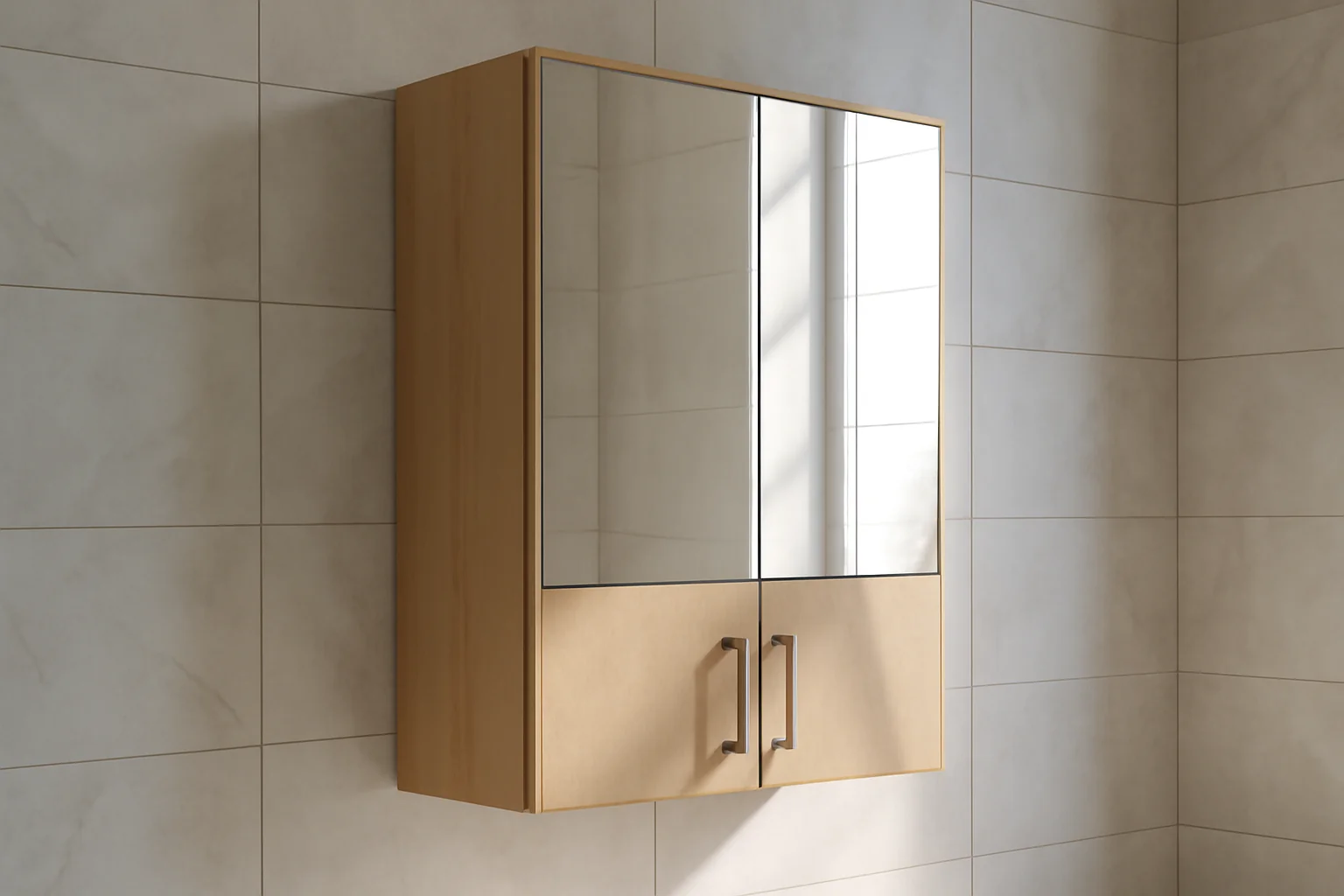
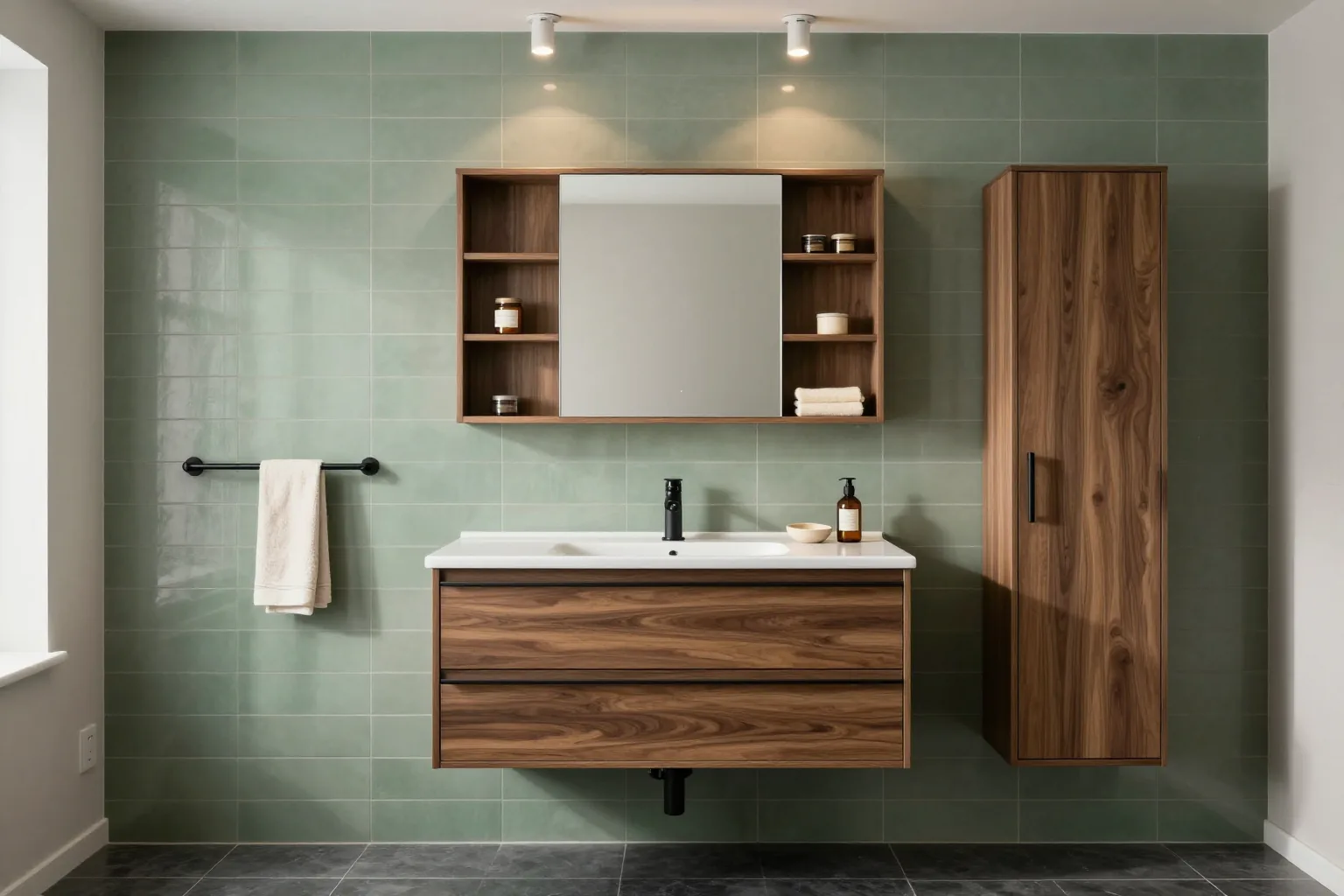
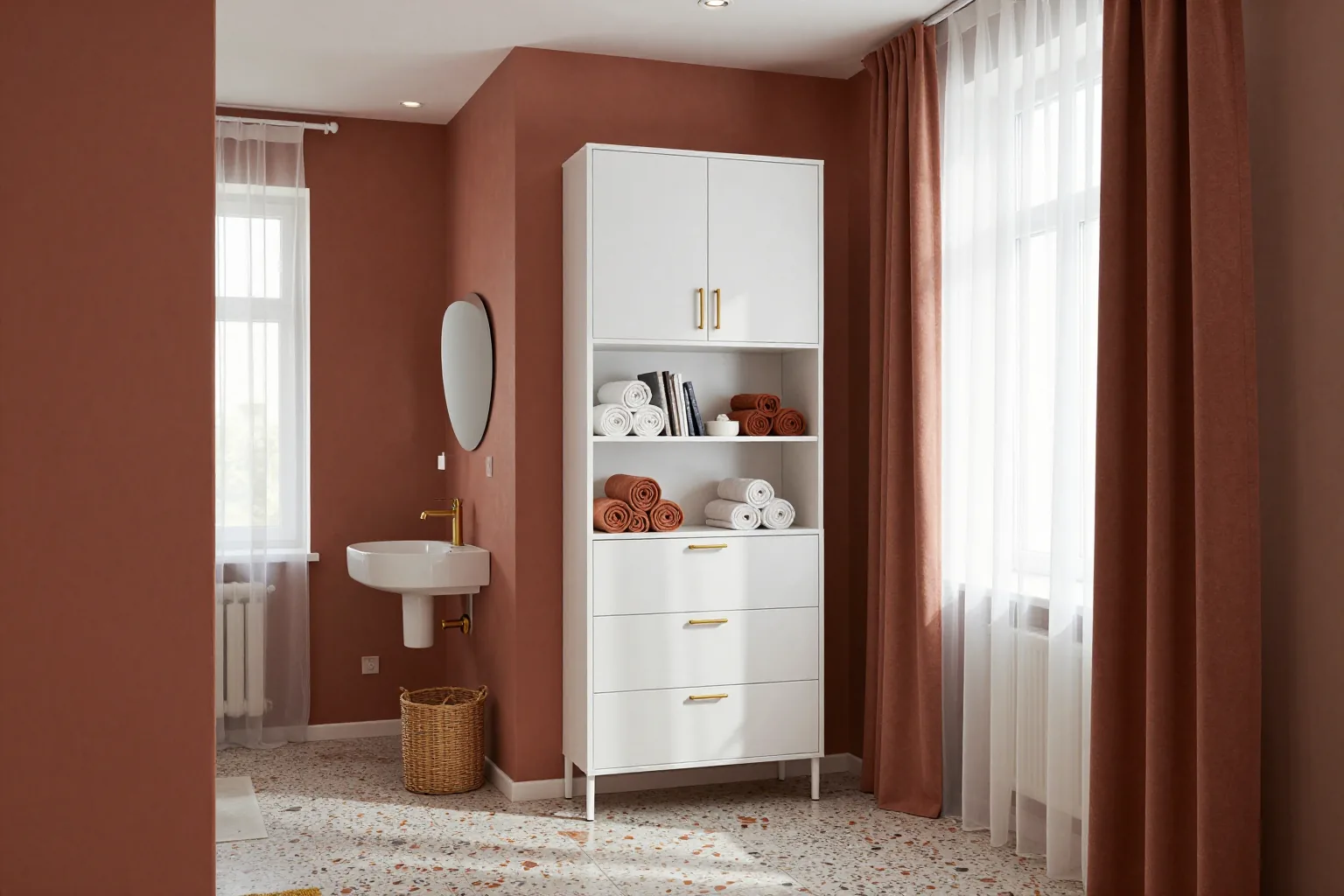
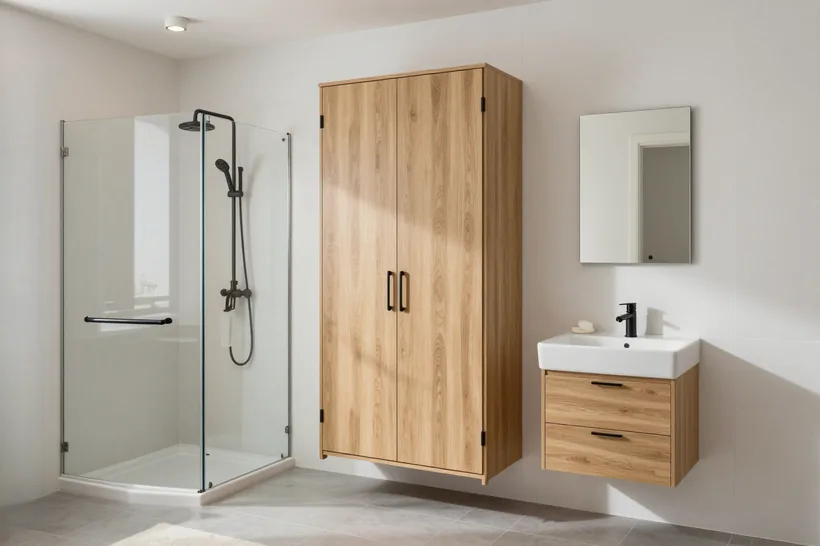
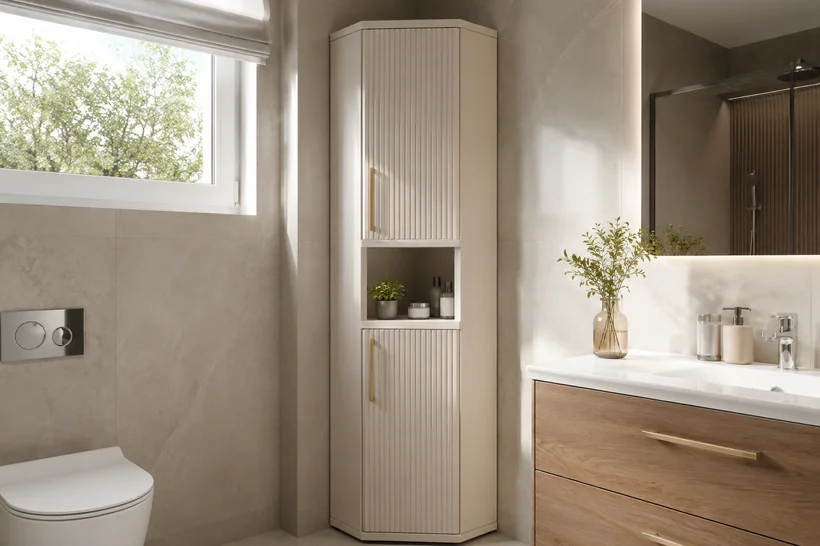
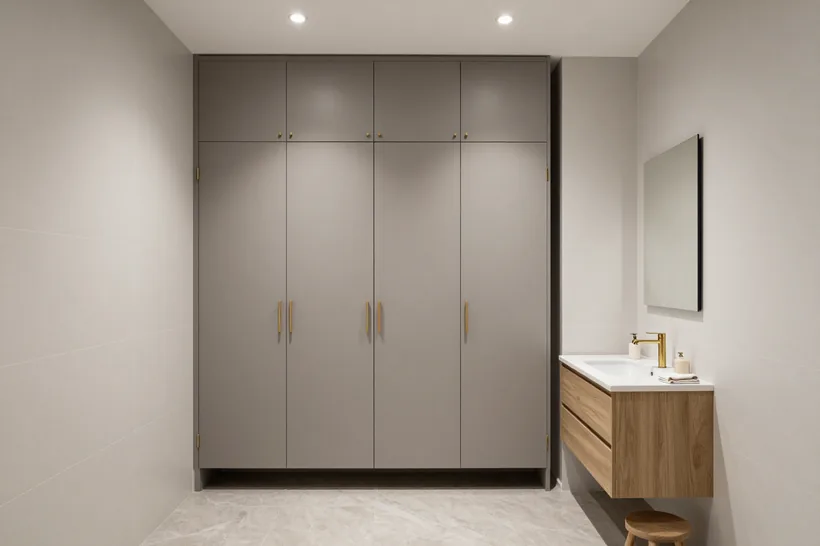
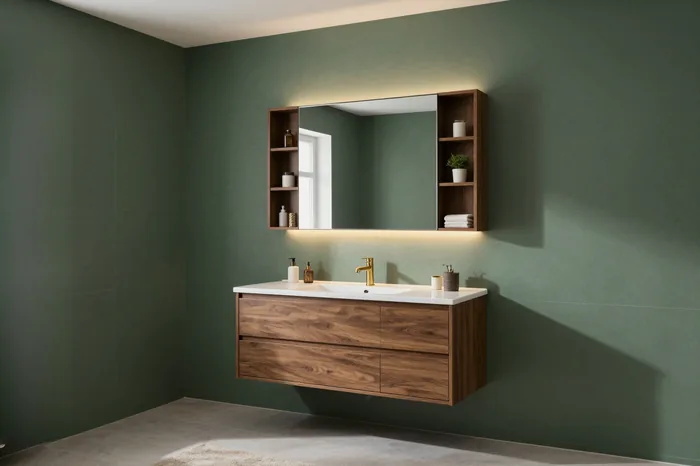
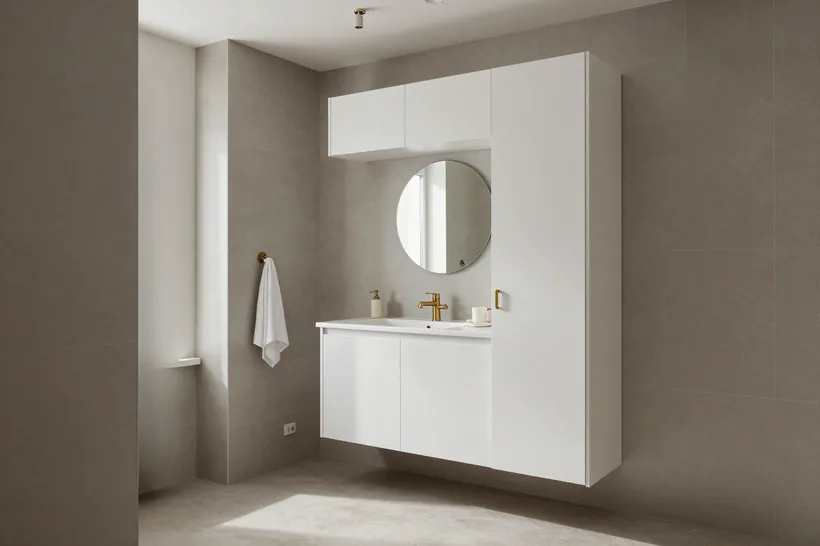
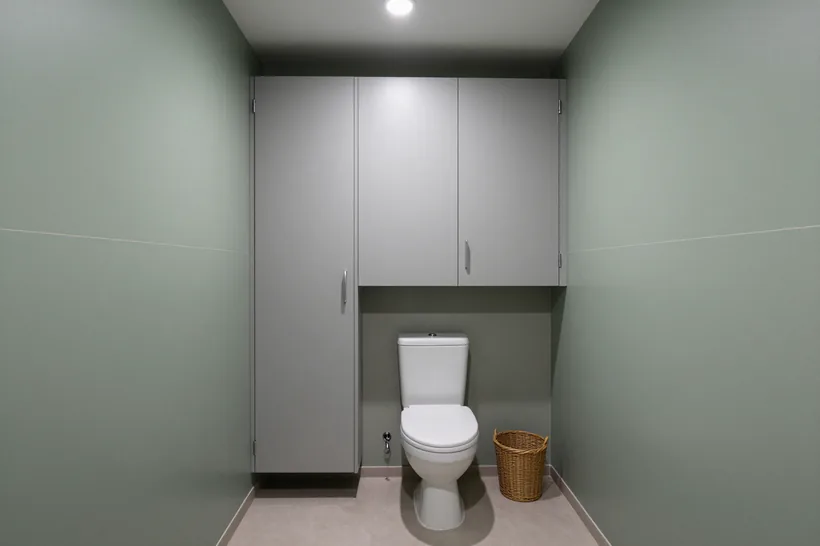
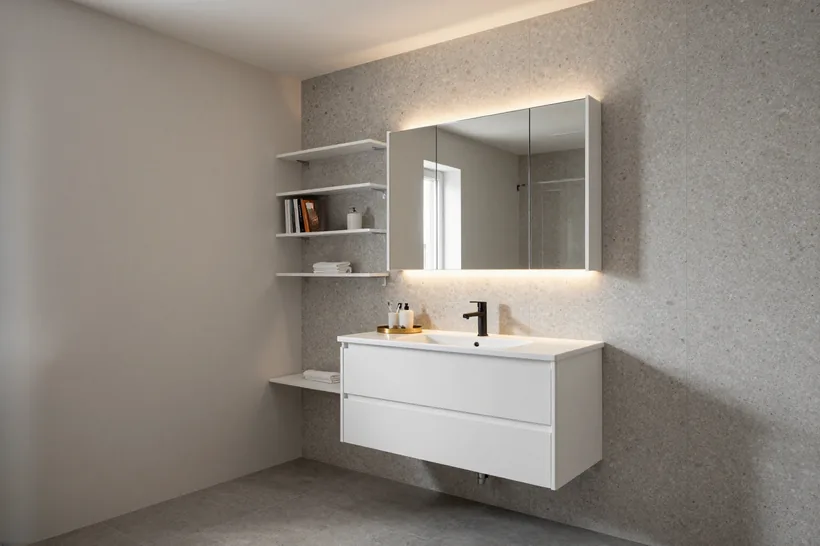
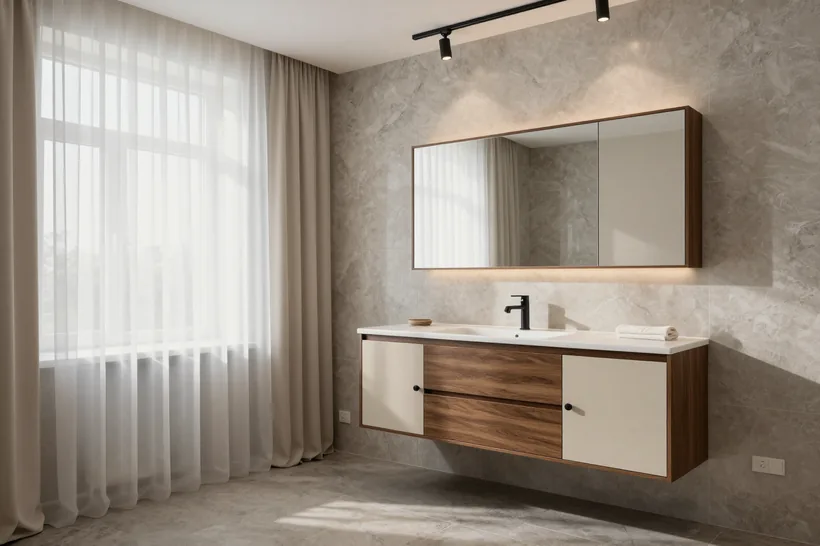
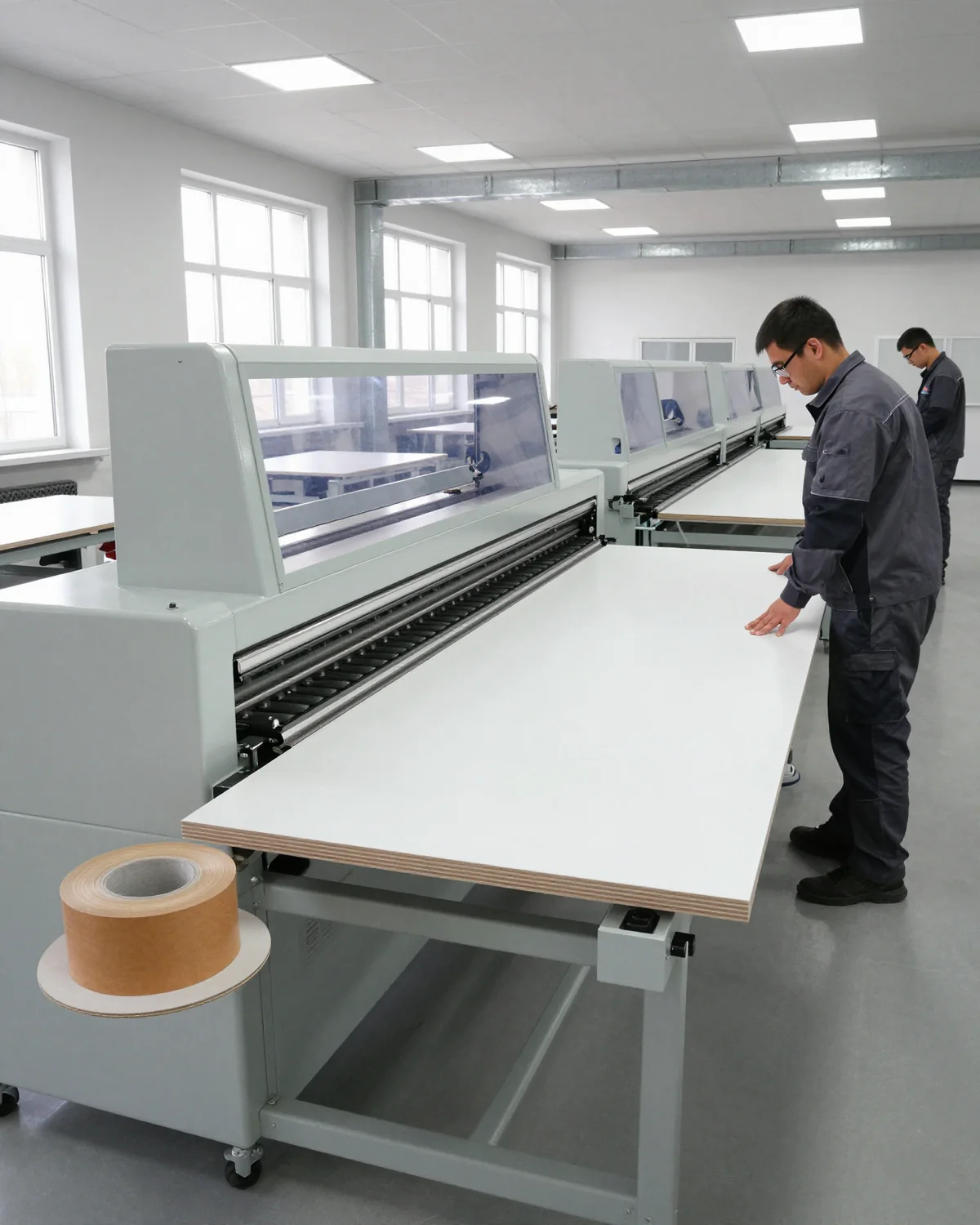
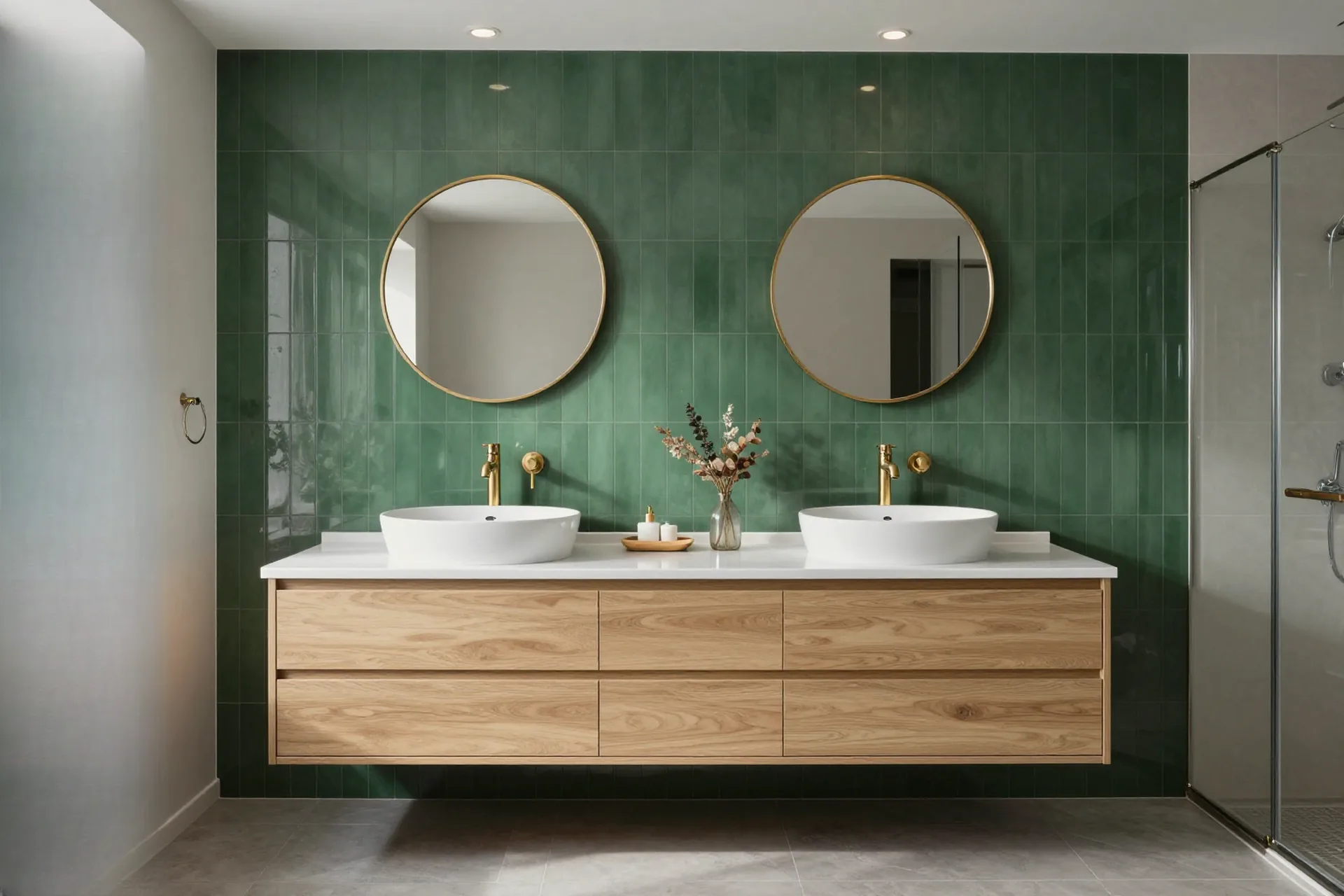
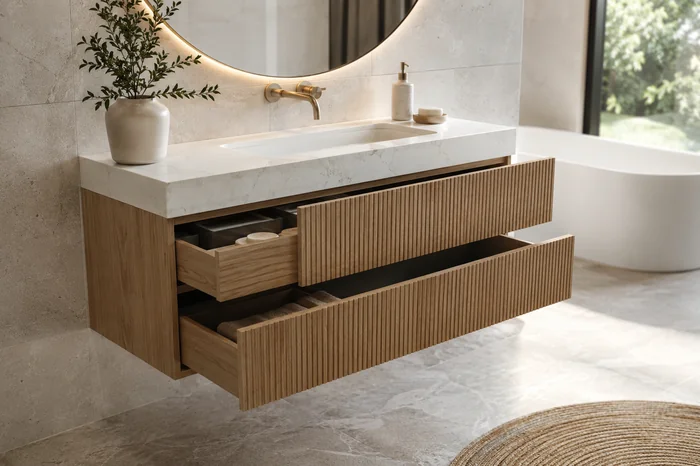
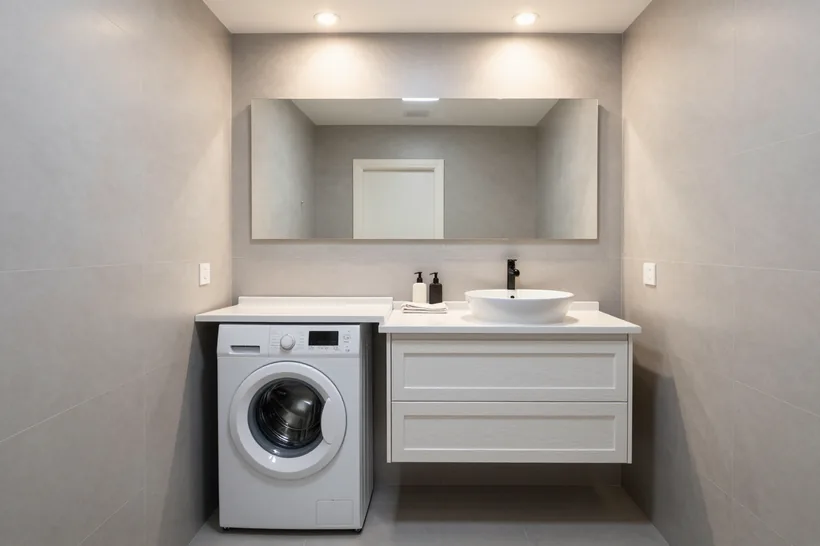
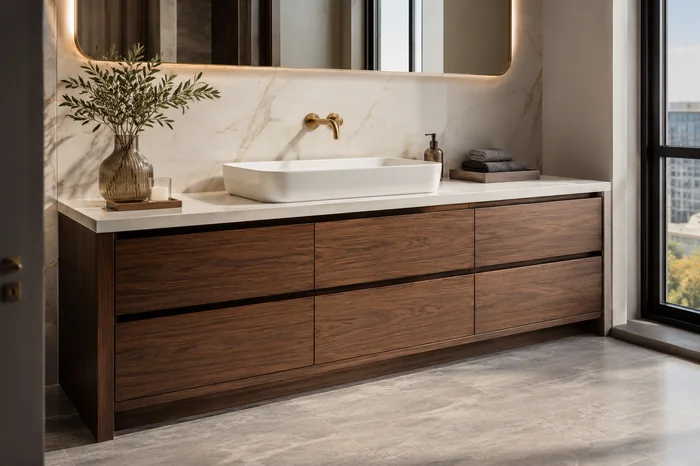
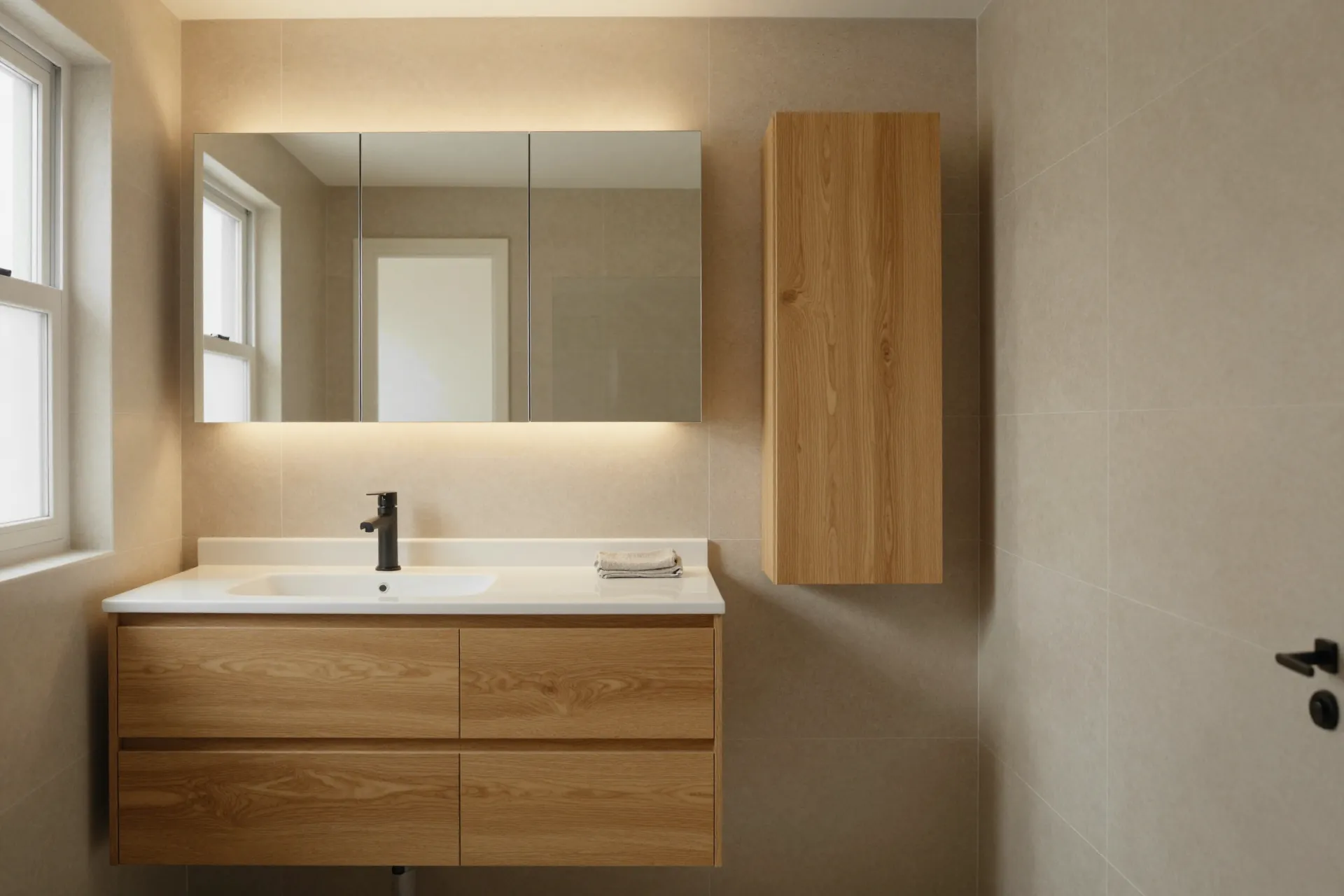
A custom bathroom cabinet from MEBLIX is cabinet furniture built to the actual size of your niche: a free measuring visit, a 3D design in 1–2 days, production in our own 600 m² workshop and installation by our own crews. We make the carcass from moisture-resistant Egger and Kronospan chipboard, fit Blum hardware and give a 24-month warranty on the cabinet under the contract.
A bathroom is a room with constant humidity and frequent temperature swings, so the carcass and front materials are chosen for water resistance and edge protection, not for colour. Here is what we use and why.
How moisture-resistant chipboard differs from ordinary board
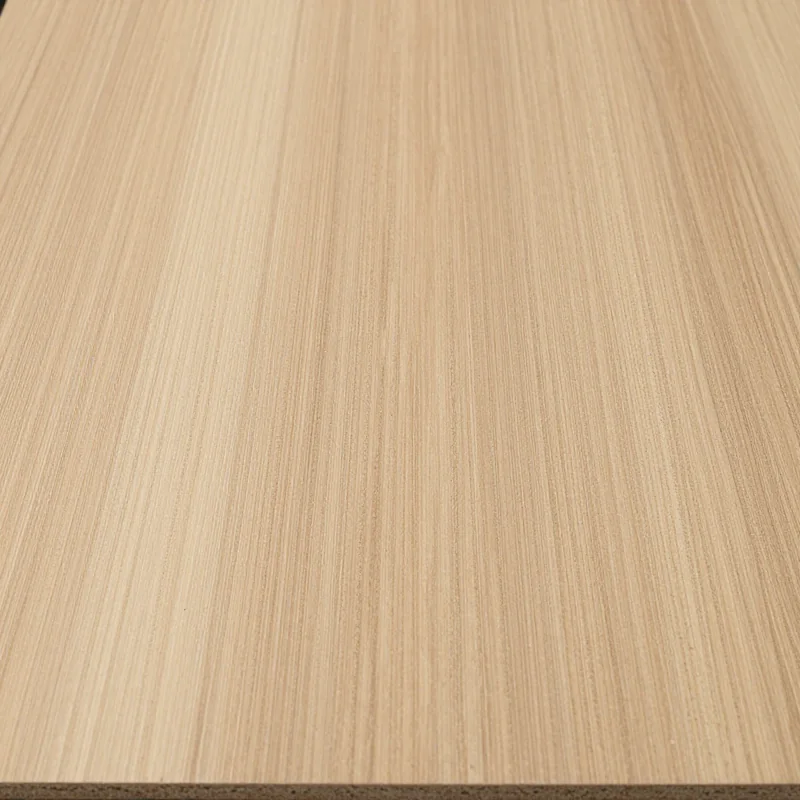
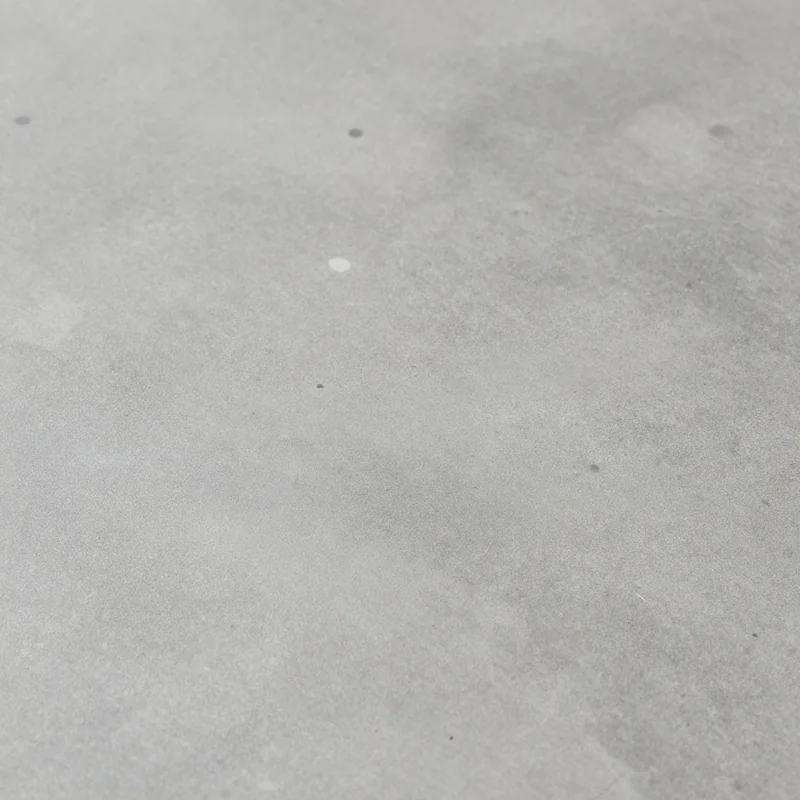
For the carcass we use moisture-resistant Egger and Kronospan chipboard, whose binder and edge protection are designed for a damp bathroom. Ordinary board cut the same way absorbs moisture through the open cut edge, and after a few seasons it swells along the edging rather than across the face. We apply and trim the edging in our 600 m² workshop, where cutting and edge-banding happen, so the board arrives on site with its edges already sealed. Even moisture-resistant board lasts longer when the edges are sealed in the workshop rather than on site — an open cut is the first thing to soak up water.
Where foil-wrapped MDF, enamel and solid wood make sense
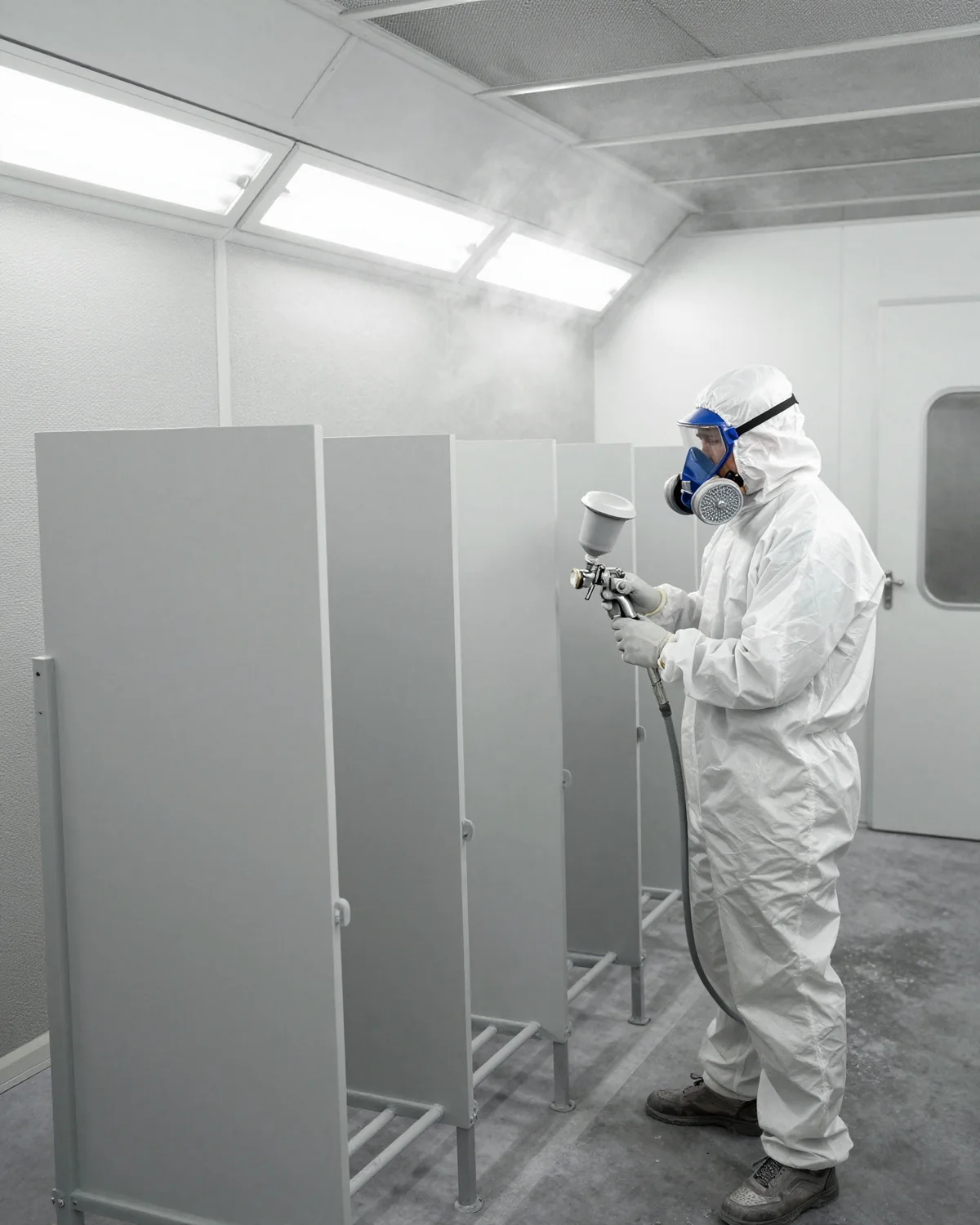
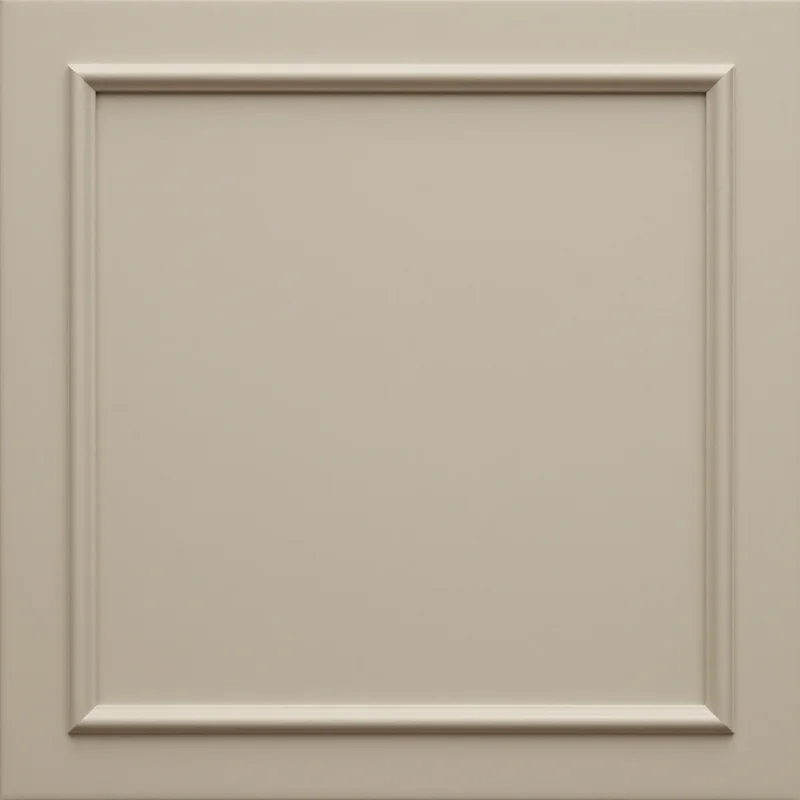
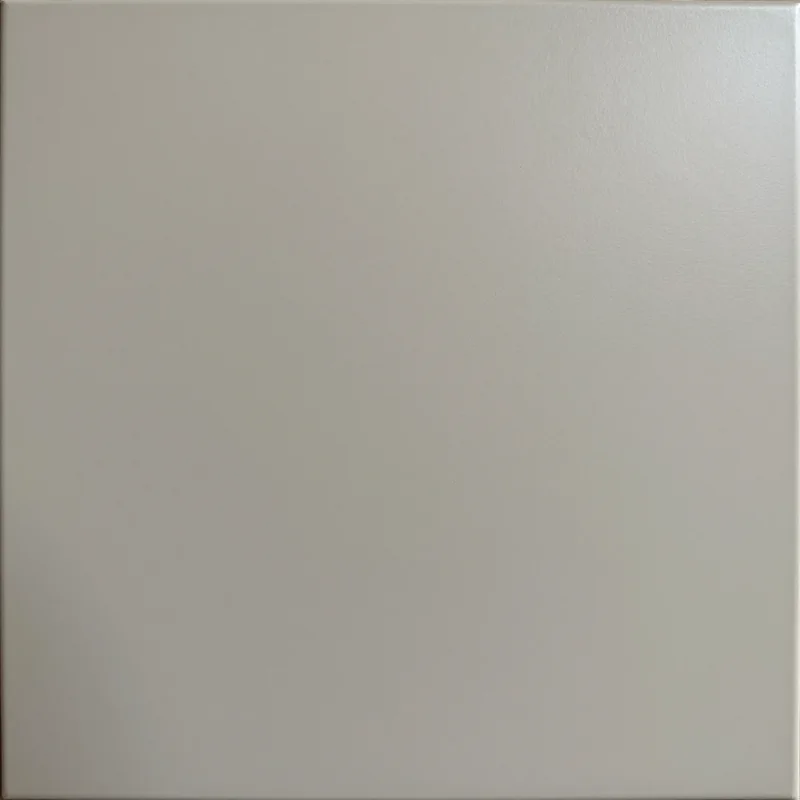
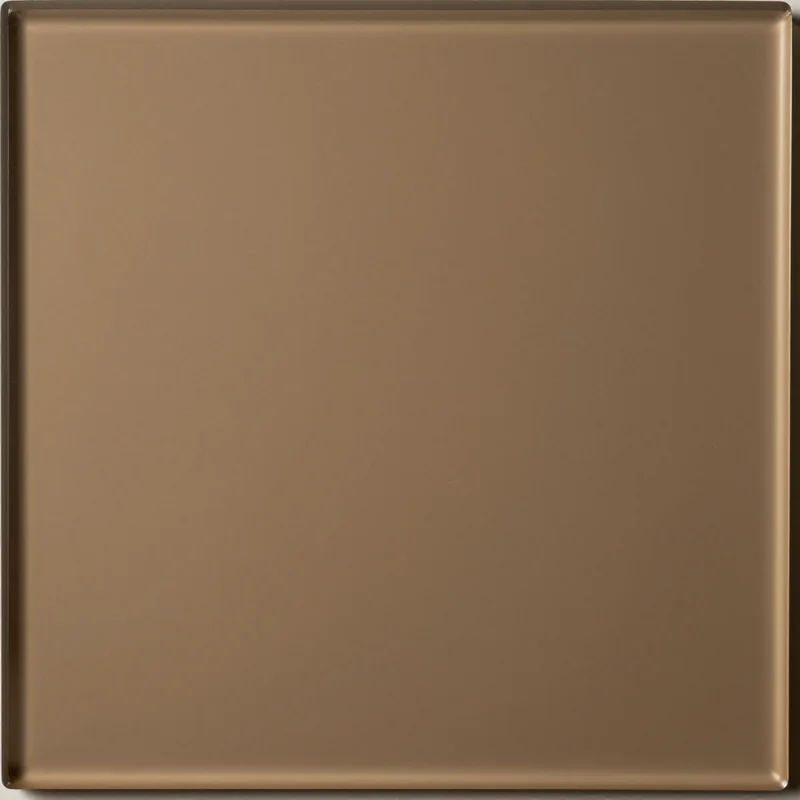
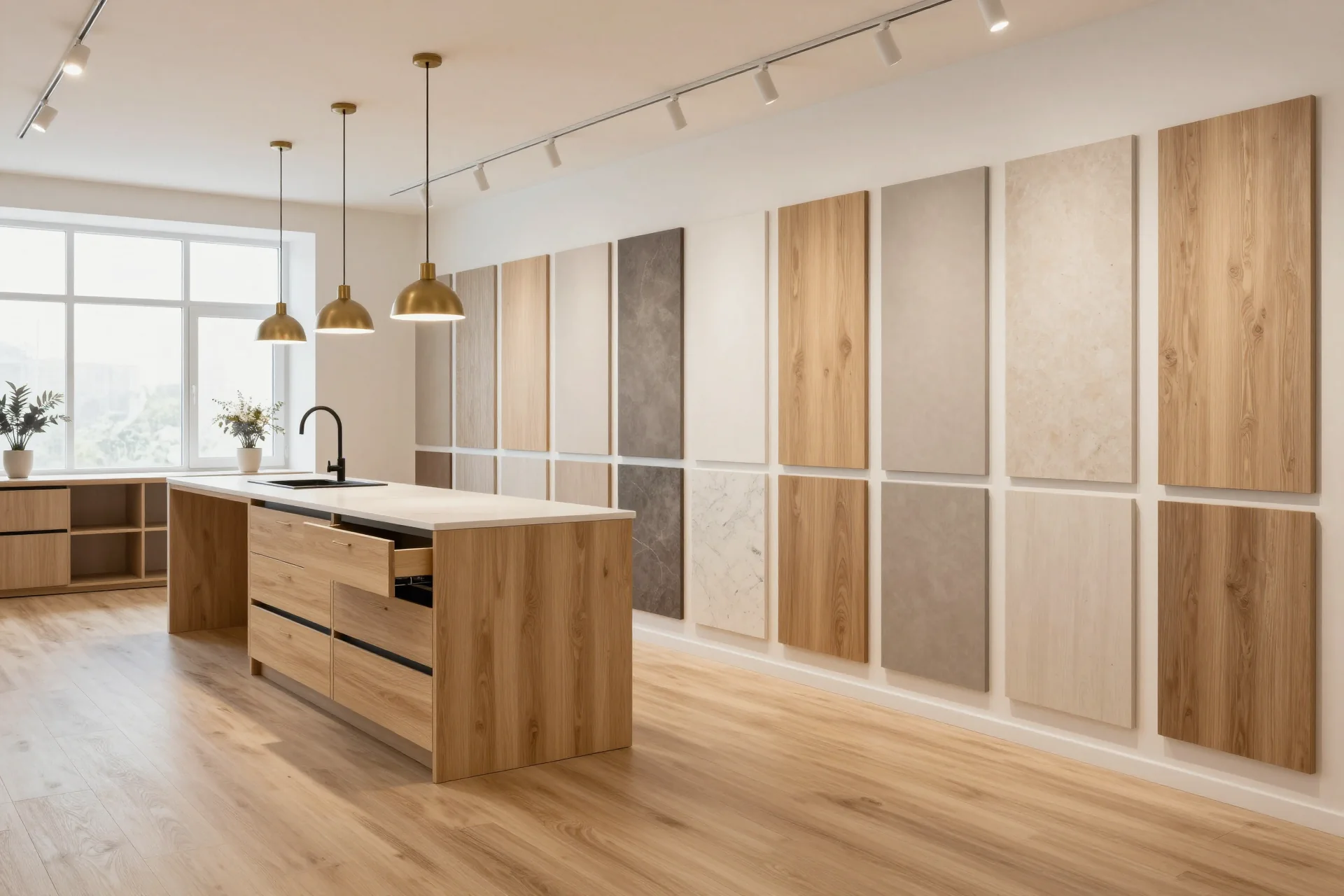
The front is chosen around how you will use the room. Foil-wrapped MDF is the practical choice for a damp space: the foil covers the board across the whole face and around the perimeter, so moisture can't reach the core. Enamel is the option when you want colour: it goes through the workshop's spray booth and dries in layers, giving an even finish, but it needs gentle care without abrasives. Solid wood is for when you want real timber, and it works best away from direct splashes or as an accent.
Carcass and front materials compared
| Material | Where we use it | How it behaves in damp conditions |
|---|
| Moisture-resistant Egger chipboard | carcass | resists moisture when the edges are sealed |
|---|
| Kronospan chipboard | carcass | a practical carcass option |
|---|
| Foil-wrapped MDF | fronts | the foil protects the board from moisture |
|---|
| Enamel | fronts | a painted finish that needs care |
|---|
| Solid wood | fronts | real timber for dry zones and accents |
|---|
| Rattan | fronts, decor | light, for well-ventilated areas |
|---|
Measuring the niche and designing for crooked walls
Off-the-shelf furniture often won't fit a bathroom niche because the walls are out of square and the floor is uneven. That is why an order starts with real measurements, not a catalogue drawing.
How we measure a niche with crooked walls
Our measurer takes the opening's dimensions at several points along the height and width to catch any skew and build it into the design. Width and depth are recorded at the top, in the middle and near the floor, and the diagonals and corner verticals are checked separately — even a 15–20 mm difference changes the carcass geometry and how the doors sit. The measuring visit and 3D design are free and take 1–2 days, so the results go straight into work.
What the 3D design shows before work starts
The 3D design shows how the cabinet will sit in your opening, where the shelves go and how the doors open. MEBLIX technologists draw the routing around pipes and meters, the height of sections for the washing machine, and hinged or pull-out elements — all tied to the actual dimensions from the measuring visit. Approval happens before cutting, so changes to the interior and fronts are discussed on screen, not after the board has been cut.
Installing without gaps between carcass and wall
Our own crews install to the design, in which the carcass dimensions already allow for the skewed walls, so gaps are closed by an accurate fit rather than improvised fillers. The crew levels the carcass, fixes it to the wall and joins the parts in the order set out in the design. We sign the acceptance certificate after installation — you check the fit, the doors and that there are no gaps. A trial assembly takes place in the workshop before the crew leaves, so on site they put together a set that has already been checked.
Carcass design, shelves and working around pipes
A bathroom cabinet holds jars, cleaning products and towels, while pipes and meters run through it. The structure has to carry the load and still leave access to the services.
Why shelves sag and how we prevent it
We calculate shelf thickness and stiffening ribs for the weight of jars and cleaning products, so the shelves don't droop over time. A shelf over 900 mm long with a central support keeps five-litre canisters level, while the same shelf without one bows within a few months. Before ordering, tell us what you plan to store: for heavy containers we fit an 18 mm Egger chipboard shelf edged all the way round.
How we hide pipes and meters but keep them accessible
We design the carcass with cut-outs and removable panels around pipes and meters, so the services stay accessible. In a cabinet built into a niche with a plumbing riser, the back panel follows the pipe's outline, and the meter sits behind a separate door held by magnets or screws that comes off without dismantling the whole cabinet. At the measuring visit our technologists record the position of the riser, branches and shut-off valves and transfer them to the 3D design. The removable panel is made from the same material as the front, so with the door closed the pipe routing is invisible.
Why a bathroom cabinet needs ventilation gaps
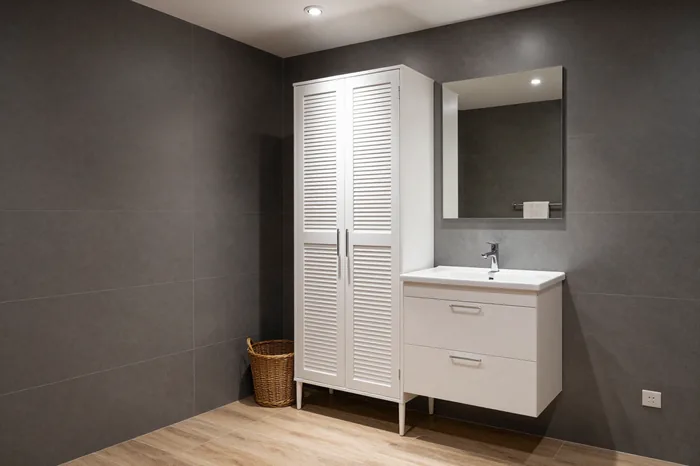
We leave ventilation gaps and offer louvred fronts so that moisture and odours can escape the carcass. A hinged bathroom cabinet gets a 3–5 mm gap along the bottom and a vent grille at the top, while a model with louvred fronts lets air flow straight through the doors without extra holes. A closed carcass with solid walls traps damp, and even moisture-resistant board gradually picks up moisture at the edges. We plan the gaps at the design stage, because altering a finished cabinet on site is much harder.
Hardware and care in a damp room
Bathroom hinges and runners work in constant humidity, so their coating decides how long the doors keep closing smoothly and without rust marks.
Which hardware suits a damp room
We fit Blum, Hettich and Boyard hardware, whose coatings and materials are designed for a damp bathroom. Blum soft-close mechanisms keep the door moving smoothly after thousands of openings, and the steel finish doesn't darken from condensation. Hettich drawer runners have an enclosed mechanism that splashes can't reach, and Boyard covers the budget range without losing smooth movement. Blum hardware carries a 25-year manufacturer's warranty, but how long it lasts also depends on how often the cabinet is aired.
How to look after bathroom furniture
- Wipe dry: remove drops from shelves and fronts with a soft cloth as soon as water gets on them.
- Air it out: leave the doors slightly open after a shower so moisture leaves the carcass instead of settling on the walls.
- Watch the edging: a damaged edge is the first to soak up water, so cover any chips straight away.
- Don't store anything wet: dry damp towels and cloths outside the furniture, or the shelves will be in constant contact with water.
- Check the hinges: tightening and lubricating them every six months keeps the doors smooth and the mechanisms free of play.
Lead times, quality control and terms
A bathroom cabinet order follows a clear route from measuring to the acceptance certificate, and at each stage you can see what is happening with your cabinet. Below are lead times, the trial assembly and payment terms.
How long you will wait
The lead time depends on the material; current lead times are listed in the price table on this page. We put a made-to-order cabinet into production as soon as the 3D design is approved, and the free measuring visit and design themselves take 1–2 days. Chipboard and foil-wrapped MDF are quicker because they don't need lengthy painting, enamel takes longer to dry and polish, and solid wood is the longest option because of drying and finishing the timber. We also take rush orders, but speeding up is only possible with materials that don't need long painting — with enamel and solid wood the time can't be shortened without hurting the finish.
What we check during the trial assembly
Before dispatch we assemble the cabinet in the workshop to check how the parts fit, how the hardware works and that nothing is out of square. In the trial assembly area the carcass is fully joined, the doors are hung, and the movement of the Blum, Hettich and Boyard hinges, the drawers and every shelf under load are tested. If a part doesn't sit right or a front leaves a gap, it is corrected on a machine in the workshop, not on site.
Payment, delivery and acceptance
- Payment: in two stages — a 50 % advance and the balance after the acceptance certificate is signed; we work by bank transfer.
- Delivery: free within Almaty for large orders, with a surcharge for addresses further out.
- Acceptance: the certificate is signed after installation, once doors, drawers and shelves have been checked in use on site.
- Installation: done by our own crews, who also show you how the hardware opens and where the ventilation gaps are.
- Warranty: 24 months on the cabinet under the contract, and 25 years from the manufacturer on Blum hardware.
The bottom line on bathroom cabinets
We have gathered in one place what most often decides how furniture survives in a damp room — from choosing the board to signing the certificate after installation.
- Materials for damp conditions: a carcass of moisture-resistant board with sealed edges keeps its shape longer than ordinary chipboard, which soaks up steam at the cuts and swells.
- Measuring the real space: wall skew is recorded before cutting, otherwise the carcass ends up with gaps along the verticals and in the corners.
- A structure with a safety margin: shelf thickness and stiffening ribs spread the weight of bathroom essentials and stop shelves bowing after a year.
- Access to services: pipes and meters are closed with removable panels, not boxed in for good, so a routine check doesn't mean dismantling the cabinet.
- A transparent process: lead times depend on the material, the trial assembly happens in the workshop before dispatch, and the certificate is signed after installation once everything has been checked on site.