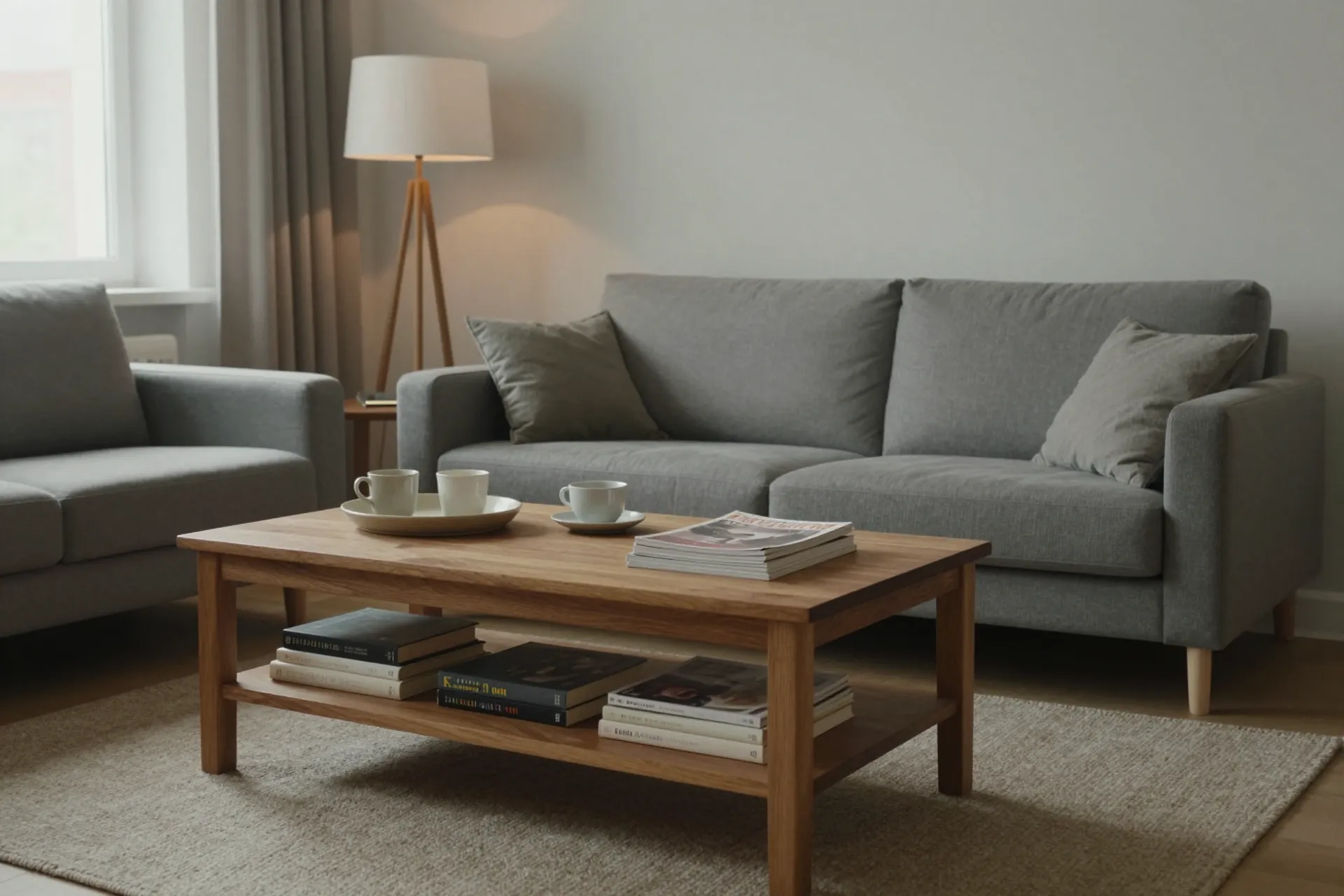
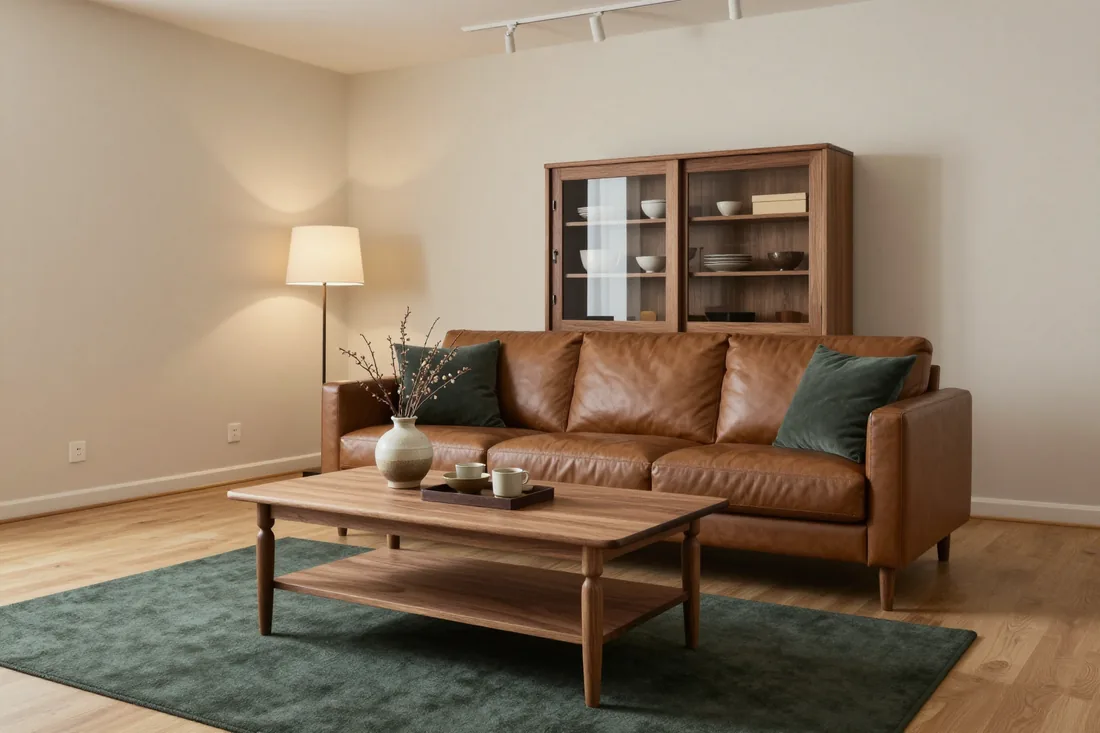
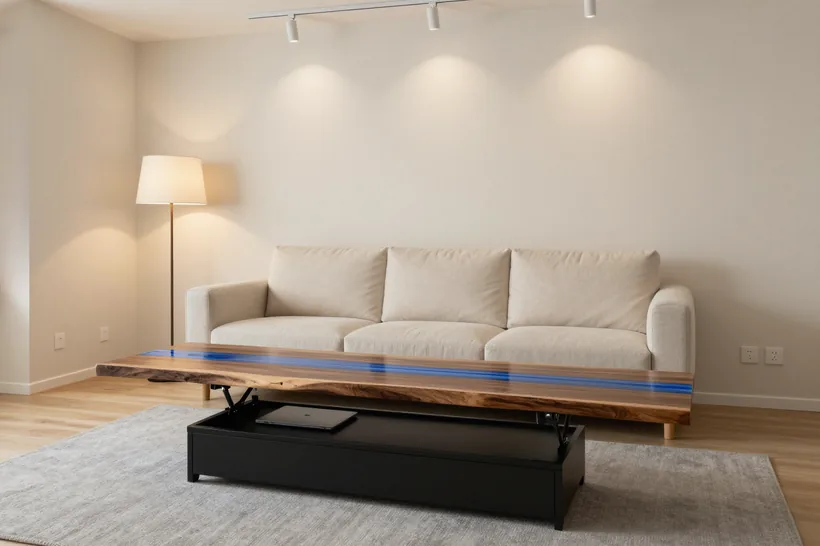
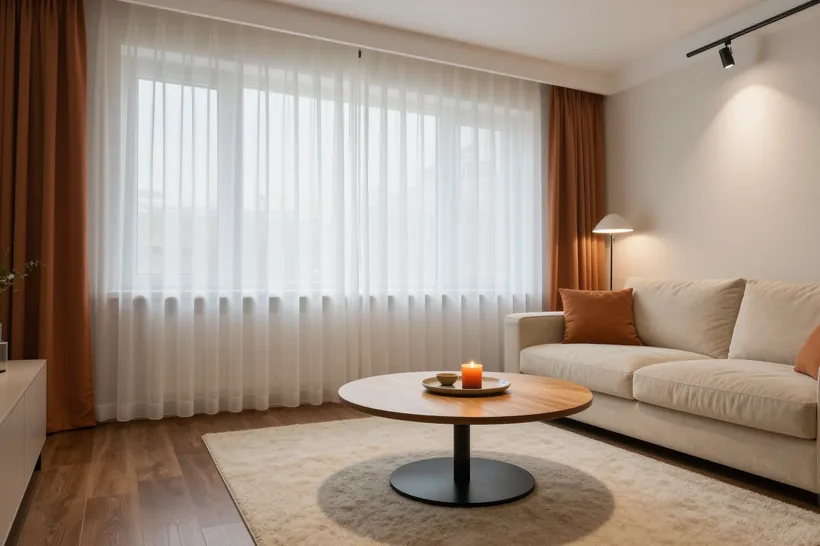
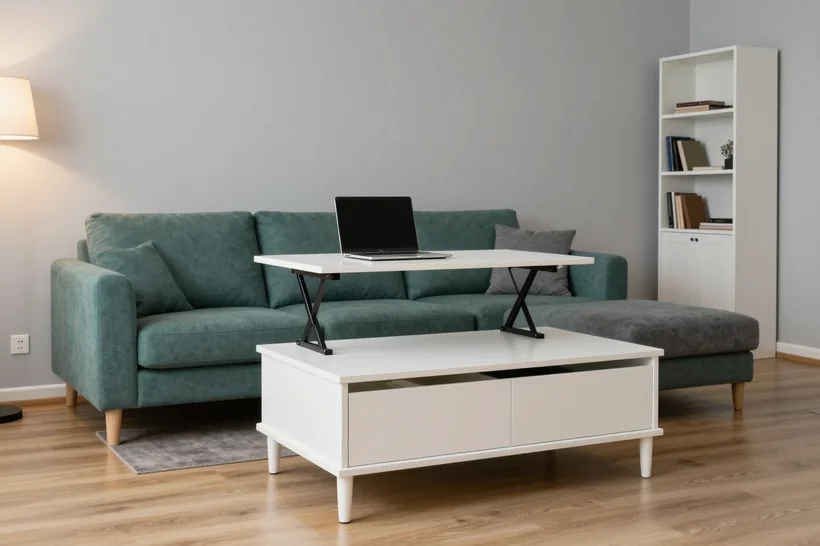
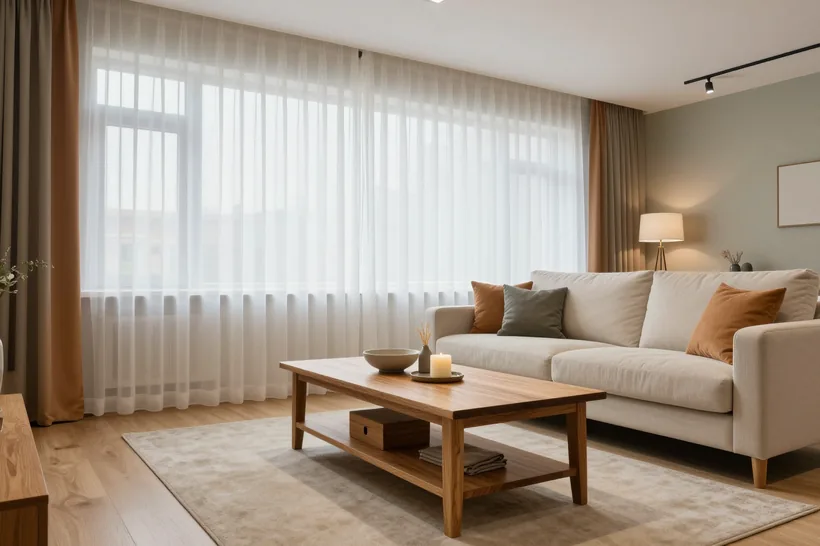
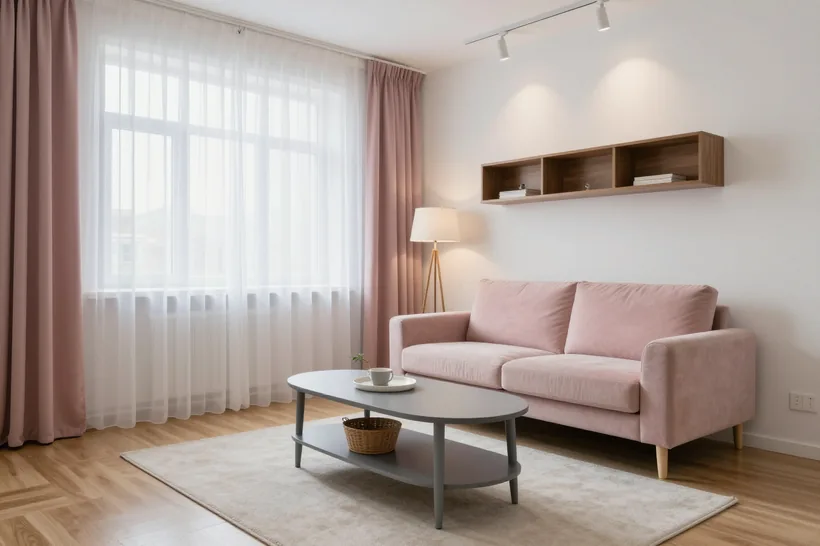
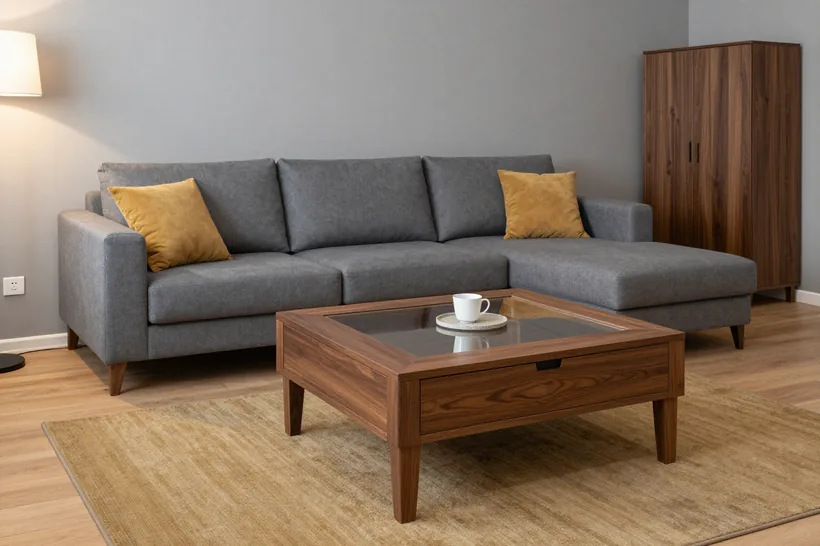
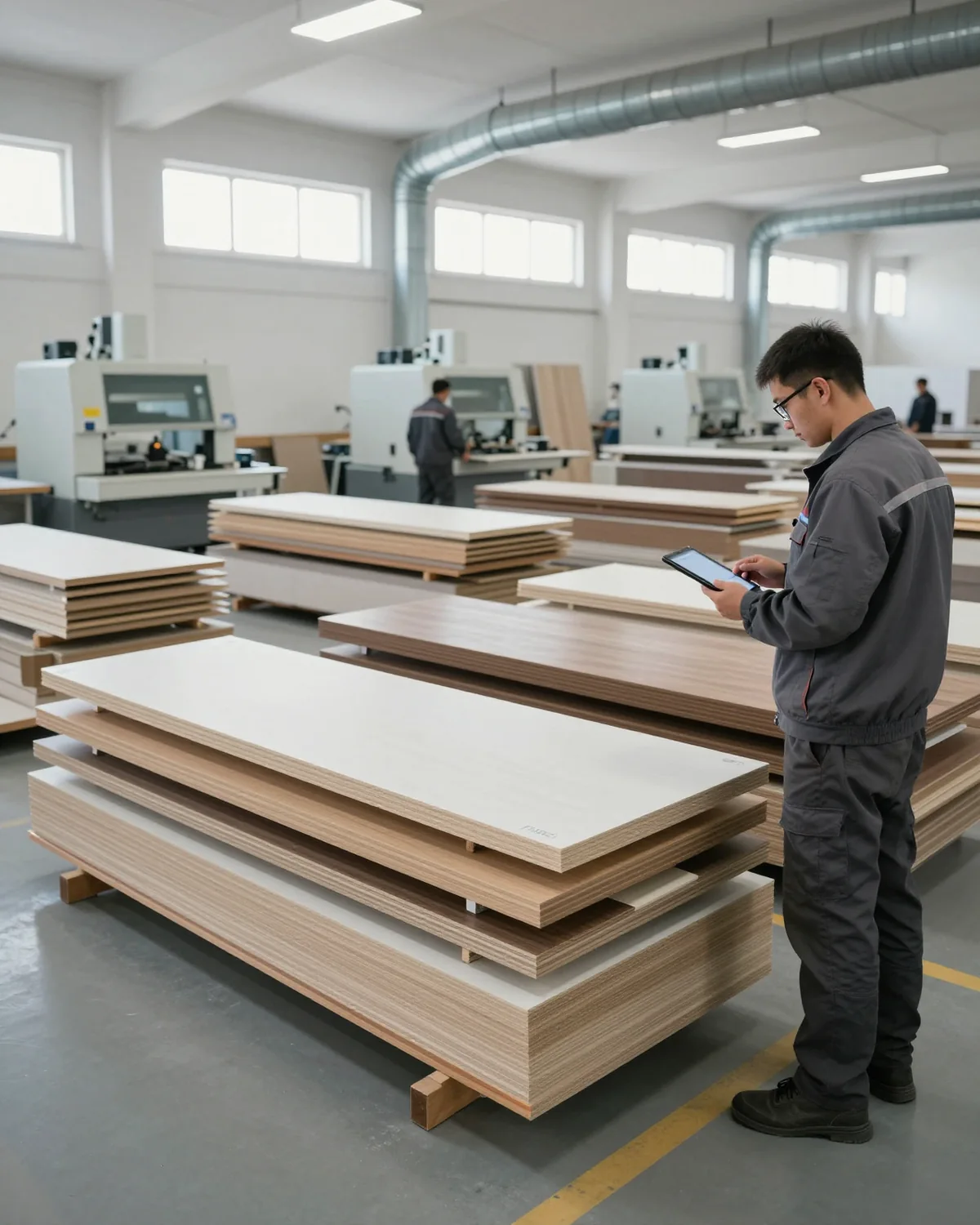
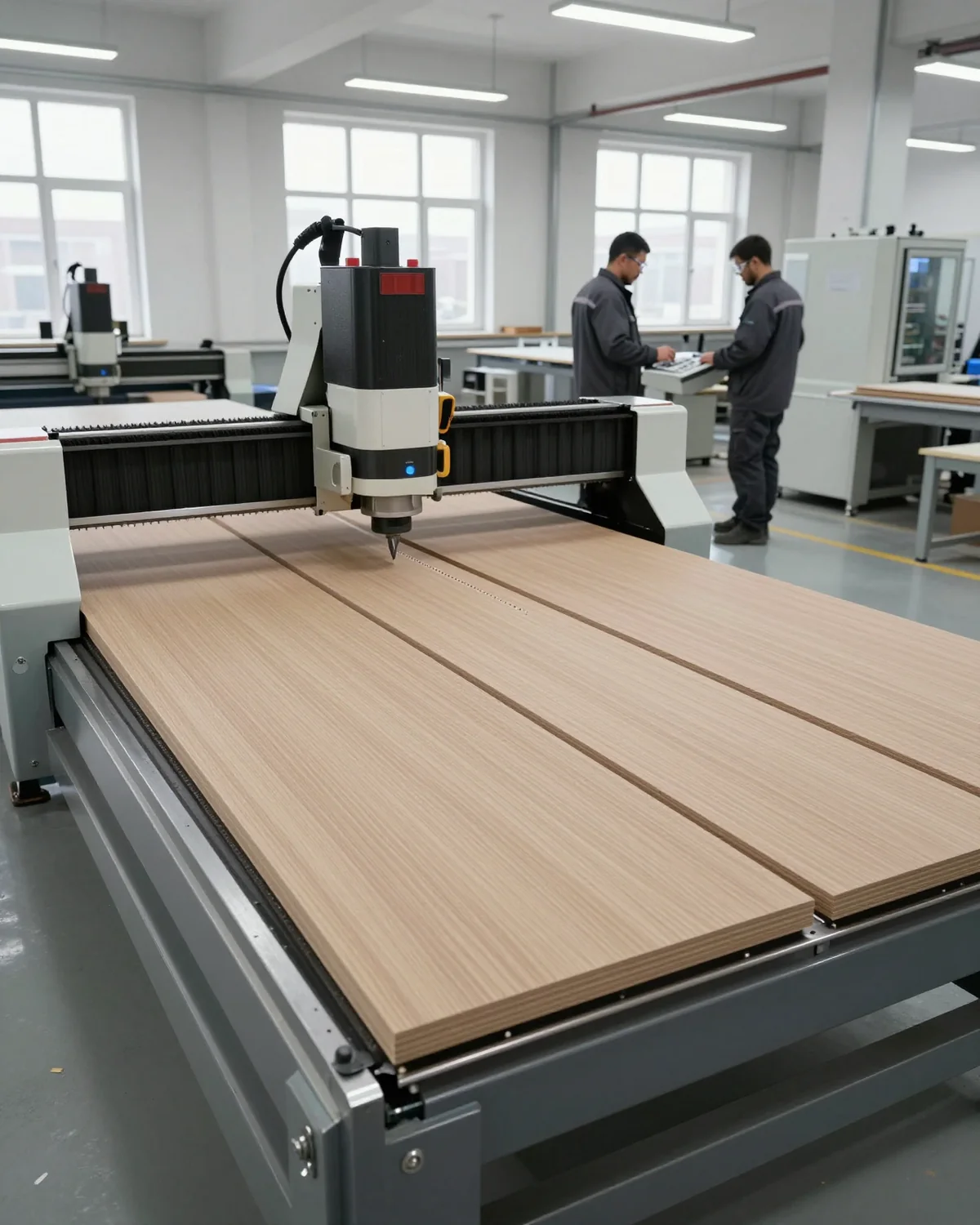
MEBLIX builds a custom coffee table to the exact dimensions of your living room, from the first measurement to installation by our own crews. We design the frame so shelves and tops do not sag, help you choose a top material for daily wear, and hand over the finished piece after a control assembly in our 600 m² workshop.
Sagging is the complaint we hear most about coffee tables, and it rarely comes down to the top material alone. It comes from how the weight is carried underneath.
Why shelves and tops sag and how we stop it
We design every custom coffee table with stiffening ribs and a supported lower shelf, so the span never carries weight on a single thin panel. A 1,200 mm surface in 18 mm board will bow under a stack of art books within a season if nothing sits under its middle, while the same board with a central rib stays flat. We plan the rib layout around where you actually put things: a heavy stack of magazines at one end, a laptop and a lamp at the other. In our workshop the frame is dry-assembled before finishing, so any flex shows up at the bench rather than in your living room. A shelf sags because its free length is too long for its thickness; shortening that distance with a rib or a center support matters more than switching to a thicker board.
Frame and base options compared
Base types matched to table width and daily use| Frame type | Best for | How it handles weight |
|---|
| Wooden base with ribs | Classic interiors, lighter use | Ribs shorten the run, even distribution |
|---|
| Metal base | Wide tables, heavy tops | Long unsupported run, minimal flex |
|---|
| Combined wood and metal | Mixed-material living rooms | Metal carries the run, wood softens look |
|---|
| Pedestal with center support | Square and round tops | Support at the middle, no long free run |
|---|
Storage inside the table without weakening it
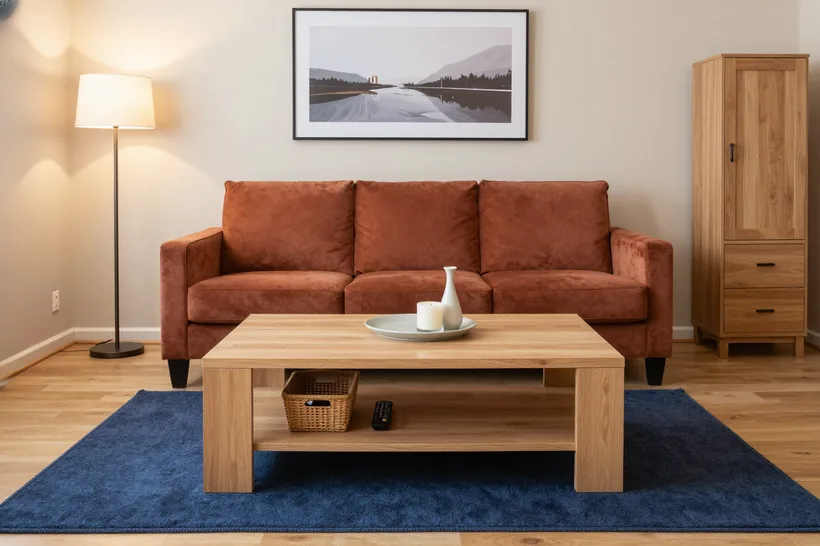
We fit drawers and niches into the frame only where they keep the top supported, using Blum runners for a smooth, self-closing glide. A drawer box needs a clear opening of roughly 400 to 500 mm, so on a narrow table we place it at the end rather than the middle, where the rib runs. Niches for remotes and magazines sit in the lower tier and double as a stiffener when their back panel is fixed to the legs. Blum hinges and runners carry a 25-year manufacturer warranty, which is why we specify them for anything that opens and closes daily. A drawer cut into an unsupported surface is the fastest route to a sagging panel, so storage is planned around the ribs, not through them.
Choosing a top material for a coffee table for daily wear
The surface is the part your household touches every day, so its material decides how the table handles coffee, scratches and repeated cleaning. We compare the options we build and what each asks of you.
Top materials side by side
Five top options compared by durability and upkeep| Material | Wear and spills | Care |
|---|
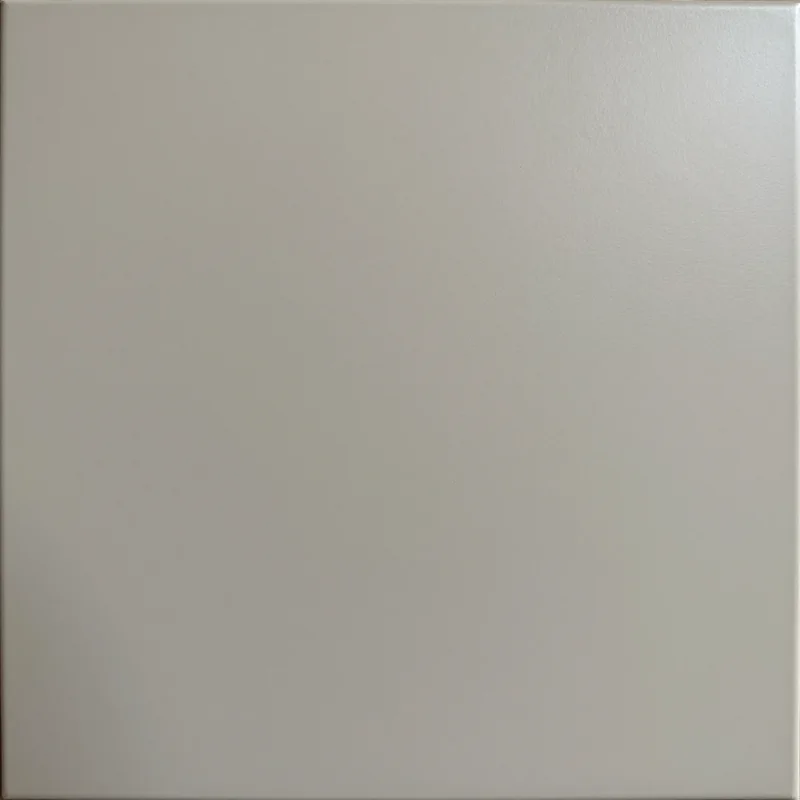
| Laminate and HPL | Resists stains, face can dull | Blot dry, seal edges |
|---|
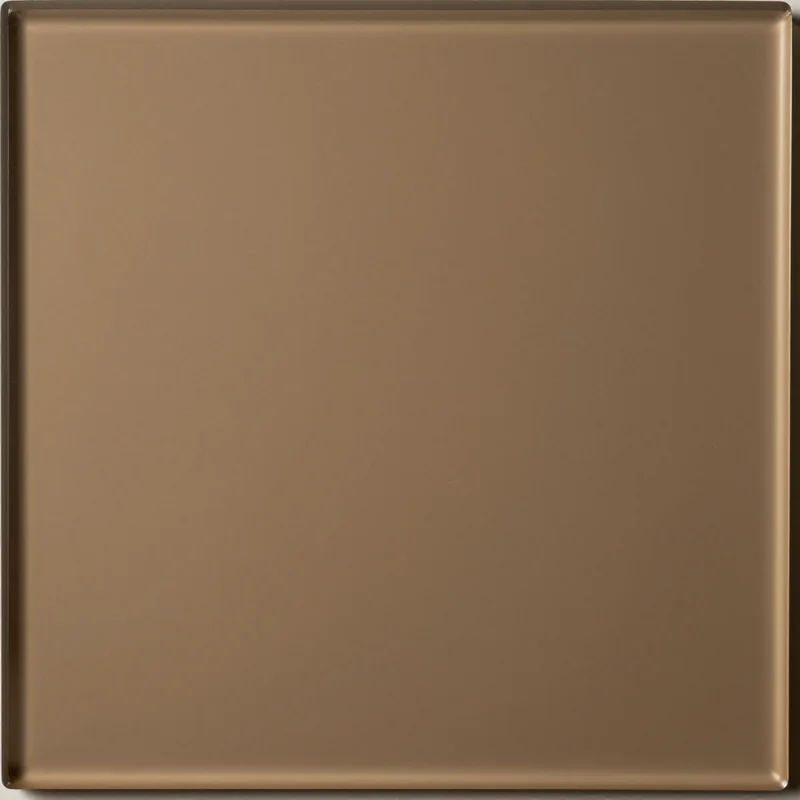
| Acrylic | Warm feel, repairable marks | Polish out scuffs |
|---|
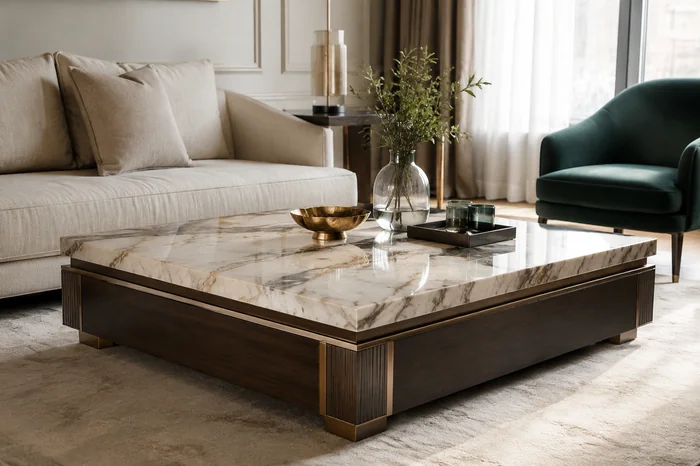
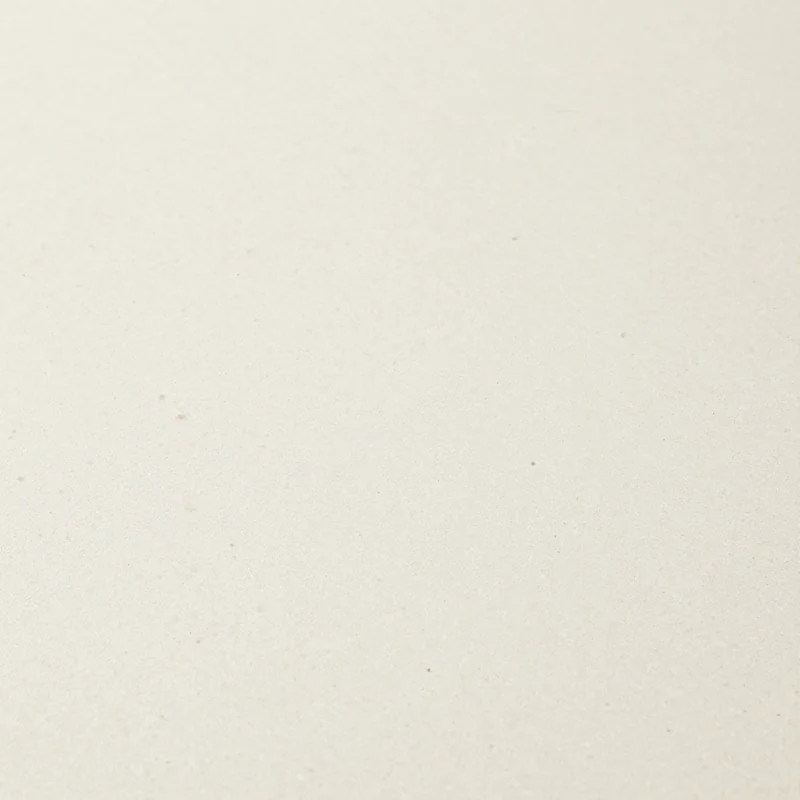
| Quartz | Very hard, non-porous | Damp cloth, no abrasives |
|---|
| Ceramic | Scratch and heat proof | Simple wipe-down |
|---|
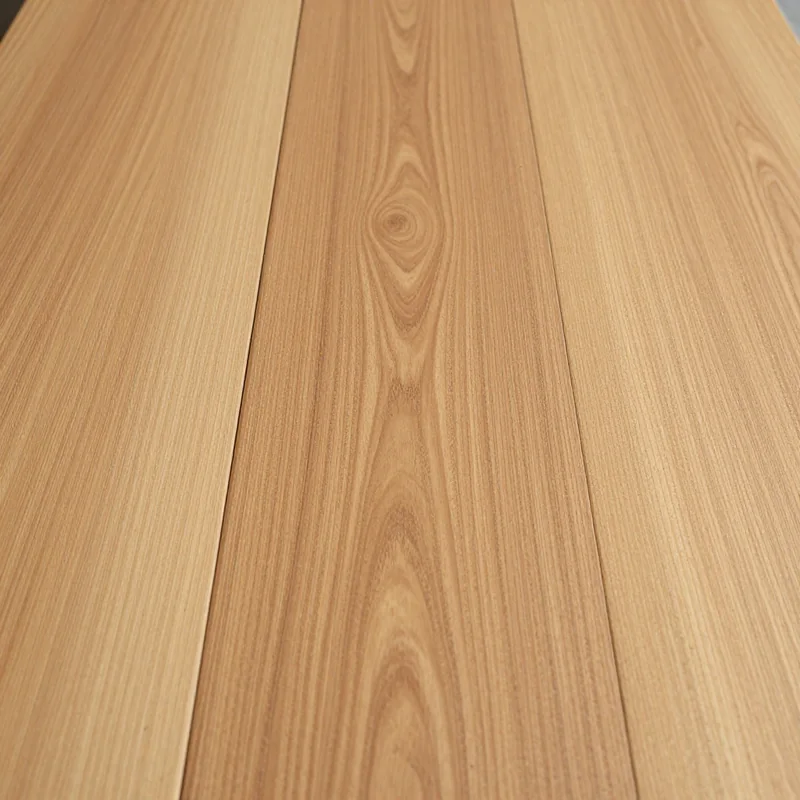
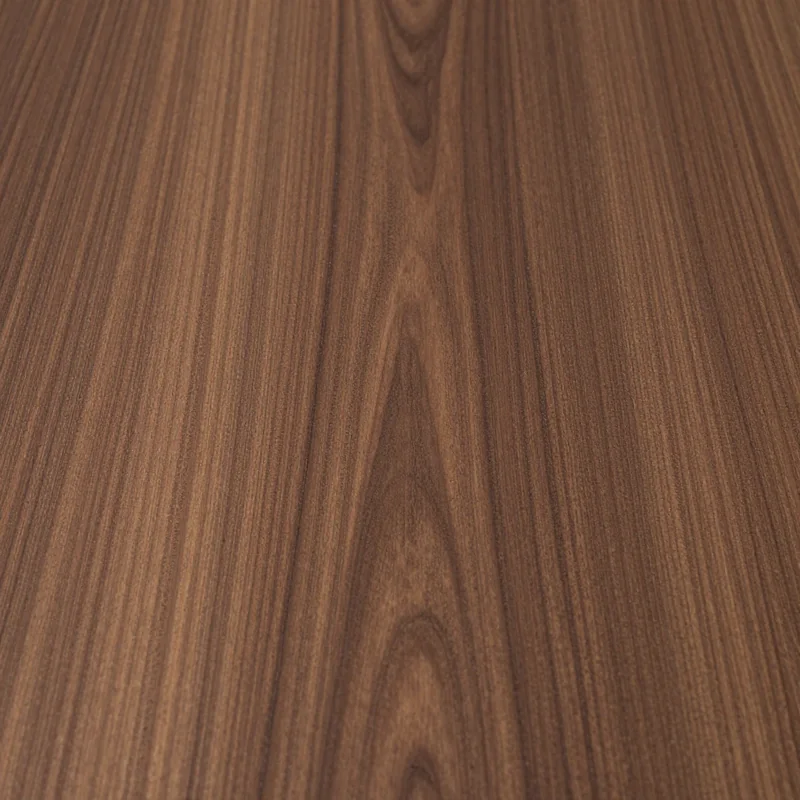
| Solid wood | Ages, dents and patinas | Oil, avoid standing water |
|---|
Which top survives coffee and scratches
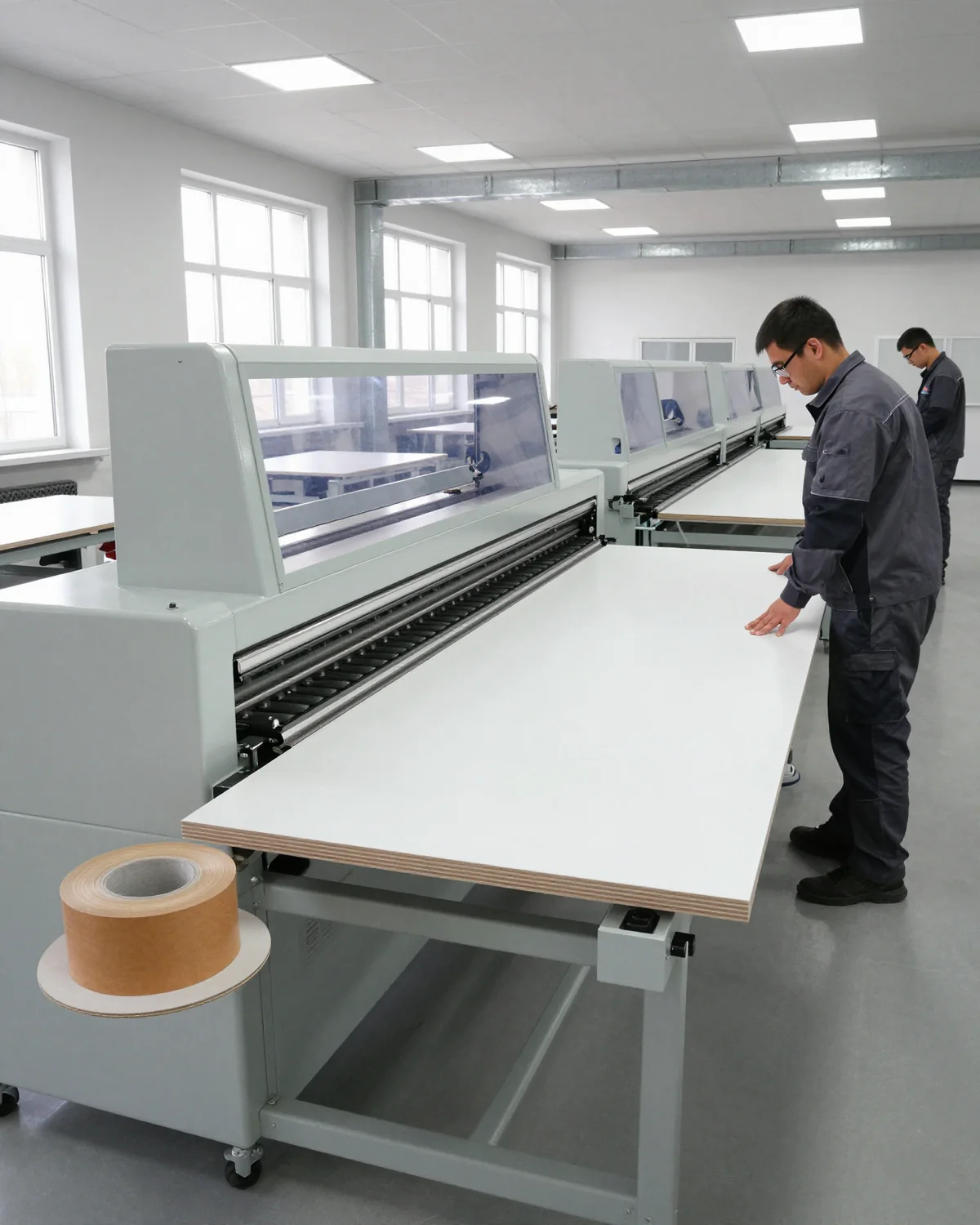
Quartz and ceramic resist both spilled coffee and everyday scratches best, while laminate needs its edges kept dry. A quartz slab is non-porous, so a spilled cup sits on the surface until you blot it, and ceramic shrugs off hot mugs and keys dropped from a pocket. Laminate and HPL handle the face well but depend on the edge banding, which is where moisture gets in and swelling begins. Our workshop cuts and bonds that banding on its own edgebander, so the seam stays tight instead of lifting after a few months of cleaning. On laminate the weak point is the edge, not the face, so a sealed seam lasts far longer than the board itself suggests.
Care that keeps the top looking new
- Laminate and HPL: blot spills promptly and keep the edge banding dry, since swelling starts at the seam.
- Acrylic: clean with a soft cloth and mild soap, then polish light marks out rather than sanding.
- Quartz and ceramic: a damp cloth handles most marks; skip abrasive pads that dull the finish.
- Solid wood: re-oil once the surface looks parched, and always use coasters under hot cups.
- All tops: set mats under hot dishes and blot standing water before it sits overnight.
Fitting a coffee table to your room and uneven walls
A ready-made piece rarely lands perfectly in a real living space. Here is how measurement and a project handle tight sizes, curved surfaces and floors that are out of level.
Measuring for the exact dimensions of your living room
Our free measurement captures the true dimensions of the space, and the 3D drawing is ready in 1–2 days so you approve the size before we cut anything. The technician records the wall-to-wall span, the seat height, the walkway to the balcony door and the swing of every door that opens into the area, then transfers those numbers into the plan. We build made-to-measure coffee tables for apartments across the city, and the same routine applies to a compact lounge and to an open-plan layout. Usable width is usually smaller than the surface the seating rests on, so measuring the walkway and door swing matters as much as the footprint itself.
What to do when the walls are not straight
We shape the surface to the actual wall line, so the piece sits flush with a curved or angled surface instead of leaving a gap. The technician traces the contour with a template, marks the high and low points of the floor, and passes those marks to the workshop, where the panel is cut and edged to follow the real line. Where the floor slopes, adjustable feet take up the difference so the surface stays level while the base meets the ground. A scribed edge follows the real contour, which is why a made-to-measure panel closes gaps that a rectangular off-the-shelf piece cannot.
When a ready-made model does not match the project
A finished table fails when its proportions, height or finish differ from the plan, and the fix is to build to the approved drawing. Showroom pieces are made for a generic interior, so a low sofa leaves the top sitting too high, a deep model eats the walkway, and the veneer tone clashes with the rest of the decor. We compare the approved 3D layout with the actual setting before cutting begins, and that document stays the single reference for every dimension and finish. The mismatch is usually in height and depth rather than width, so checking those two next to the sofa before ordering saves the most returns.
Shape and height for a coffee table and your sofa layout
The shape and height of the table tie it to the seating and to the layout around it. A few simple rules cover most living rooms.
Matching height to your sofa
A coffee table usually sits level with or slightly below the seat, so the surface stays within easy reach. For a low lounge model the working range drops, while a taller seat pulls the surface up with it. When we size a made-to-measure piece, we start from the seat height of the specific sofa rather than from a standard figure, because a straight model and a deep corner one rarely sit at the same level. The front edge landing a couple of centimetres below the cushion keeps mugs and books comfortable to reach without leaning forward. Measuring from the floor to the seat cushion, not to the frame, gives the height that actually feels right when you sit down.
Shape for small and narrow living rooms
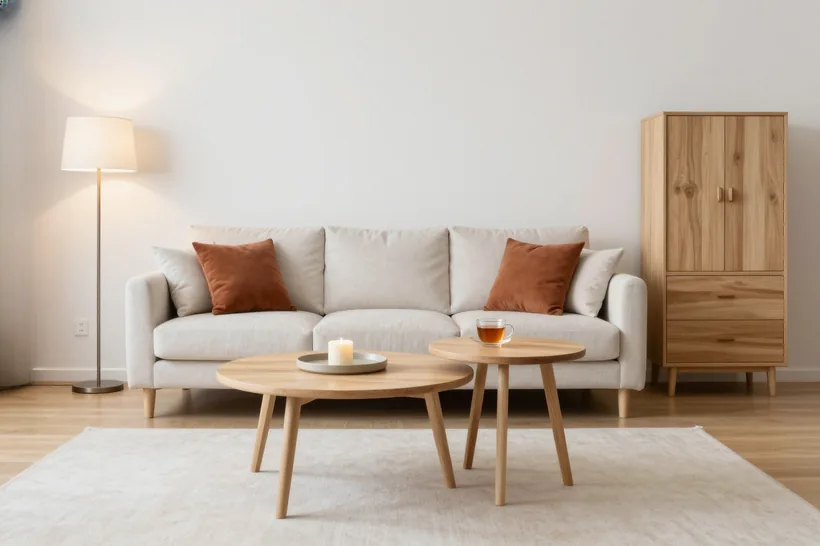
Round and oval shapes suit tight walkways, while a rectangular one fills the space in front of a long couch. In a narrow living room the corner radius matters more than the overall size, because it decides whether people can pass without turning sideways. A square shape works well beside a compact two-seater or a pair of armchairs, and an oval reads lighter in front of a deep corner unit. We size the footprint against the actual walking line, not against the rug, since the rug often runs wider than the clear floor. Leaving a clear gap around the table keeps the layout from feeling blocked. In a tight space the corner radius decides whether people can pass without turning sideways.
Coffee table or occasional table
- Coffee table: a single low centrepiece sized to the main seating, built to hold trays, books and everyday clutter.
- Occasional table: a smaller side piece placed next to an armchair or at the end of the main piece, often one of several.
- Centre versus side: the label does not change the construction, but a centrepiece carries more load and needs a sturdier base.
- Several small pieces: a set of occasional tables gives flexibility in an open-plan room where seating moves around.
From measurement to handover with our own workshop
A direct maker keeps every stage of a custom coffee table under one roof, from the first visit to the signed handover. Here is how the work moves through our shop and who answers for each step.
The order path step by step
- Free measurement: a technologist visits your flat and notes exact dimensions and wall conditions.
- 3D project: we send a full layout within one to two days for your approval.
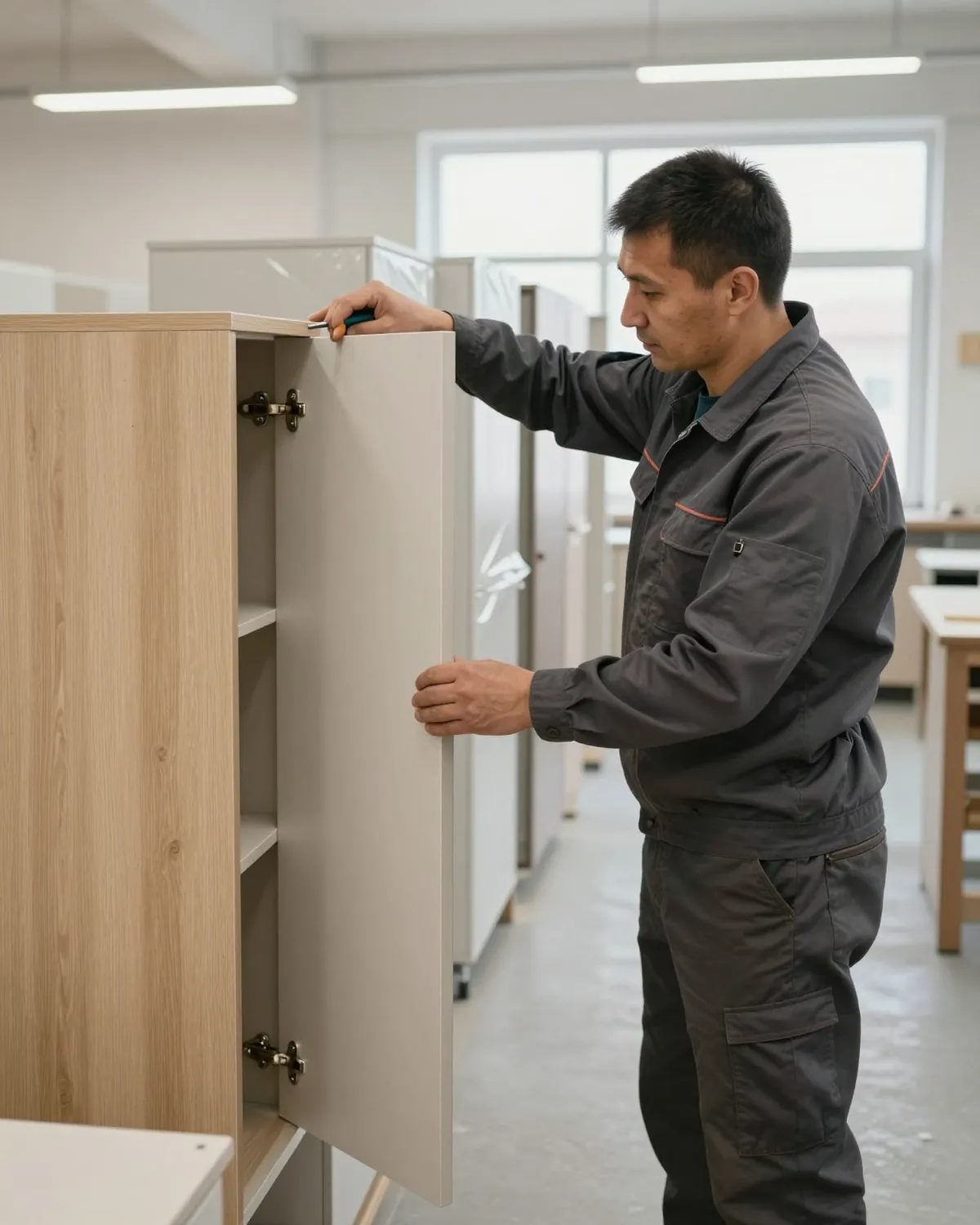
- Workshop build: the same crew cuts, edges and finishes panels with Blum, Hettich and Boyard hardware.
- Control assembly: we put the table together in the shop first to check gaps and alignment.
- Installation: our own crews deliver and mount the piece, levelling it against the real floor.
- Handover: you sign the acceptance act after montage, and the remaining half follows that signature.
Why a direct workshop beats a middleman
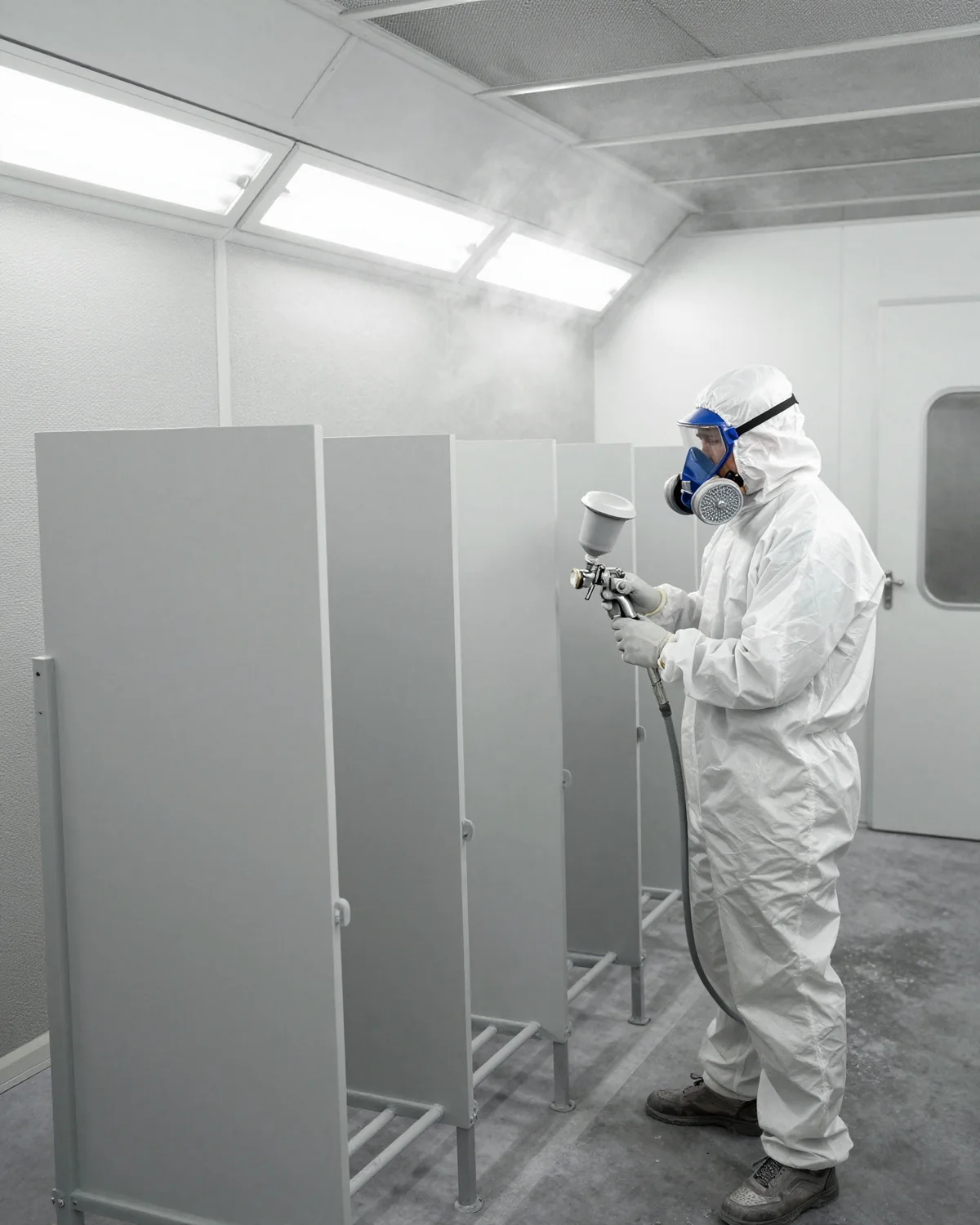
MEBLIX is a direct maker with a 600 m² workshop in Almaty, so a made-to-measure coffee table is not resold ready-made furniture but built to your approved drawings. Cutting, edge banding, painting and control assembly happen on our own floor, which means the person who measures your room is answerable to the crew that builds the frame and the team that mounts it. We work from Egger and Kronospan boards, and the 24-month product warranty runs under the contract rather than through a third party. With a middleman the measurement, build and install sit with different parties, so responsibility for a misfit is easy to pass along.
Repeating a design from a photo
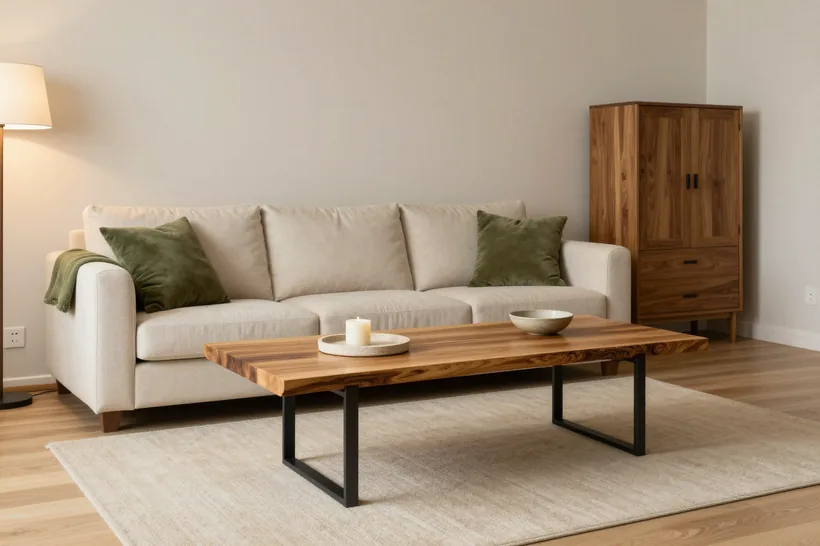
We can repeat a design from your photo, adapting it to the materials and dimensions that fit your room. A reference image is a starting point, not a blueprint: we read the proportions, the edge profile and the base style, then rebuild them around your sofa height and the free space you actually have. The 3D project shows the result in your own room before a single panel is cut, and you can swap the top material or the leg shape at that stage without redoing the drawings. A photo shows the look but not the joinery, so we rebuild the hidden frame to carry real load rather than copying only the visible shape. Send two or three angles if you have them — the underside and the joints tell us more about the original than the front view does.
The bottom line on coffee tables
A coffee table is chosen once for years of daily use, so the deciding factors are structural and practical rather than decorative.
- Rigid construction: ribs and a braced frame stop the surface and shelves from sagging under books, laptops and serving trays over time.
- Top material matched to wear: the surface should suit how often the table takes cups, spills and scratches, and how much care you are ready to give it.
- Measurement and project: exact dimensions plus a 3D drawing solve uneven walls and tight layouts before cutting starts.
- Shape and height for your sofa: seat height and room width decide whether a round, oval or rectangular table actually works.
- One responsible party: measurement, production and handover signed off by a single team removes the gaps between a drawing and the piece in your room.