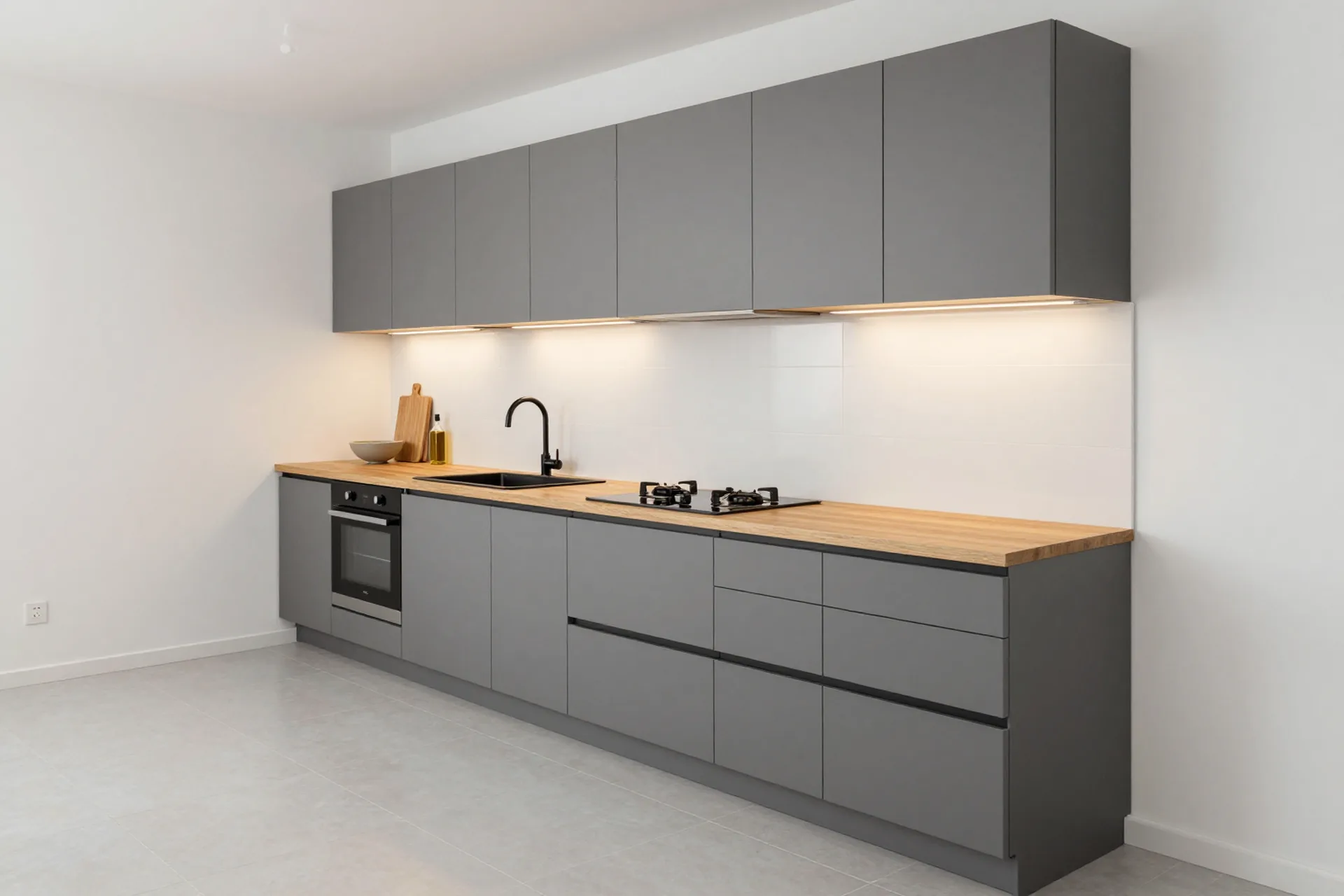
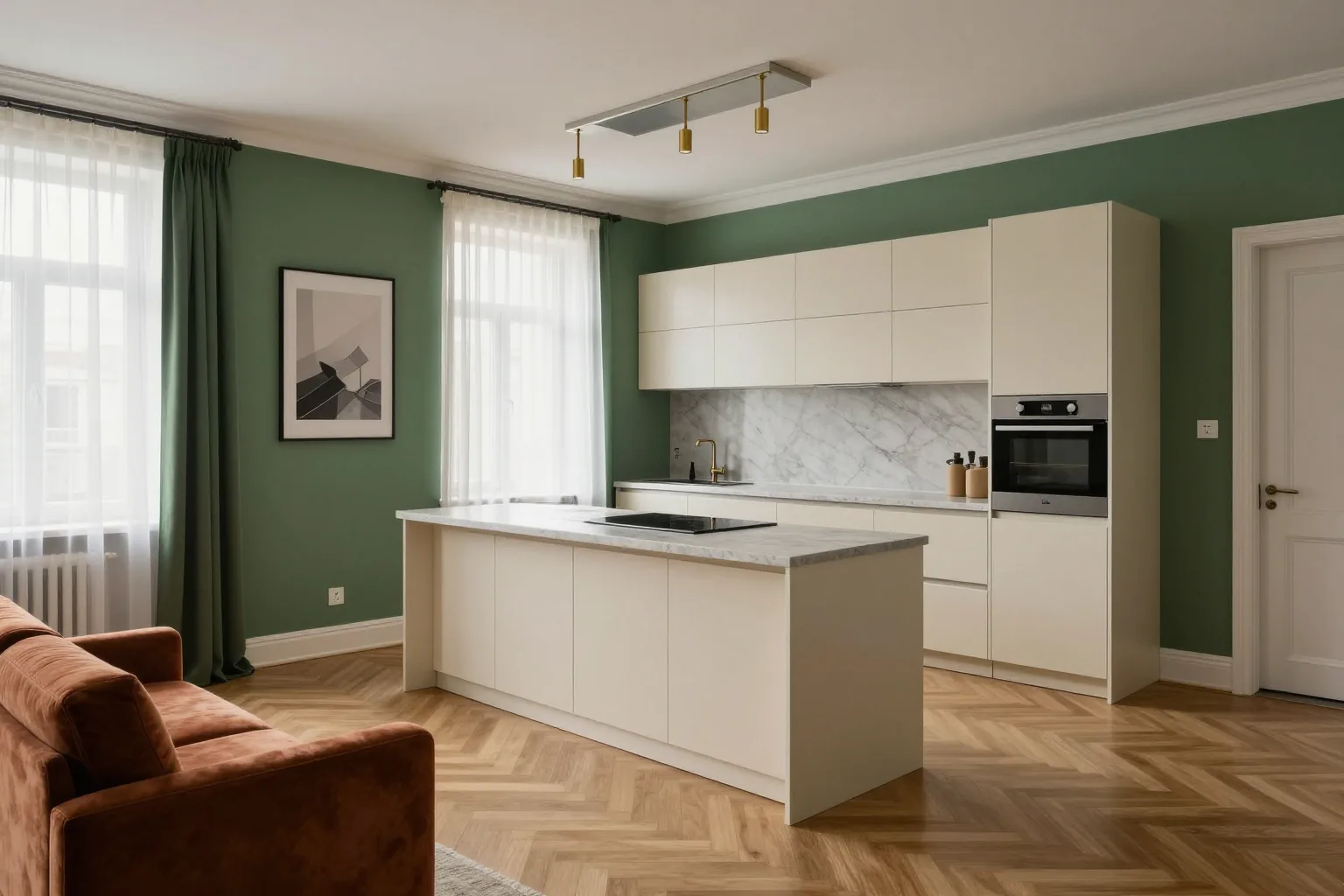
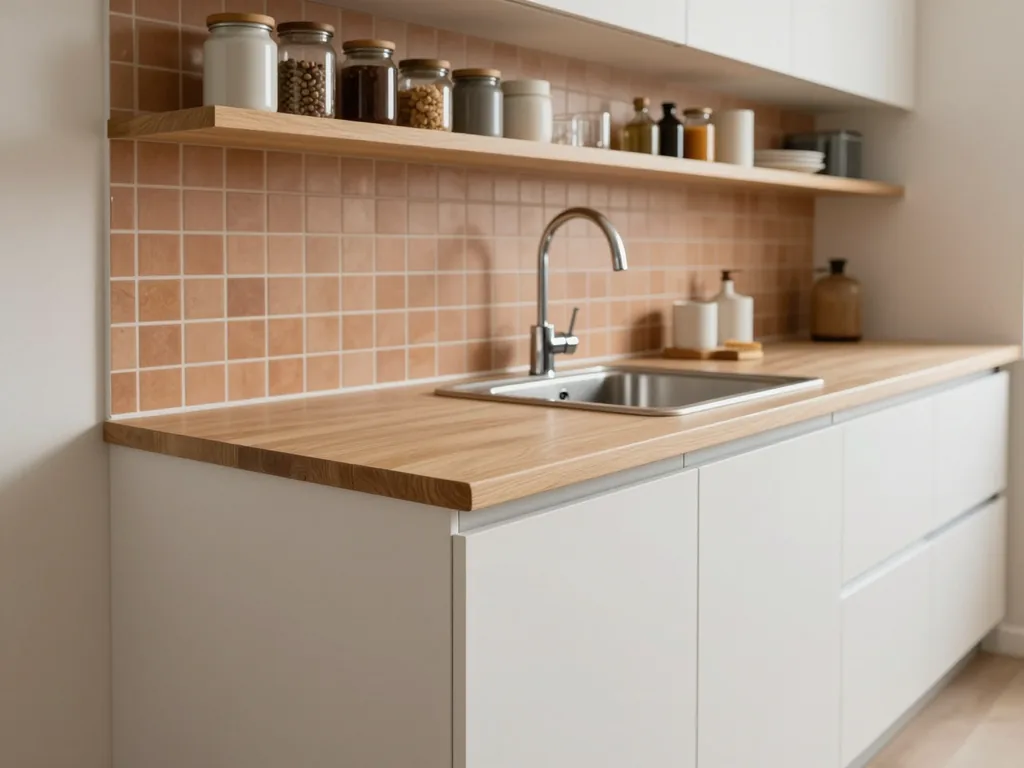
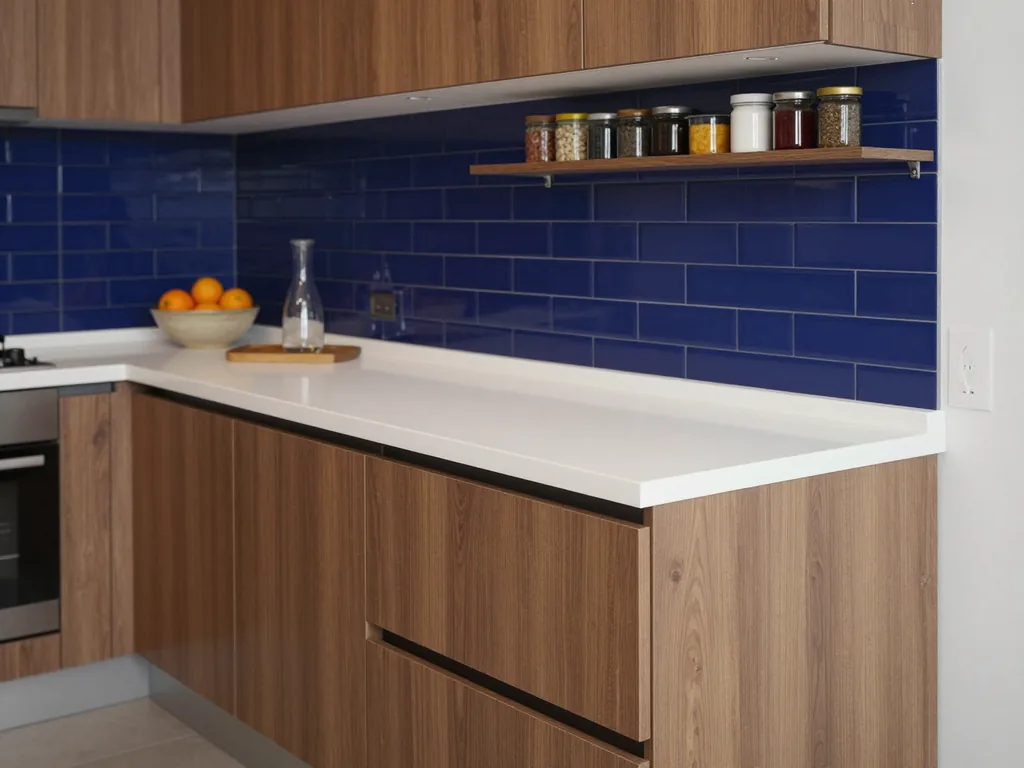
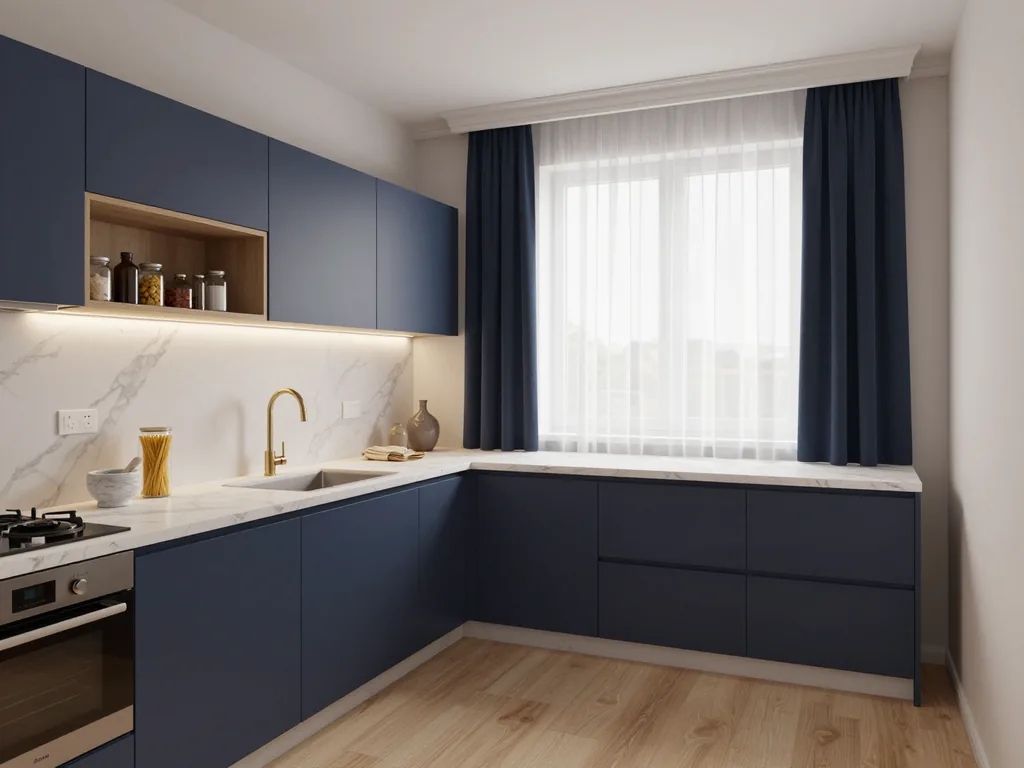
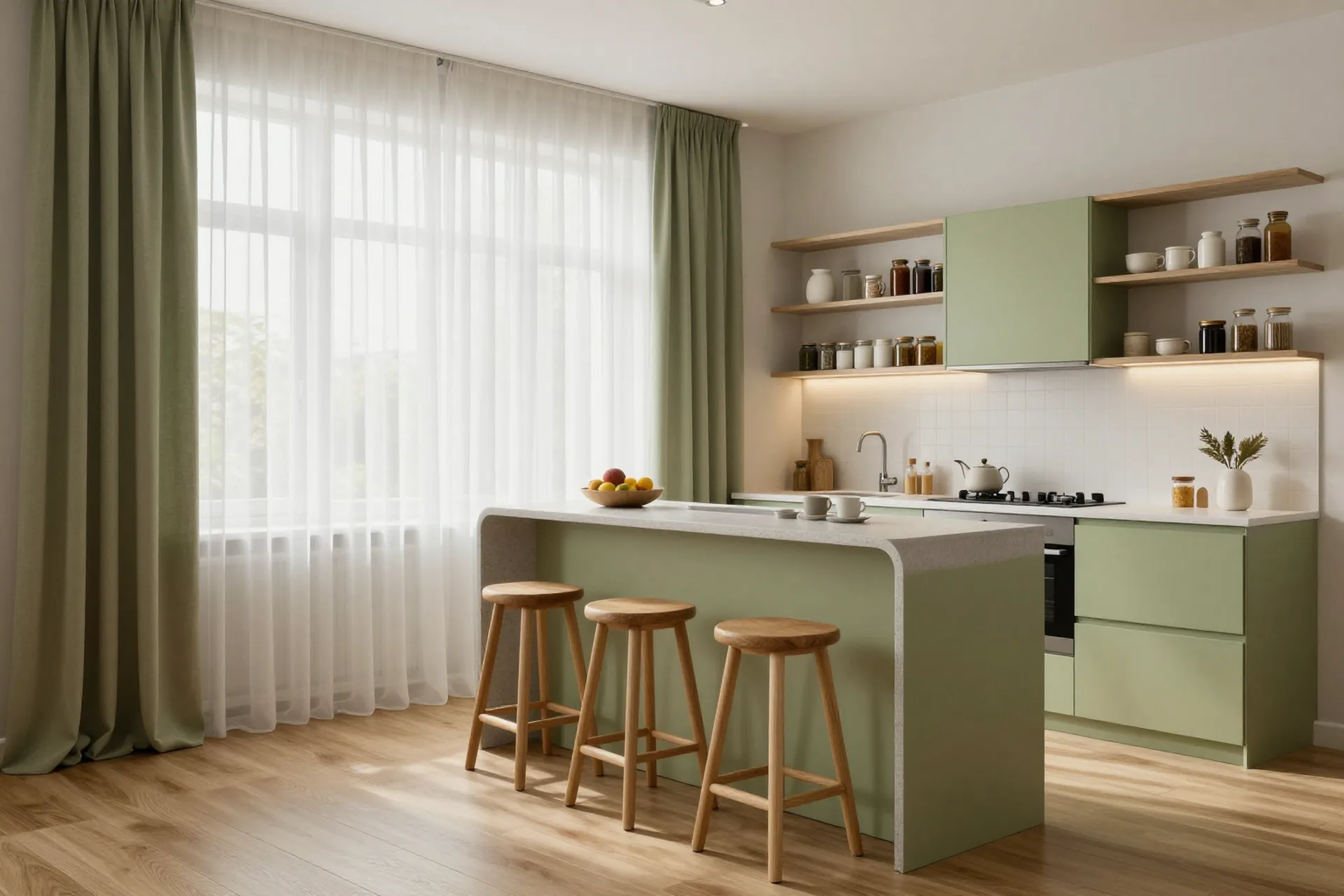
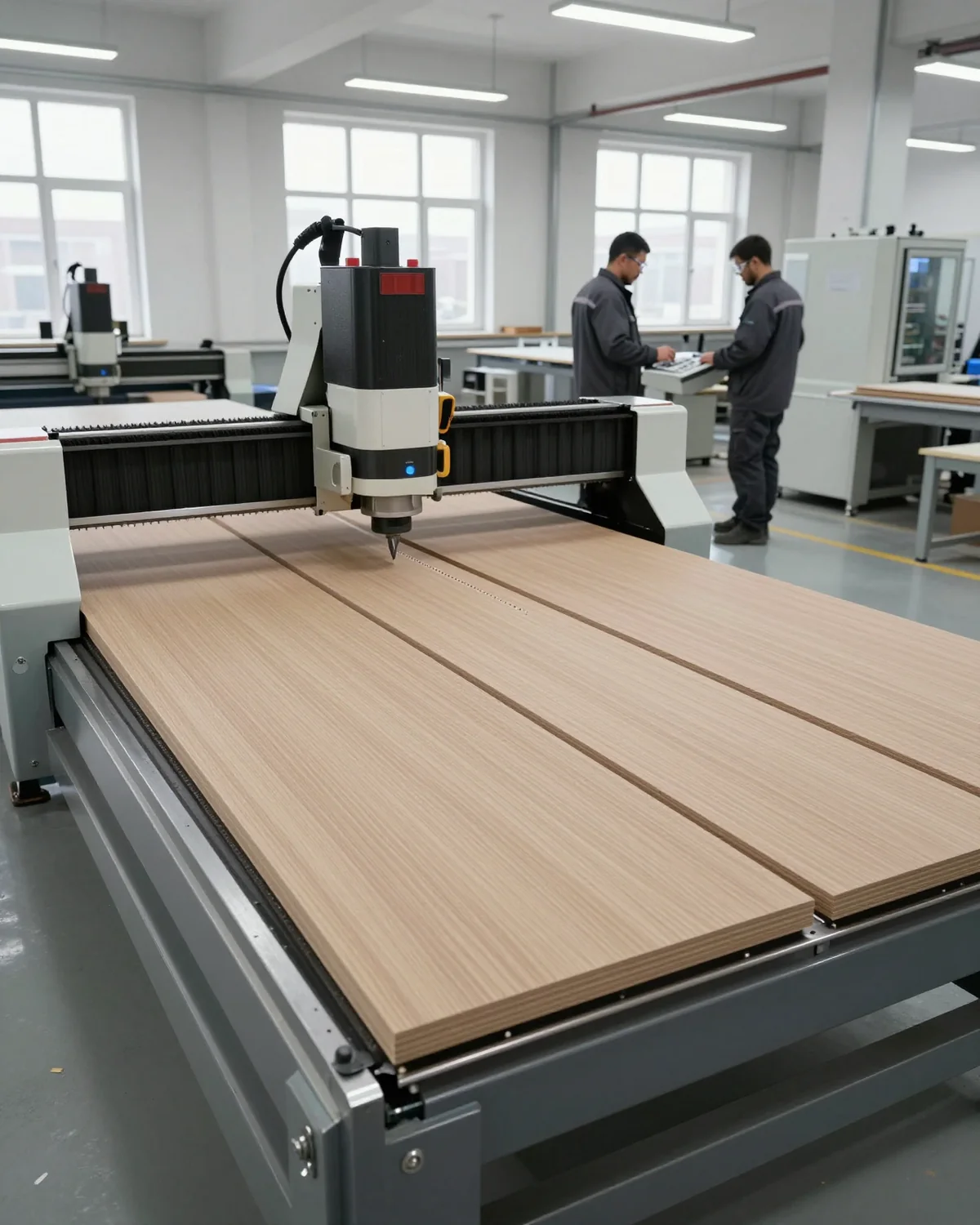
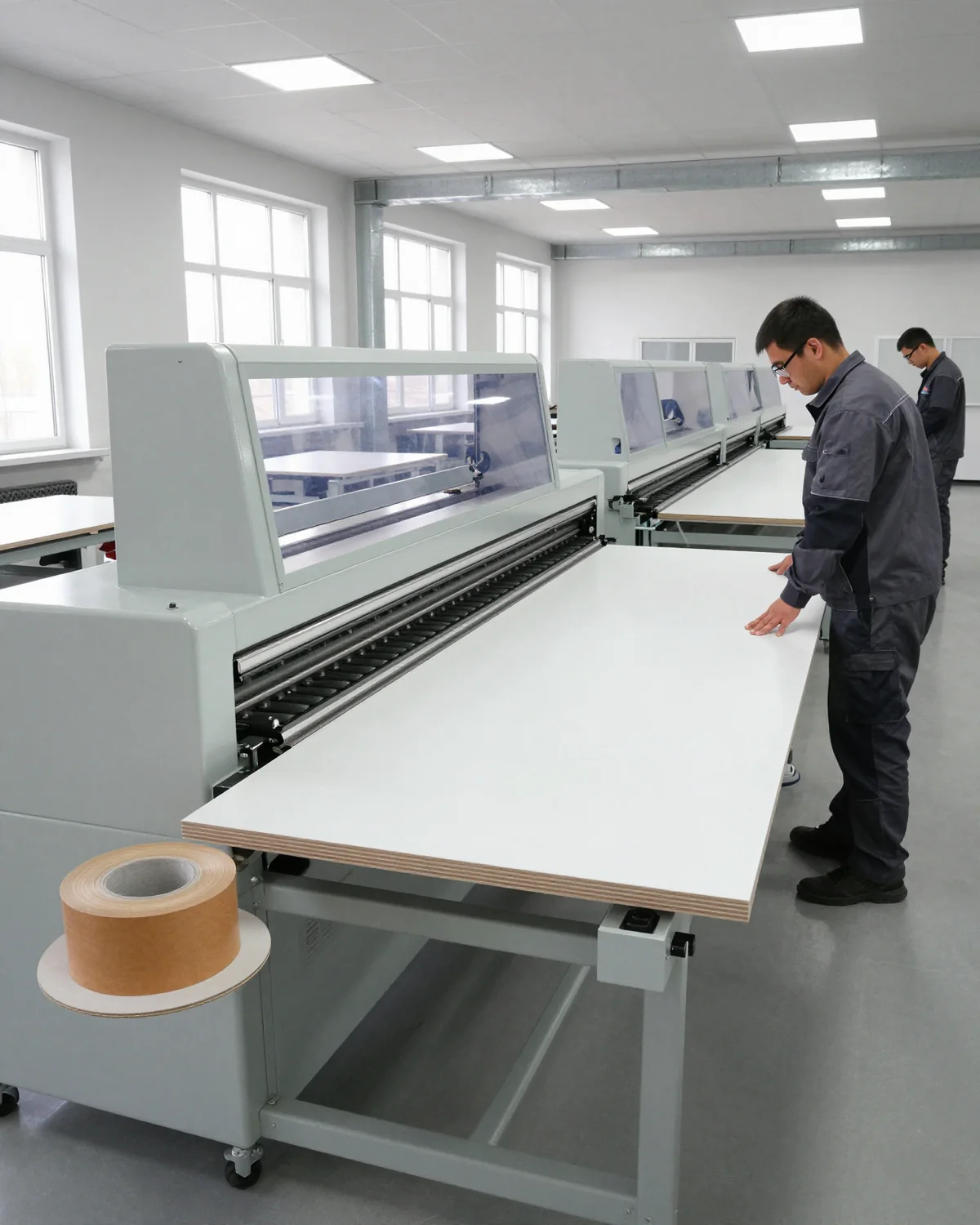
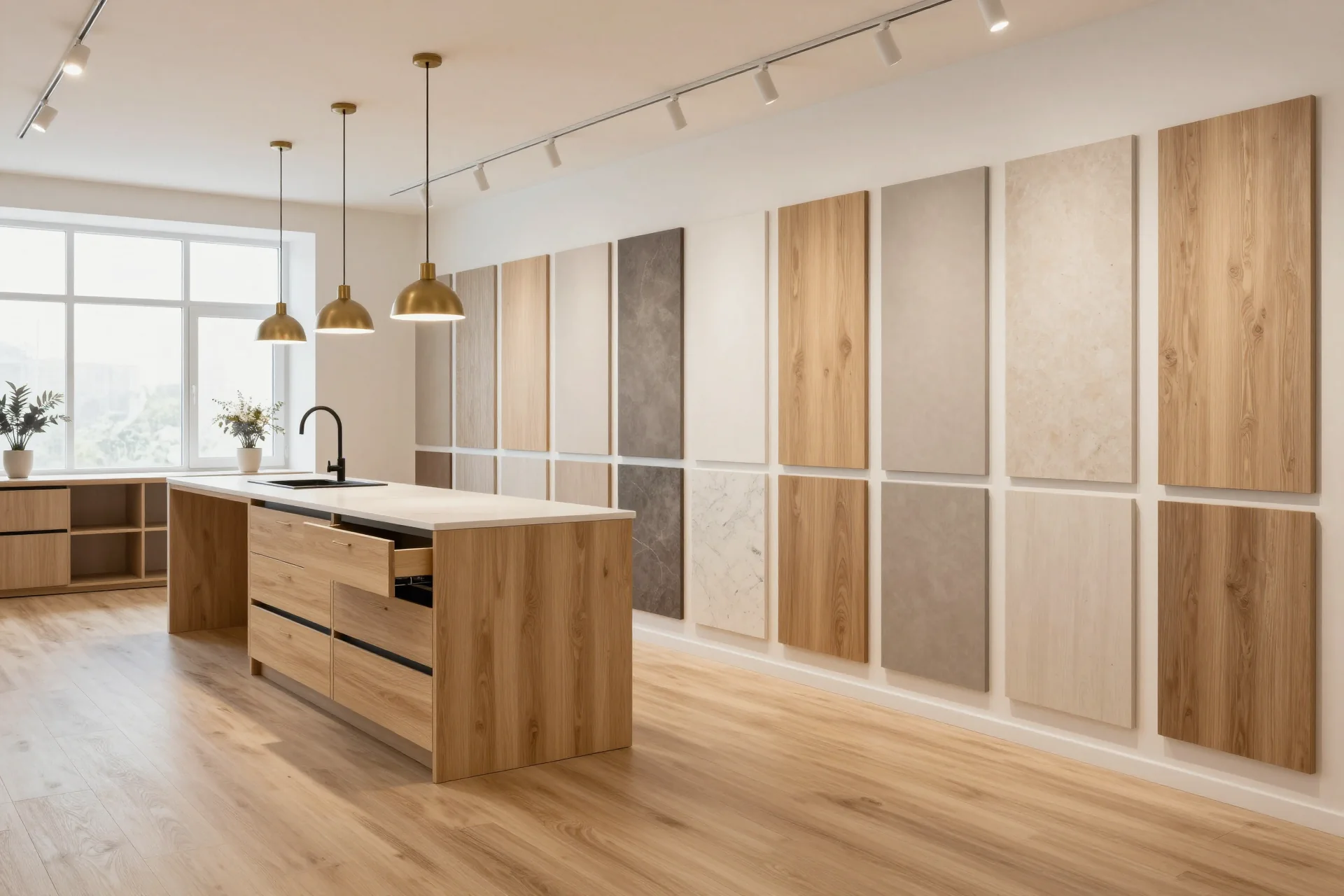
MEBLIX makes kitchen worktops to the exact size of your kitchen: a free measuring visit and a 3D design within 1–2 days, cutting and edging in our own 600 m² workshop, and installation by our own fitting teams. We have been working in Almaty for 13 years and have completed more than 3 500 projects, over 900 of them kitchens. Every worktop comes with a 24-month warranty under the contract.
The material decides how the surface will look a year from now, after daily contact with hot pans, knives and water around the sink. That is why we choose it by the load it will take, not by how it looks in a picture.
Chipboard and HPL, acrylic or quartz
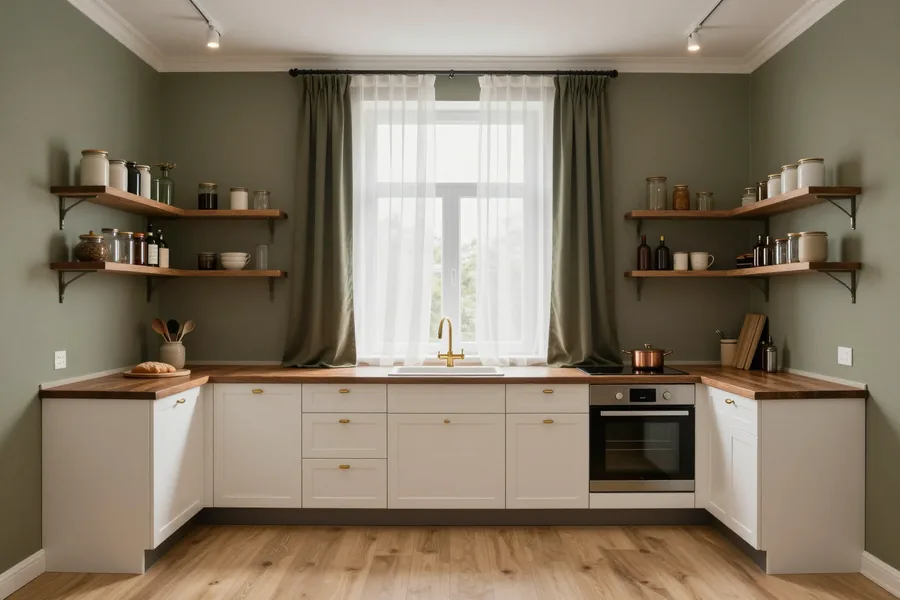
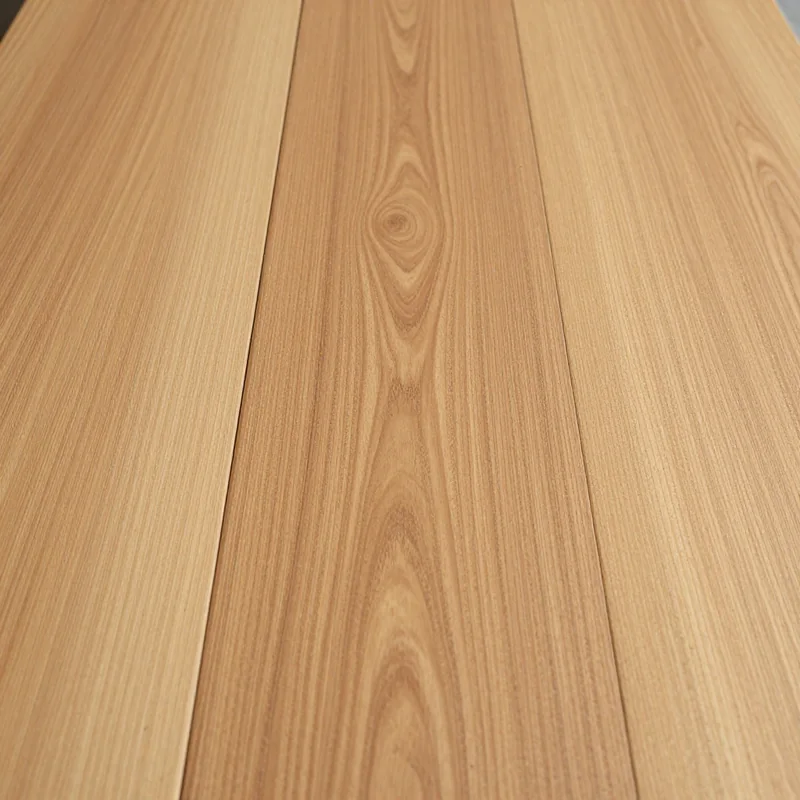
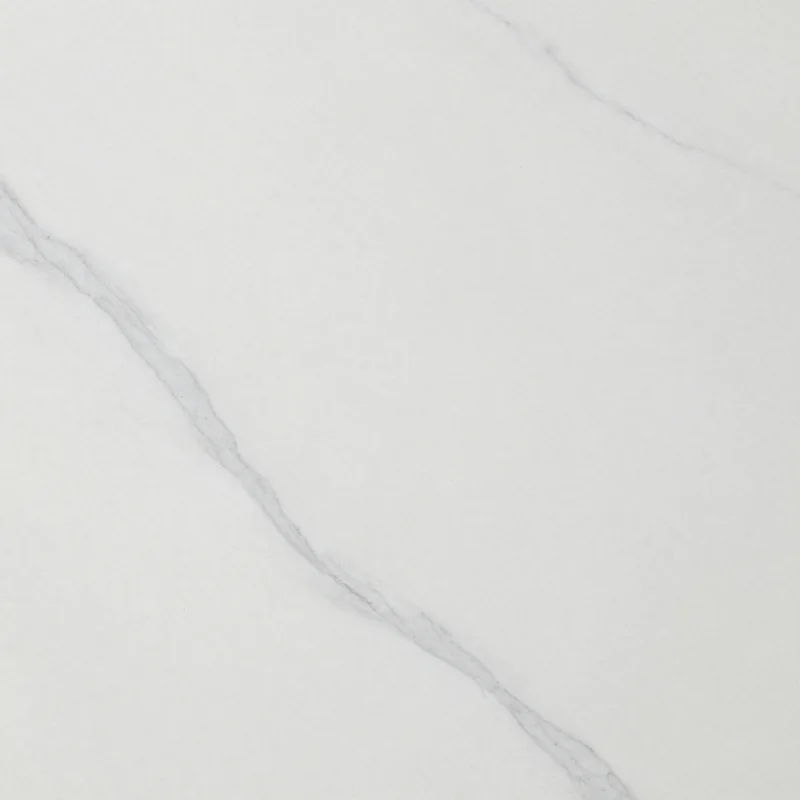
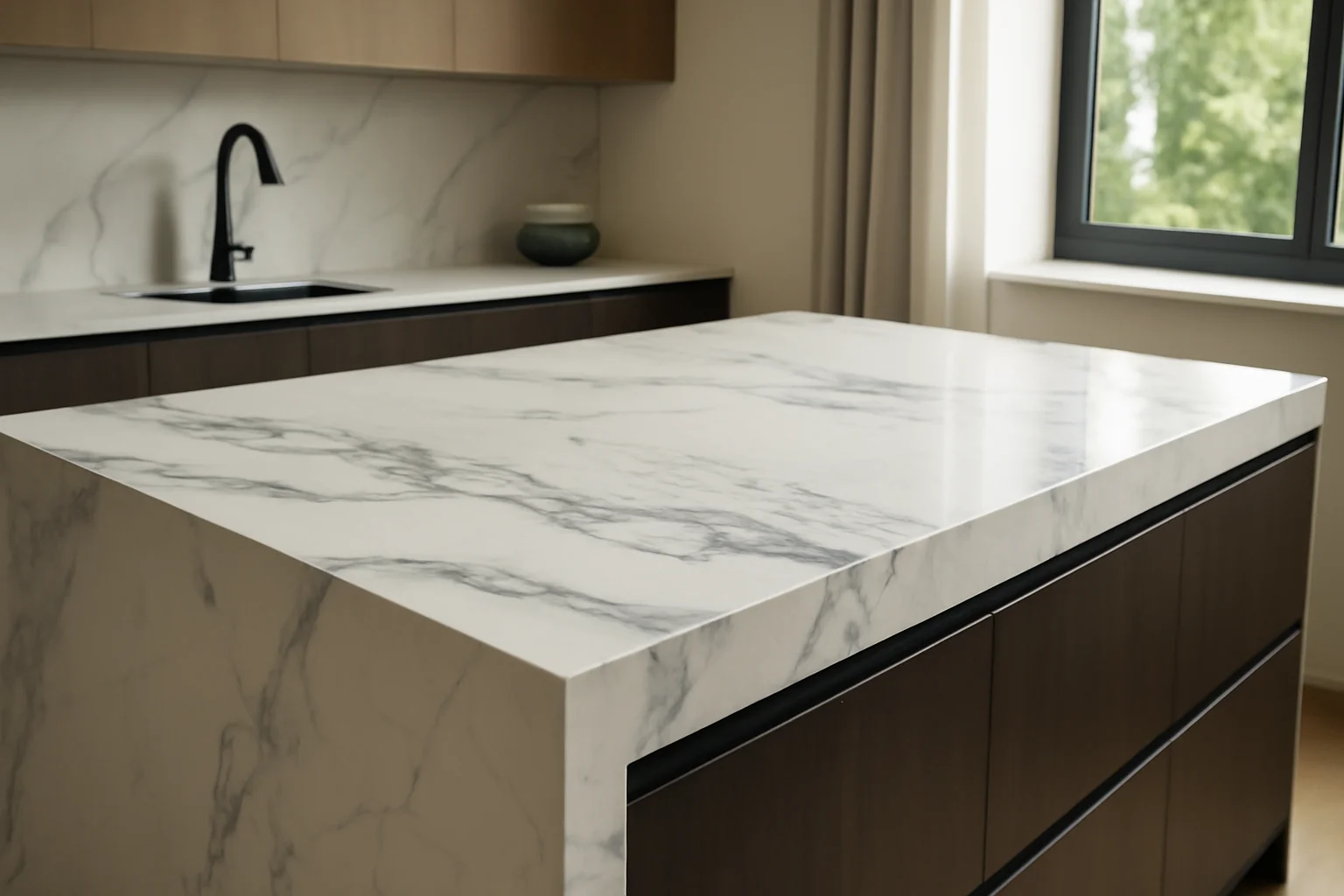
We make worktops from chipboard and HPL on Egger and Kronospan boards, from acrylic, quartz agglomerate, solid wood and ceramic. An Egger board holds its shape over a span of up to a metre, but it needs careful edging and a trivet under a hot frying pan. Acrylic gives an invisible joint and can follow complex shapes, but it picks up scratches from knives. Quartz agglomerate takes pans straight off the hob and knife cuts in its stride, and so does ceramic, which is thinner and fits neatly against the wall. If you often cut without a board and put down hot pans, acrylic will soon show scratches and marks, and quartz is the better choice. Acrylic wins where you need complex shapes and joints you cannot see.
Comparing materials by load and care
| Material | Heat and knives | Moisture at the sink | Joints and shapes |
|---|
| Chipboard and HPL | needs a board and a trivet | depends on the edging | visible joint, simple shapes |
|---|
| Acrylic | scratches, dislikes heat | needs sealing | invisible joint, complex shapes |
|---|
| Quartz agglomerate | handles heat and cuts | barely affected | joint visible, fewer shapes |
|---|
| Solid wood | needs care and oil | absorbs water if unprotected | along the grain, needs stable conditions |
|---|
| Ceramic | handles heat and knives | unaffected | thin, neat joint |
|---|
When solid wood makes sense in an Almaty kitchen
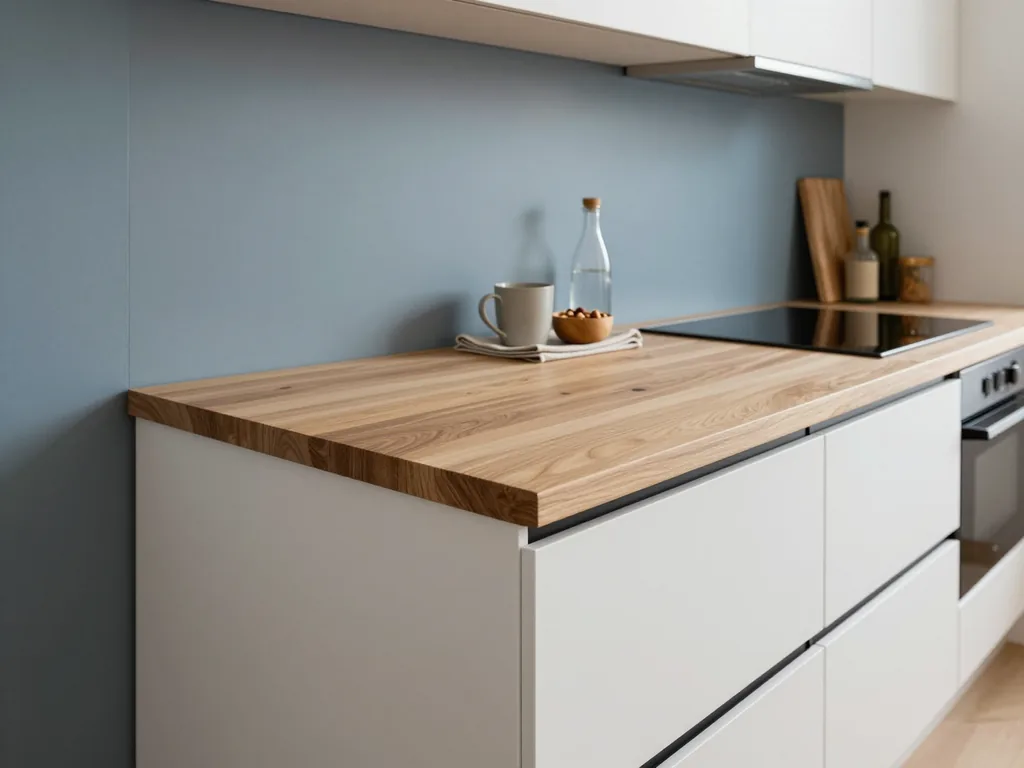
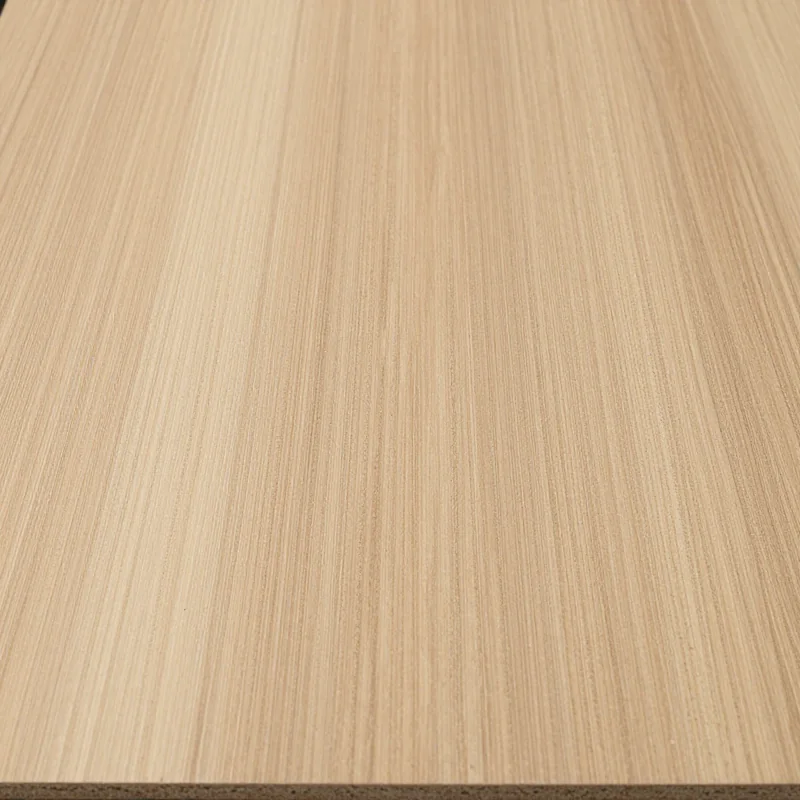
- Natural texture: solid wood suits people who want a living grain and a warm tone in the interior.
- Care is a must: the surface needs fresh oil from time to time, and water should not be left on the edges for long.
- Indoor humidity: the heating season dries the air, and without a stable climate the wood starts to move.
- Before ordering, not after: we assess the flat's climate in advance, because it affects the choice between solid wood and agglomerate.
Non-standard sizes and uneven walls
An off-the-shelf board is designed for a straight wall and a standard size. In a real kitchen the wall leans, the corner is not 90 degrees and the span is longer than standard, and this is exactly where made-to-measure work begins.
Measuring for an uneven wall and a long span
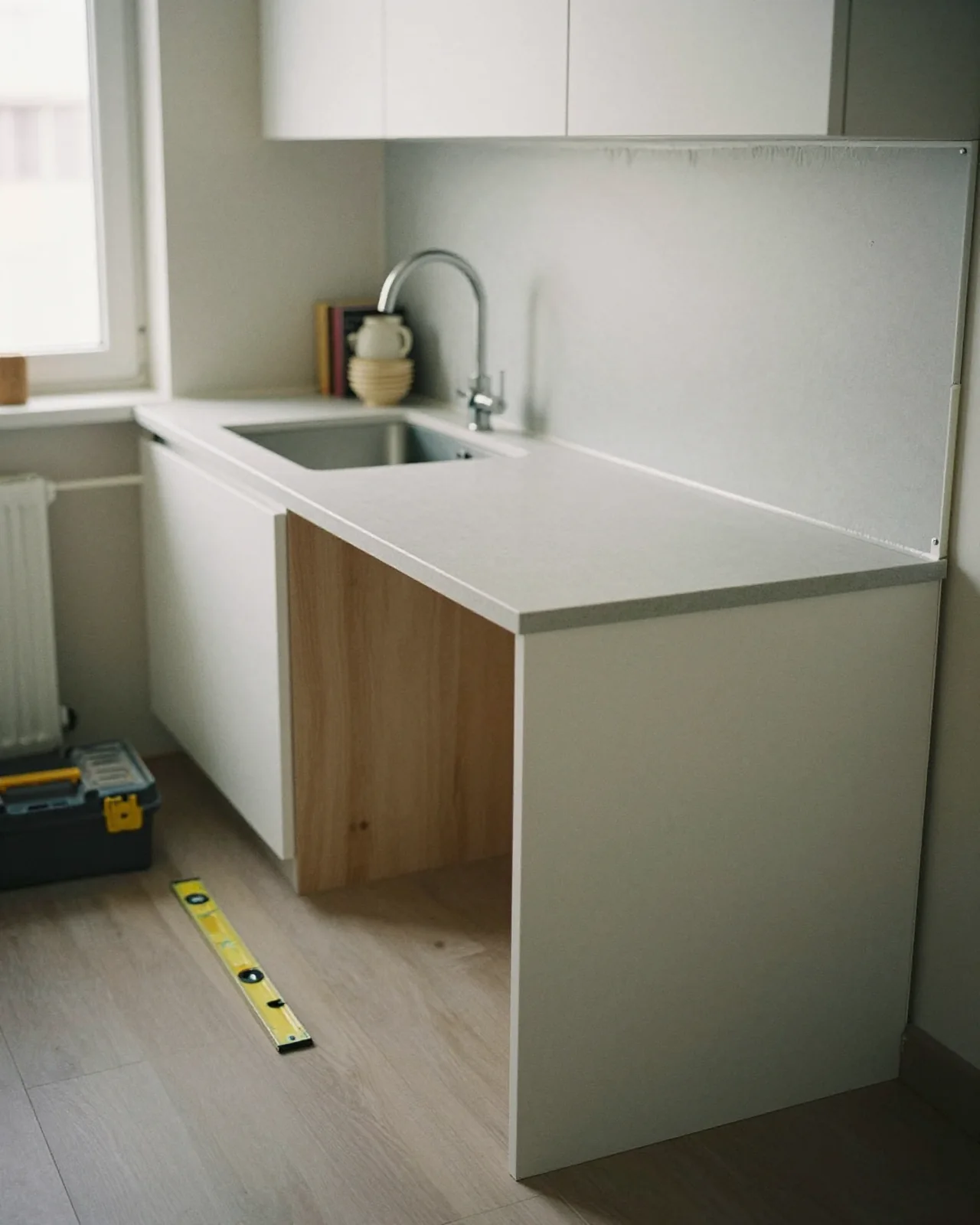
At the free measuring visit we take not one measurement but several points along the length and depth, to see how far the wall leans and where an allowance is needed at the junction. Our specialist records the deviation along the whole span, checks the diagonals and the level of the cabinets, and the results go into the 3D design within 1–2 days. Where it meets the wall we leave an expansion gap and cover it with a trim strip or sealant. We never jam the board hard against the wall, because a crack will appear as it settles or as the temperature changes.
Joints, junctions and the windowsill
- Joint position: we keep joints away from the sink and the main work area, where they get dirty faster and are harder to seal.
- Level with the windowsill: we design the junction so the line runs without a step and does not stop the window from opening.
- Splashback junction: the gap is closed with a trim strip or sealant instead of forcing the surface tight against the wall.
- Joints on a long span: the two parts are joined along one line and pulled together from below so the edge does not open up.
Why long worktops sag and how to prevent it
A sagging middle is the most common defect of long worktops, and it comes not from the material but from how the span is supported. This is settled at the design stage.
What affects sagging and where extra support is needed
- Span length: the longer the unsupported distance between cabinets, the more the middle droops under dishes and appliances.
- Thickness and weight: a thin board sags sooner, and heavy quartz needs more frequent support points over the same length.
- Stiffening ribs: lengthwise battens underneath work like a beam and carry the span without extra legs.
- Hidden rail: a metal profile or bracket is fixed to the cabinets from below and stays out of the way of your legs.
- 3D design: it shows in advance where each support will go so that it does not land on a drawer or the sink.
- Appliance positions: above a dishwasher or oven the support is moved, otherwise it blocks access to the connections.
How the worktop is fixed to the cabinets
We never clamp the board rigidly along its whole length: some fixing points stay movable to allow for temperature changes. Fixed points go on the end cabinets and by the sink, with runners in between. We use Blum, Hettich and Boyard hardware for this. Rigid fixing along the whole length leads to creaking and hairline cracks around the fixings as humidity and temperature change, so movable points are not a saving but protection for the worktop.
Trial assembly in the workshop
Before dispatch we assemble the worktop in the workshop and check its geometry and fit, so any sag or twist shows up before installation, not after. It shows whether the sink and hob cut-outs line up and the joints lie flat. If the middle dips or the edge leaves a gap, we remake the part before it leaves the workshop, because fixing it at your home would leave marks.
Protecting edges and joints from water
Water damages a worktop not from above but at the ends and around the cut-outs, wherever the core is exposed. Here is what protects the worktop and how we do it in the workshop.
Edging and end treatment by material
- Chipboard and HPL: we close the ends with edging and seal them, using dense Egger and Kronospan boards, because an open cut by the sink or hob is the first place to soak up water.
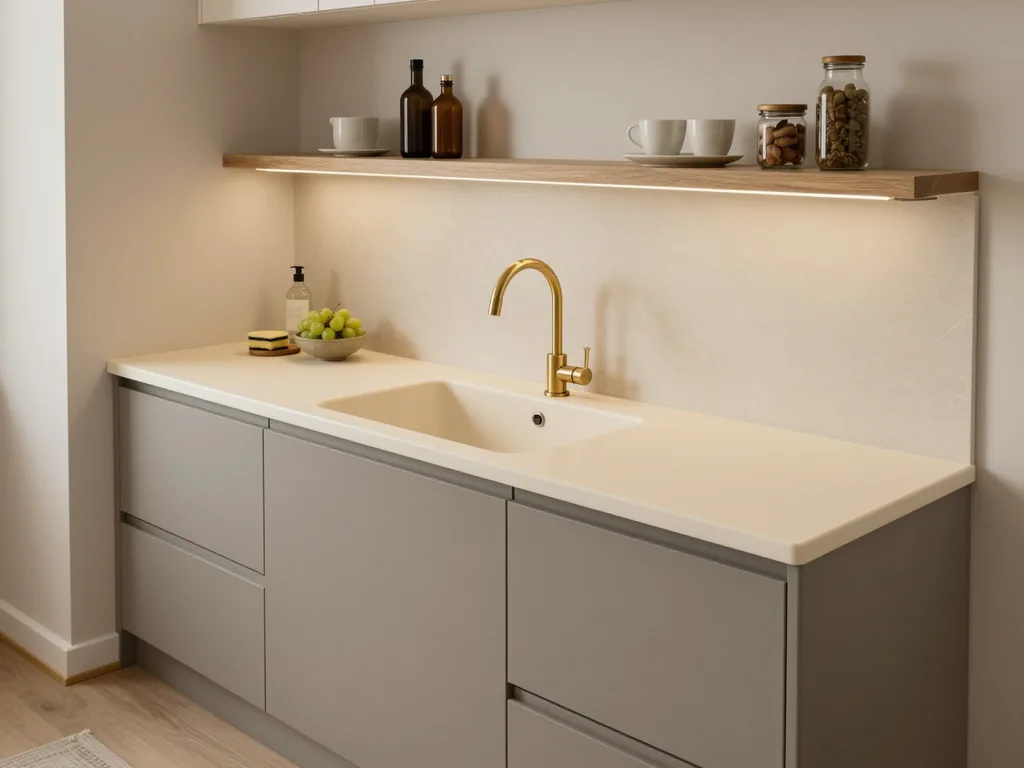
- Acrylic: joints and junctions are made without a visible seam, and the edge is sanded and polished, so the surface around the sink stays one continuous piece.
- Quartz agglomerate: it absorbs almost no moisture, but we still seal the appliance cut-outs, because the junction with the sink needs protection.
- Ceramic: it is inert to water and its edge is finished at the factory; junctions with the wall and appliances are sealed during installation.
- Edge check: in our workshop we test that the edging is bonded along its whole length, because chipboard swelling starts at an unprotected end.
Leak-free sink and hob cut-outs
We make the sink and hob cut-outs at the cutting stage in the workshop and seal their edges so water cannot get into the core. Cutting on a CNC machine gives a clean outline without chips, which is critical for chipboard and HPL, since a chip exposes the core to moisture. The edging around the cut-out is glued and given an extra coat of sealant, and during installation the sink is set on a silicone bead around its whole outline. The order is always the same: cut-out first, then sealing, then fitting the appliances. It is best to choose the sink and hob before the measuring visit, as the cut-out size depends on them.
How to order a countertop and what installation involves
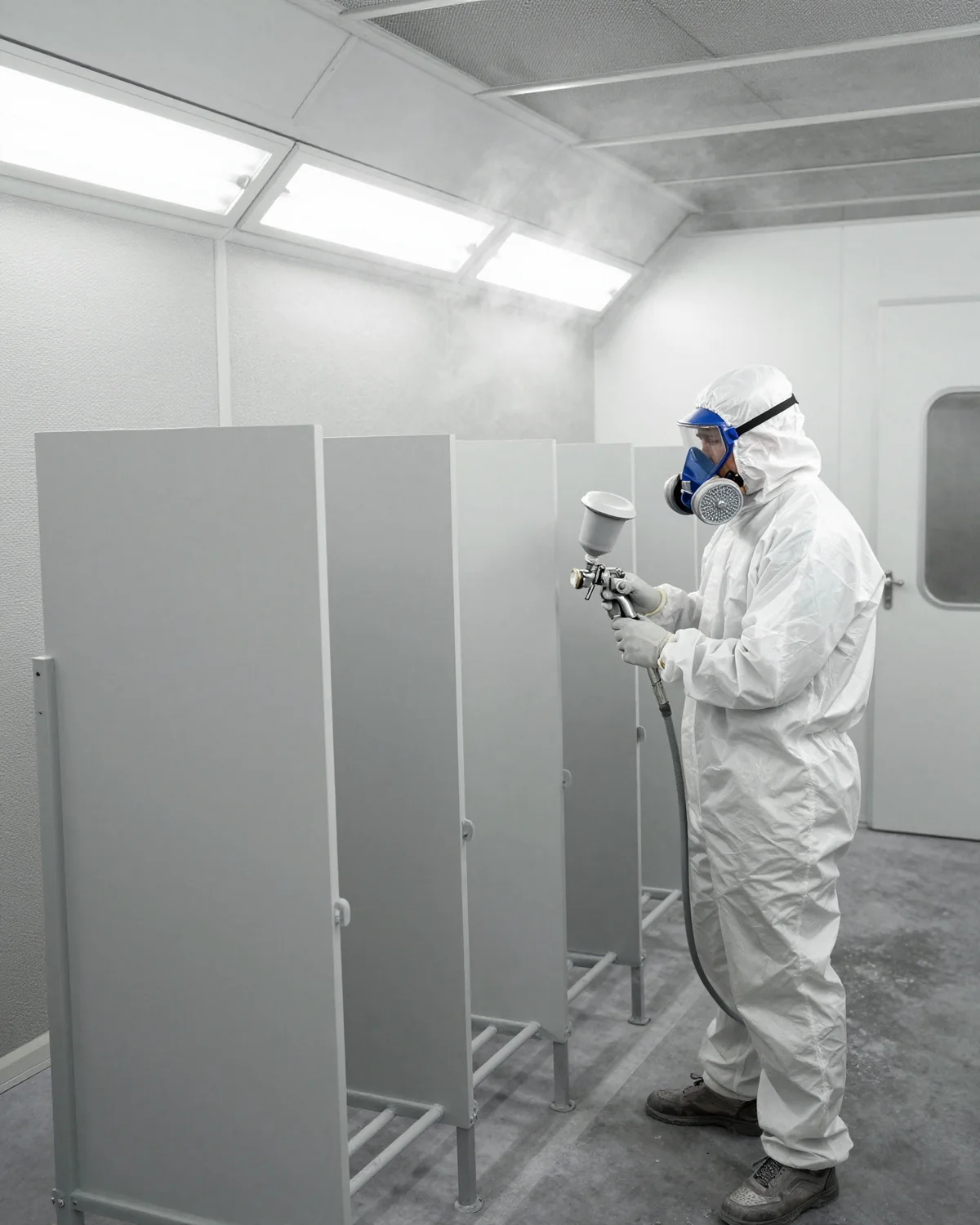
Ordering a worktop is a chain from the measuring visit to the acceptance certificate. After the free visit we prepare a 3D design within 1–2 days and make the worktop in our own 600 m² workshop, with cutting, edging, painting and trial assembly under one roof.
Installation, payment and delivery
- Our own fitters: installation is done by the workshop's teams, not outside contractors, and they are responsible for the fit on the cabinets.
- Certificate after installation: we sign it once the worktop is in place and the joints, junctions and cut-outs can be seen.
- Two-stage payment: 50 % upfront when production starts, the remaining 50 % after the acceptance certificate is signed.
- Bank transfer: payment under a contract with closing documents, which is convenient when ordering for a company.
- Worktop only: if your kitchen is already in place, we make the worktop separately and measure the installed cabinets.
- Delivery: free within Almaty and up to 30 km for large orders, with a surcharge beyond that.
What the 24-month warranty covers
- The whole structure: the 24-month warranty under the contract covers the structure, joints and geometry, which are the workshop's responsibility, not the board supplier's.
- Blum hardware: it carries the manufacturer's 25-year warranty, which is recorded as a separate term in the order documents. For Hettich and Boyard we do not state a manufacturer's warranty period; the terms are set by the contract for the product.
- Edges and ends: end treatment is part of the warranty, because it decides whether the board swells from moisture.
- Correct use: hot pans go on a trivet and water is wiped off an unsealed end straight away, otherwise the case is not covered.
When choosing a maker, look at three things: whether they have their own workshop, who is responsible for installation and what the contract says about the warranty and handover. A price far below a workshop's often means a middleman reselling someone else's work, and then nobody answers for the geometry and joints.
The bottom line on kitchen countertops
A kitchen worktop's fate is decided by a handful of choices, from the material to the signed acceptance certificate once installation is finished.
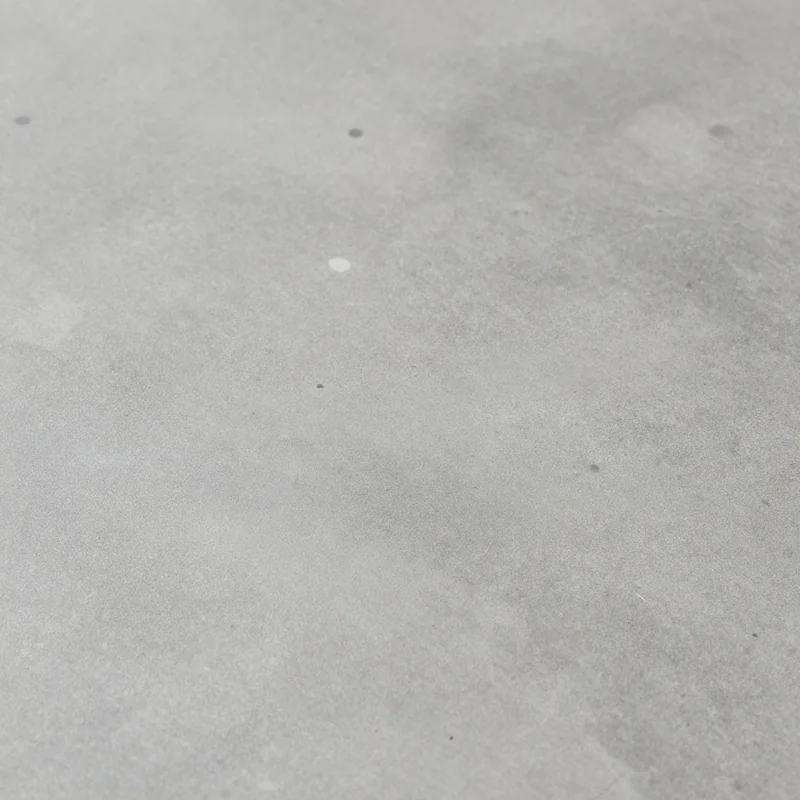
- Material for the load: quartz and ceramic handle heat and knives, acrylic gives smooth joints, and the budget option is chipboard or HPL with good edging.
- Non-standard sizes: measuring the real kitchen and leaving expansion gaps solves uneven walls and long spans; trimming a ready-made worktop does not.
- Long spans: extra supports or stiffening ribs are built into the design, not added once the worktop has started to sag.
- Water at the ends: sealed ends and sealed sink and hob cut-outs keep moisture out better than any impregnation.
- Responsibility: a contract with a warranty, installation by our own teams and a certificate signed after fitting say more about a maker than any advert.