
Temirzhan Nurpeisov
Furniture assembly carpenter11 years
★ 4.81 · 47 ratings
For business · Offices
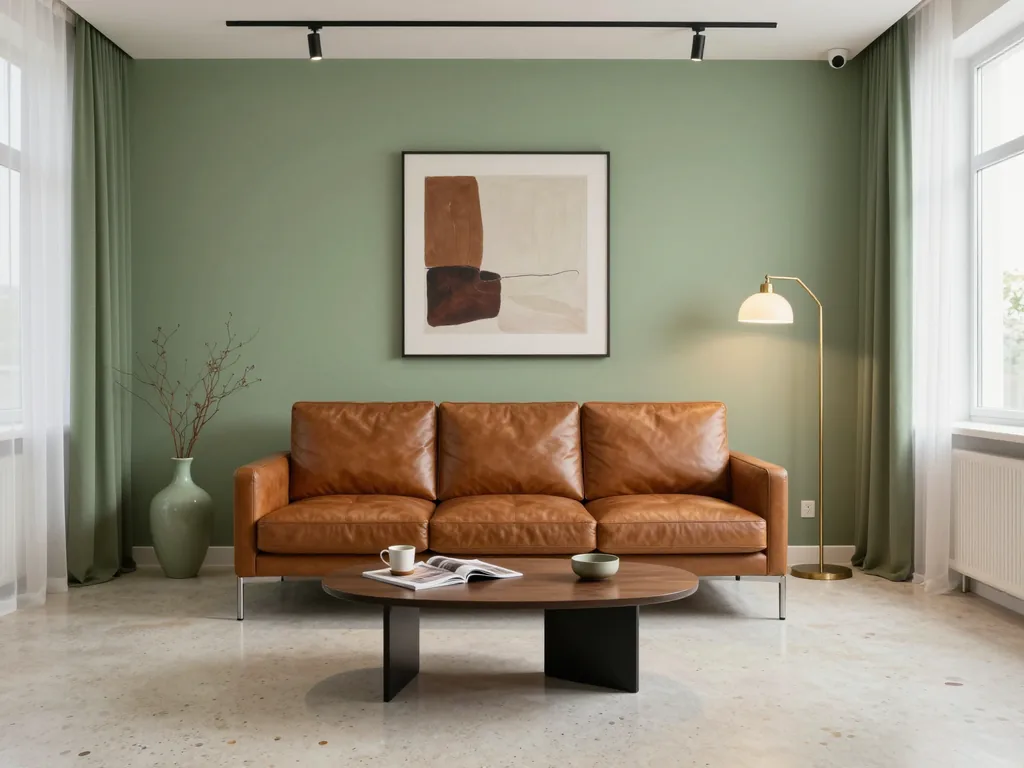
We design and make sofas for reception areas, waiting areas and meeting rooms: free measurement with fabric samples and a 3D design in 1–2 days, the price is fixed in the contract. 24-month warranty on the item under the contract — carcass, transformation mechanism and seams.
Measurement and 3D design are free and carry no obligation · price fixed in the contract · Kaspi Instalments up to 24 months
01Types
 01
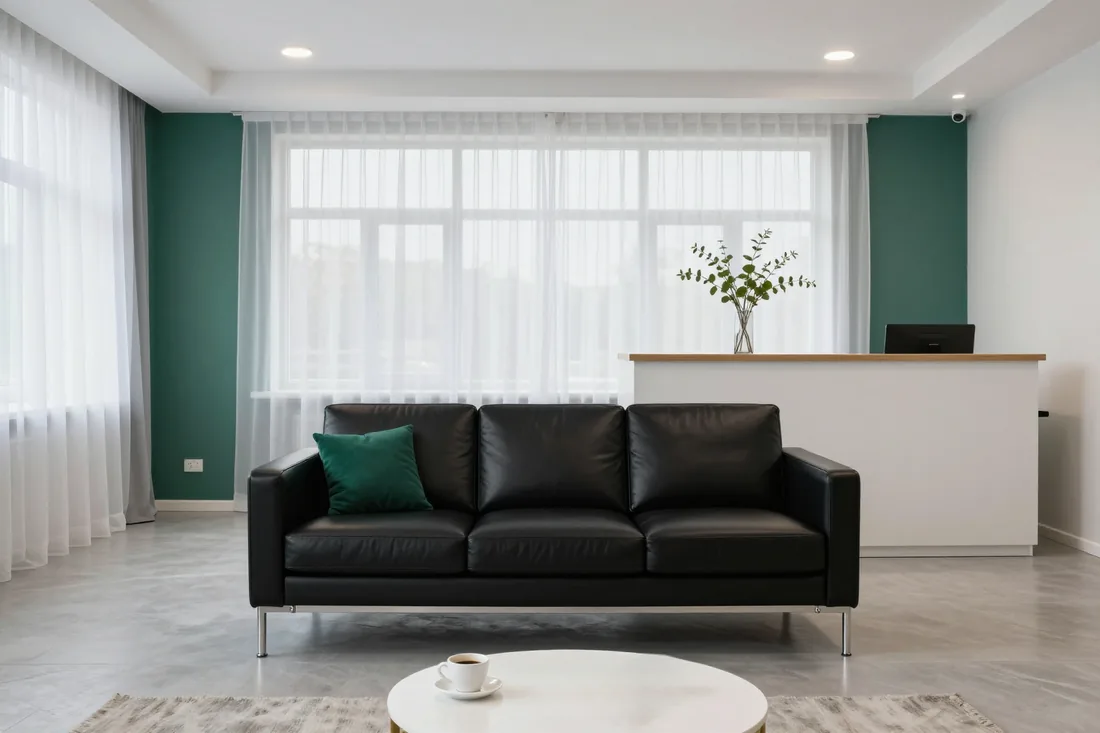
A compact model for a lobby or reception area with anti-vandal fabric. Suitable for places where visitors sit in outerwear and with bags.
from 70 000 ₸
 02
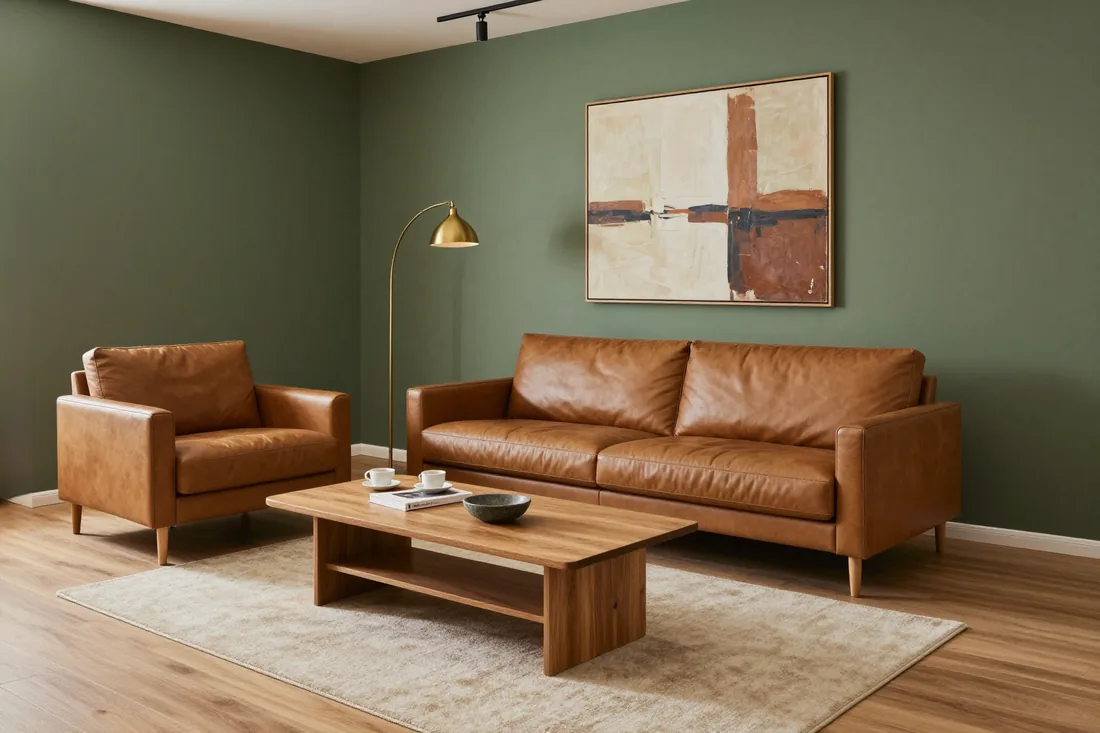
A model upholstered in faux leather: easy to wipe down, doesn't absorb spilled coffee. For administrator desks and entrance areas with high foot traffic.
from 85 000 ₸
 03
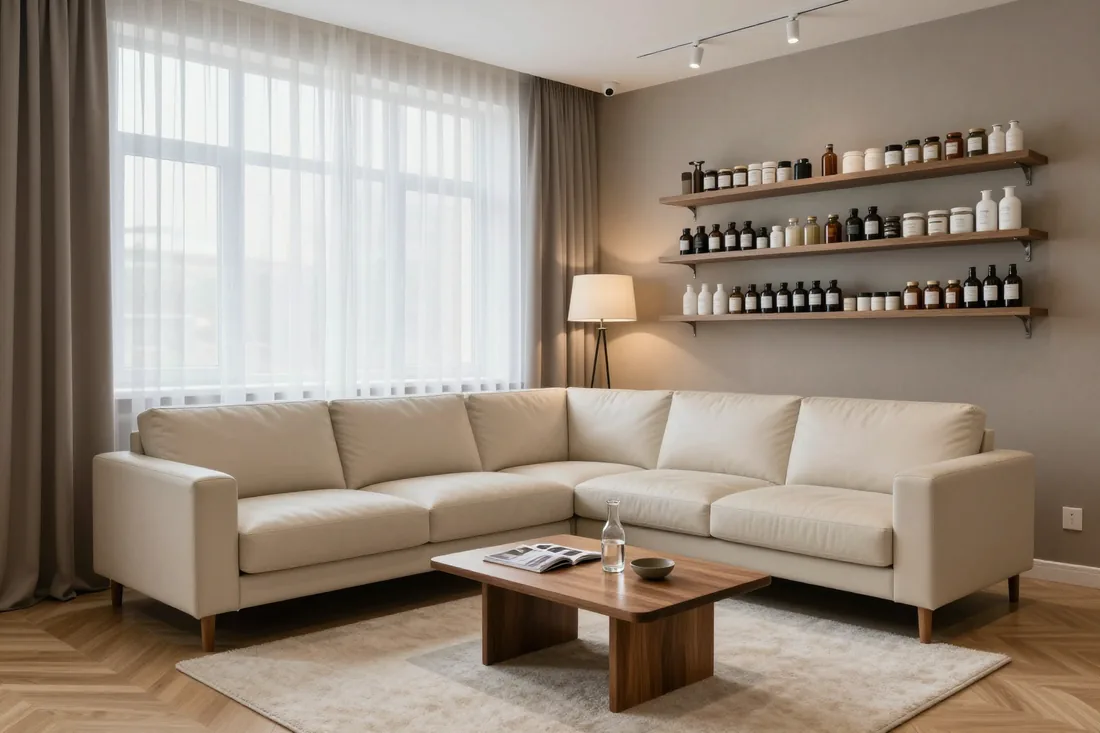
A model in contract matting with an even fit: doesn't bunch into creases and holds its shape after long meetings. For conference rooms and executive offices.
from 95 000 ₸
 04
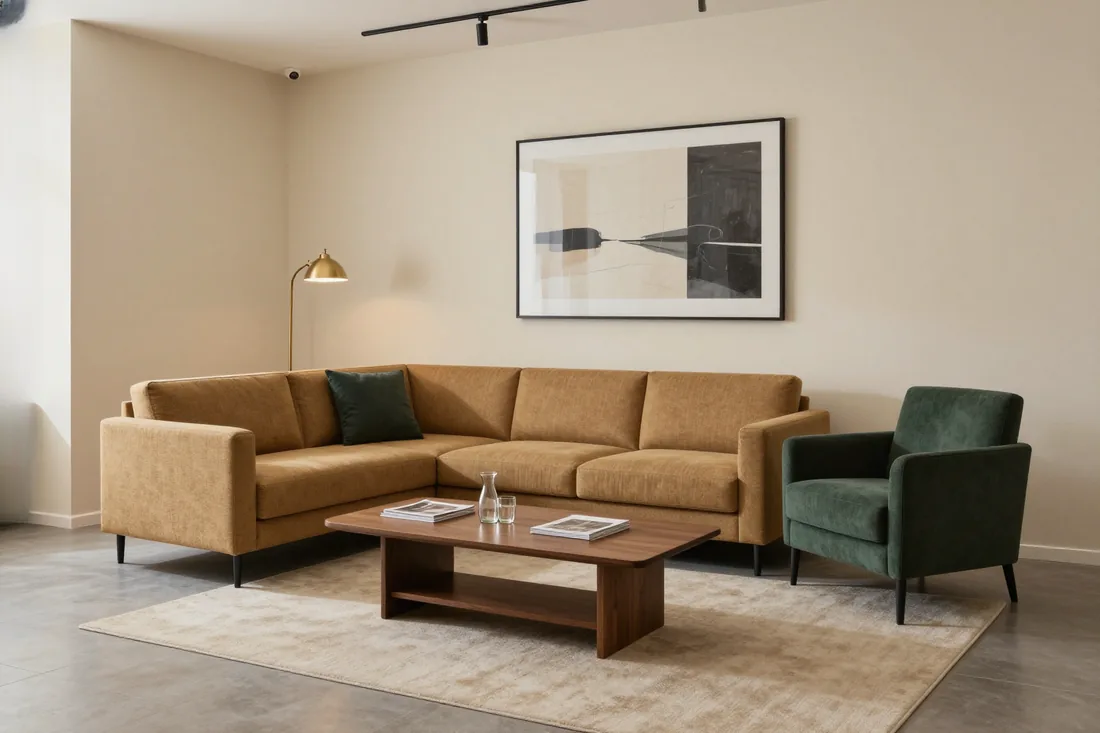
Eco-leather sections assemble into a line or corner to fit the layout. Suitable for large lobbies, coworking spaces and waiting areas with rearrangements.
from 140 000 ₸
 05
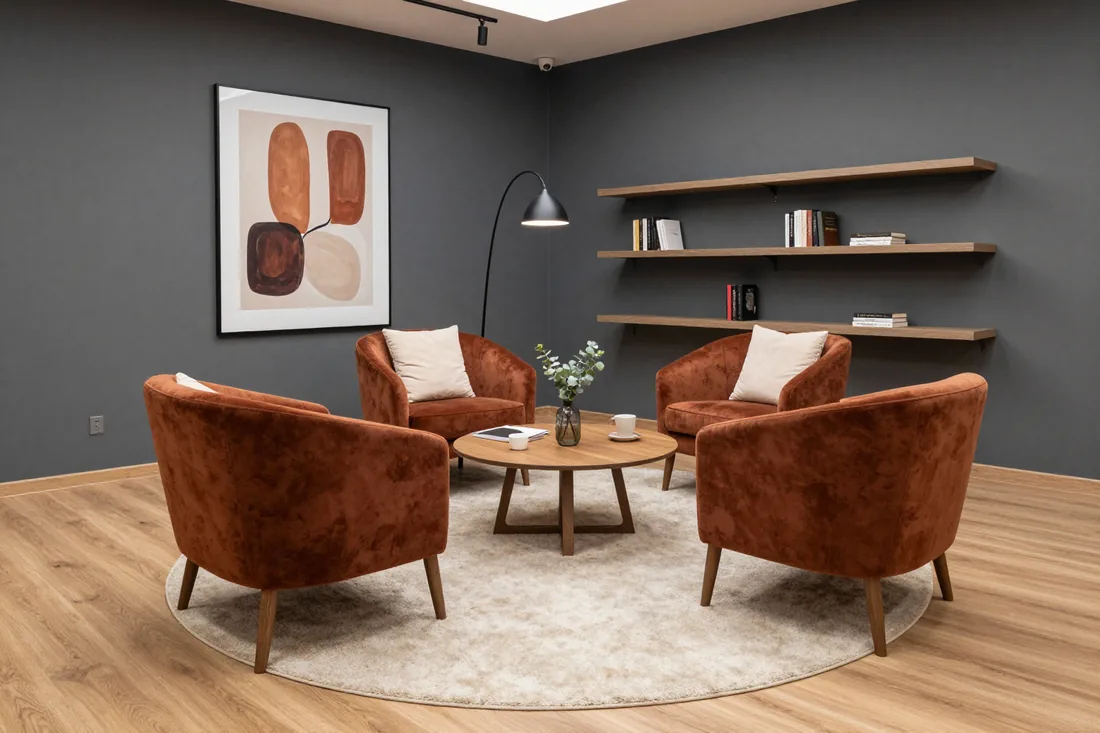
A set of armchairs for a lounge area or office: you can assemble an island for short meetings. Upholstery is selected to match the overall office style.
from 90 000 ₸
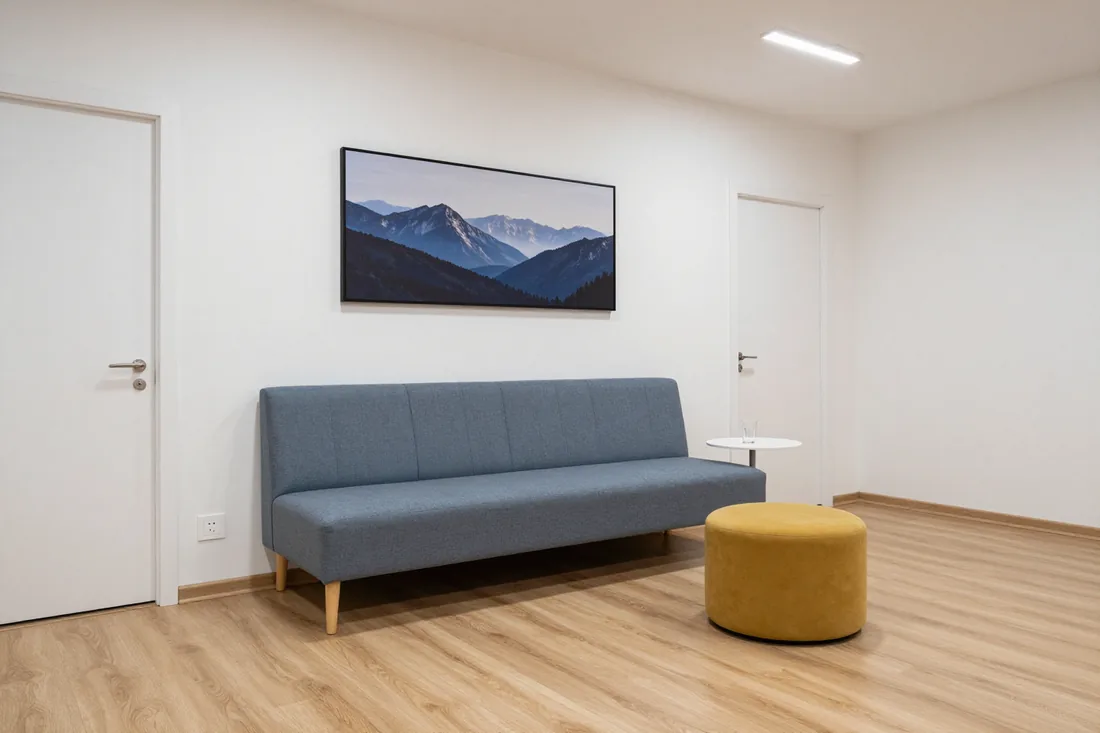 06
A complement to sofas in the waiting area: soft seating on foam and fabric, convenient to place against a wall or in the center of the lobby. Takes up minimal space.
from 25 000 ₸
02Projects
Object, volume, materials and lead time — per each project.
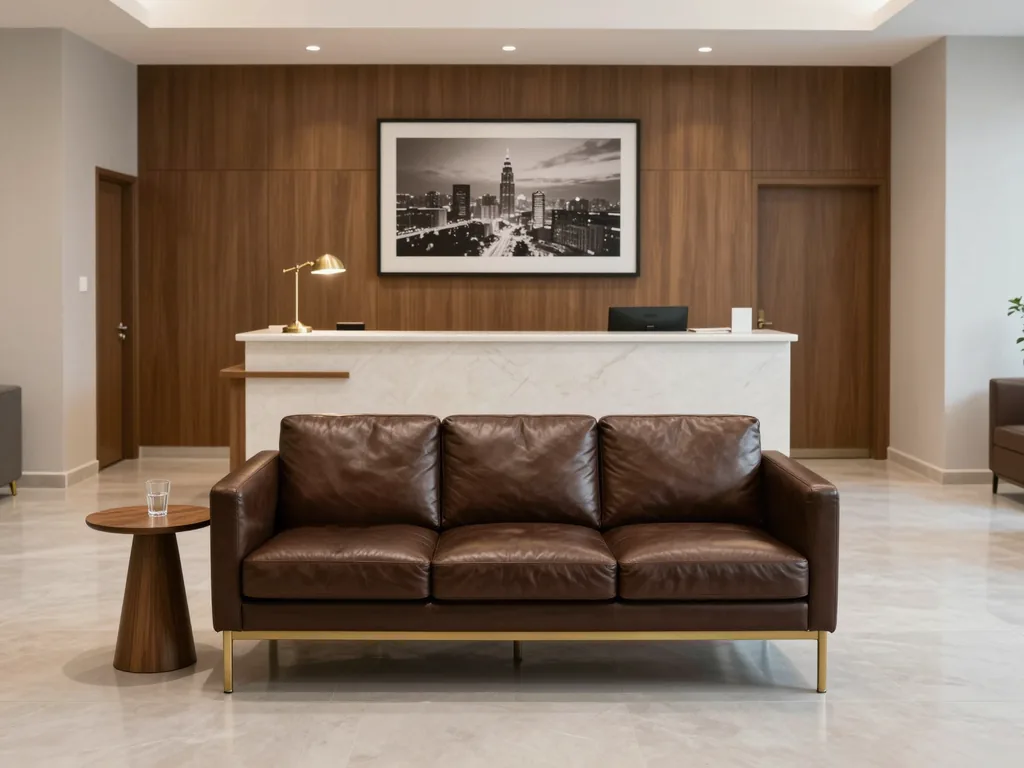 Office
Esentai Tower business center, Bostandyk district
Dark eco-leather sofa at the reception desk for guest flow. Presentable look, upholstery withstands wet cleaning, frame handles the load.
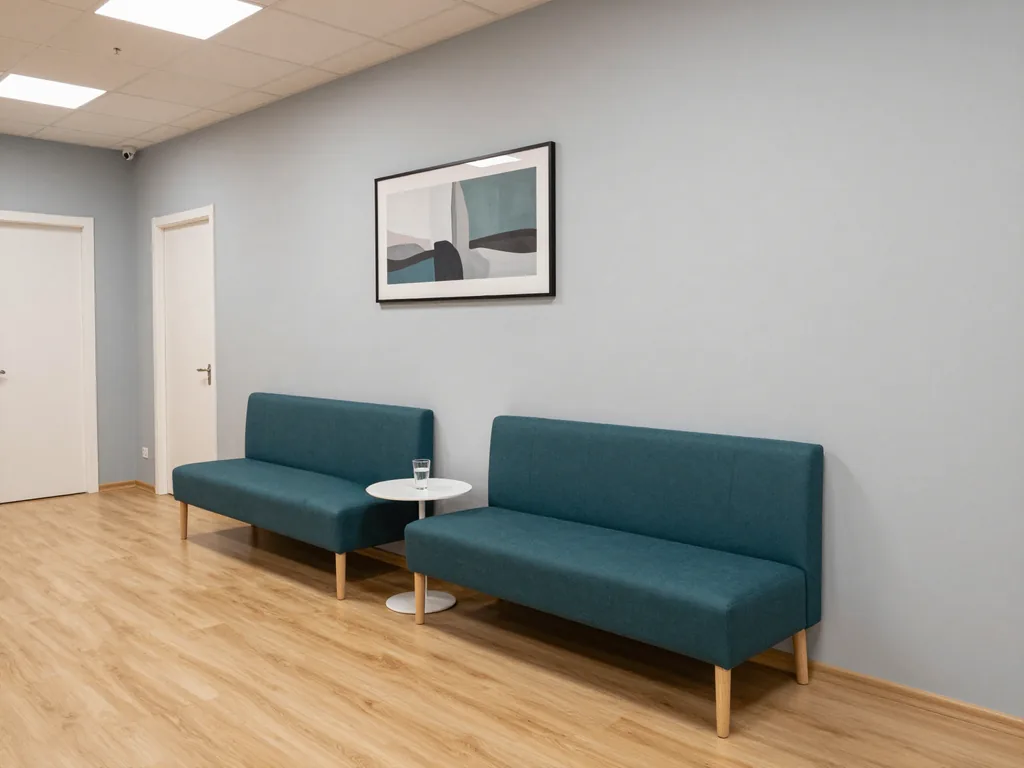 Office
Orbita microdistrict, Bostandyk district
A row of backless benches for a walk-through waiting area. Compact, easy to rearrange, upholstery resists traffic and cleaning.
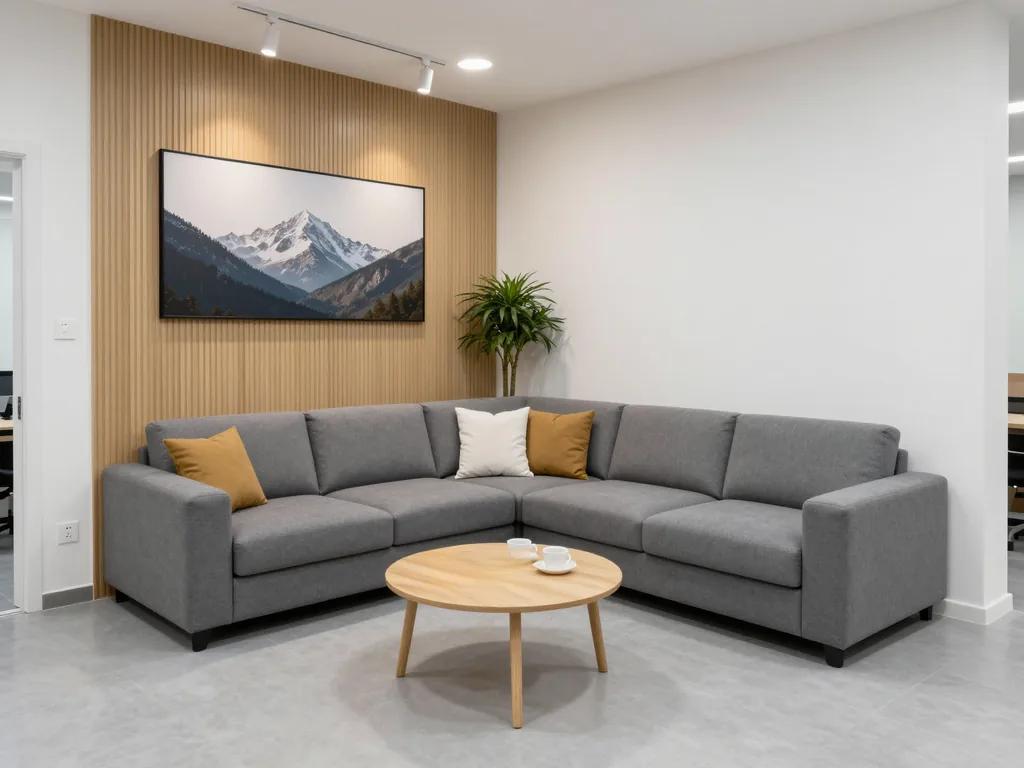 Office
Nurly Tau business center, Bostandyk district
Modular corner sofa for the employee rest area. Sections rearrange to fit the layout, upholstery is vandal-resistant in corporate gray.
 Office
Koktem microdistrict, Bostandyk district
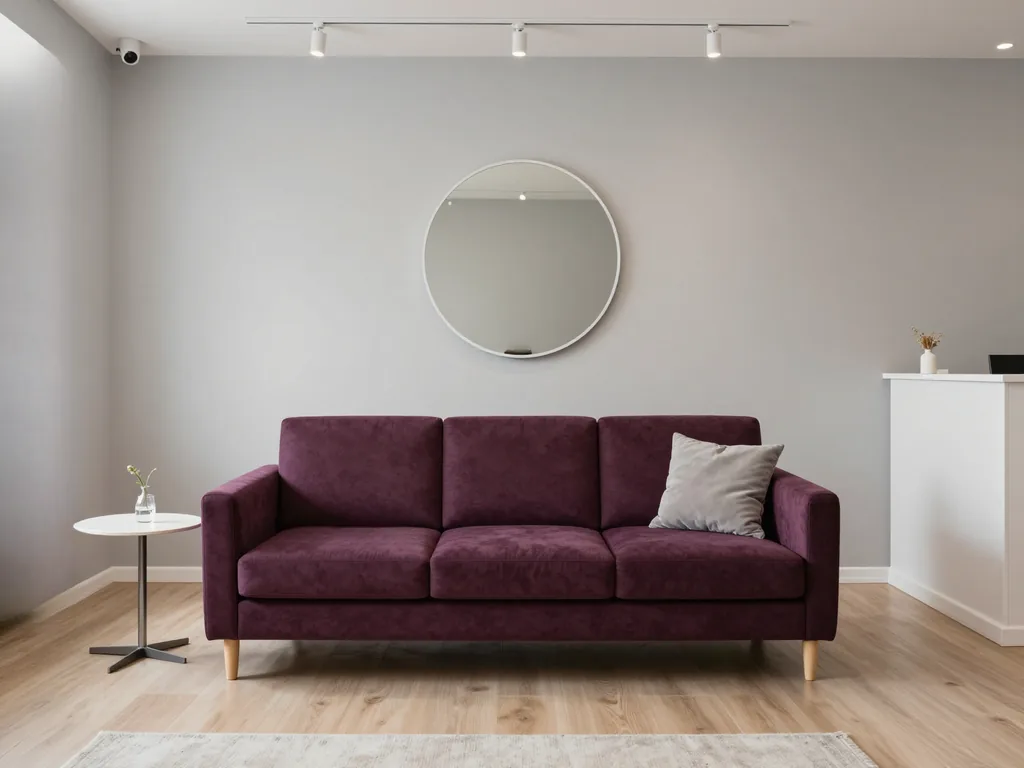
Straight three-seat sofa for the salon's client area. Vandal-resistant upholstery in the brand color, reinforced frame for intensive traffic.
 Office
Nurly Tau business center, Bostandyk district
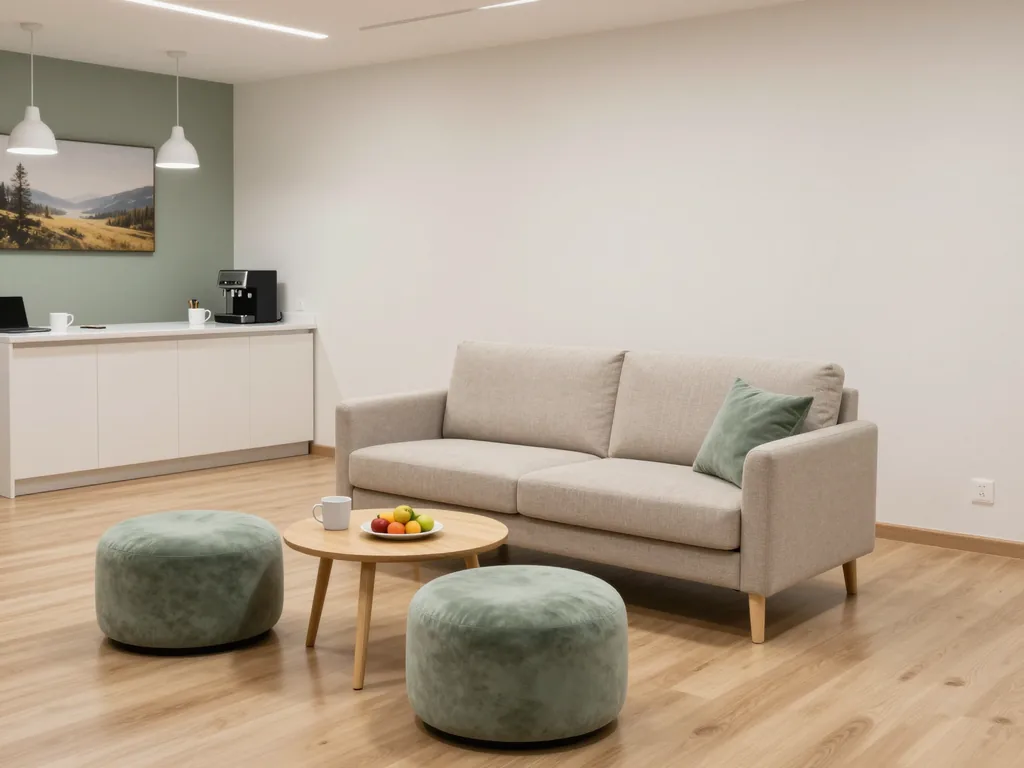
Sofa and poufs for the rest area where the team has lunch and takes breaks. Removable upholstery, easy to clean, calm tones for relaxation.
 Office
Zhetysu microdistrict, Auezov district
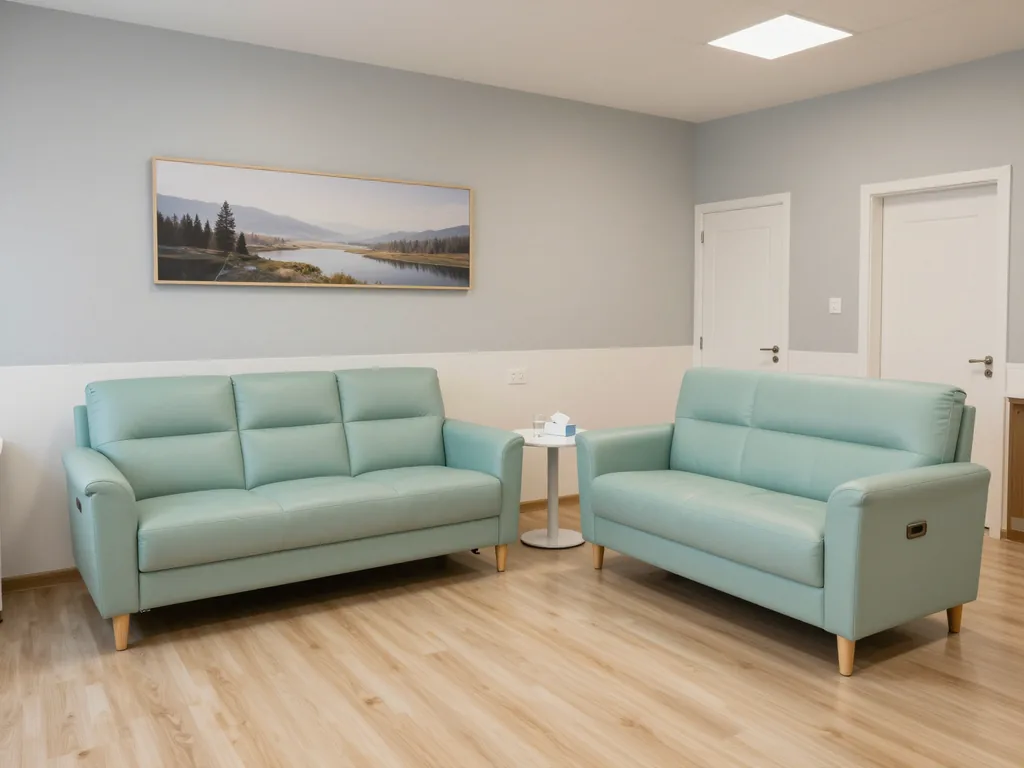
Two sofas in medical eco-leather for the clinic lobby — upholstery withstands disinfection. Calm design, comfortable seating for waiting.
03How we work with offices
04Prices
The "from" price is per item or per linear meter of width — depending on the model. The final cost is fixed in the contract after a free measurement and 3D design, so it doesn't change during the work.
05For legal entities
We work with LLP and sole proprietors on bank transfer. Price, materials and lead times are in the contract before production starts.
Request contract and invoice06Principles
01 / 06
07Production
Six steps in our 600 m² workshop. You can see each of them with your own eyes: the showroom and production are under one roof.
Egger · Kronospan · E1
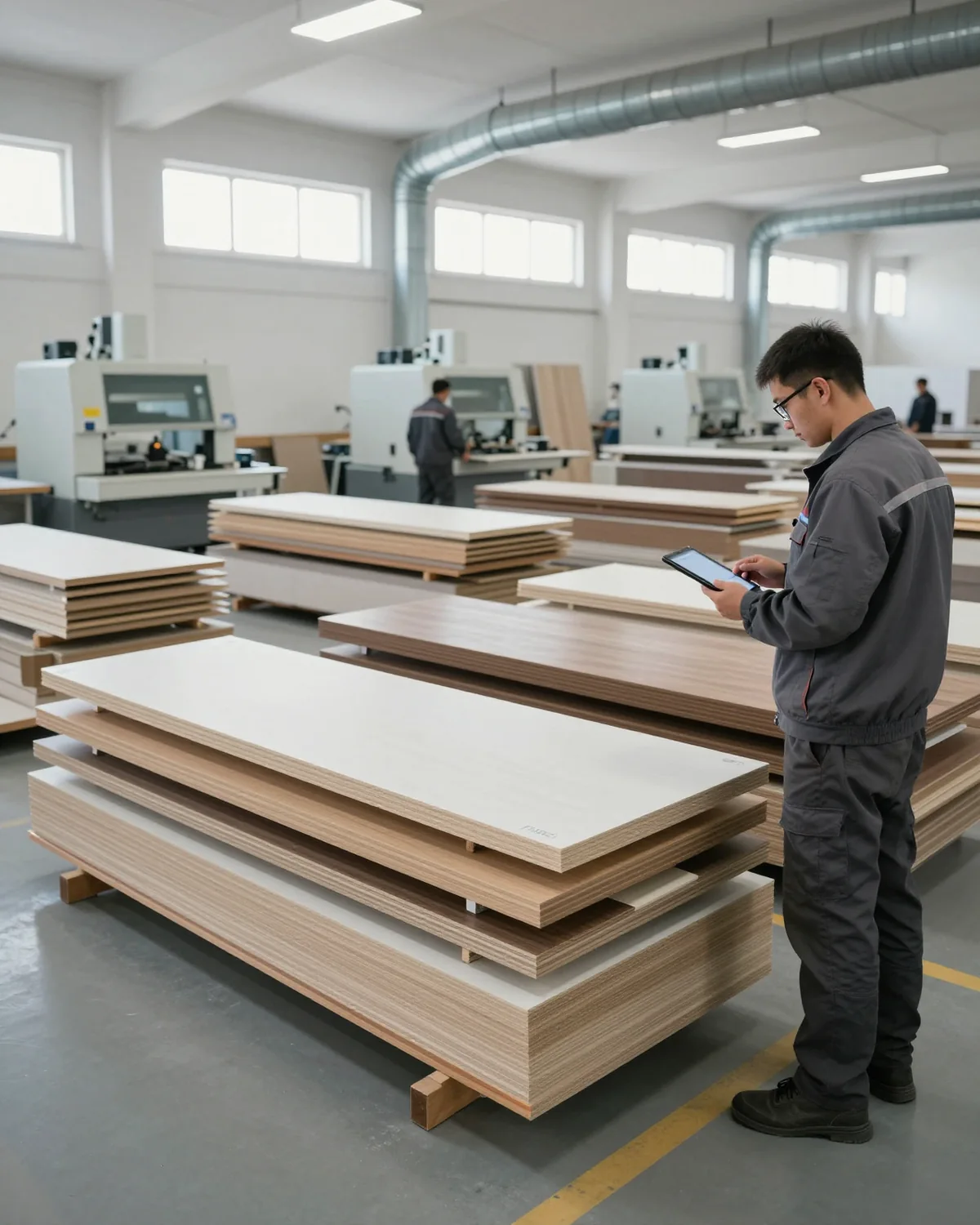
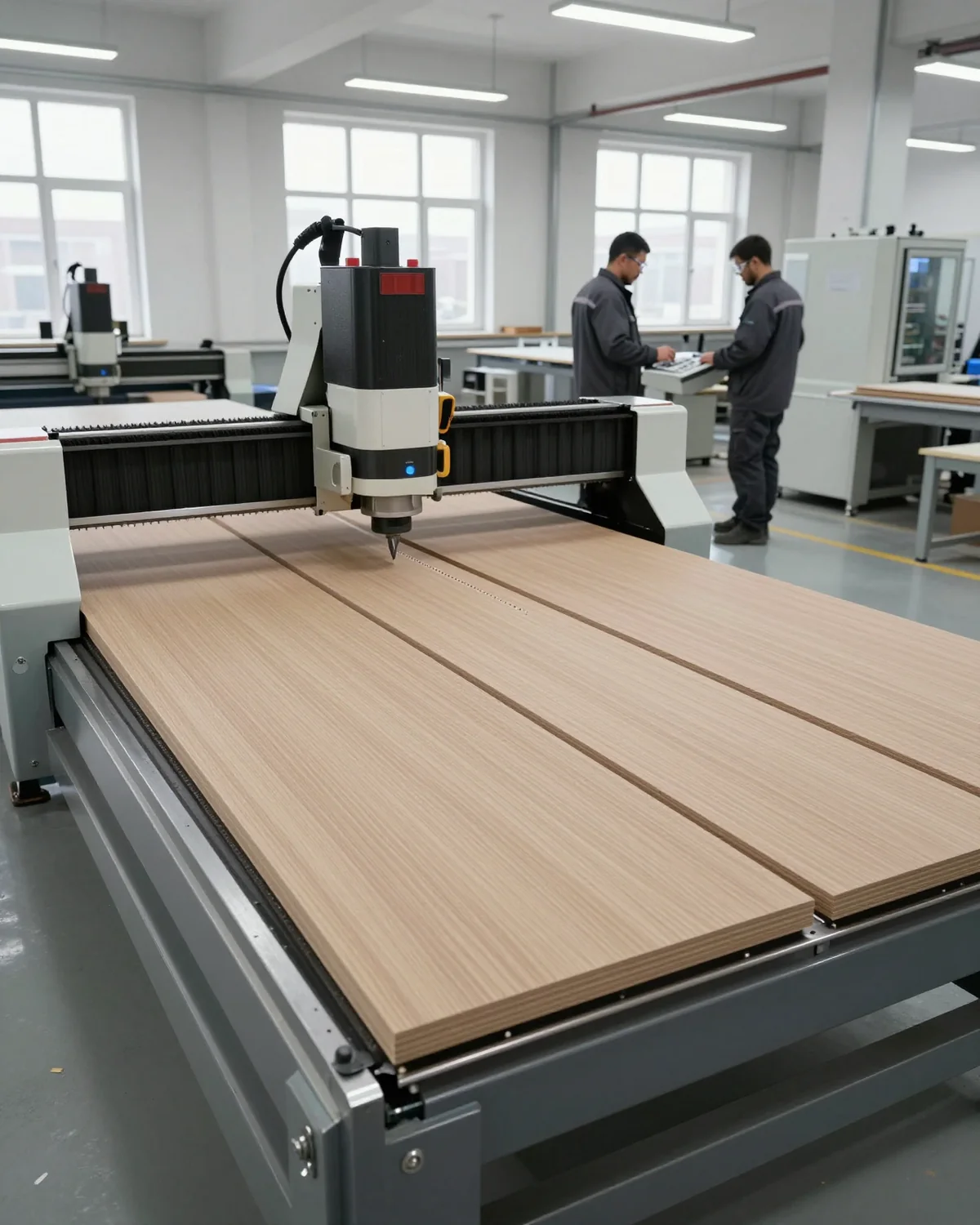
Egger and Kronospan boards with E1 emission class arrive at the workshop warehouse. 40+ laminated chipboard decors, 16–18 mm thick. E1 class — for offices and studies.
Laser measuring to 1 mm
A design engineer prepares the drawings, and the machine cuts the board to them. Dimensions come from a laser measurement accurate to 1 mm.
Blum · Hettich · Boyard
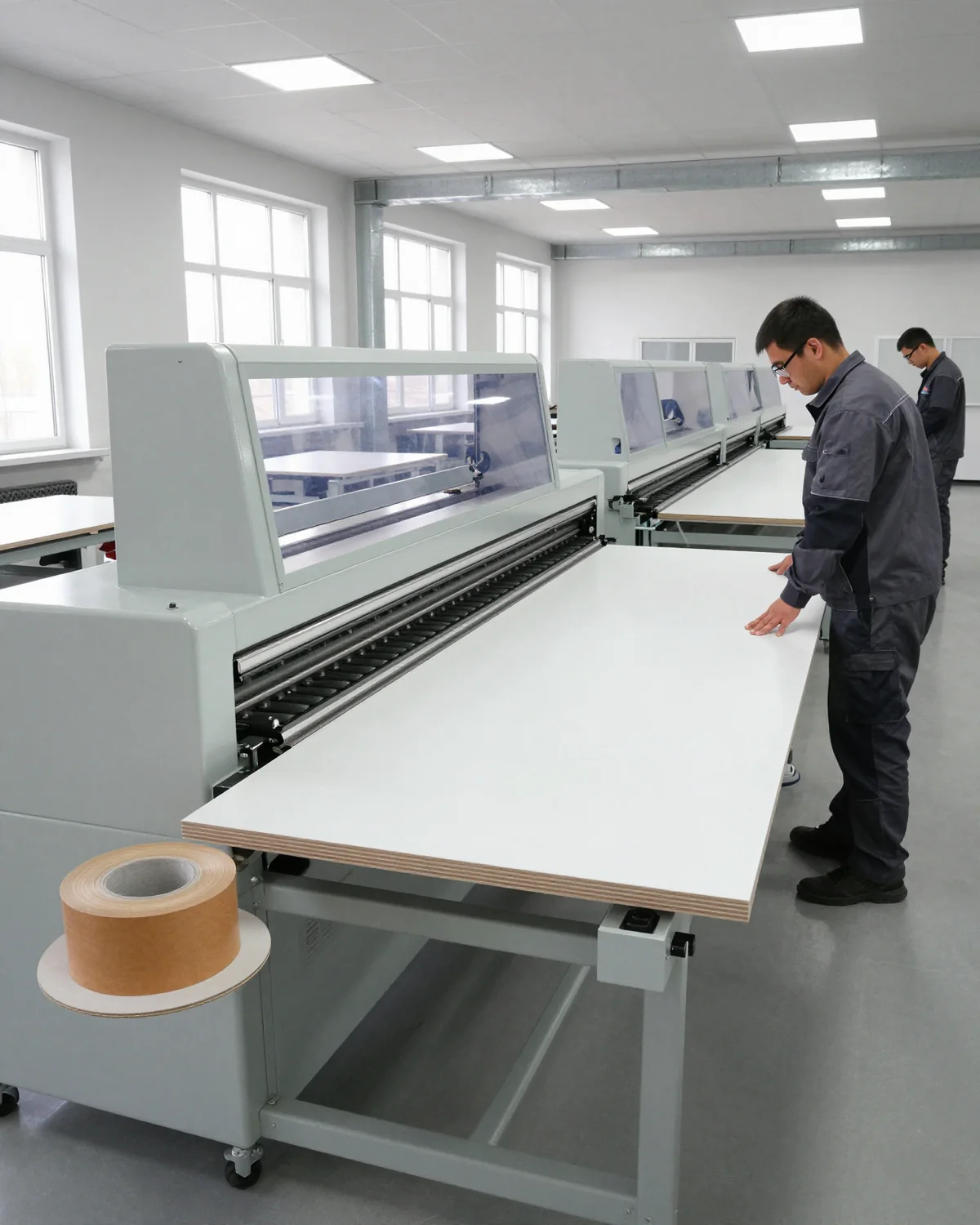
The edge-banding machine seals the edges, then we drill holes for Blum hinges and Hettich runners.
Any RAL colour
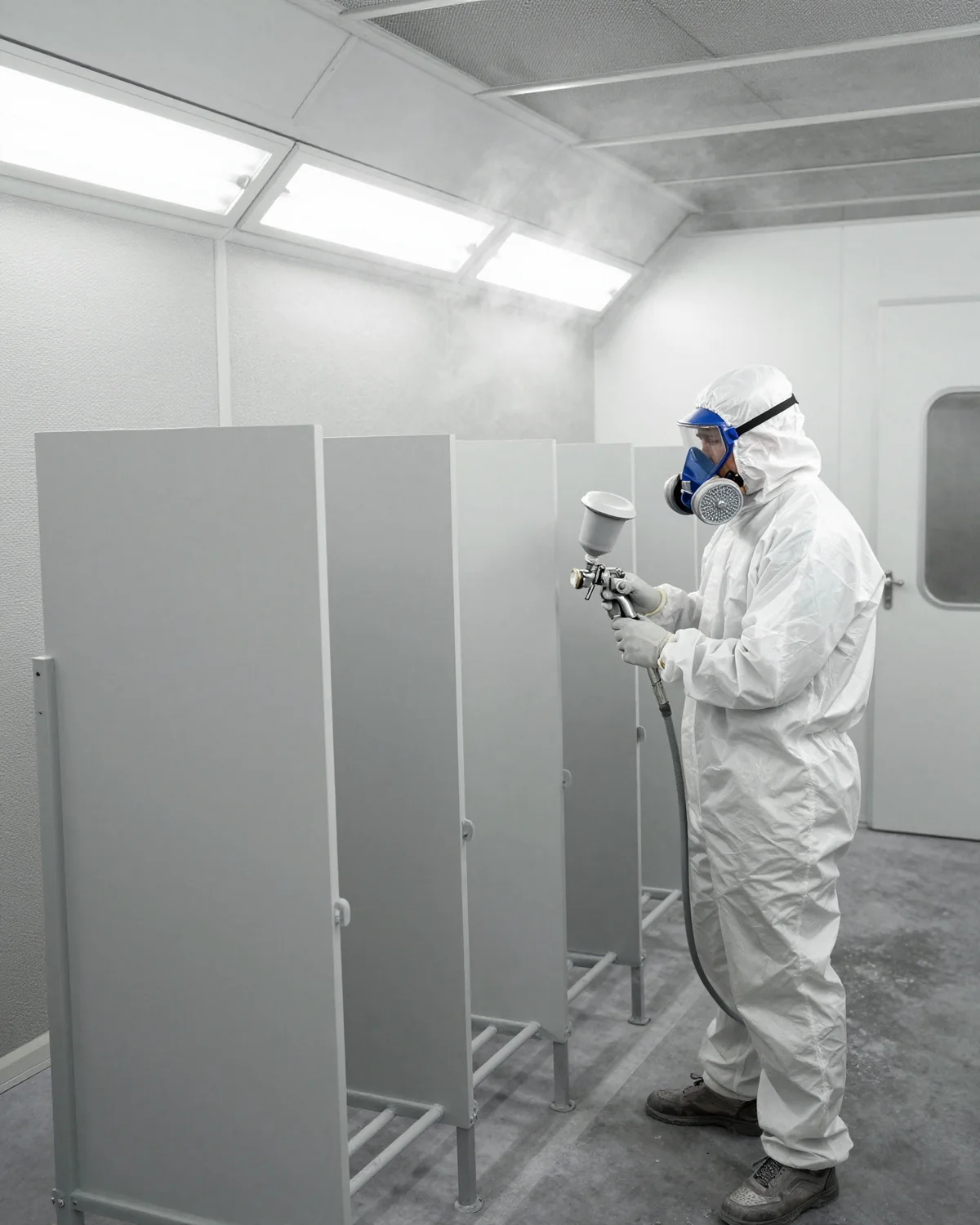
A finishing specialist paints the fronts to RAL — matte and gloss. We check the office sofa frame before upholstery, and the seams and fit before packing.
Pre-assembly in the workshop
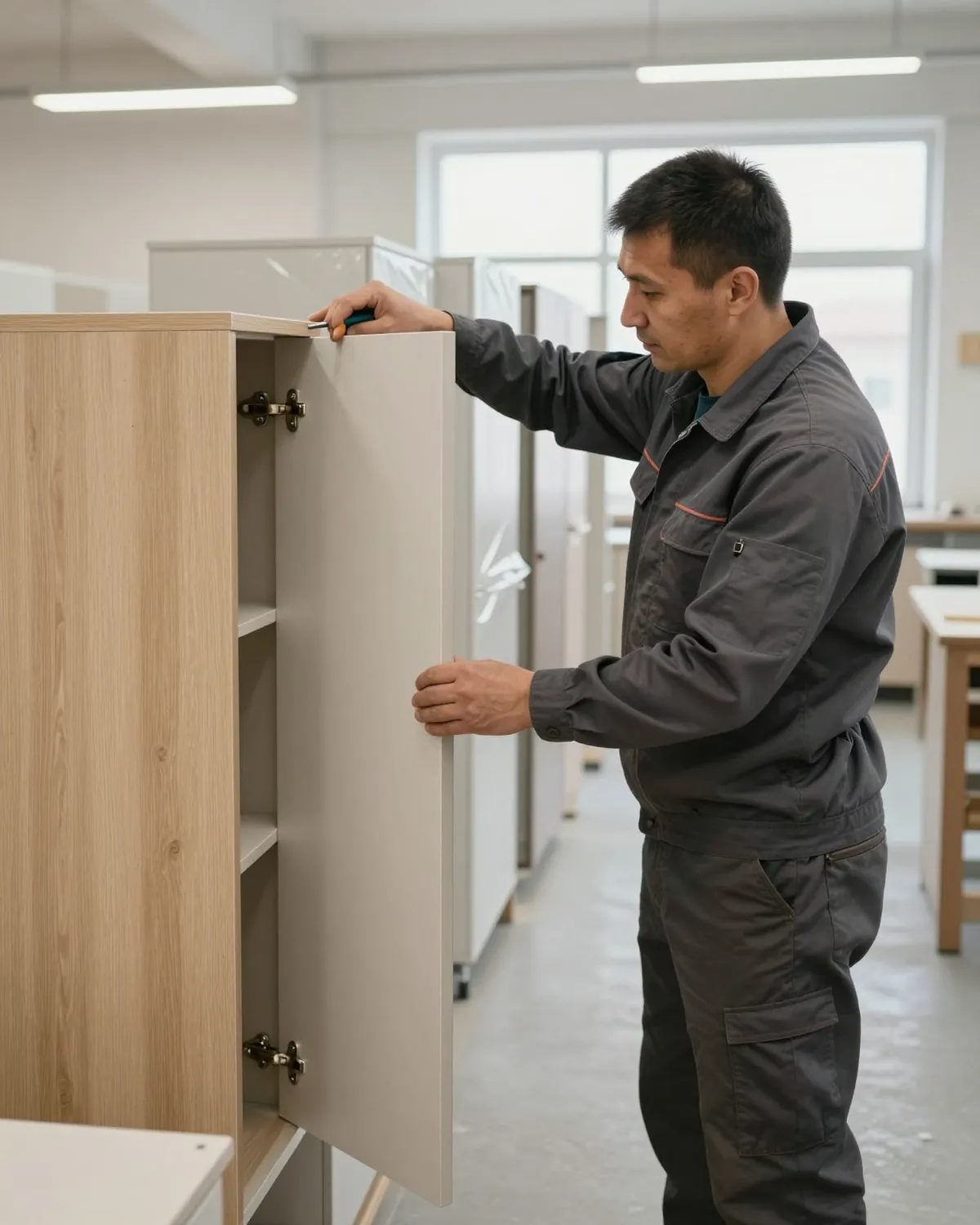
We assemble the modules in the workshop before dispatch, checking front gaps and drawer travel. The quality control department signs the item off for shipping.
Installation to fit the office schedule
We deliver, bring in and assemble in 1 day, adjust the furniture and clean up after ourselves. Warranty of 24 months from signing the acceptance certificate.
08Team
MEBLIX workshop craftsmen who make and assemble furniture to order.
01 / 07Furniture assembly carpenter11 years
★ 4.81 · 47 ratings

Cabinet furniture repair craftsman20 years
★ 4.99 · 73 ratings
Furniture and kitchen unit assembler23 years
★ 4.97 · 300 ratings

Made-to-order furniture maker7 years
★ 4.26 · 32 ratings

Furniture maker5 years
★ 4.23 · 30 ratings
Joiner and carpenter20 years
★ 5.0 · 113 ratings
Furniture front and hardware fitter17 years
★ 4.61 · 92 ratings
09FAQ
Didn’t find the answer? Message us — a manager replies, not a bot.
Ask on WhatsAppFor the waiting area, models in anti-vandal fabric are a good fit: it withstands heavy visitor traffic and is easier to clean. The price list on this page includes a waiting-area sofa and a three-seat straight sofa in matting. During the measurement, the specialist will advise which configuration will fit your layout.
A reception sofa is designed for short visits and heavy foot traffic, so it is more often upholstered in eco-leather, which wipes clean easily. For a meeting room, comfort during long meetings matters more: the price list includes a model in contract matting and a 4-seat model in genuine leather. The choice depends on how long people spend on the sofa.
For offices with heavy foot traffic, clients choose anti-vandal fabrics, eco-leather and contract matting — they resist abrasion and frequent cleaning. The showroom offers 120+ fabrics: matting, velvet, chenille, bouclé, anti-scratch microfiber, eco-leather and genuine leather. For meeting rooms and offices you can choose genuine leather, for waiting areas — practical eco-leather.
Yes, we make modular, corner and round models to fit a specific layout. During the measurement we record the room dimensions and walkways, then prepare a 3D design in 1–2 days. The modular sofa and the round modular half-circle sofa are both in the price list on this page.
The frame is assembled from 18 mm birch plywood and kiln-dried timber, with 25–40 kg/m³ polyurethane foam filling, and some models have a pocket spring unit. Metal transformation mechanisms — book, eurobook, dolphin, accordion. The legs are made of solid beech and oak.
A rush order is possible — ask the manager which option can realistically be sped up. Lead times depend on the model and upholstery material; guidelines for each option are shown in the price list on this page. Production takes place in our own 600 m² workshop in Almaty, so the stages can be agreed in advance.
We check the frame before upholstery, and before packing — the seams, the fit of the covers and how the transformation mechanism runs. The 24-month warranty on the item under the contract covers the frame, the transformation mechanism and the seams. We sign the acceptance certificate after installation.
Wipe eco-leather with a soft damp cloth without abrasives; clean anti-vandal fabric with a vacuum cleaner and a mild detergent. Do not use solvents or stiff brushes. The manager provides specific recommendations for the fabric you choose.
Yes, we bring fabric samples to the measurement, and the showroom in Almaty offers 120+ fabrics: matting, velvet, chenille, bouclé, anti-scratch microfiber, eco-leather and genuine leather. Samples can be placed against the wall and furniture under office lighting.
For high-traffic areas, choose models in anti-vandal fabric or eco-leather: they absorb less dirt and are easier to clean. The price list on this page includes a lounge-area sofa and a shanil sliding sofa. During the measurement, the specialist will assess foot traffic and suggest suitable upholstery.
10Reviews
4,9
average rating
on Google and Zoon
Everyone can see a review on the platform: this is how other people check whom to trust with an order. If something went wrong, write to us and we will reply within 1–2 business days.
Message us on WhatsApp11Article
MEBLIX makes custom office sofas in Almaty to the size and zone of a specific office in its own workshop. Free measurement with fabric samples, a 3D design in 1–2 days, installation by our own crews and a 24-month warranty under contract on the frame, mechanism and seams.
A ready-made item from stock rarely matches the real geometry of a room: niches, columns and people's paths get in the way. We break down where a stock model falls short and what ordering with exact sizes gives you.
Ready-made sofas are built to average dimensions, so in a narrow meeting room or against a wall with a niche they leave gaps and awkward walkways. A straight stock option is designed for a standard three-person seat, while the waiting area between a column and a door leaves 1.4 metres — a 2.1-metre model simply does not go in there. Depth is even trickier: standard 90 cm eats into the walkway, and staff have to edge around the furniture sideways. A fold-out design adds another 15–20 cm to the length for the mechanism, which nobody accounts for at purchase. First measure not the "space for furniture" but the whole area, taking into account door swing and people's paths — that is what most often changes the configuration. Our own production of office sofas lets us make a model exactly into a niche or up to a column, rather than fitting the room to stock dimensions.
At the free measurement we take the dimensions and bring fabric samples so that the seating length and depth match the real wall, not the plan on paper. The measurement specialist records not only the wall length but also skirting board protrusions, sockets, radiators and the door opening angle — these details take away 5–15 cm of usable length. Based on the results we prepare a 3D design in 1–2 days: it shows how the item sits in place and how much is left for the walkway. Fabric samples at the measurement are needed to immediately assess how the upholstery reads under the lighting of the specific room, not in the showroom. Leave 5–10 cm of clearance on each side from the wall — that way the furniture goes in without scratches and does not jam against the skirting board during installation.
| Parameter | Ready-made sofa | Order by size |
|---|---|---|
| Dimensions | average, from stock | to the wall and the room |
| Configuration | whatever is in stock | straight or fold-out |
| Upholstery | limited choice | 120+ fabrics in the showroom |
| Fit | gaps and walkways | exact to the measurement |
What an office sofa is made of and why the load-bearing base, filling and support matter more than the look of the upholstery — we break it down by the layers that determine how long the item will last under daily load.
We build the frame from 18 mm birch plywood and kiln-dried timber — a load-bearing base that holds the shape of the seat under daily use. In the frame section of the workshop, parts are cut to the project and pulled into a rigid frame, so the backrest does not sag under the weight of an adult, and the geometry holds after hundreds of sittings. Kiln-dried timber does not warp when humidity fluctuates, so the frame does not start creaking after a heating season — this is where the production of such sofas differs from assembly from green wood, where the structure loosens over a single heating cycle. Before upholstery we check every frame individually: corners, bracing and diagonals. This check catches skew at the stage when fixing it is still cheap — after upholstery a defect cannot be reworked without losing the cover.
For filling we use PPU 25–40 kg/m³, and in convertible models we install a pocket spring unit — density determines how the seat surface holds its shape under a steady stream of people. The lower bound suits an office with occasional seating, the upper bound suits a waiting area where people sit dozens of times a day. The pocket unit distributes load point by point: the springs compress independently of each other, so the surface does not sink in the centre and no "pit" forms between seats. On soft models without springs, the same effect comes from a combination of two PPU layers of different firmness — the top layer provides comfort, the bottom one support. For a waiting area, choose PPU closer to the upper density bound — soft filling sags faster where the load is distributed unevenly.
We explain how to choose a fabric that will withstand daily seating, and how to match the upholstery to the client's corporate style without getting the shade wrong.
Our showroom has 120+ fabrics, and for daily use we most often recommend hopsack, chenille and anti-scratch microfibre — they handle constant seating and clean more easily. Hopsack is a dense plain weave of twisted yarns, chenille is softer to the touch and hides scuffs better, and anti-scratch microfibre does not pull loops from keys and buckles. Velvet and bouclé look richer in meeting rooms but require careful brushing. The dense weave of hopsack does not snag clothing and collects less lint — in a high-traffic area this shows within a month. For high-traffic spots we recommend hopsack rather than pile options: it keeps its look longer under daily vacuuming. Density and yarn twist matter more here than colour: a loose weave fluffs up faster at the piping, while a dense one holds the edge shape even where people constantly rest a hand on the seat.
| Upholstery | Where it fits | Care |
|---|---|---|
| Faux leather | reception, office | wiped with a damp cloth |
| Genuine leather | executive office | mild products without abrasives |
| Hopsack weave | waiting area | vacuum, spot-clean stains |
| Anti-scratch microfiber | waiting area, meeting room | does not snag, easy to clean |
We match fabric to the client's corporate brand color using samples from the showroom — the shade is approved on the 3D design before cutting. An on-site measurement with fabric samples is free, we prepare the design in 1–2 days, and before cutting the client sees how the chosen tone combines with the walls and furniture in a specific area. Fabric cutting and cover sewing take place in our own 600 m² workshop, so a batch of several sofas is upholstered from a single roll — the shades won't differ between items. Look at the sample under the lighting that will be in the office: by the window and deep inside the room the same shade reads differently, and cold light turns beige grey. If the brand color falls into a tricky shade, ask for a color swatch on a piece of foam and hold it against the wall at two or three points in the room.
The same model doesn't suit every work area. We break down what matters at reception, in the waiting area, in the executive office and in the meeting room, and how we match the seating to each scenario.
For the waiting area and reception we usually place a straight model with dense PU foam and durable upholstery — here people sit often and briefly. A filling density of 25–40 kg/m³ holds its shape under a flow of visitors, while hopsack weave or anti-scratch microfiber withstands daily sitting in outerwear. We make custom office sofas for a specific area, so we match the seating and upholstery to the usage scenario. We calculate the seating length by the number of seats: we allow about 55–60 cm per guest so neighbors' elbows don't touch when seated. We make the backrest of moderate height and check the 18 mm birch plywood frame before upholstery. In the waiting area seating length matters more than depth: people sit on the edge, and too deep a seat makes them slide forward — so we keep the depth for reception within 55–60 cm.
For the executive office we make a model with more prestigious upholstery — genuine leather or velvet — and with seating designed for a long conversation rather than a short wait. Here a depth of 65–70 cm and soft PU foam are more appropriate: a person sits with support for the whole back, not on the edge. We cut and upholster faux leather and genuine leather in our own workshop, and select velvet and chenille from the fabric samples we bring to the measurement. We add beech or oak solid wood legs if the furniture stands in plain view rather than in a niche. In the office it's often placed against a wall with a window — keep in mind that genuine leather fades in the sun, so it's better to provide heavy curtains or place the item away from direct light.
For the meeting room we recommend a compact straight model with a low back — it doesn't block the view and leaves a passage to the table. This solution works when the room already has a table and chairs and there isn't much free floor space: we keep the depth at around 60 cm and the length suited to two or three seating spots. For upholstery we use the same 120+ fabrics from the showroom, more often chenille or a matte weave in a neutral tone, so the piece doesn't clash with the wall finish. We usually don't fit a transformation mechanism here — we cover fold-out options separately. In a meeting room furniture more often stands along the wall behind people's backs — check that the back doesn't press against sockets and switches, otherwise access to them will be blocked.
A fold-out model isn't always needed in an office: in some zones a static construction is enough, in others you can't do without a sleeping place. We explain when to choose a transformation and which mechanism suits a specific task.
We recommend a straight sofa for waiting areas and meeting rooms, and a fold-out one where an employee or guest may need a sleeping place. MEBLIX makes custom sofas in its own workshop, so the construction type is set in the project at the measurement stage: a static model is simpler in terms of the frame, while a transformable one adds a metal mechanism and extra filling. In an executive office a fold-out model covers overnight stays after late meetings, in a break room — shift schedules. A straight construction wins in the reception area: a visitor sits down for ten minutes, and a deep sleeping surface here only gets in the way of the passage. A fold-out option takes up more space when unfolded — measure in advance where it unfolds, not just the installation spot.
| Mechanism | How it unfolds | For which scenario |
|---|---|---|
| Book | the seat lifts, the back goes down | office, meeting room |
| Euro book | pull-out block with a linen drawer | office, break room |
| Dolphin | compact unfolding, minimal space | small office |
| Accordion | sections roll out one after another | employee lounge area |
In fold-out models we fit an independent spring unit — it distributes the load across the seat and keeps it from sagging in the spots where people sit most often. Each spring works on its own, so one person's weight doesn't pull the neighbouring coils, and the seating surface stays even under different loads at the edges and in the centre. On top the construction is covered with PU foam of 25–40 kg/m³: the dense layer takes the initial pressure and keeps the coils from pressing through in thin spots. In a waiting area the seat is sat on dozens of times a day — it's exactly this combination that holds its shape longer than solid foam rubber. The spring unit only works together with dense PU foam on top — if the filling is soft, the springs can be felt through within a season.
The ordering journey with a direct manufacturer — from the first measurement to signing the acceptance certificate. Below is what happens at each stage and who is responsible for the result.
We arrive for a free measurement with fabric samples, prepare a 3D design in 1–2 days, and once approved, launch the item in our own 600 m² workshop. During the measurement, a technician takes the dimensions of the area, checks walkways and power outlets, and with 120+ fabrics in the showroom you can hold a linen weave, velvet, or faux leather right up against your office wall. We make custom office sofas in our own workshop, so project changes are discussed directly with the craftsman, not through an intermediary. The workshop has separate sections: frame, fabric cutting, cover sewing, upholstery, and pre-packing inspection — the item never goes elsewhere between operations. Lead times depend on the item and material — each option is listed in the price list on this page, and rush orders are possible.
Installation is carried out by our teams, we sign the acceptance certificate after setup, and the 24-month contractual warranty covers the frame, transformation mechanism, and seams. 50 % prepayment, the balance after the acceptance certificate, we work by bank transfer. Delivery in Almaty and up to 30 km is free for large orders, the threshold is on the "Delivery and payment" page, beyond 30 km — for an extra charge. The team assembles the sofa on site, levels the beech or oak legs, and checks the mechanism right there. The certificate is not signed until you have inspected the cover fit and how the mechanism unfolds. It is best to do the acceptance check in daylight — it reveals stitch skewing that is invisible under evening lamps.
We have gathered what most often decides the fate of an office sofa: dimensions for a specific area, honest materials, and a clear contract with measurements and installation.
12Calculation
The calculator estimate is based on the sofa width or the selected model, the upholstery type and the transformation mechanism. Fill in the fields and send a request — it will go to the manager on WhatsApp, who will clarify the details and prepare a quote.
13Office furniture
We design and make cabinet furniture for offices with a precise fit to the space and a single decor throughout the floor.
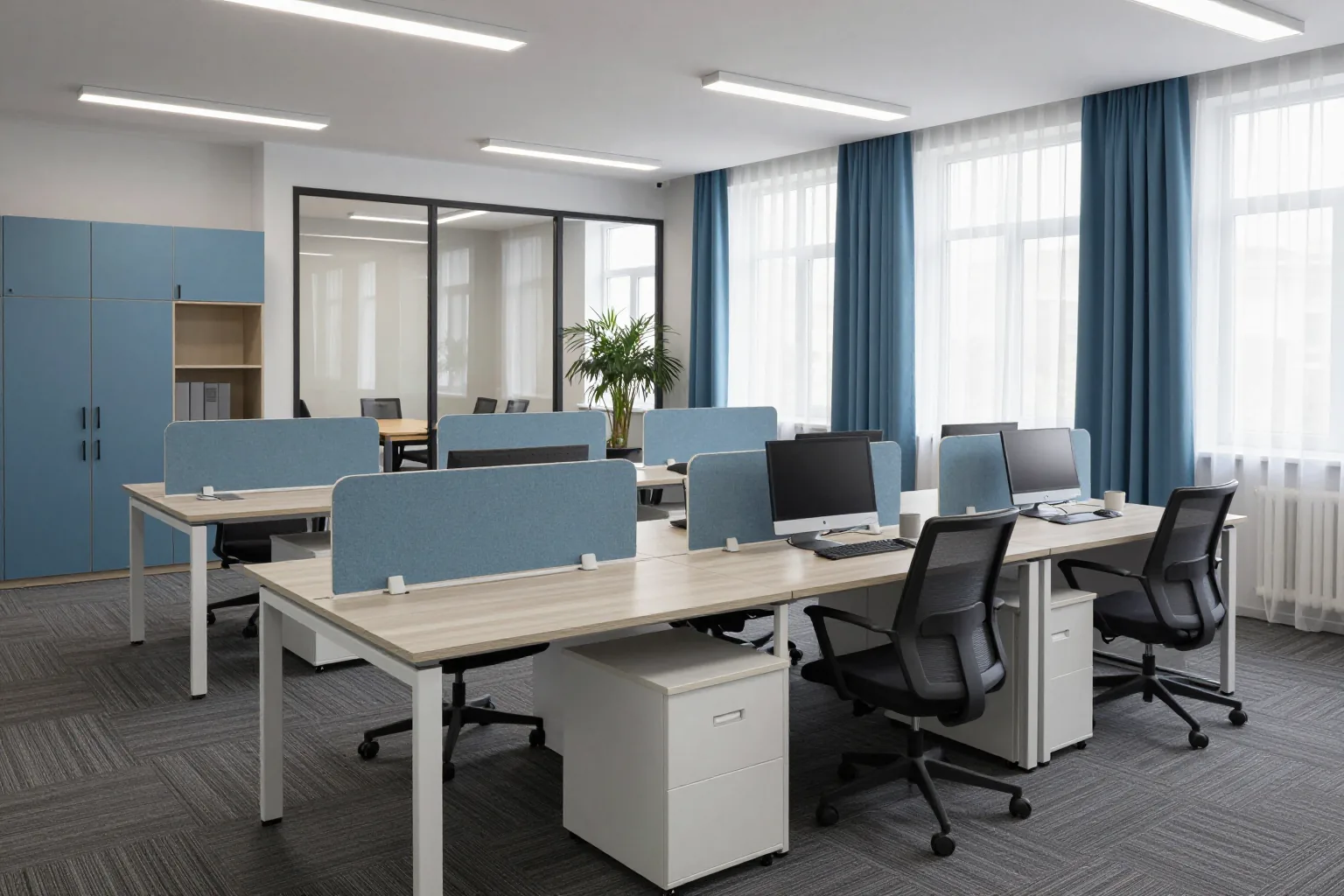
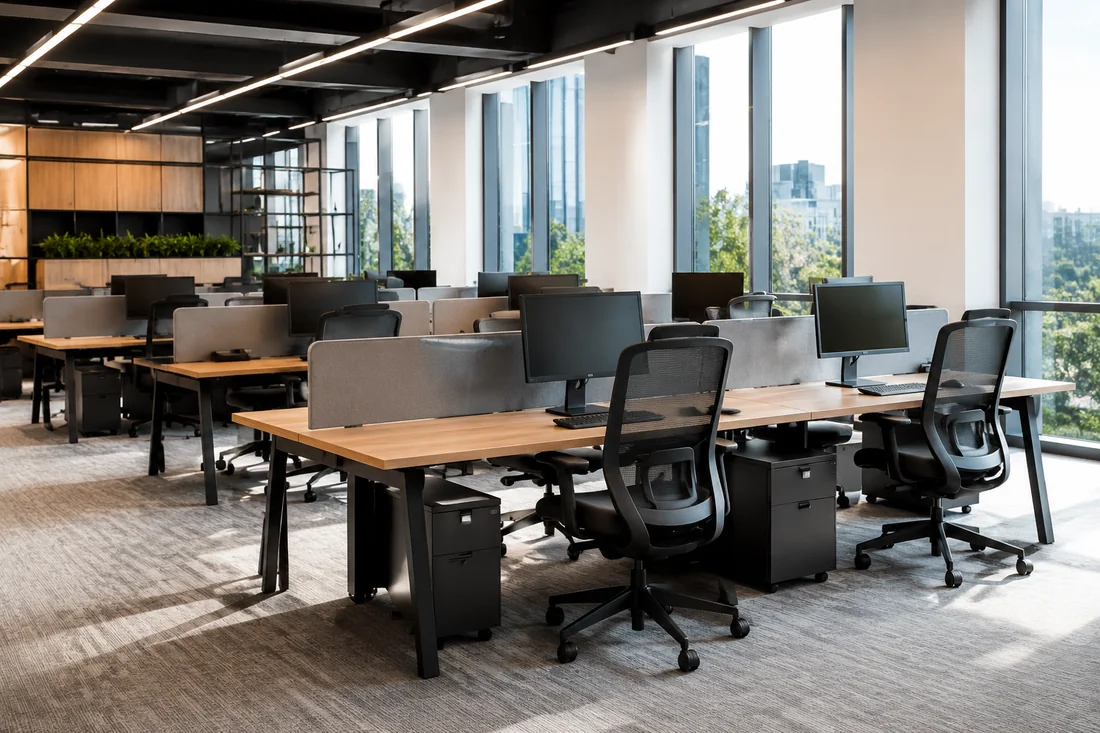
We design workstations to suit the office layout and employees' tasks: measurement and a 3D layout design are free, and the price is fixed in the contract before work starts.
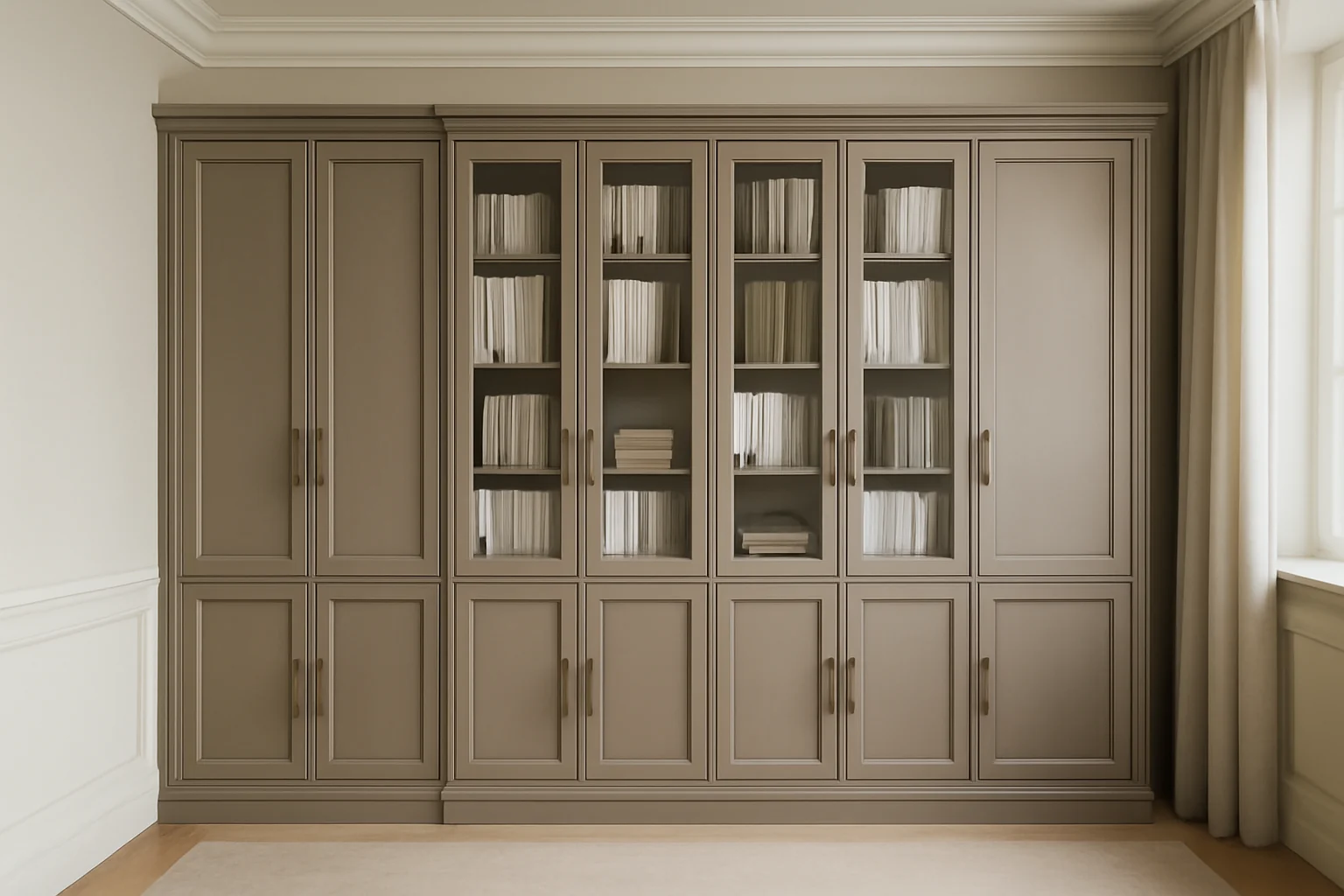
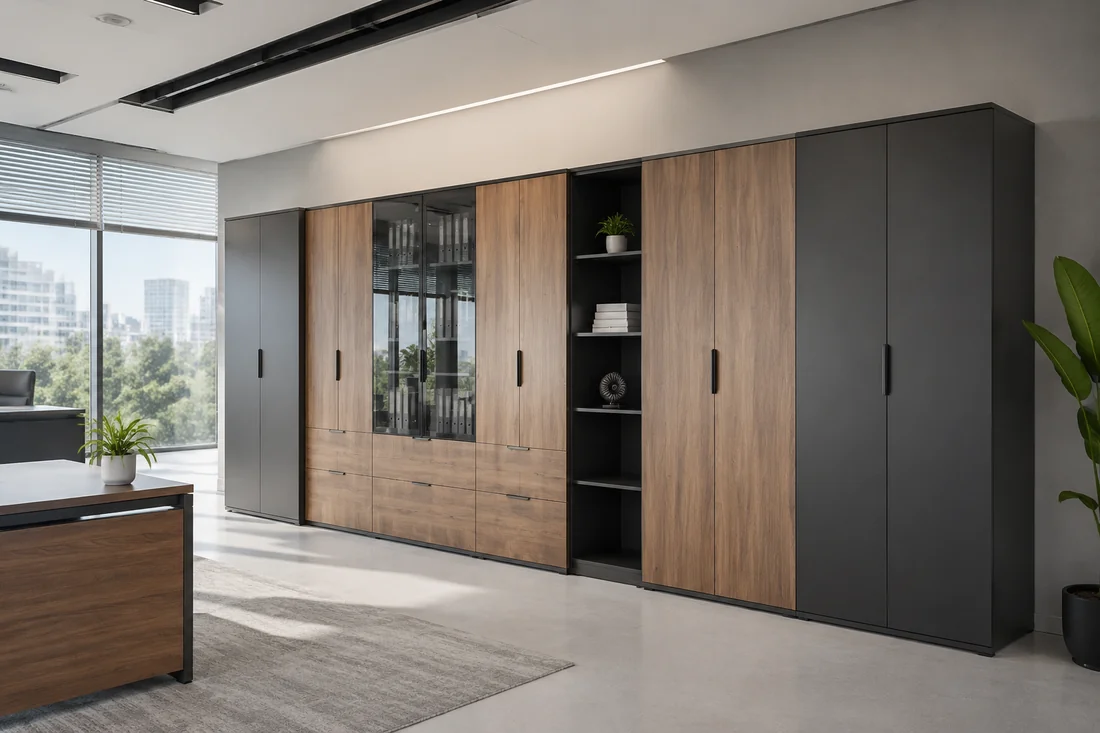
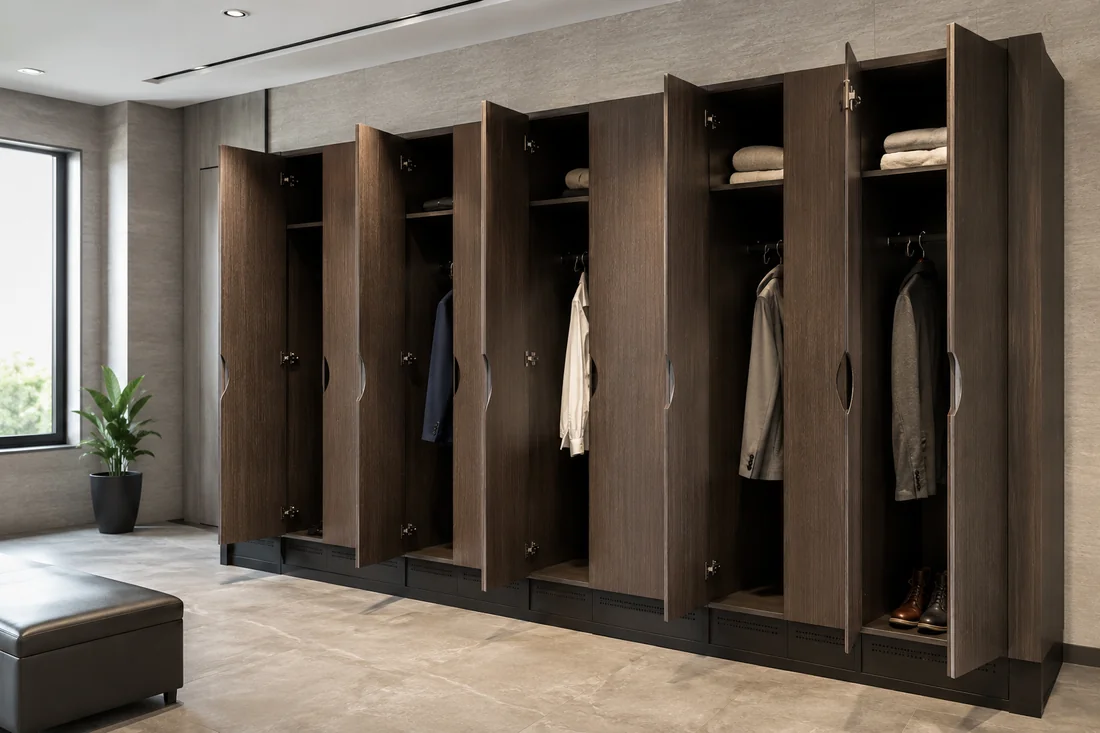
We design and make office wardrobes for your documents, equipment and clothing, fitting into a niche with the required number of sections.
We will make a cabinet to fit your archive or office: free office measurement and a 3D layout design in 1–2 days, with the price fixed in the contract.
A wardrobe for a reception or changing room niche keeps things in order and protects employees' clothing from dust.
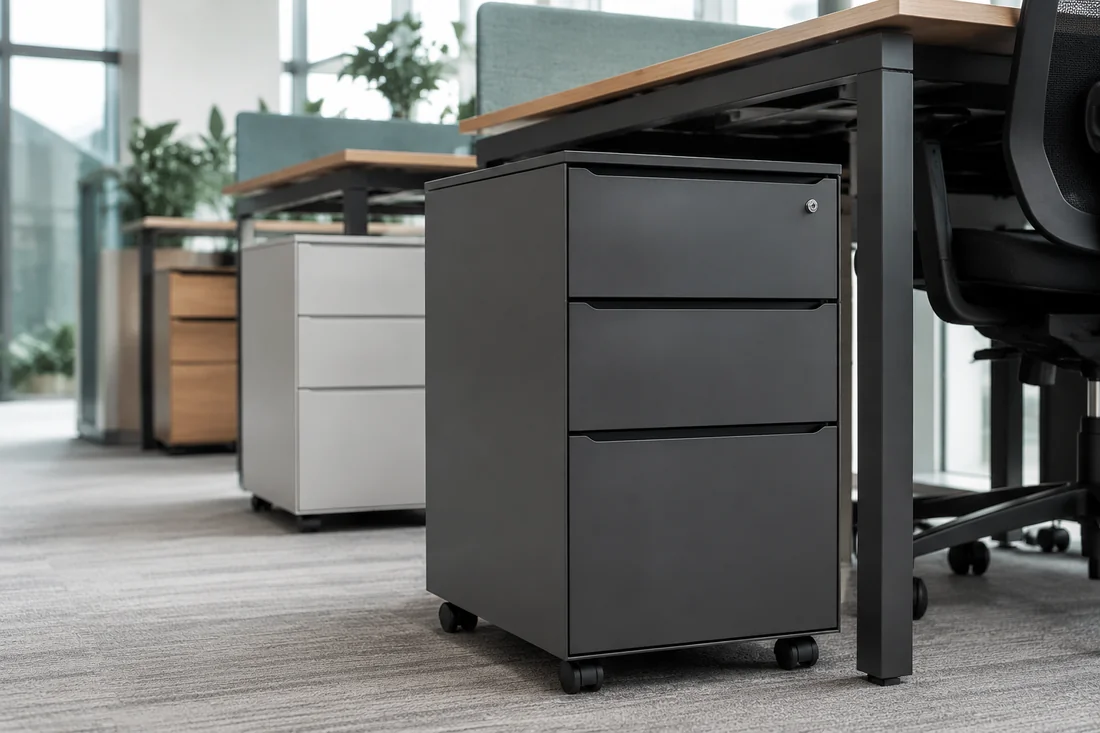
We will make cabinets to suit your desk and tasks: with a lock, for office equipment or for a filing system.
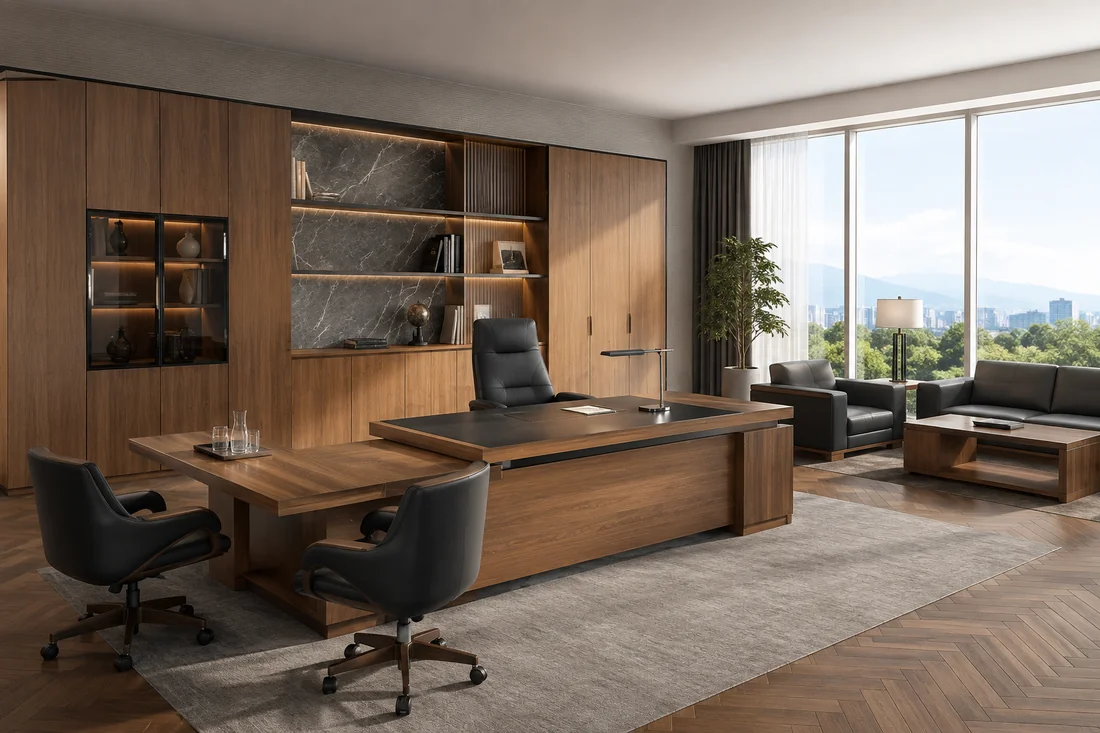
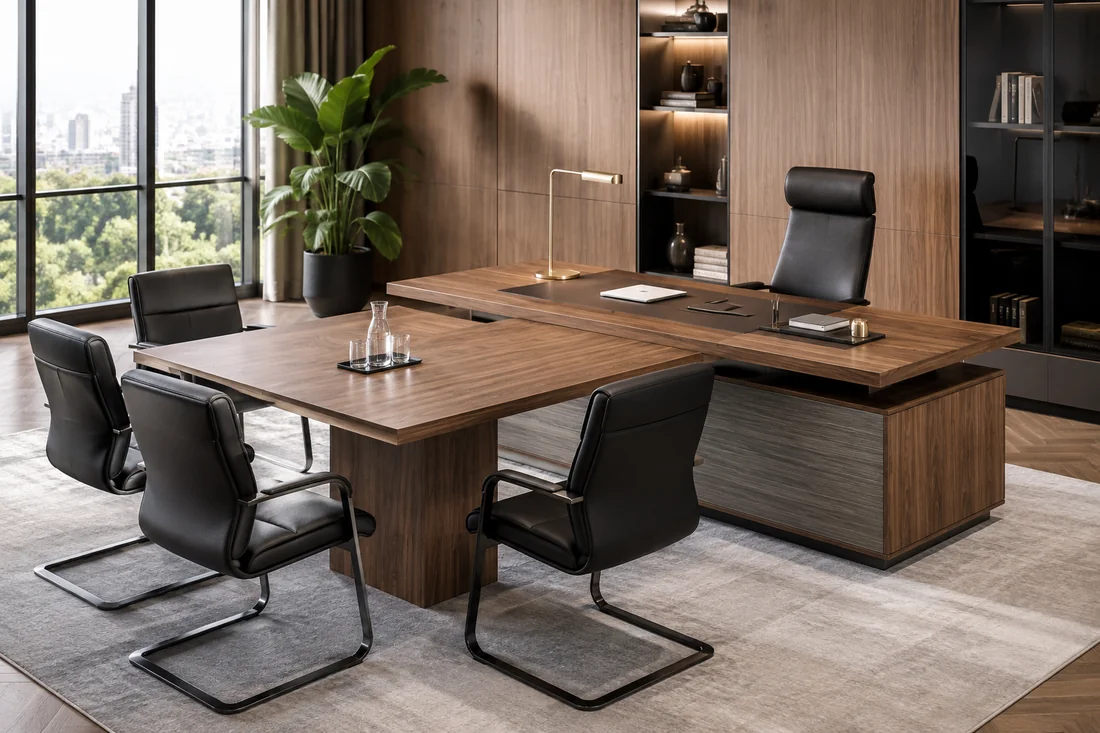
We design and make an office for a manager's tasks: meetings, document storage, a rest area.
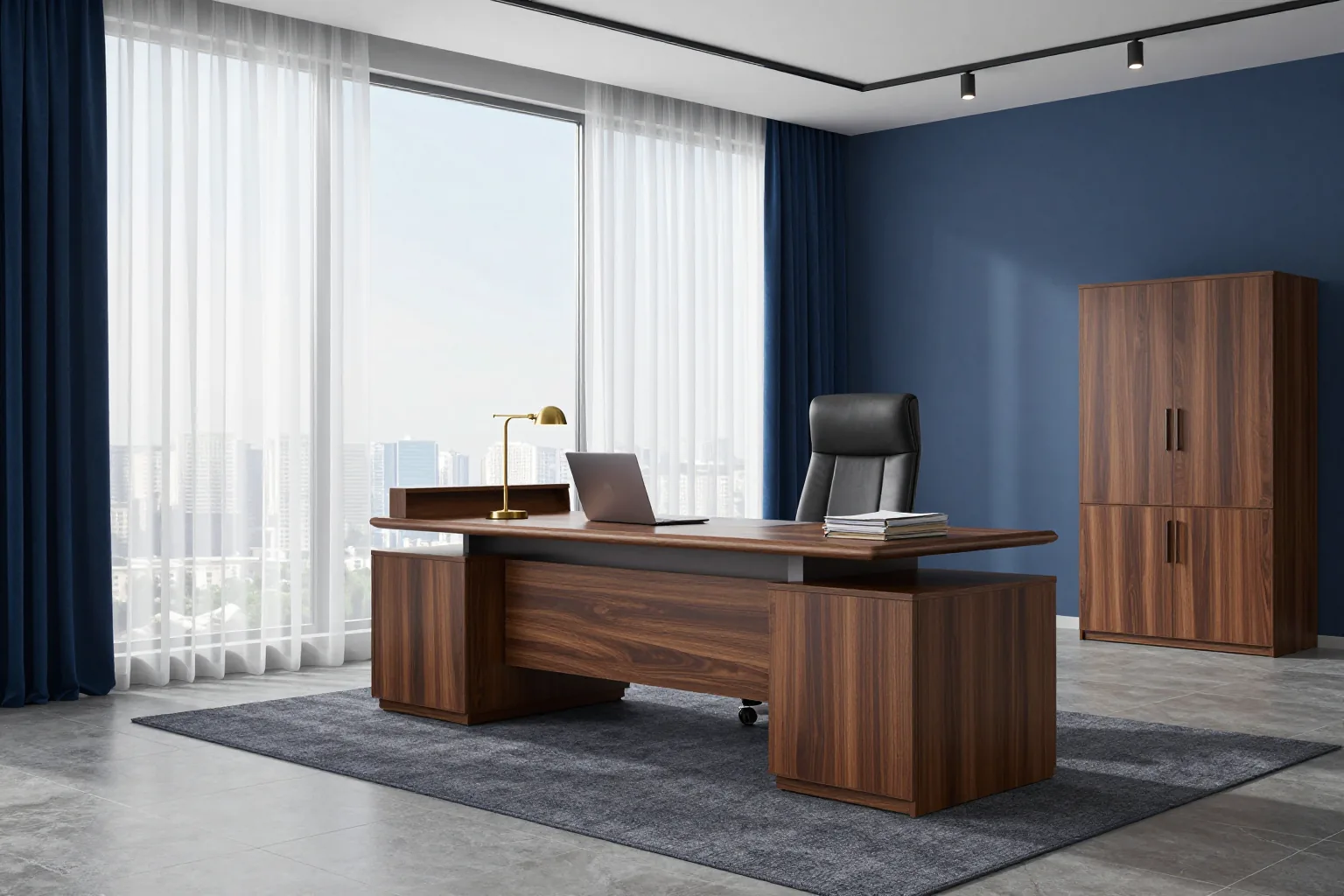
We design and make a desk for a director's office with free measurement and a 3D layout design in 1–2 days.
An executive desk with a briefing extension brings a meeting and a workplace into one line without taking up extra space.
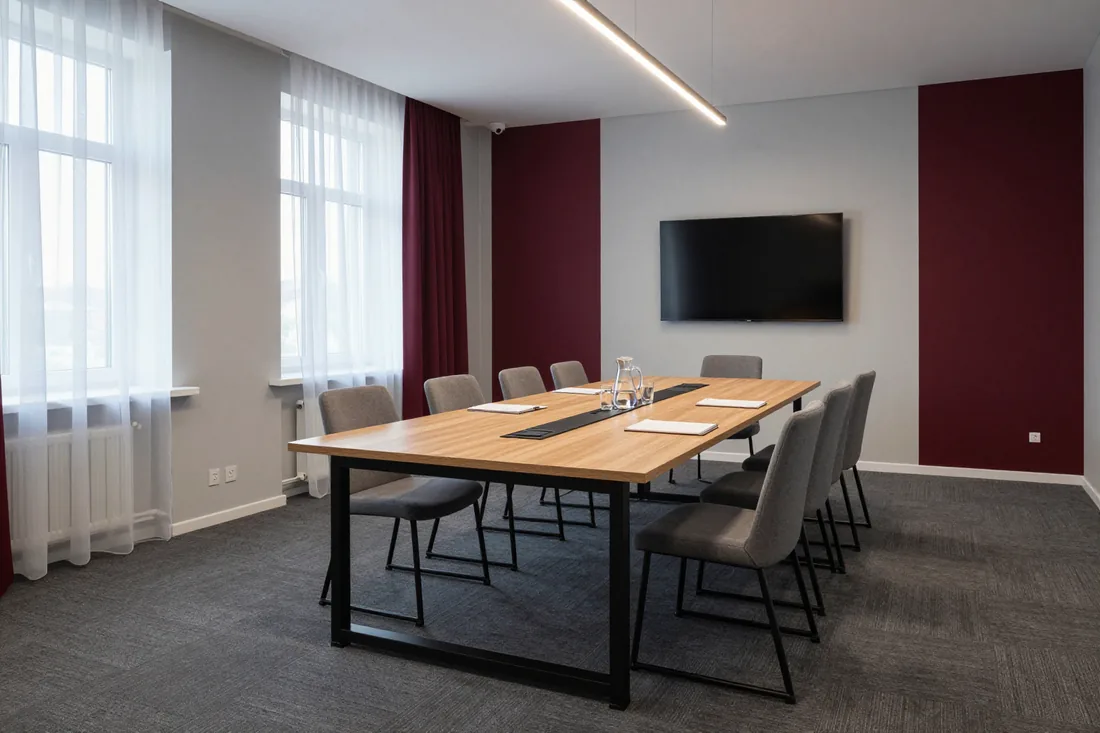
We design and make tables for meeting rooms to fit the size of your room.
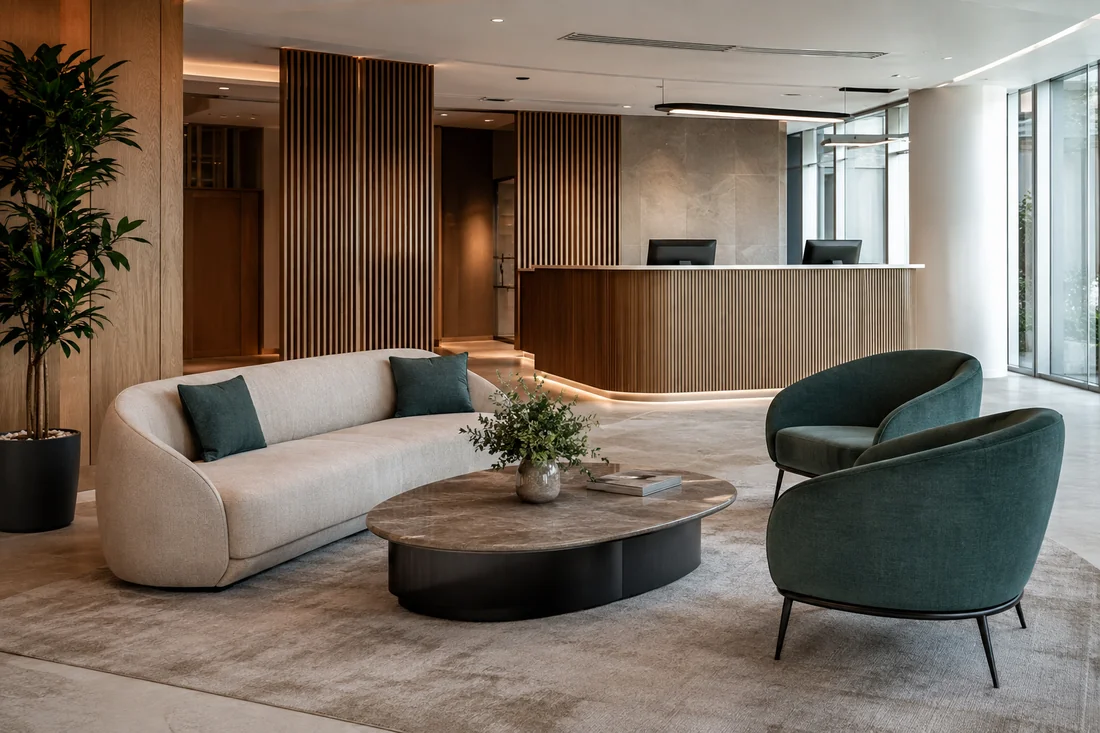
We set up a reception to fit your office: a counter, sofas, tables and a wardrobe in a single decor.
We design workstations to suit the office layout: free measurement and a 3D layout design in 1–2 days, with the price fixed in the contract.
We set up an office in a single decor: workstations, meeting rooms, reception and rest areas.
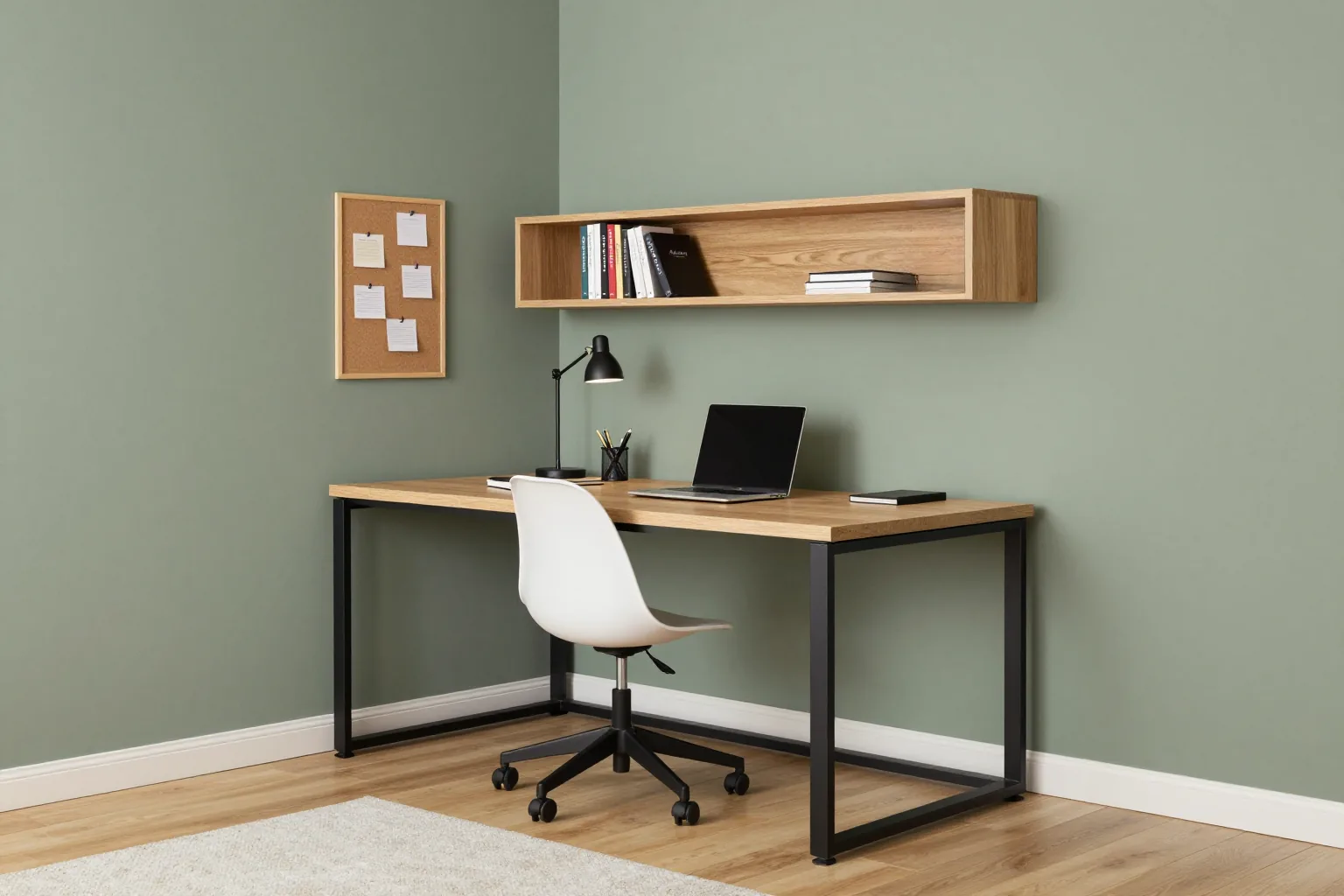
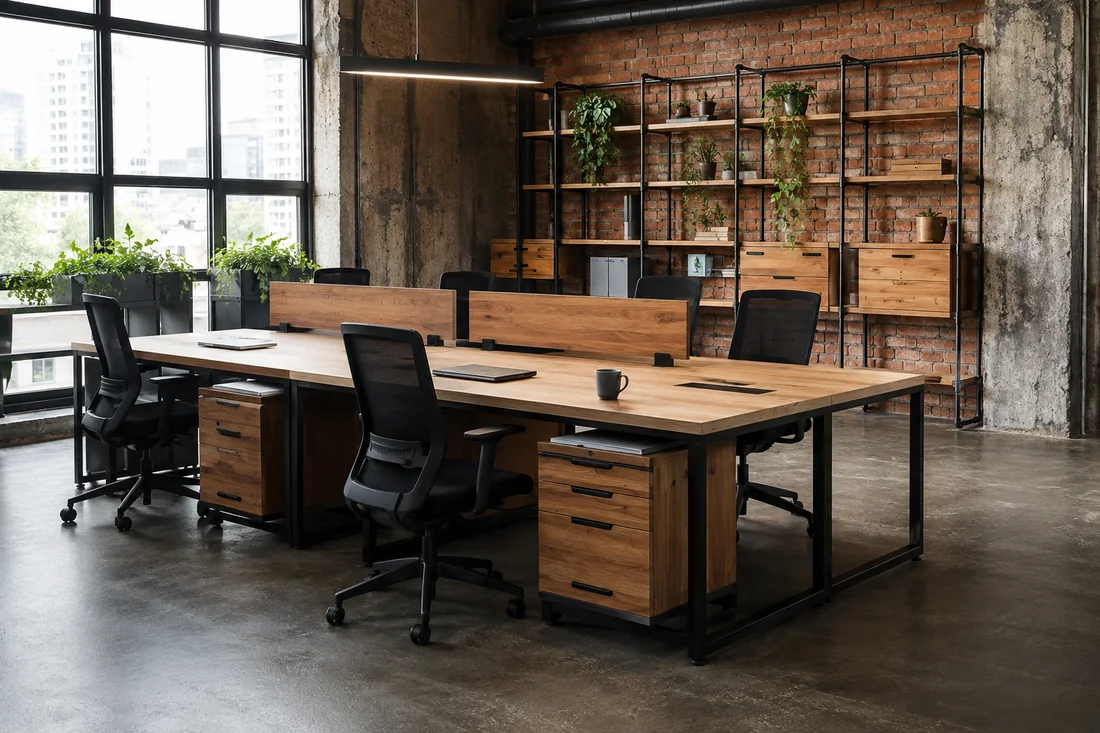
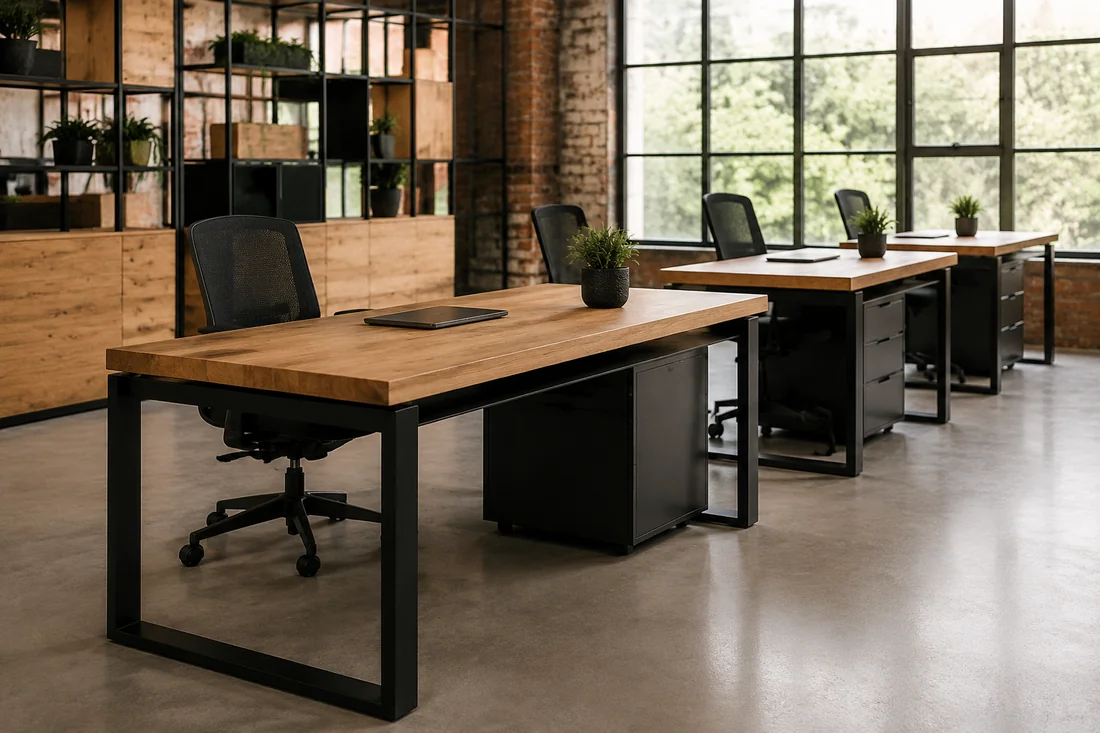
A loft table on a steel frame with a wooden or laminated chipboard top solves the workstation task without losing the office style.