Almaty Daily 10:00–20:00 +7 705 625 00 03 Book via WhatsApp

Custom restaurant and cafe countertops in Almaty

Durable surfaces for high-traffic halls: we select the material for your format and fix the price in the contract. Free measurement and 3D design in 1–2 days, 24-month warranty on the item.

Measurement and 3D design are free and carry no obligation · price fixed in the contract · Kaspi Instalments up to 24 months

★ 4,9
Google rating
from 7 days
production time
24 mo.
warranty under contract

02Prices

How much countertops for cafés cost to order

The "from" price is per linear meter of width or per item — it depends on the position. We fix the exact cost in the contract after a free measurement and project approval.

  • 50% prepayment, the rest after installation and sign-off
  • Bank transfer for legal entities, price fixed in the contract
  • 1–2 days for a 3D design, revisions free
  • Kaspi Instalments over 3–24 months with no down payment
Get an exact quote
ItemMaterialLead timePrice
  • Compact HPL boardcompact HPL, per lin.m12 daysfrom 40 000 ₸
  • Stainless steel countertop for a café, AISI 304, depth 600 mm1.5 mm stainless steel + moisture-resistant plywood, per lin.m7–10 daysfrom 88 000 ₸
  • Acrylic stonecast acrylic, per lin.m14 daysfrom 95 000 ₸
  • Reinforced solid woodsolid oak/​ash, per lin.m18 daysfrom 120 000 ₸
  • Solid oak countertop for a restaurantSolid oak (AB grade), oil-wax finish, 40 mm, depth 600 mm, per lin.m7–10 daysfrom 120 000 ₸
  • Engineered quartzquartz agglomerate, per lin.m16 daysfrom 140 000 ₸
  • Natural granite Absolute Black countertop for a restaurantGranite Absolute Black (India), polished, 40 mm, depth 600 mm, per lin.m7–10 daysfrom 165 000 ₸
  • Laminated chipboard countertop for a cafeMoisture-resistant laminated chipboard (Egger), ABS edge, 38 mm, 600x​1200 mm7–10 daysfrom 42 500 ₸
  • Artificial polyester stone countertop for a caféPolyester stone on a moisture-resistant base, 12 mm, 600x​1500 mm7–10 daysfrom 65 000 ₸
  • Bar counter for a baracrylic/​quartz18 daysfrom 95 000 ₸
  • Tempered glass countertop with sandblasting for a barTempered glass, matte sandblast, 10 mm, 500x​1200 mm7–10 daysfrom 98 000 ₸
  • Stainless steel countertop with drip tray for a barStainless steel AISI 304, 2 mm, 500x​1500 mm7–10 daysfrom 125 000 ₸
  • Epoxy stone countertop with marble chips for a restaurantEpoxy stone (terrazzo), 30 mm, 600x​1800 mm7–10 daysfrom 195 000 ₸

03Calculator

How to calculate a countertop for cafés

Select the surface type in the calculator and enter the dimensions — the calculation will go to the manager on WhatsApp for review. If it's easier to calculate per item rather than per linear meter, note this in the request.

01Item

02Length along all walls

1 linear m
0.6 linear m6 linear m

03Finish

04Projects

Completed countertop projects for food service

01 / 05
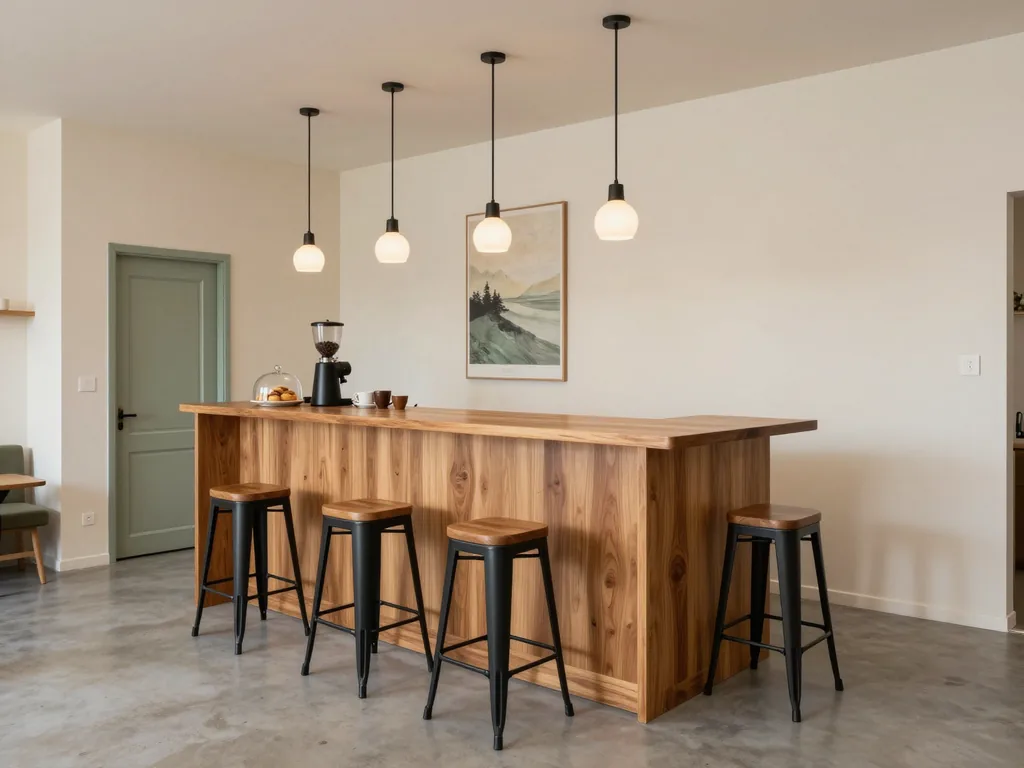
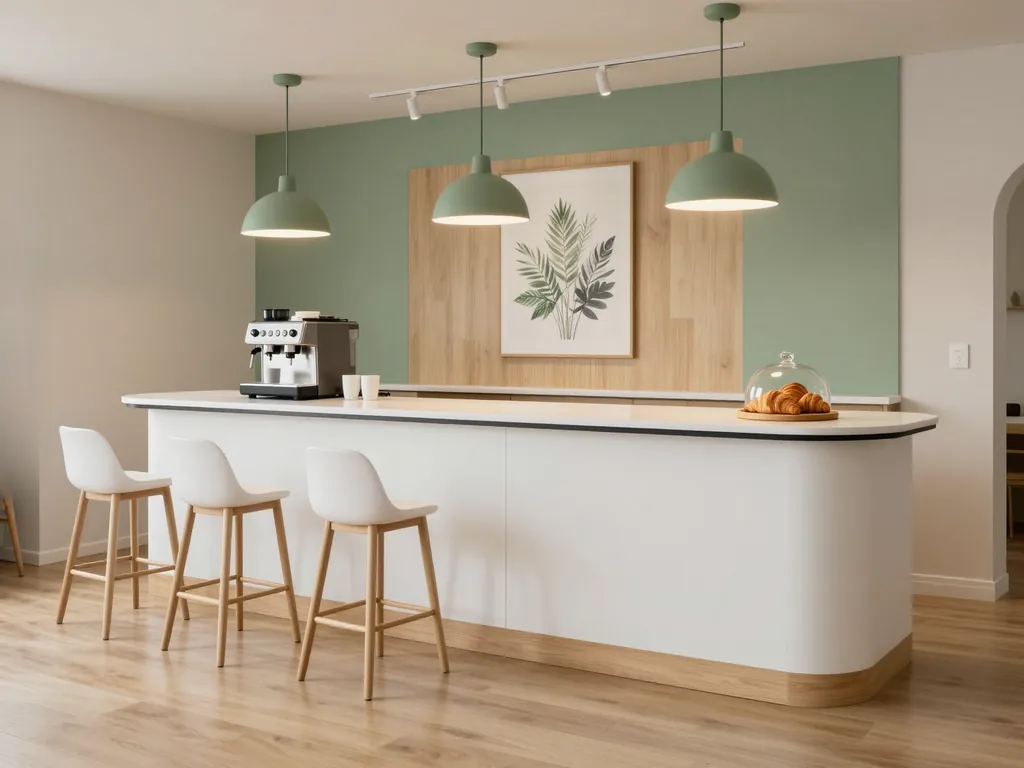
White bar counter in a café with a coffee machine and pendant lamps above it

01 / 05

Countertops for a busy cafe

cafe, Kabanbay batyr St, Almaly district

We equipped the cafe hall with compact HPL board countertops: rounded edges, moisture-resistant surface, quick cleaning between seatings. They handle the flow and frequent chemicals.

Items
12 tables, HPL
Materials
compact HPL board
Lead time
14 days
I want the same
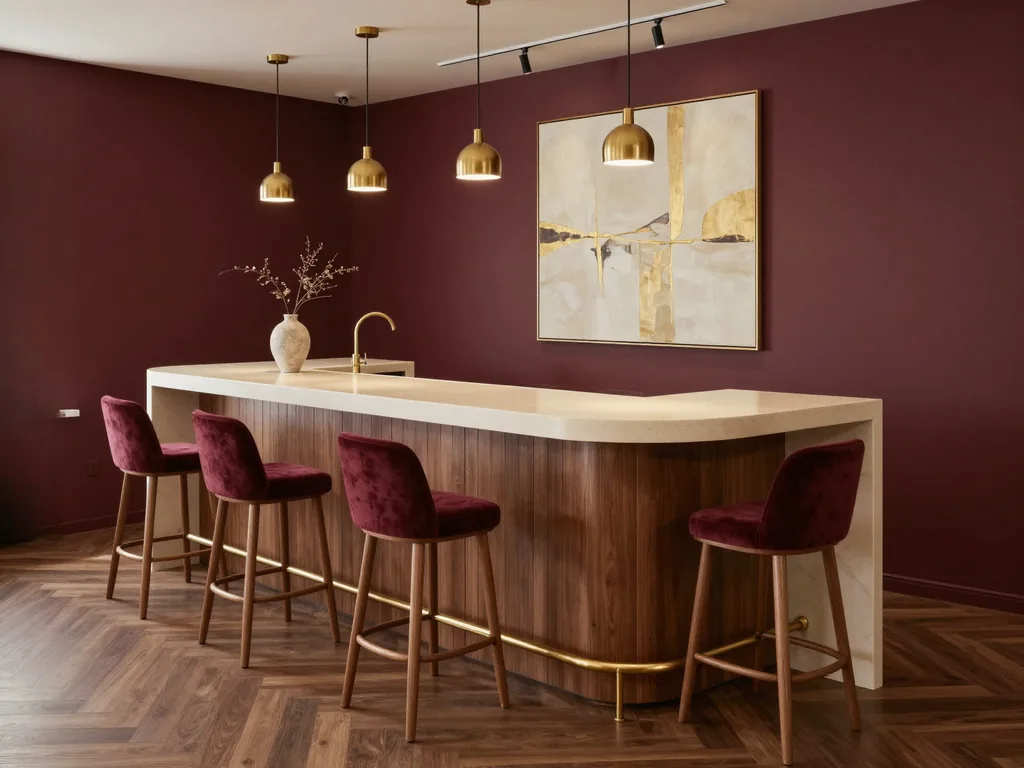
Cream acrylic stone countertop on a restaurant bar counter with a rounded corner

02 / 05

Restaurant on acrylic stone

restaurant, Dostyk Ave, Medeu district

Seamless acrylic-stone restaurant countertops: a solid look for the dining room, hygiene to code, scratches sanded out on site without shutting the venue down.

Items
dining room + display case, acrylic
Materials
acrylic stone
Lead time
18 days
I want the same
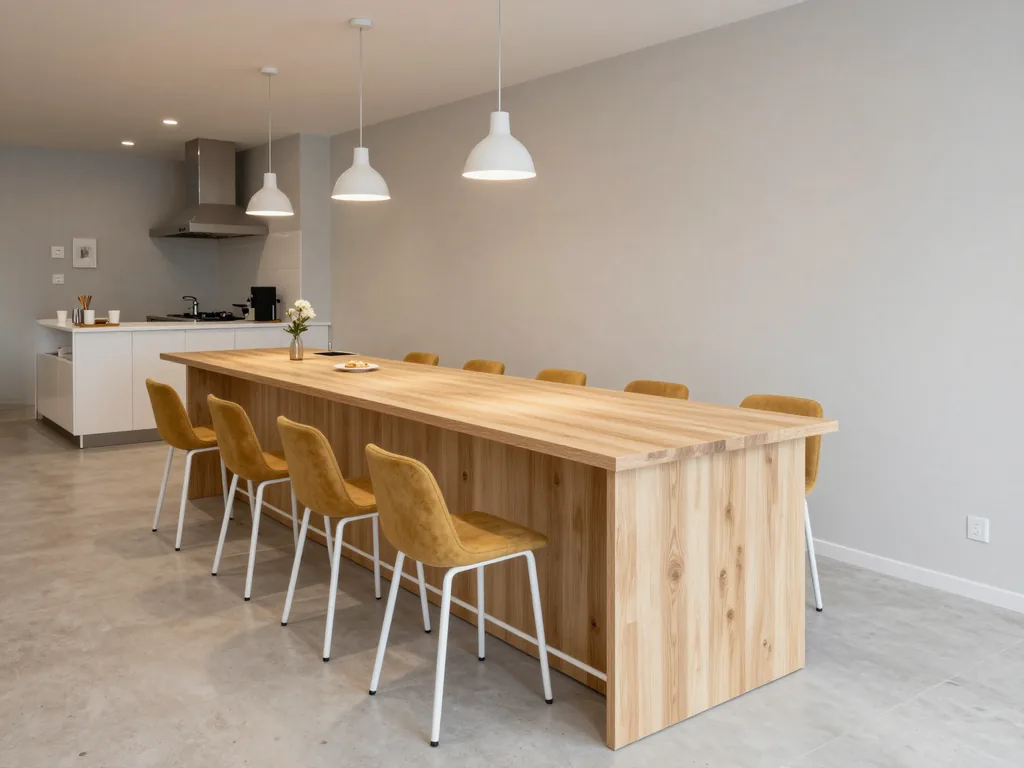
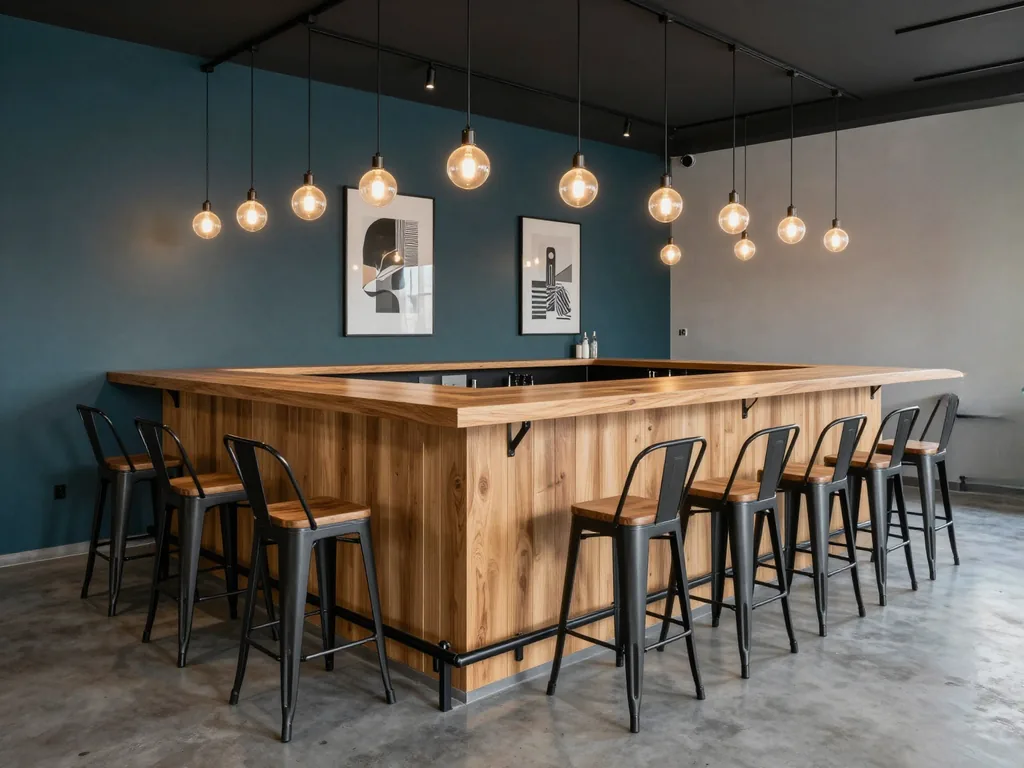
Wooden solid wood bar counter along the hall with lamps and guests

03 / 05

Bar counter for a bar

bar, Panfilov St., Almaly district

Long quartz bar counter for alcohol, ice and citrus: no staining, stands up to moisture and disinfection, overhang for guest seating.

Items
6 m counter, quartz
Materials
quartz agglomerate
Lead time
18 days
I want the same
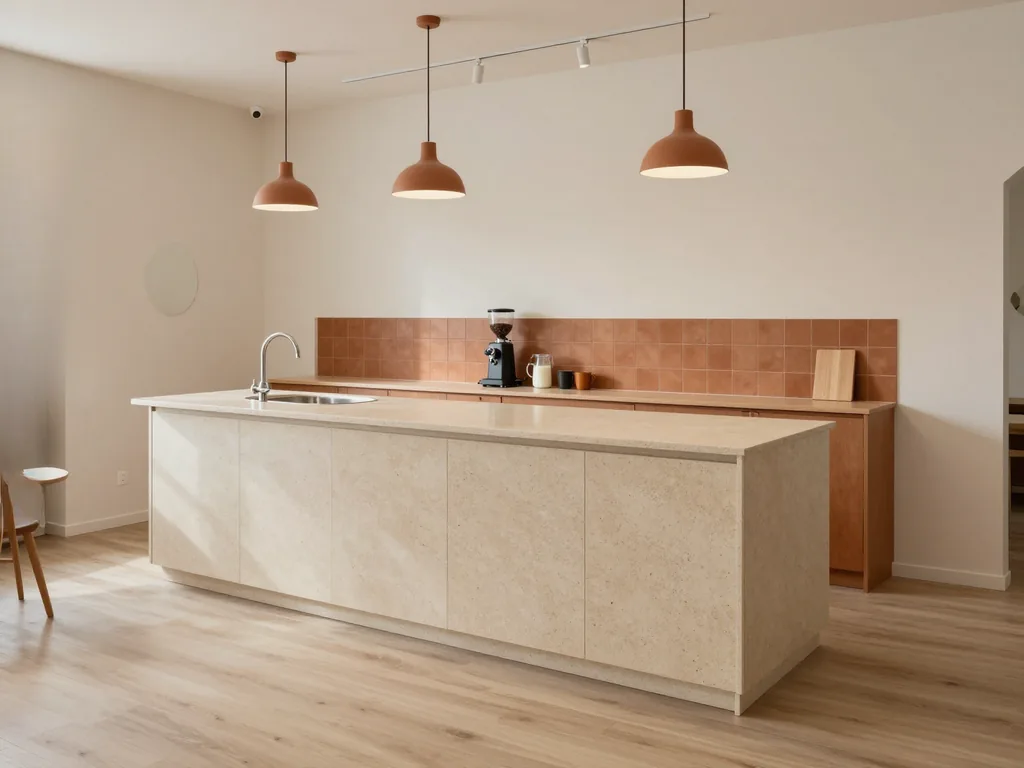
Beige countertop with a sink and faucet on a counter in a coffee shop

04 / 05

Coffee shop turnkey

coffee shop, Samal-2 microdistrict, Medeu district

Quartz barista counter and HPL tables: coffee and syrup leave no stains, the surface wipes clean in two minutes, one palette for the whole room.

Items
barista counter + tables
Materials
quartz, HPL
Lead time
16 days
I want the same
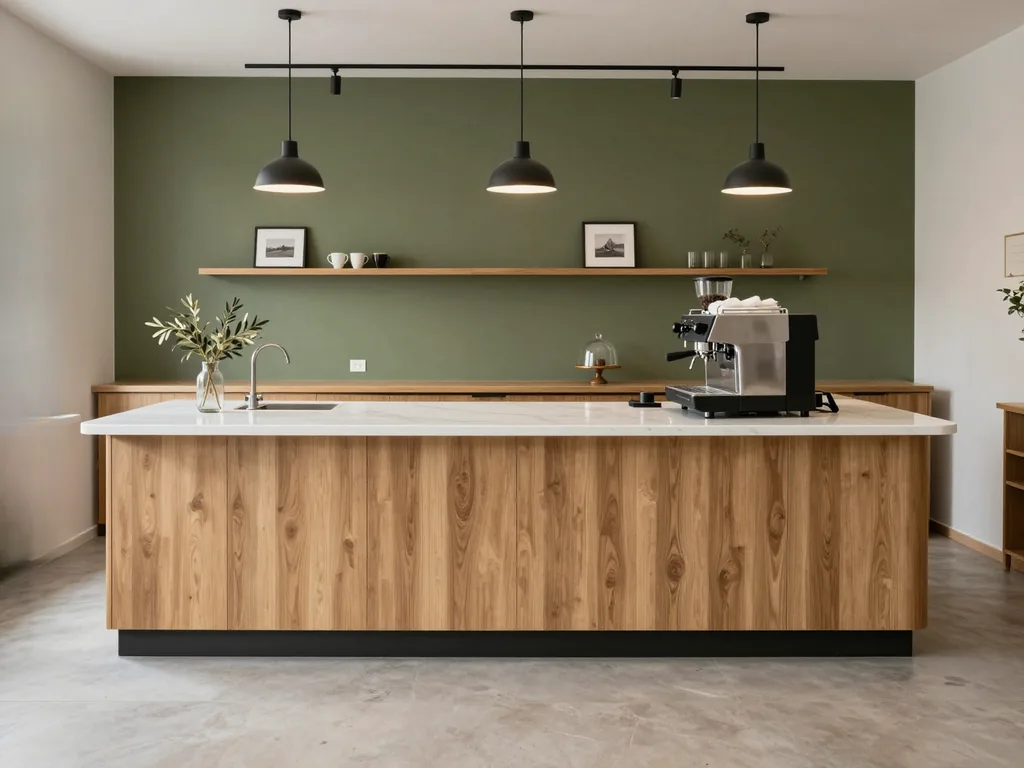
White countertop with grey veining on a bar counter in a coffee shop chain

05 / 05

A coffee chain in a single style

chain, Bostandyk and Auezov districts

A batch of countertops for three chain locations in one color and format: we kept the material from a single batch, all rooms look identical, openings with no downtime.

Items
3 locations, single color
Materials
acrylic/HPL
Lead time
on schedule
I want the same

3 500+

MEBLIX projects since 2013 — we'll show you countertops similar to yours on WhatsApp or in the showroom.

Show similar

05Principles

Why made-to-measure production is more reliable than ready-made items

  1. 01

    Load calculation

    A table in the dining room takes the weight of dishes, elbows and trays. We reinforce the base and choose the thickness so the surface doesn't sag between supports.

  2. 02

    Height and overhang ergonomics

    We match the countertop and bar counter height to guest seating and staff work so there's no tilt and no extra strain on the arms.

  3. 03

    Accounting for utilities

    Cutouts and tie-ins to sockets, sinks and drains are planned at the design stage so the finished surface isn't cut on site.

  4. 04

    Acoustics and feel

    We choose the material and thickness with sound in mind: dishes don't clatter as loudly, and the edge stays comfortable for elbows and staff hands.

  5. 05

    Serviceability of components

    Removable and replaceable fastening and edge elements let you replace a part rather than the whole countertop if damaged.

  6. 06

    Edge strength margin

    We reinforce the ends in areas where guests lean and set down trays so the edge doesn't chip under daily load.

06How ordering works

How to place an order for surface production

Book a free measurement
  1. 01

    5 minutes

    Consultation

    Message us on WhatsApp or call. We discuss the task, style and budget, show similar projects and give a price estimate.

  2. 02

    within 24 hours

    Measurement

    The measurer comes free of charge anywhere in Almaty, takes laser measurements accurate to 1 mm, and marks sockets, pipes and uneven walls. Brings samples.

  3. 03

    1–2 days

    3D design and estimate

    We show the furniture in its colours and materials and make changes free of charge until you approve. Price, lead time and installation date are fixed in the contract.

  4. 04

    from 7 days

    Production

    Cutting, edge banding, drilling and test assembly take place in our 600 m² workshop. Before dispatch, our quality control team checks every piece.

  5. 05

    1 day

    Delivery and installation

    We deliver, fit on site and install the sink. After installation we clean up after ourselves.

  6. 06

    24 months

    Sign-off and warranty

    You check every mechanism, sign the certificate and pay the balance. The warranty starts that day, with service response within 1–2 business days.

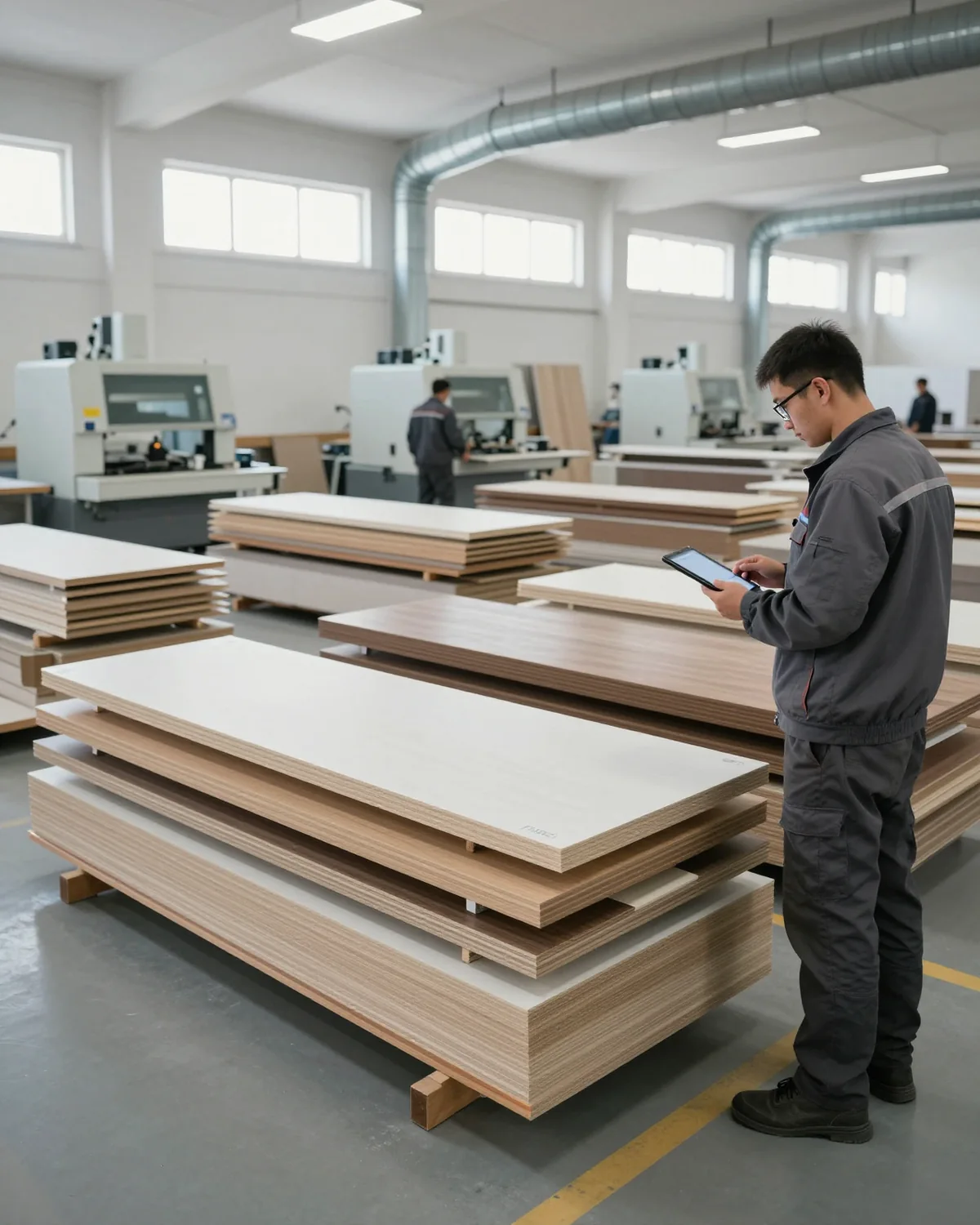
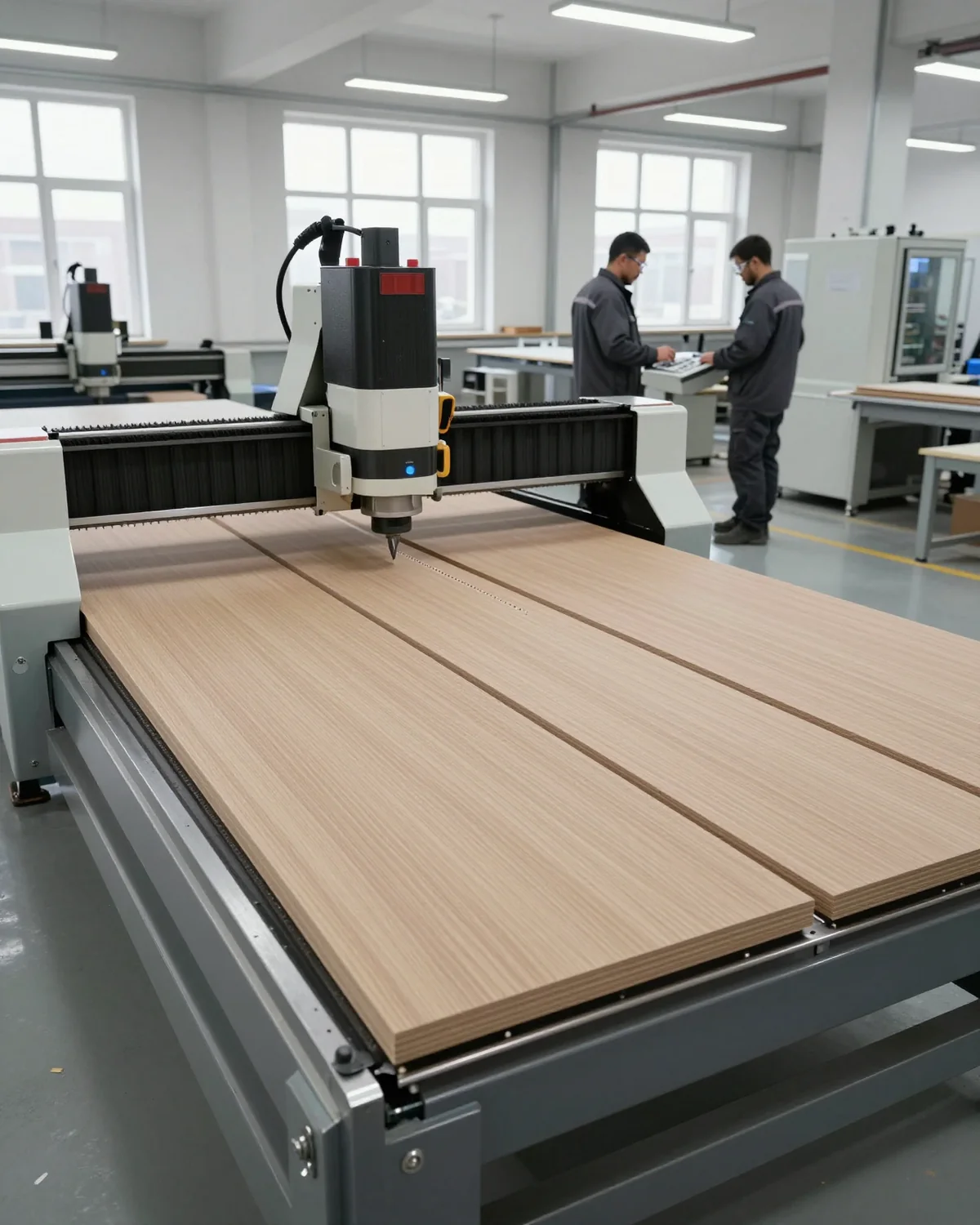
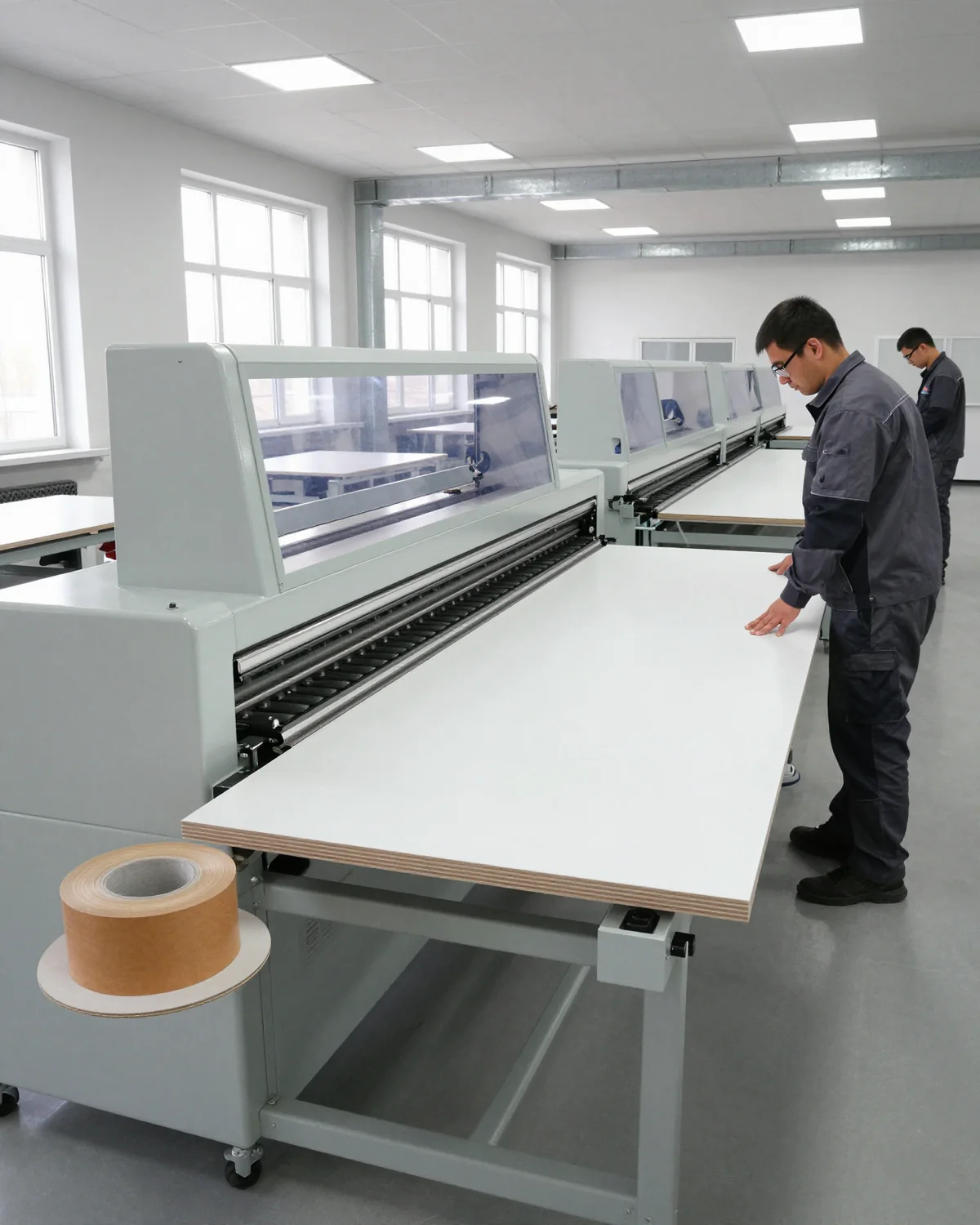
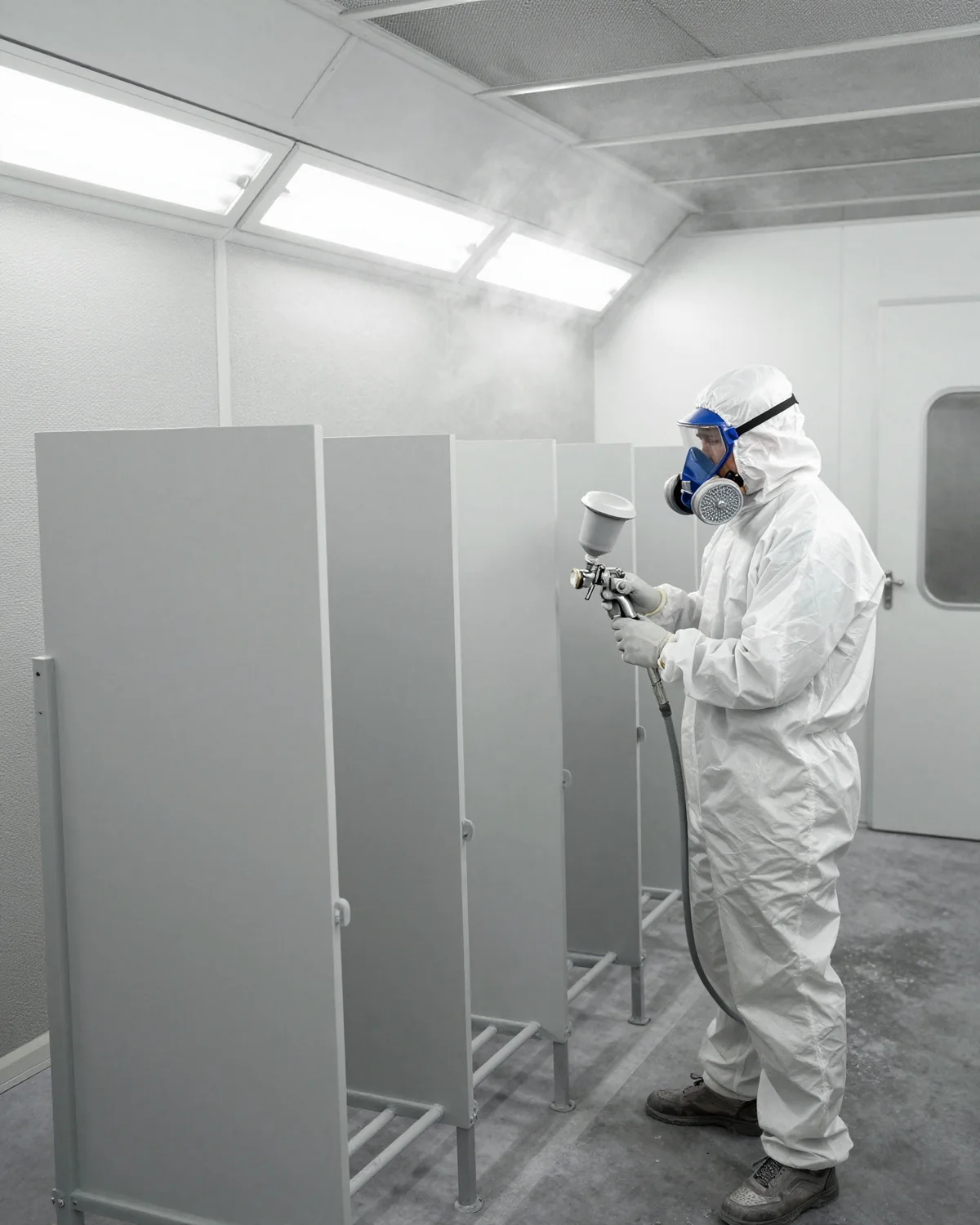
Stack of Egger and Kronospan laminated chipboard boards in the workshop warehouse before countertop cuttingCNC machine cuts the board into blanks for future countertopsEdgebanding machine seals the edge of a countertop blank at the MEBLIX workshopA craftsman applies protective coating to parts in the spray booth of our workshopA craftsman checks the test assembly of the item in the workshop before shipping to the customerFinished black stone countertop with white veining on a bar counter after installation

01 / 06

07Production

How a countertop for a cafe is born in our workshop

Six steps in our 600 m² workshop. You can see each one for yourself — showroom and production under one roof. Every countertop goes through a test assembly at the workshop so the parts fit on site without adjustment.

  1. Stack of Egger and Kronospan laminated chipboard boards in the workshop warehouse before countertop cutting
    01

    Egger · Kronospan

    Board

    38 mm Egger and Kronospan boards arrive at the workshop warehouse. Near the sink and hob we use moisture-resistant board.

  2. CNC machine cuts the board into blanks for future countertops
    02

    Laser measuring to 1 mm

    CNC cutting

    A design engineer prepares the cutting drawing, and the machine cuts the board to it. We take dimensions from a laser measurement — accuracy 1 mm.

  3. Edgebanding machine seals the edge of a countertop blank at the MEBLIX workshop
    03

    2 mm edge · template

    Edge and cutouts

    The edgebanding machine glues a 2 mm edge onto the ends, then we mill the cutouts for the sink and hob to the template.

  4. A craftsman applies protective coating to parts in the spray booth of our workshop
    04

    Lacquer · oil

    Lacquer and oil

    A finishing specialist coats the parts with lacquer in the spray booth, and we saturate solid wood with oil in several coats.

  5. A craftsman checks the test assembly of the item in the workshop before shipping to the customer
    05

    Pre-assembly in the workshop

    Assembly and inspection

    We assemble the cabinets in the workshop and test-fit how the countertop will sit on them and how the sink will go in. Quality control signs off the item for shipment.

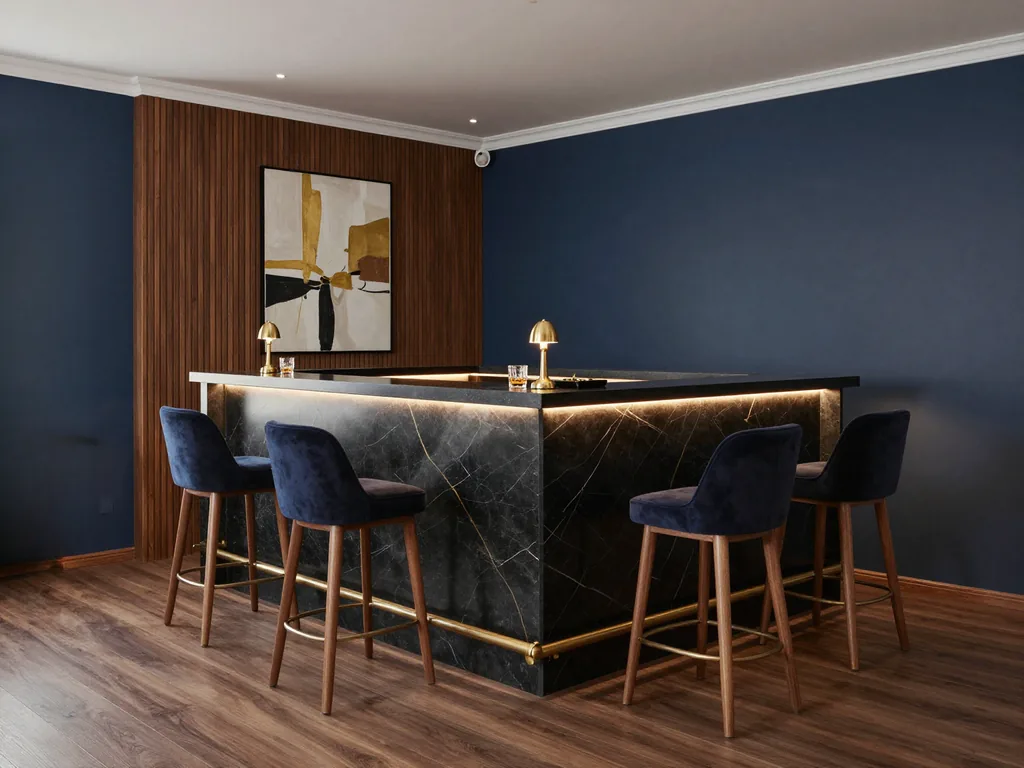
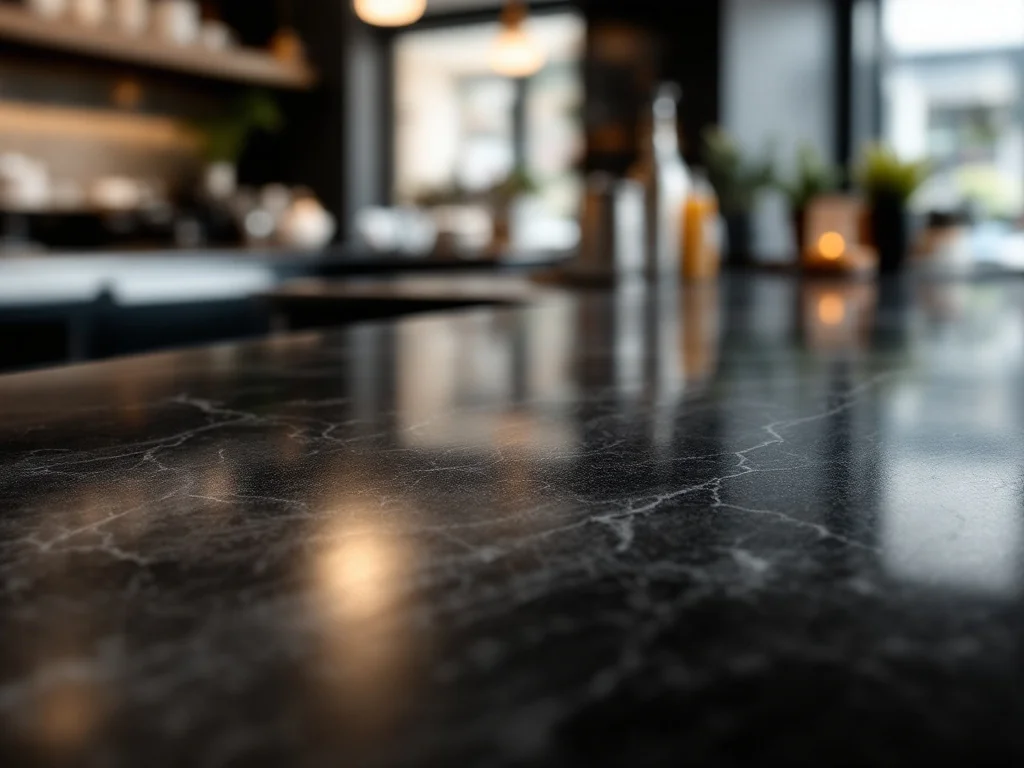
  6. Finished black stone countertop with white veining on a bar counter after installation
    06

    Installation in 1 day

    Your countertop

    We deliver, fit on site and install the sink in 1 day, and close the wall junction with a plinth. From signing the acceptance report — 24-month warranty.

08Team

The craftsmen behind countertops for restaurants, cafes and bars

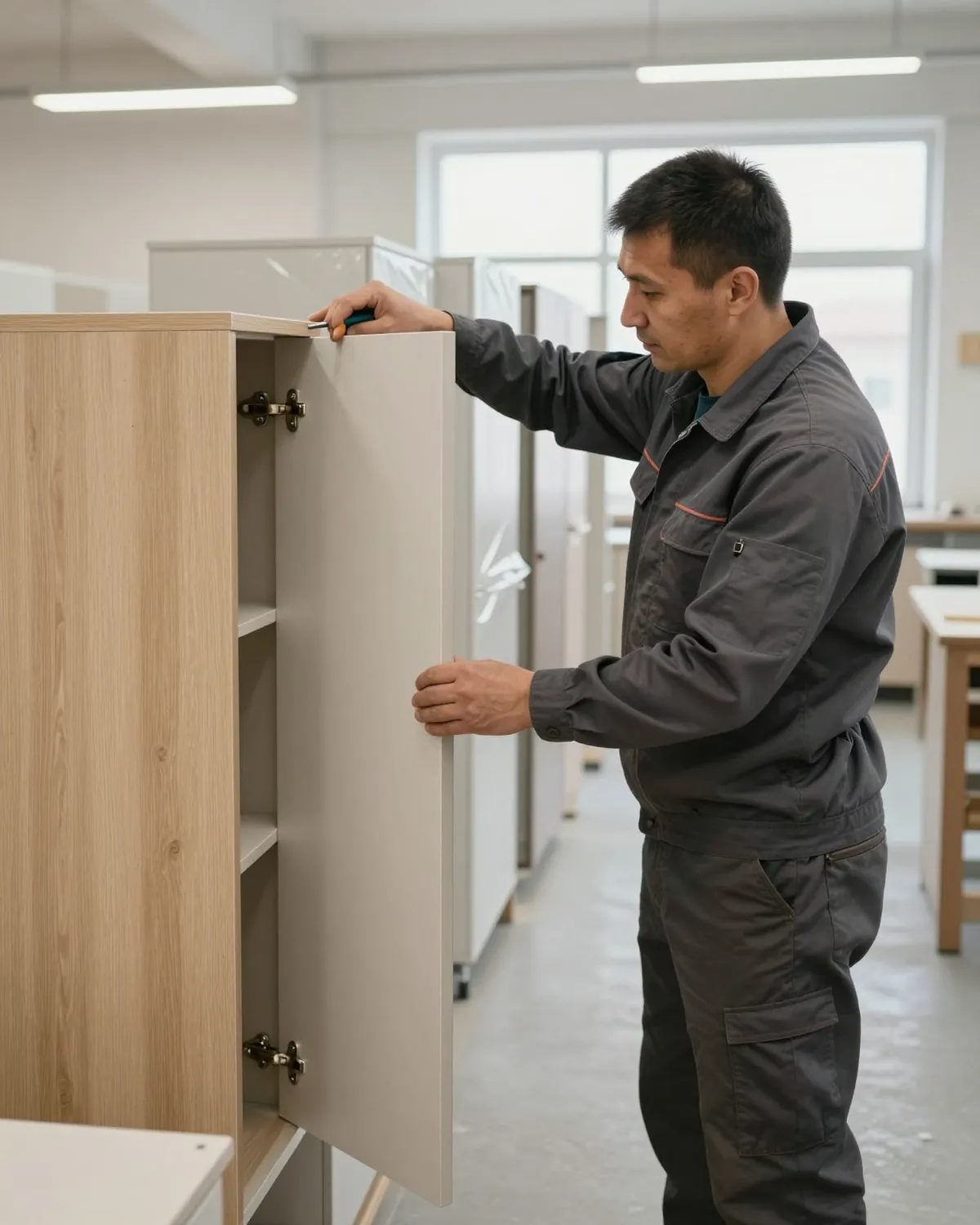
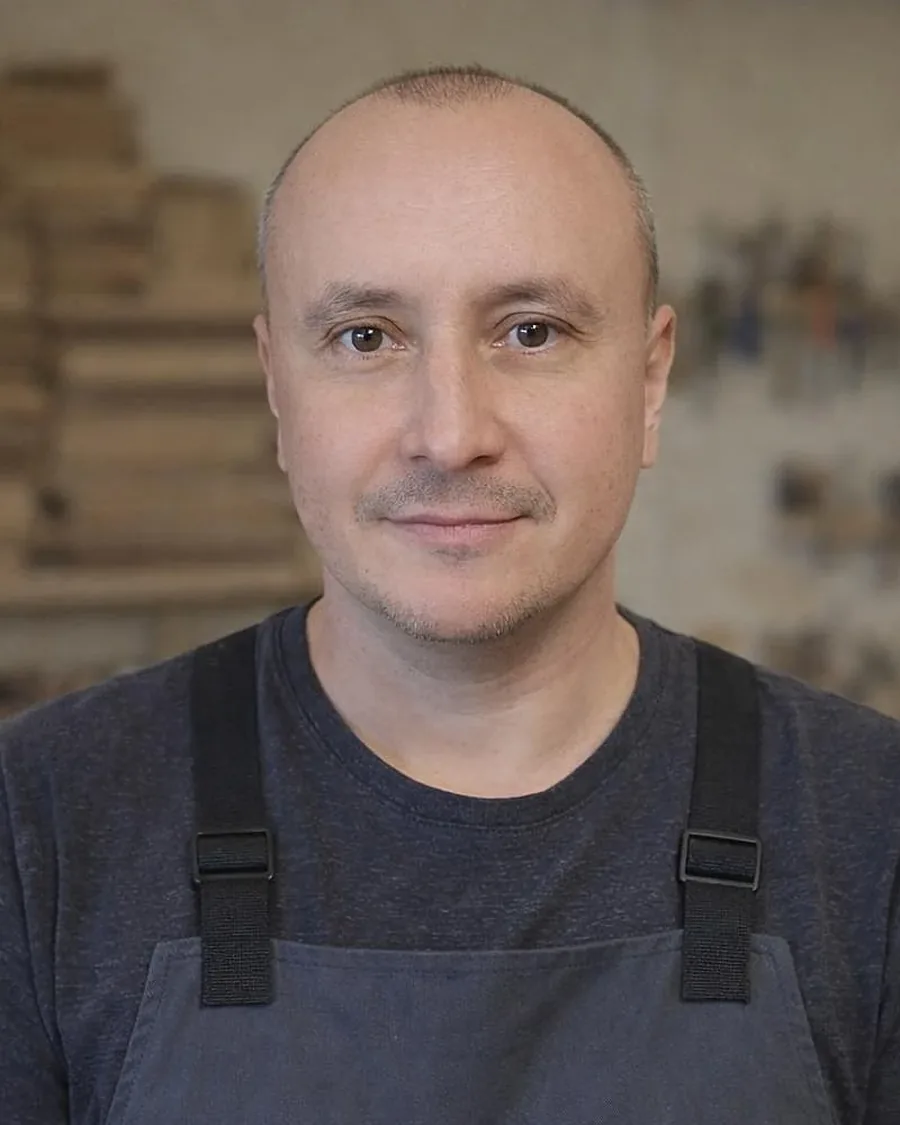
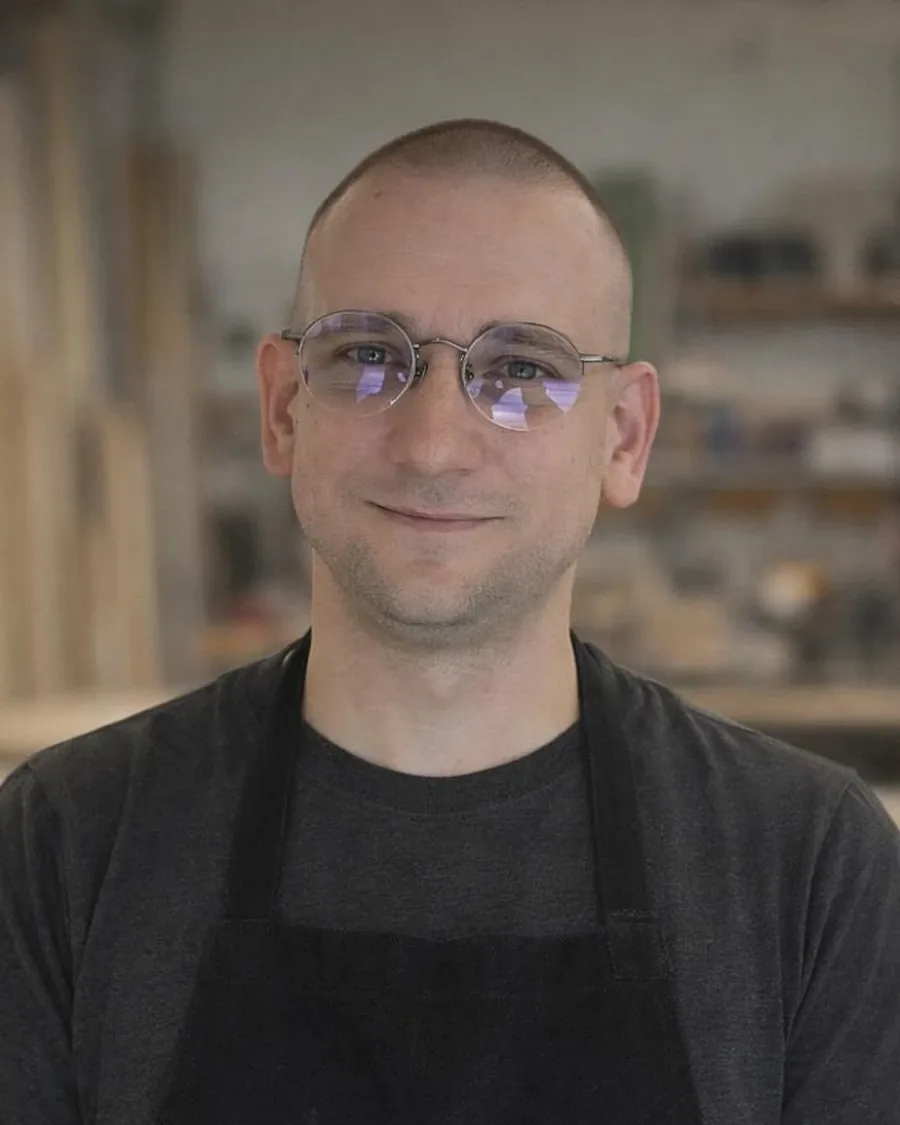
MEBLIX workshop craftsmen who make and assemble furniture to order.

01 / 07
Aidyn Bolenov, Cabinet furniture repair craftsman

Aidyn Bolenov

Cabinet furniture repair craftsman20 years

★ 4.99 · 73 ratings

Aleksandr Martynenko, Furniture and kitchen unit assembler

Aleksandr Martynenko

Furniture and kitchen unit assembler23 years

★ 4.97 · 300 ratings

Andrei D., Made-to-order furniture maker

Andrei D.

Made-to-order furniture maker7 years

★ 4.26 · 32 ratings

Akzholtai U., Furniture maker

Akzholtai U.

Furniture maker5 years

★ 4.23 · 30 ratings

Vasilii Krasnov, Joiner and carpenter

Vasilii Krasnov

Joiner and carpenter20 years

★ 5.0 · 113 ratings

Viktor Gurov, Furniture front and hardware fitter

Viktor Gurov

Furniture front and hardware fitter17 years

★ 4.61 · 92 ratings

09Materials

Which materials suit surfaces in food service halls

For a dining room, moisture resistance and resistance to stains and load matter — we pick the material for each specific zone.

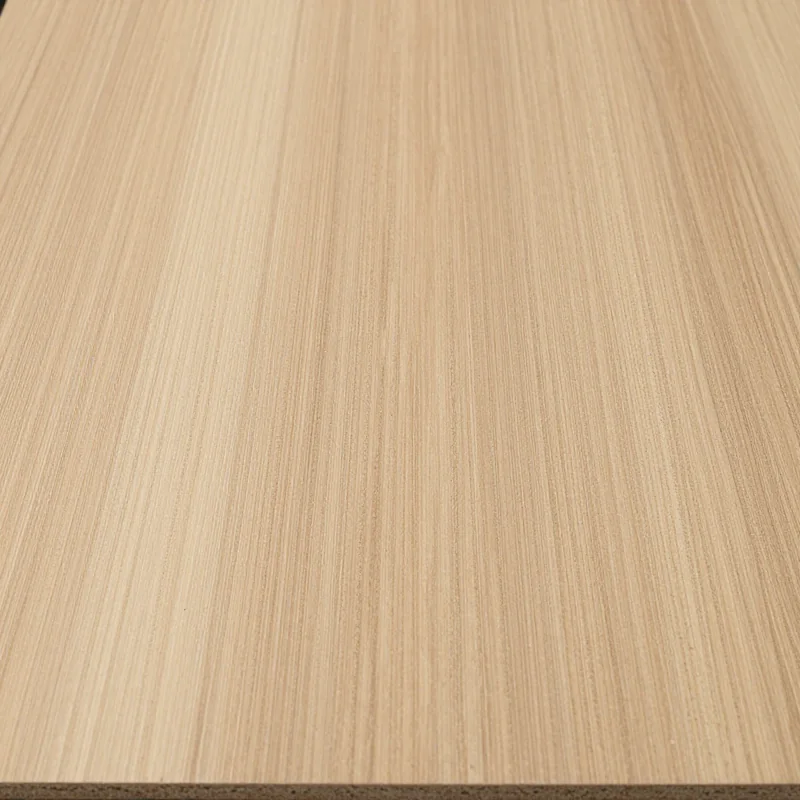
  • Laminated chipboard sample with wood decor for a postformed countertopLaminated chipboard and postformingmoisture-resistant board, edge banding
  • HPL compact laminate sample for a work surface that resists waterCompact HPL boardresists water and knives
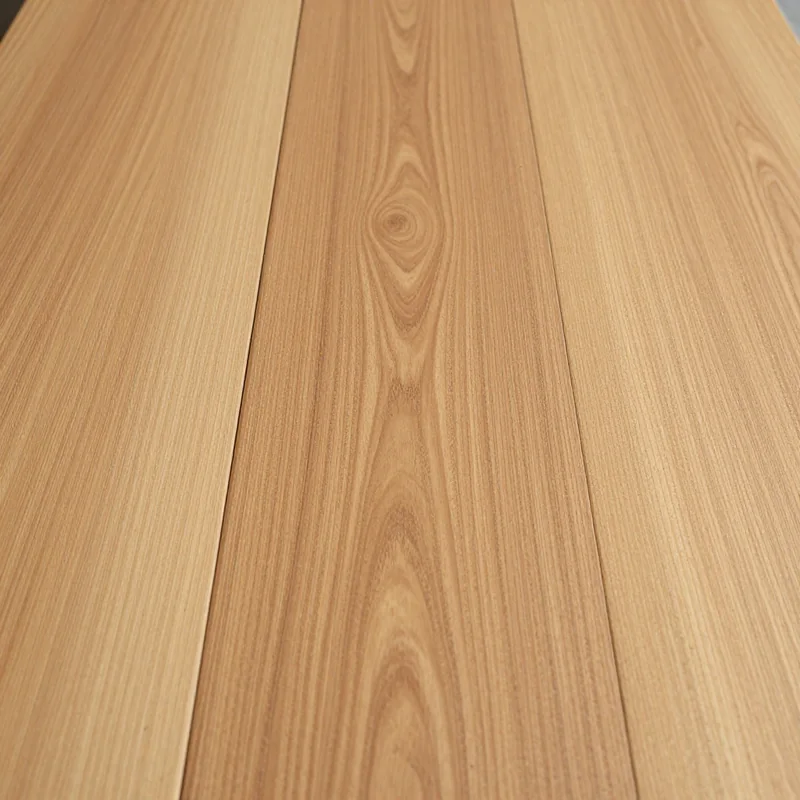
  • Glued solid wood panel sample under oil for a custom wooden countertopSolid woodoak, ash, beech under oil
  • Acrylic stone sample for a countertop with seamless joints and an integrated bowlAcrylic stonejoints almost invisible
  • Quartz agglomerate sample for a countertop that resists knives and heatEngineered quartzwithstands heat
  • Fenix super-matte material sample for a fingerprint-free work surfaceFenixsuper-matte, fingerprint-free

10Article

Countertops for cafés, bars and restaurants from MEBLIX in Almaty

Temirzhan Nurpeisov, Furniture assembly carpenter
Author
Temirzhan NurpeisovFurniture assembly carpenter
Published
Updated

MEBLIX makes custom countertops for cafés in Almaty: from laminated chipboard/HPL, acrylic, quartz, solid wood and ceramic, with PVC and ABS edging. We have been working for 13 years, completed 3 500+ projects, do measurement and 3D design in 1–2 days, install with our own crews and give a 24-month warranty on the item under the contract.

Café countertop material for food service conditions

In food service the work surface faces wet cleaning, hot dishes and a constant flow of guests — the material is chosen based on these conditions, not on a picture in a photo.

Which countertop will withstand high traffic

For high-traffic halls we most often recommend quartz agglomerate or HPL plastic over a board — they take hits from dishes and daily wet cleaning. Quartz is not afraid of water or a pot accidentally set down, and the HPL layer on an Egger or Kronospan board absorbs scratches and chemicals from cleaning agents. In halls with 40–60 seats the load is spread across the whole surface, so the thickness of the board and the supports becomes decisive, not just the top layer. At the design stage our engineers calculate the spans between supports for the specific length of the counter — so the surface does not flex under guests' elbows. The higher the guest flow, the more important it is not the material itself but the condition of the edge and joints — that is where surface wear begins.

Which material is not afraid of moisture and hot dishes

Ceramic and quartz agglomerate handle hot dishes with ease, acrylic — with a trivet, while laminated chipboard without HPL protection is afraid of both steam and temperature. Ceramic tile withstands boiling water and does not absorb spilled sauce, but requires a carefully protected end. Quartz is resistant to moisture and mechanical stress, so it is installed at the pass and in contact zones where plates change every minute. Acrylic stone is warmer to the touch and easy to sand, but needs a mat under a hot pan. Solid wood ages beautifully, but open ends draw in water — they are sealed with lacquer or oil and the coating is renewed as it wears. Even a heat-resistant material suffers from a sharp temperature change — it is better to put a hot pan on a trivet rather than straight on the surface.

Comparison of materials by café conditions

moisture resistance, heat resistance and chip repair of materials
MaterialMoistureHot dishesChip repair
Laminated chipboard with HPLresistant with sealed edgingonly with a trivetsection replacement
Acrylic stoneresistantwith a trivetsanded in place
Quartz agglomerateresistantwithstandsharder, local
Solid woodrequires end protectionwith a trivetsanding and coating
Ceramicresistantwithstandstile replacement

Edging, joints and end protection of a café countertop

The end and the joint are the most vulnerable spots of a work surface in food service, and they determine how long it keeps its look under daily wet cleaning. We explain why the end facing breaks down and how to close the gaps.

Why the edging on laminated chipboard comes off and how to avoid it

Edge banding peels off when moisture reaches an unprotected end or the glue is applied unevenly — we band PVC and ABS edges on a machine in the workshop so the seam stays tight. On Egger and Kronospan boards, an open cut absorbs water, and over time the facing swells together with the top layer. Machine edge banding with heated glue gives a uniform seam without bubbles, and manual gluing with an iron does not replicate that result. In the work area near the dishwasher and the serving station, we use ABS — it is denser and chips less from dish impacts. Even high-quality edge facing lasts longer if the joint with the wall and sink is additionally sealed. On site, we inspect the edges after installation: if a seam has come loose somewhere, we glue it back before moisture gets into the board.

How to avoid gaps between the countertop and the wall

Gaps are not eliminated by eye but based on actual measurement — we take the wall geometry on site and allow a margin for sealing the joint. In Almaty premises converted for cafés, walls often have lengthwise unevenness: if the surface is cut strictly to nominal size, a finger-wide gap remains at one edge. That is why we measure along the entire length of the abutment, mark deviations, and allow a reserve that is later covered by elastic sealant. We also calculate the joint between sections with a margin — otherwise a gap appears at the connection line where crumbs accumulate. A curved wall in an old premises is no reason for a gap: the margin and sealant cover the unevenness rather than masking it. Before installation, the craftsman once again goes along the entire abutment and marks the places where more sealant is needed.

How to protect edges and joints from wear

  • ABS edge in work areas: withstands dish impacts better than PVC and does not chip at the serving station.
  • Sealing the joint with the wall: prevents moisture from seeping under the surface during cleaning.
  • Tight joint between sections: no gap where crumbs and dirt accumulate.
  • Edge protection at the sink: a silicone seam around the perimeter covers the open board cut.
  • Control assembly in the workshop: we check joints and abutments before shipping to the site.
  • Prevention is cheaper than replacing a section: sealant and proper facing noticeably extend the surface's service life.

Bar counter as a separate type of countertop for cafés

Bar countertops differ from dining ones in height, overhang beyond the base, and load on the cantilever — here both the material and the fastening to the frame matter, as well as the board thickness reserve.

How a bar surface differs from a dining one

The bar surface is higher than the dining one, with an increased overhang beyond the base and reinforced fastening to the metal frame — we calculate these parameters for the specific counter rather than using a standard size. The dining surface handles the vertical load from plates, while the bar surface additionally bears the weight of a guest leaning elbows on the edge, and therefore requires a cantilever. We calculate the overhang beyond the base dimensions based on seating: with access from one side it is smaller, on island counters with access from both sides it is larger. With a large overhang, a thin board no longer holds its shape without support, so the project immediately includes a hidden bracket or a steel strip inside the board. An overhang beyond the norm without support causes sagging — thickness and cantilever are calculated together, not separately.

How the bar surface is mounted on the counter

We attach the board to the metal base with concealed fasteners, level it, and seal the joints — installation is done by our own crews on site, not by an outside contractor. First, on the frame we mark the points for eccentric cams or angle brackets, drill using a template, and set the surface on sealant around the entire contact perimeter. We correct any level difference on a long support with adjustable frame feet, not with shims under the surface itself. We close the joint with the wall with an elastic seam — a rigid seal cracks when the building settles and with seasonal movement. Fastening to a cantilever without an intermediate support develops play over time — the support is planned at the design stage. After installation we check the surface with a level once more and only then seal the seam.

What thickness should a bar surface be for the load

  • Short overhang: standard thickness carries the load without support if the edge does not extend far beyond the frame dimensions.
  • Long overhang: we increase the thickness and add a cantilever — the board works together with the bracket.
  • Support with a sink: we account for the weight of the bowl with water and sealing around the cutout so moisture does not reach the edge.
  • Non-standard length: we calculate the span from the actual measurement, not from a catalog drawing.
  • Material under the elbow: acrylic or quartz is more pleasant and stronger than laminated chipboard on the edge people constantly lean on.
  • Thickness does not replace support: on a long overhang an intermediate cantilever helps, not a thicker board.

Made to order from measurement to installation

Countertops for restaurants and cafes are made for a specific site: first measurement and design, then cutting and assembly in the workshop, and installation on site by our own crews.

Why a measurement is needed before production

A measurement on site captures the real geometry of the walls and the base — we do it free of charge and prepare a 3D design in 1–2 days. We design surfaces for restaurants to the actual dimensions of the hall: technicians measure the length and depth of each line, check wall deviations, windowsill heights, and the position of utilities that cannot be covered. Curved walls and non-standard angles are only visible on site — they cannot be accounted for from the customer's drawing, and an error of a couple of centimeters leaves a gap at the wall or an overhang above the cabinet. During the measurement we also record the junction points to the bar counter so the joint does not have to be adjusted on site later. If you have a hall plan from a designer, bring it along — we will check the dimensions and note any discrepancies right away.

How production works in the workshop

After the design is approved, we cut the board for countertops for the food service industry, edge the ends, and do a trial assembly in our 600 m² workshop in Almaty. Cutting is done on a machine according to a map that accounts for the direction of the pattern and the edge allowance, so Egger and Kronospan decors join without texture misalignment. Edging covers the end around the entire perimeter, including the cutouts for the sink and cooking zone. The trial assembly before shipping catches discrepancies before they become a problem on site: craftsmen join the sections and check the joints and junctions the way they will sit in the hall. Before painting and packing, check that the cutouts for utilities match the design — moving a hole after edging leaves an open cut.

How to coordinate the countertop with the design project

We coordinate the countertop with the venue's design project through a 3D design — we show the shape, material and junctions before production starts. The visualization shows how the surface reads in the interior: the edge tone, the grain direction, the rounded corners and the joint with the bar counter. We carry out installation with our own crews using the same project, so the wall junction line and the height relative to the seating match the designer's intent. Approving at the 3D stage is cheaper than making changes after installation — material and geometry are changed on paper, not on site. Bring the project in any form, even a hand sketch: we'll transfer the dimensions into the model and show where the idea diverges from the actual geometry of the hall.

Care, repair and geometry to suit the venue's concept

Bar and dining surfaces last longer if they are cared for properly and worn areas are refreshed in time. We cover daily care, chip repair and the choice between a standard size and made-to-measure production.

How to care for a work surface in a cafe and bar

  • Daily: a mild detergent and a damp cloth, then dry, so no streaks remain at the edge.
  • No abrasives: metal sponges and powders strip the protective layer and leave matte scratches on the gloss.
  • Hot items: place a pot or baking tray on a trivet, not on the surface — a sharp temperature change leads to cracks.
  • Quartz agglomerate: a damp wipe is enough, special products are not needed and do not extend the service life.
  • Acrylic: avoid strong solvents and alcohol-based compounds — they soften the surface and dull it.
  • Ceramics: do not drop heavy dishes on the edge, a chip on the edge is almost impossible to repair locally.

Can a chip on an acrylic countertop be repaired

A chip on acrylic is sanded and fused on site — acrylic stone is more repairable than quartz and ceramics. A specialist removes the damaged layer, fills the recess with a compound of the same tone and brings the surface level with the rest, then polishes the area. Edge renewal on acrylic is done the same way, without replacing the whole slab — in our workshop we make such items from laminated chipboard/HPL, acrylic, quartz, solid wood and ceramics and we know how differently each material behaves during machining. Quartz agglomerate and ceramics cannot be restored this way: there the chip remains visible, and repair comes down to masking. A small chip is best fixed right away: over time dirt and moisture accumulate in it, and the edges of the damage spread wider.

Standard sizes or made to order

For the dining area, standard sizes are often enough, while for the bar counter and non-standard zones items are made to order based on the actual measurement. An on-site measurement records the real geometry of the space: walls in older buildings can have a noticeable slope, and corners rarely meet at exactly ninety degrees. From this data we build a 3D design — it shows how the surface meets the wall and column, where the joint will run and how the radius will sit on the corner. An item made to an individual size removes the main problem of ready-made slabs: gaps and on-site trimming. Non-standard geometry is not a problem if the measurement is done before the design: the shape and junctions are planned in advance rather than adjusted on site.

The bottom line on countertops for restaurants, cafes and bars

We've put together what determines the durability of a worktop in the dining area and at the bar: from the choice of board to the geometry of the walls. Below is a short summary of the decisions worth revisiting before you order.

  • The material is chosen to suit the conditions: moisture, hot dishes and a steady flow of guests matter more than appearance — laminated chipboard with HPL is easier to care for, while quartz and ceramic are more resistant to heat.
  • Edging and joints determine durability: a sealed edge and the right adjoining profile wear more slowly than an exposed cut of the board.
  • The bar counter is a separate calculation: the overhang, thickness and method of fixing are calculated together, otherwise the console sags under elbows.
  • Measurement before design: the real geometry of the walls eliminates gaps and rework that aren't visible on the drawing.
  • Care and repair extend service life: acrylic is sanded and polished on site, while quartz and ceramic require care with impact loads.

11FAQ

FAQ about custom countertops for cafés

Didn’t find the answer? Message us — a manager replies, not a bot.

Ask on WhatsApp
01How do I pay for a café countertop?

We work on a 50% prepayment and 50% after signing the acceptance certificate. Bank transfer is available. We sign the certificate after installation, once you have checked the result.

02Do you deliver countertops in Almaty?

Delivery within Almaty and up to 30 km is free for a large order; the threshold is stated on the Delivery and payment page. Beyond 30 km — for an extra charge. For a cafe, logistics before the shift opens matter: we agree on the time and floor delivery in advance so that installation does not overlap with welcoming guests.
03What does the free measurement for a café include?

Measurement and 3D design are free and take 1–2 days. On site we take the actual dimensions of the hall, account for overhangs, walkways between tables and spaces for utilities. As a result, you get a project with the countertop layout and the exact cost before signing the contract.

04Is a stainless steel countertop suitable for a café sink?

Yes, for wet areas we use AISI 304 stainless steel 600 mm deep: it withstands moisture, cleaning agents and frequent sanitizing. In the price list on this page this option is listed as a separate item. For dining tables, HPL or acrylic is chosen more often — they look warmer and are quieter when dishes touch them.

05How do I care for an acrylic countertop?

Acrylic only needs wiping with a soft cloth and a neutral agent. Do not use abrasives or hard sponges. Minor scratches can be polished out, restoring the smooth surface.

06Do I need a free measurement if I have a drawing?

A measurement is needed to account for the actual dimensions of the room, overhangs and spaces for utilities. It is free and takes 1–2 days together with the 3D design. As a result, you get an accurate project and cost.

07Does the countertop withstand hot dishes?

Quartz agglomerate and granite are resistant to hot dishes, but it is better to use trivets. Acrylic and HPL require care with very hot items. We will recommend a suitable material for your conditions.

08Can you make a countertop in a non-standard shape?

Yes, we make rounded corners, cutouts for sinks and appliances, as well as bar counters of complex configuration. The shape and edge affect the cost, which we fix in the contract after measurement. We will show the options on the 3D design.

09Do you work with legal entities?

Yes, we work by bank transfer and sign a contract. Prepayment 50%, the balance — after signing the acceptance certificate. All terms and the warranty are set out in the contract.

10Can I see how the countertop looks in the dining room interior?

On the 3D design we show the countertop in your space with the chosen material and edge — this is free and takes 1–2 days together with the measurement. This makes it easier to compare, for example, warm acrylic and strict quartz before production starts. We discuss revisions to the design before signing the contract.

12Reviews

Reviews of countertops for cafes and restaurants MEBLIX

4,9

average rating
on Google and Zoon

See all reviews
MEBLIX showroom on Abylai Khan Ave

13Showroom and workshop

Touch the samples for countertops for restaurants, cafes and bars in our showroom

200+ fronts and materials, Blum and Hettich hardware to try in person. The workshop is in the same building.

Address
115/60 Abylai Khan Ave, Almaty
Hours
Daily 10:00–20:00
Phone
+7 705 625 00 03

14Other types

What else we make besides countertops for restaurants, cafes and bars