Temirzhan Nurpeisov
Furniture assembly carpenter11 years
★ 4.81 · 47 ratings
For business · HoReCa
We make benches, corner sections, semicircular and modular sofas to fit the dimensions of niches, corners and wall sections in the hall, with upholstery that withstands a steady flow of guests. Measurement and 3D seating design are free, the price is fixed in the contract, warranty 24 months.
Measurement and 3D design are free and carry no obligation · price fixed in the contract · Kaspi Instalments up to 24 months
01Types
 01
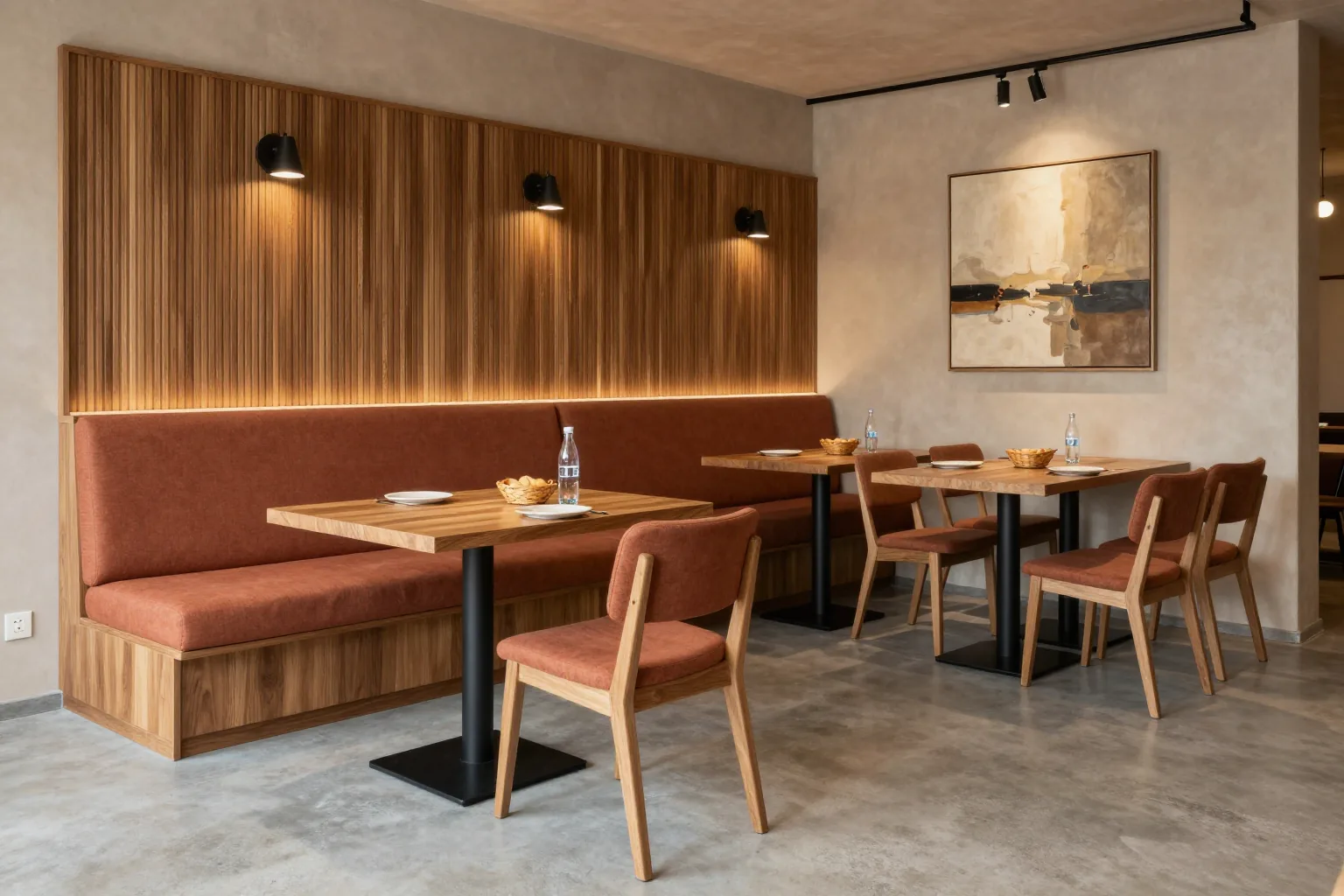
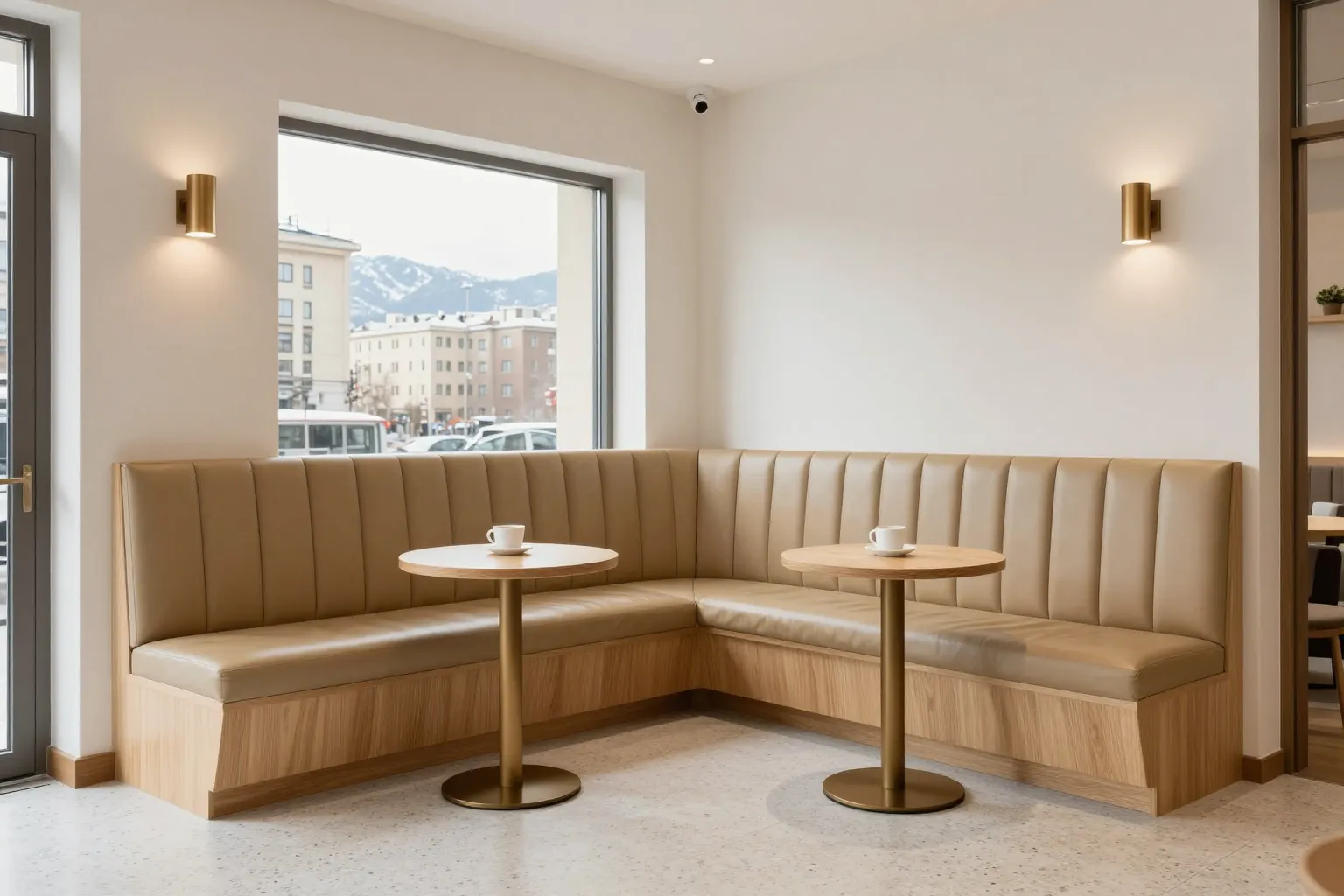
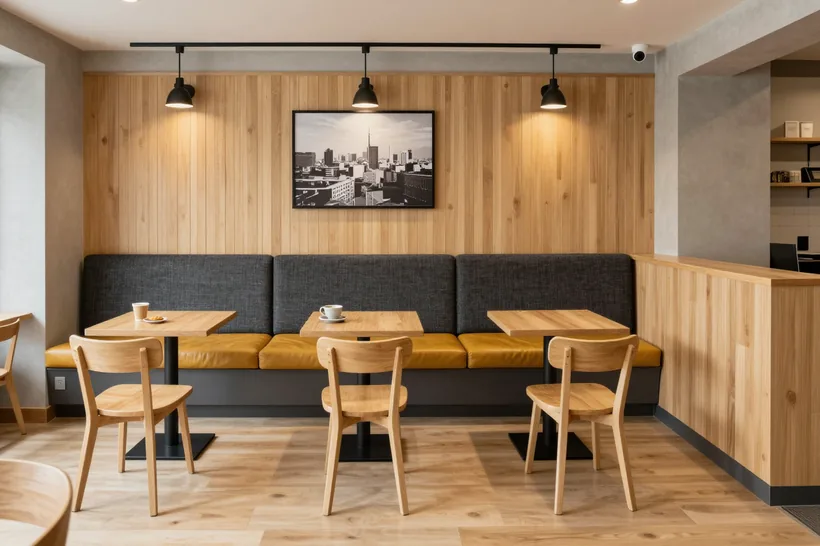
Seating along a solid wall in treated matting or faux leather. Seats guests closely and keeps the center of the hall free for tables.
from 95 000 ₸
 02
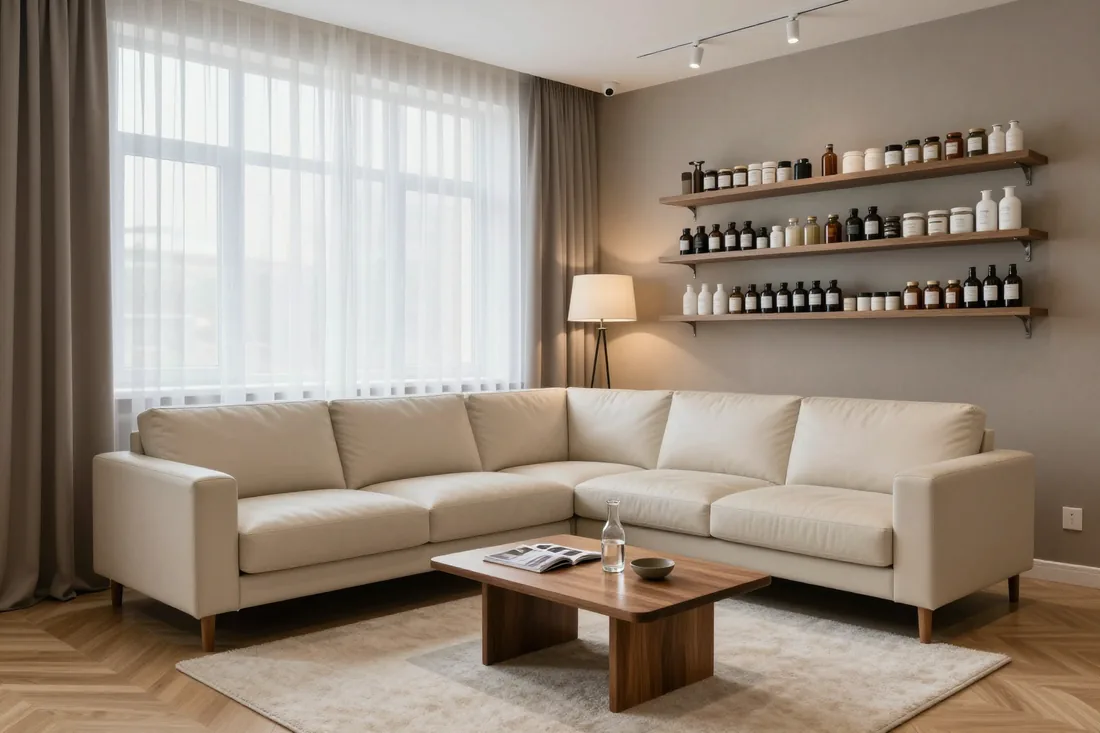
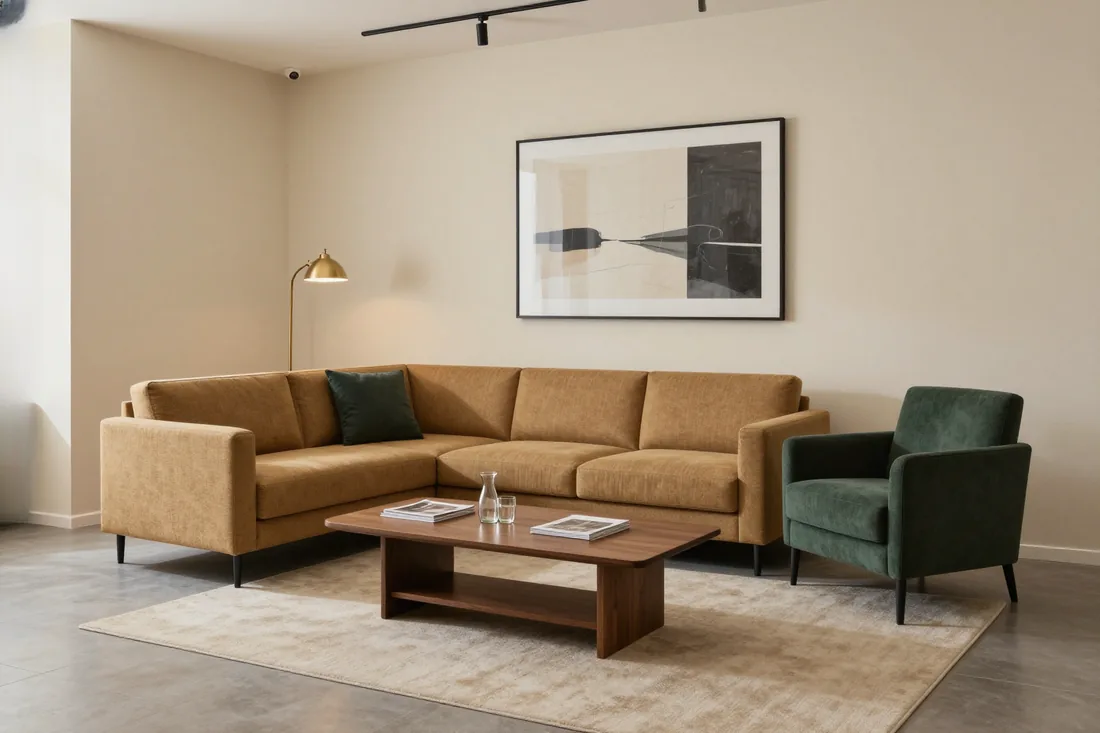
Two sofas at a right angle fill an empty corner and provide seating for a group where two chairs used to stand.
from 240 000 ₸
 03
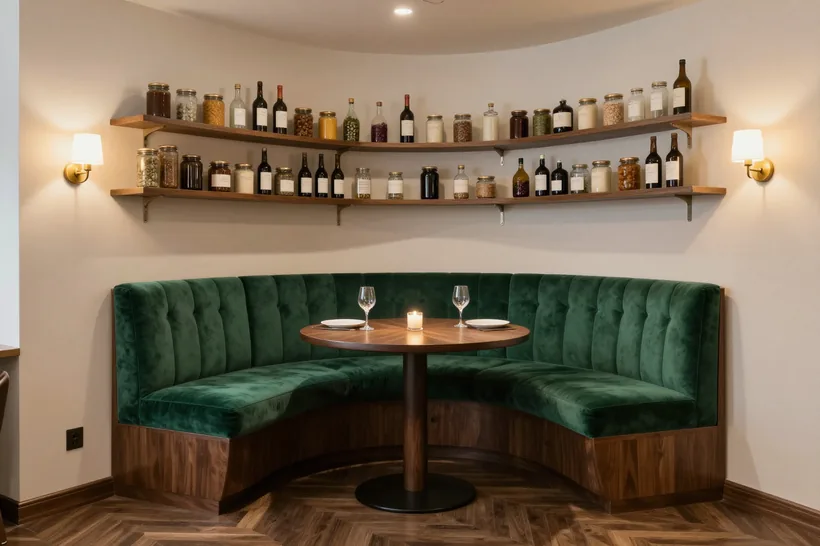
The curved back follows a bay window or window and turns the niche into a separate area for a group. The frame is cut to the radius of the wall.
from 290 000 ₸
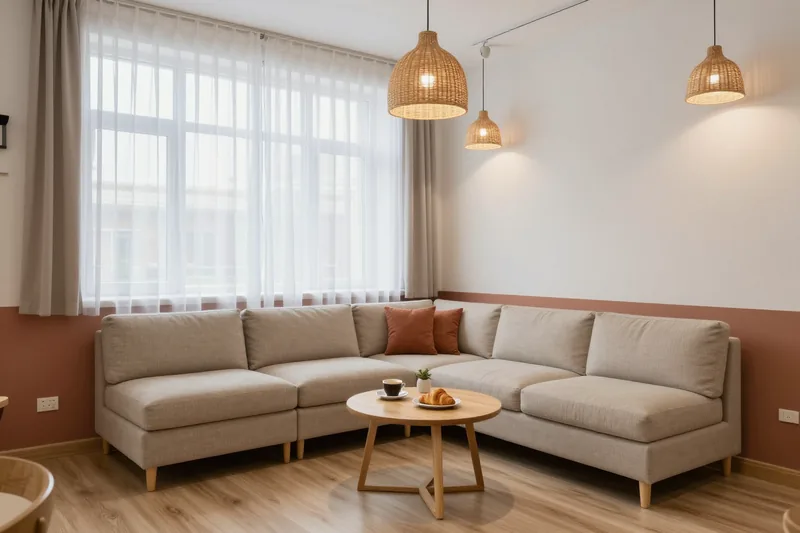 04
Sections can be rearranged for a lounge area, a party or breakfast by the window. Suitable for coffee shops with an open-plan hall.
from 320 000 ₸
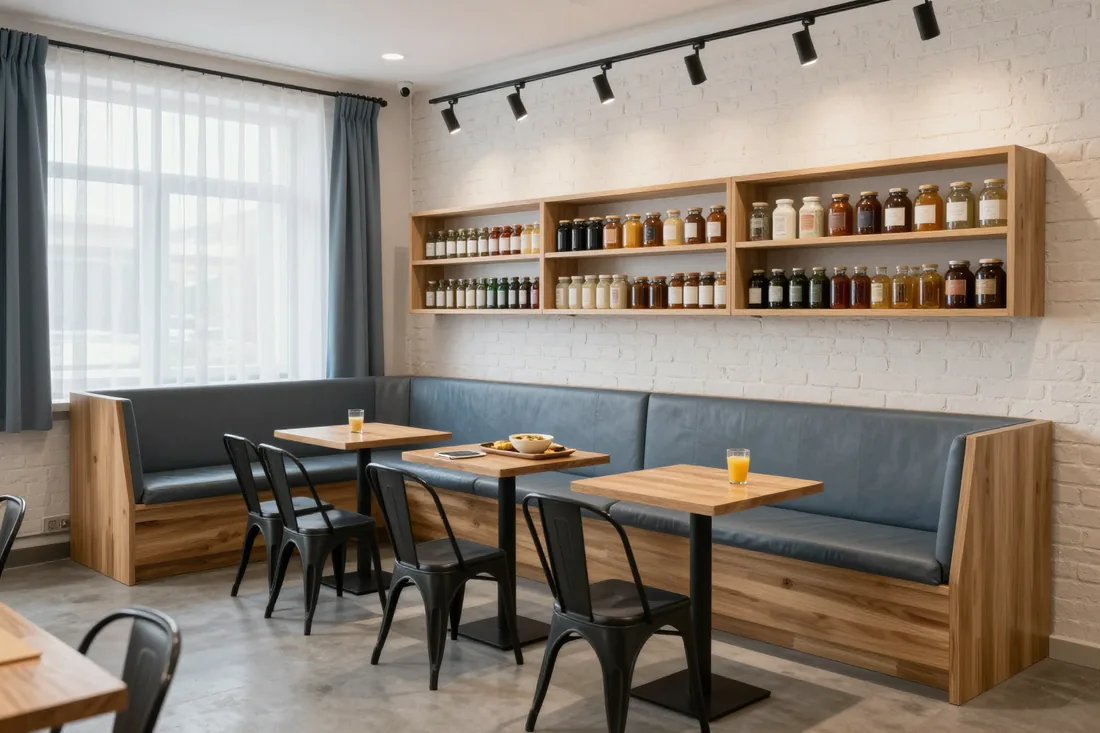 05
A narrow bench with a soft seat on a pine frame is priced per linear meter. A choice for long rows in a hall with fast turnover.
from 48 000 ₸/lin. m
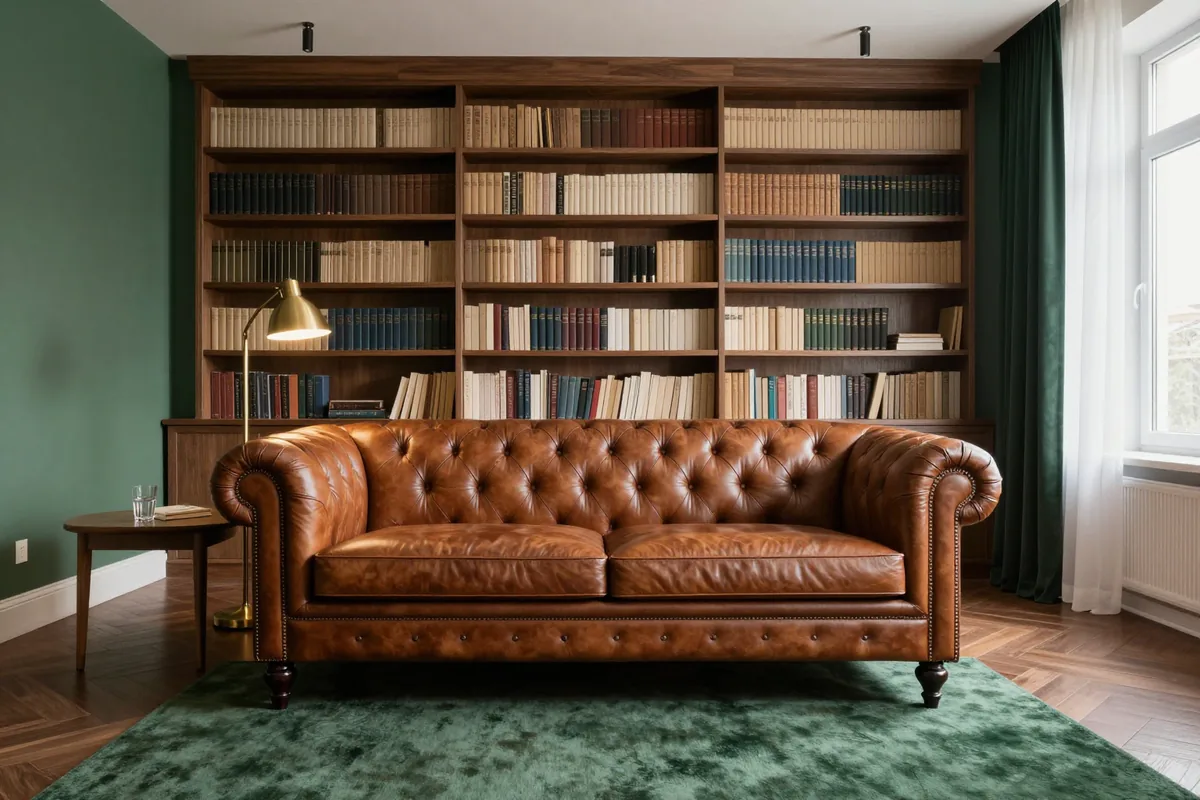 06
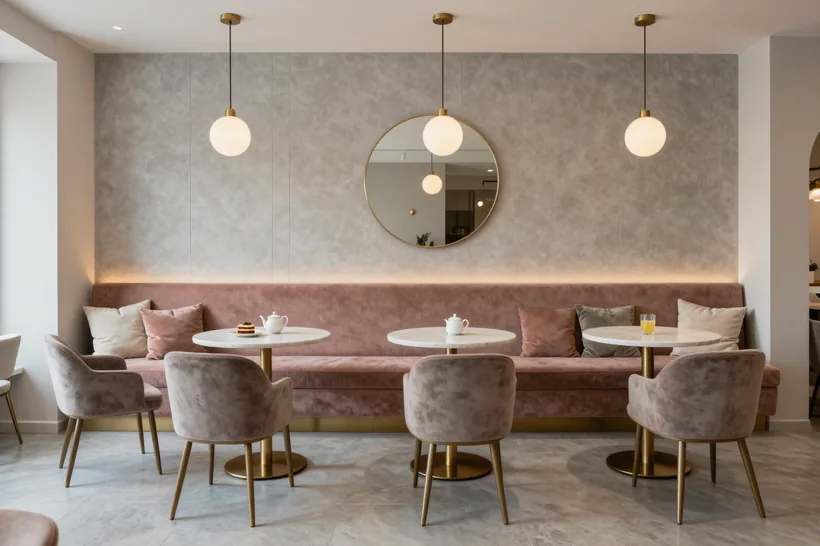
A classic model with diamond tufting in velvet on a wooden base. Placed as an accent in a restaurant or coffee shop hall.
from 280 000 ₸
02Venue cases
Facility type, volume, materials and lead time — per project.
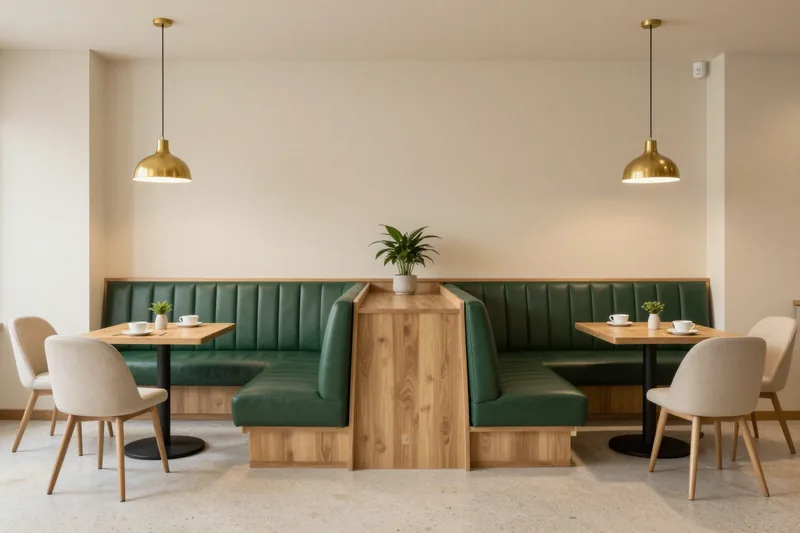 Venue
Zhetysu microdistrict, Auezov district
Straight sofas divided the large cafe hall into zones: soft seating with tables, neat flow zoning.
 Venue
coffee shop chain, Medeu district
Soft seating for three locations across the chain in a single colour and texture. We installed them in phases so the venues never had to close completely; the sections are identical, so the cost per linear metre in the series came out lower.
03How we work with venues
04Prices
The "from" price is per item; for the sofa-bench it is per linear m, and for a hall set it is per metre of seating. The final cost is fixed in the contract after a free measurement of the niches and a 3D design; wholesale pricing applies to the series.
05For businesses
We work with LLPs and sole traders on bank transfer. The price, materials and lead times are set in the contract before production begins, so the furniture fits the venue's opening schedule.
Request a contract and invoice06Principles
01 / 06
07Production
Six steps in our 600 m² workshop. You can see each of them with your own eyes: the showroom and production are under one roof.
Egger · Kronospan · E1
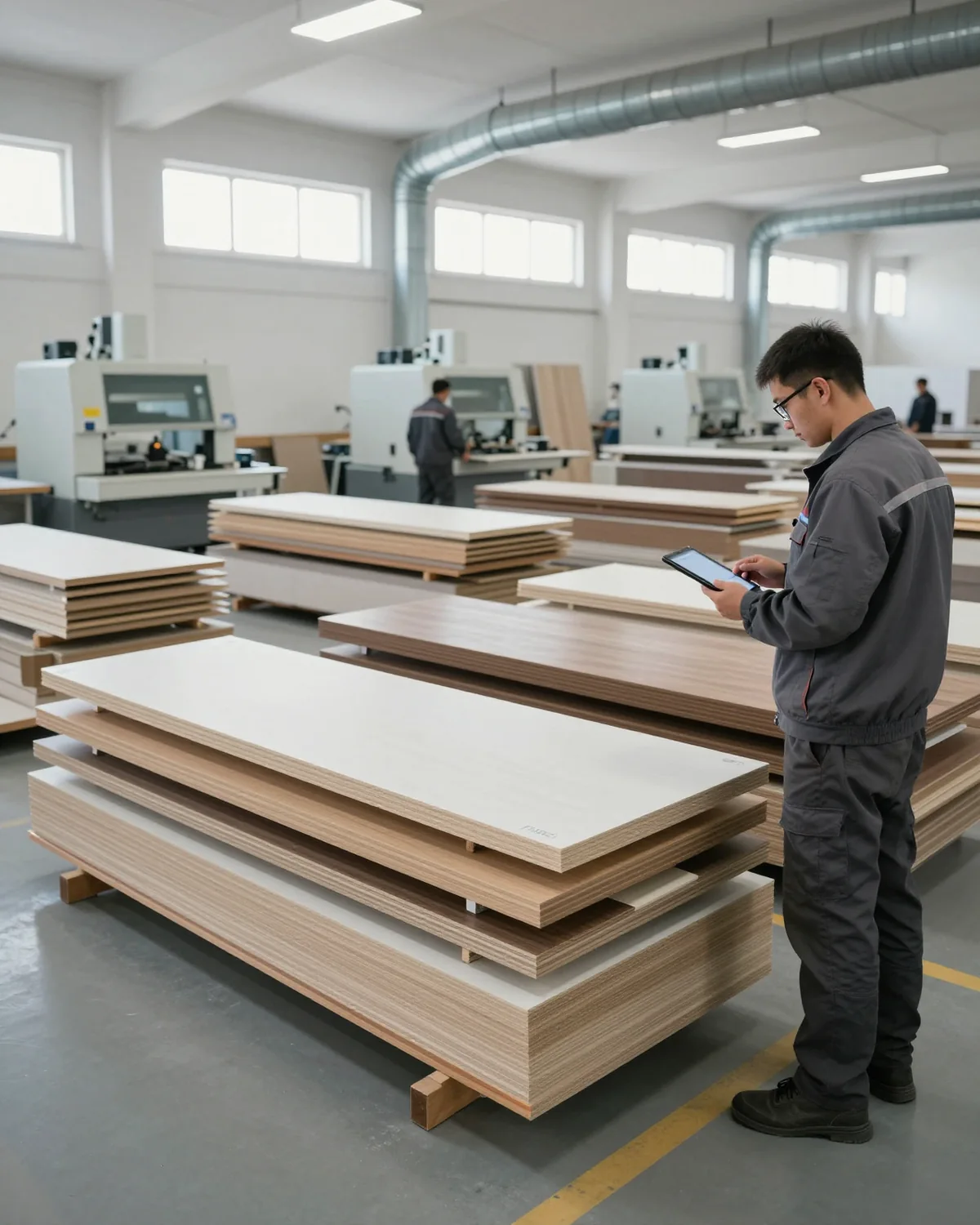
Egger and Kronospan boards of emission class E1 arrive at the workshop warehouse. There are 40+ laminated chipboard decors, 16–18 mm thick. Class E1 — for halls, hotel rooms and dormitory rooms.
Laser measuring to 1 mm
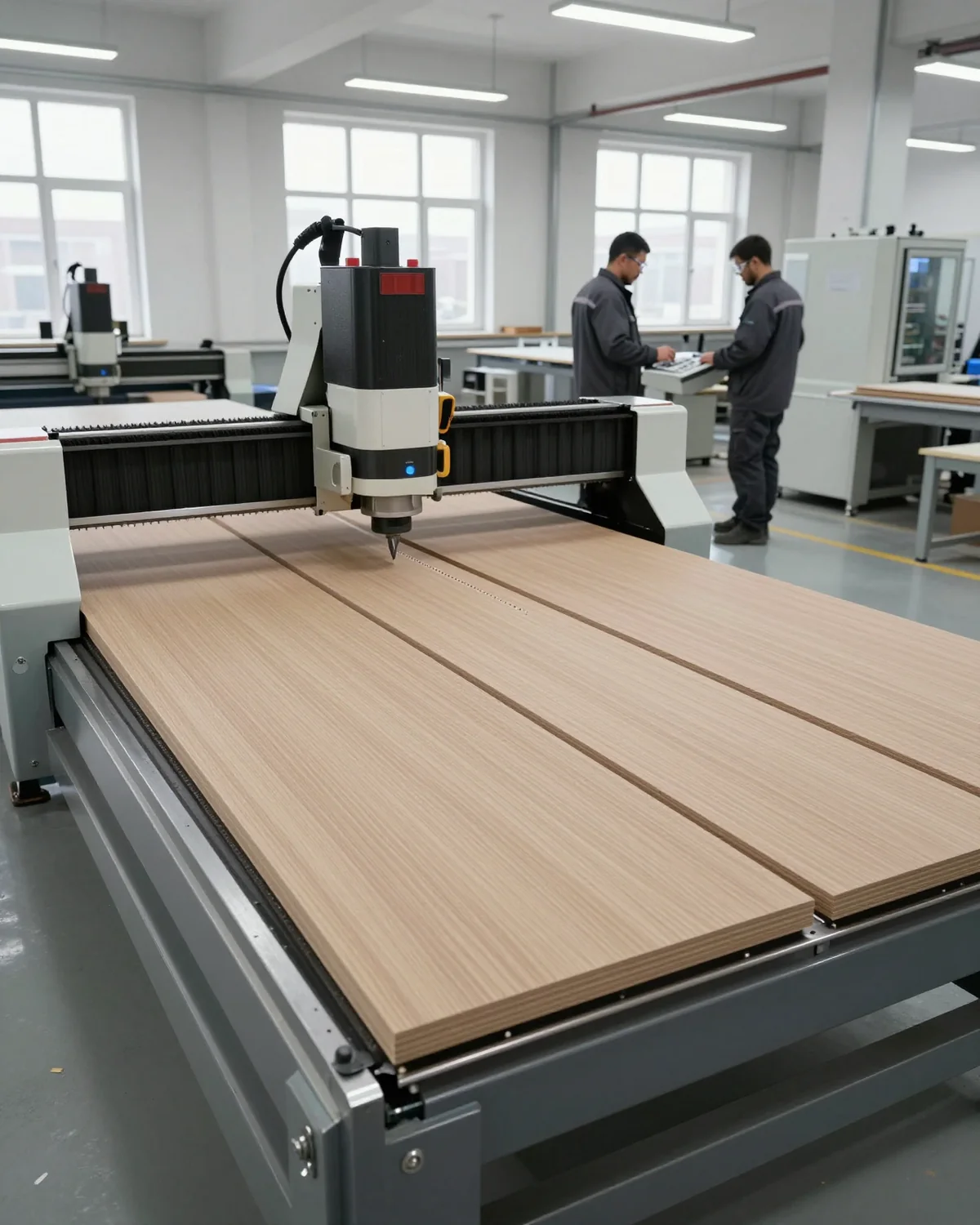
A design engineer prepares the drawings, and the machine cuts the board to them. Dimensions come from a laser measurement accurate to 1 mm.
Blum · Hettich · Boyard
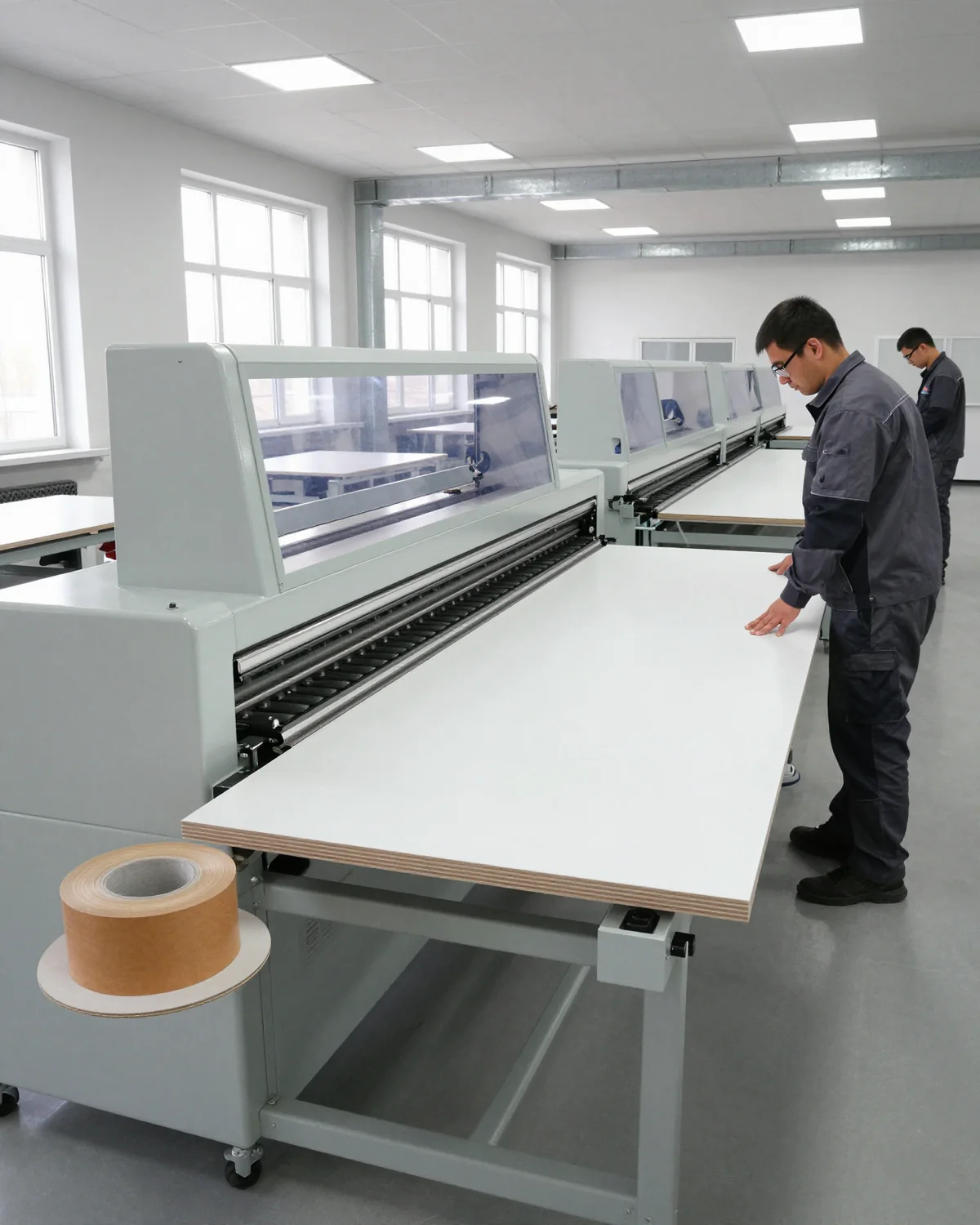
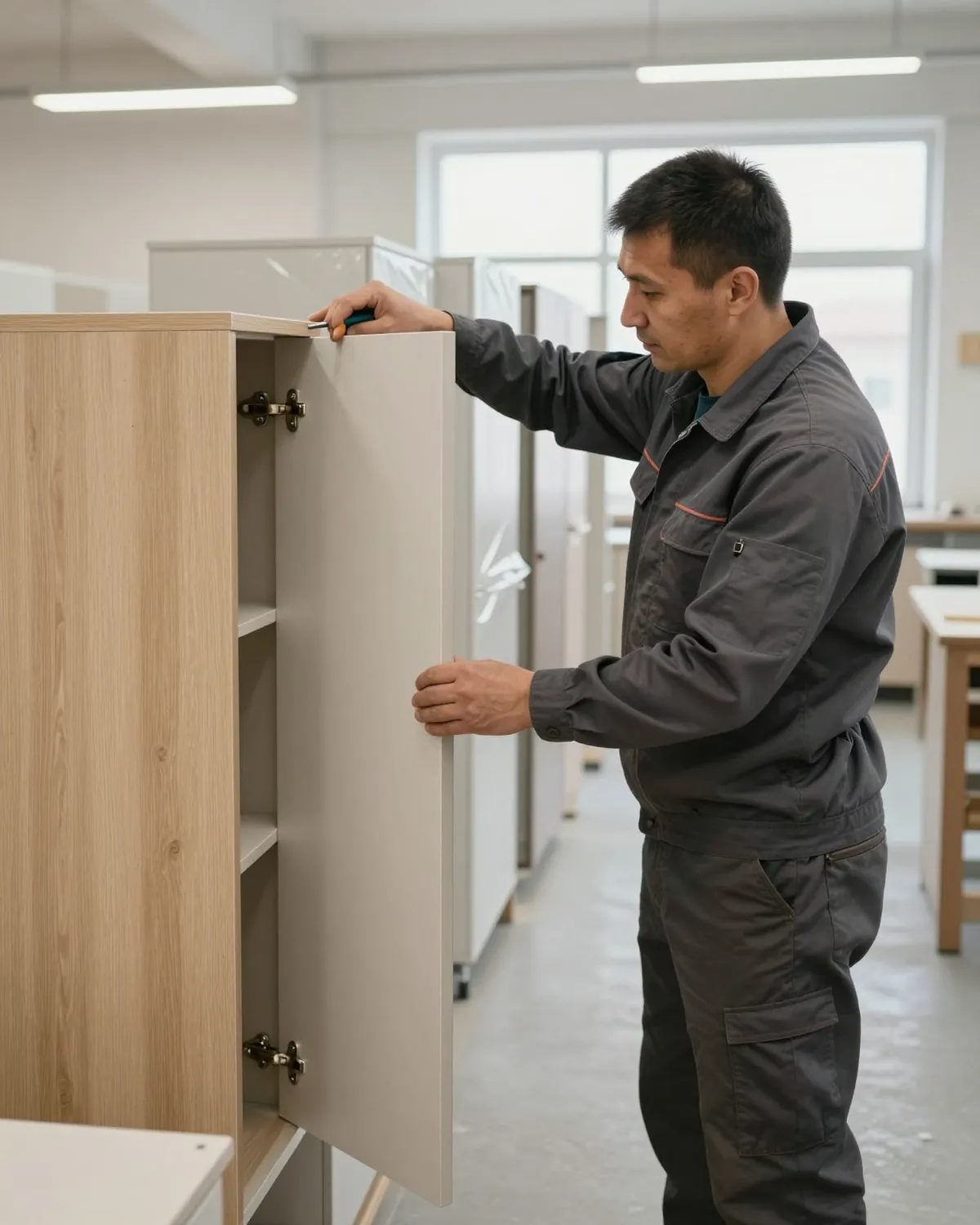
The edge-banding machine seals the edges, then we drill holes for Blum hinges and Hettich runners.
Any RAL colour
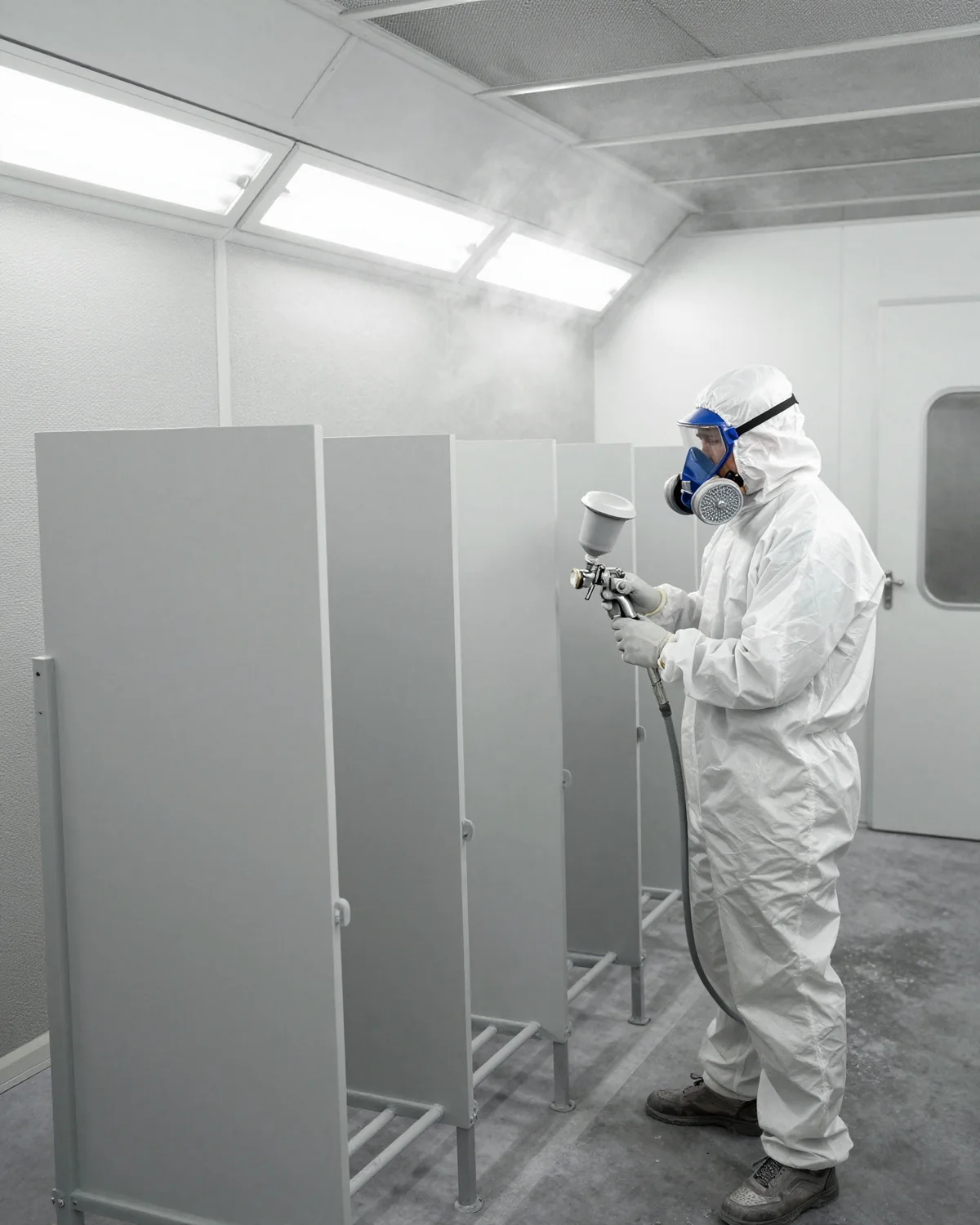
A finishing specialist paints the fronts to RAL — matt and gloss. We cut semicircular models to the radius of the specific wall so the back fits the bay window without a gap.
Pre-assembly in the workshop
We assemble the modules in the workshop before dispatch, checking front gaps and drawer travel. The quality control department signs the item off for shipping.
Installation to fit the opening schedule
We deliver, carry in and assemble in 1 day, adjust the furniture and clean up after ourselves. From signing the acceptance certificate — a 24-month warranty.
08Team
MEBLIX workshop craftsmen who make and assemble furniture to order.
01 / 07Furniture assembly carpenter11 years
★ 4.81 · 47 ratings

Cabinet furniture repair craftsman20 years
★ 4.99 · 73 ratings
Furniture and kitchen unit assembler23 years
★ 4.97 · 300 ratings
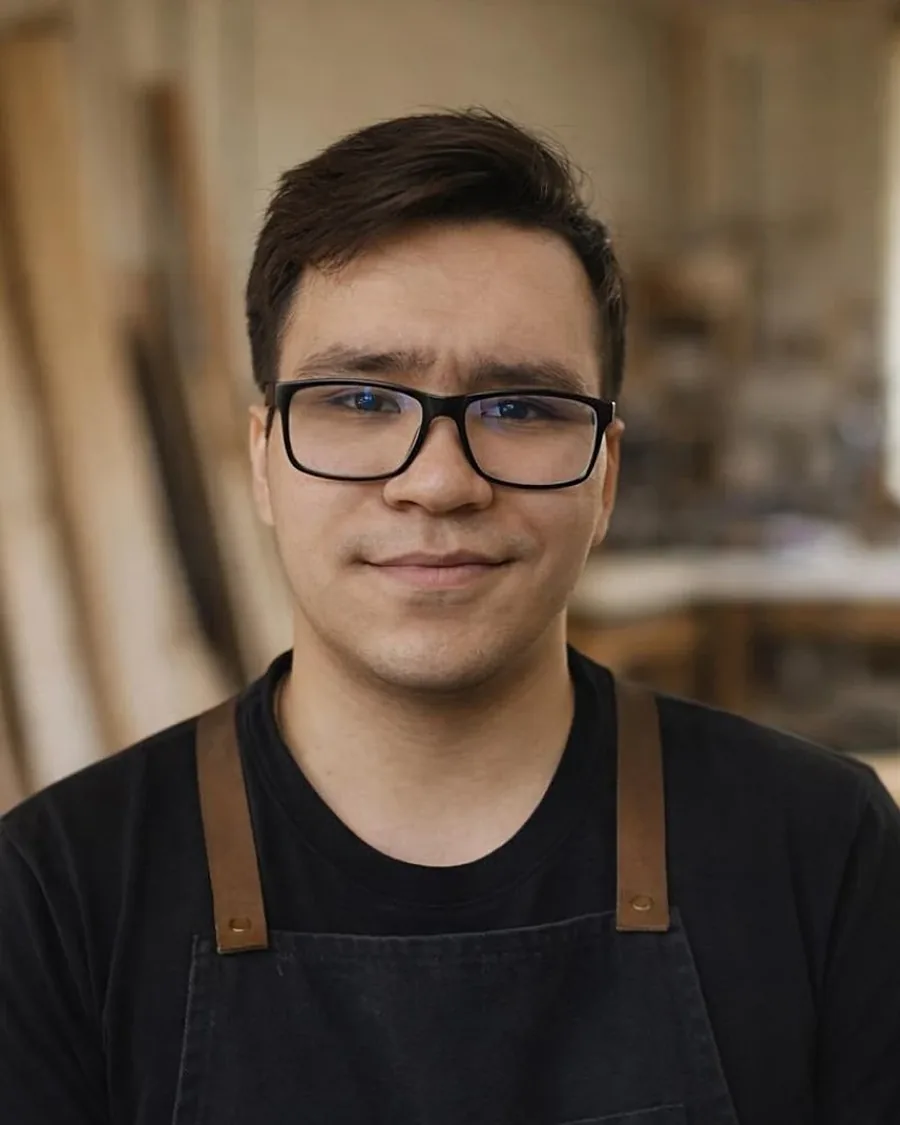
Made-to-order furniture maker7 years
★ 4.26 · 32 ratings

Furniture maker5 years
★ 4.23 · 30 ratings
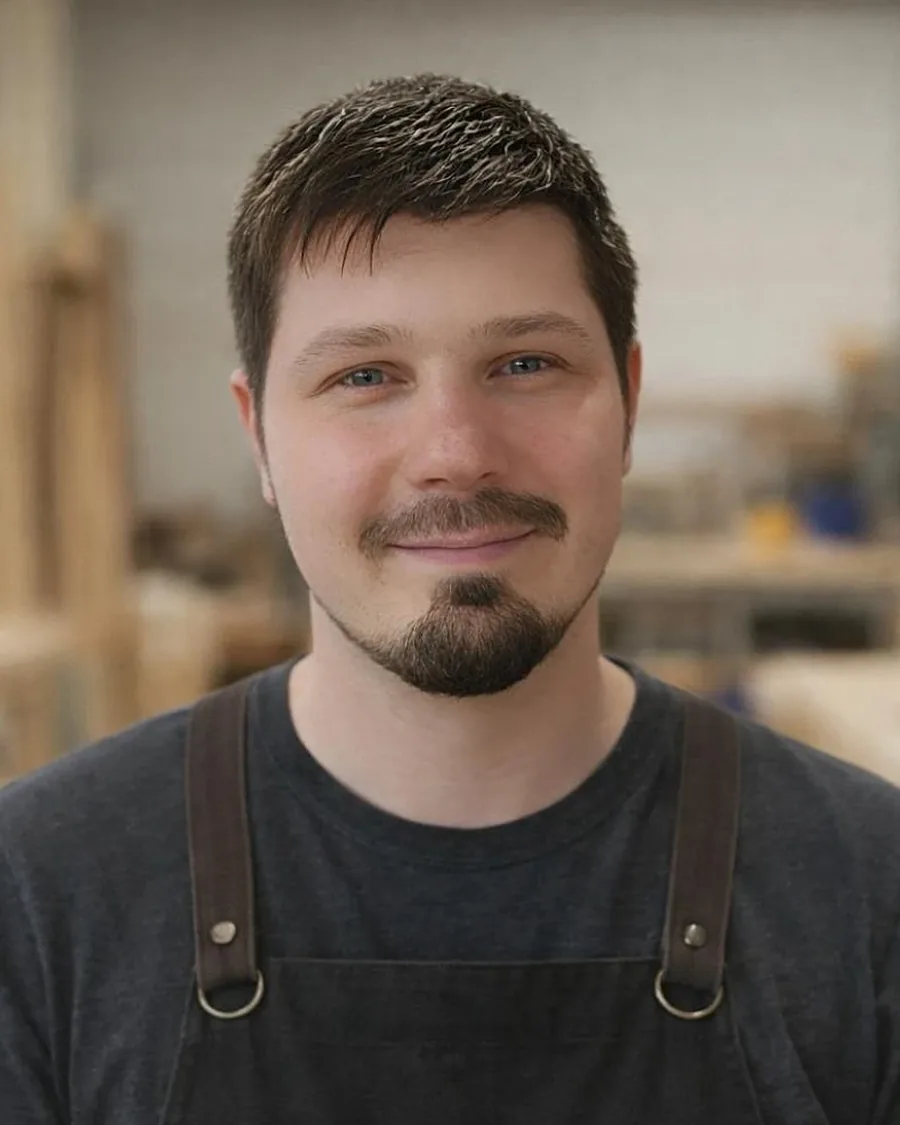
Joiner and carpenter20 years
★ 5.0 · 113 ratings
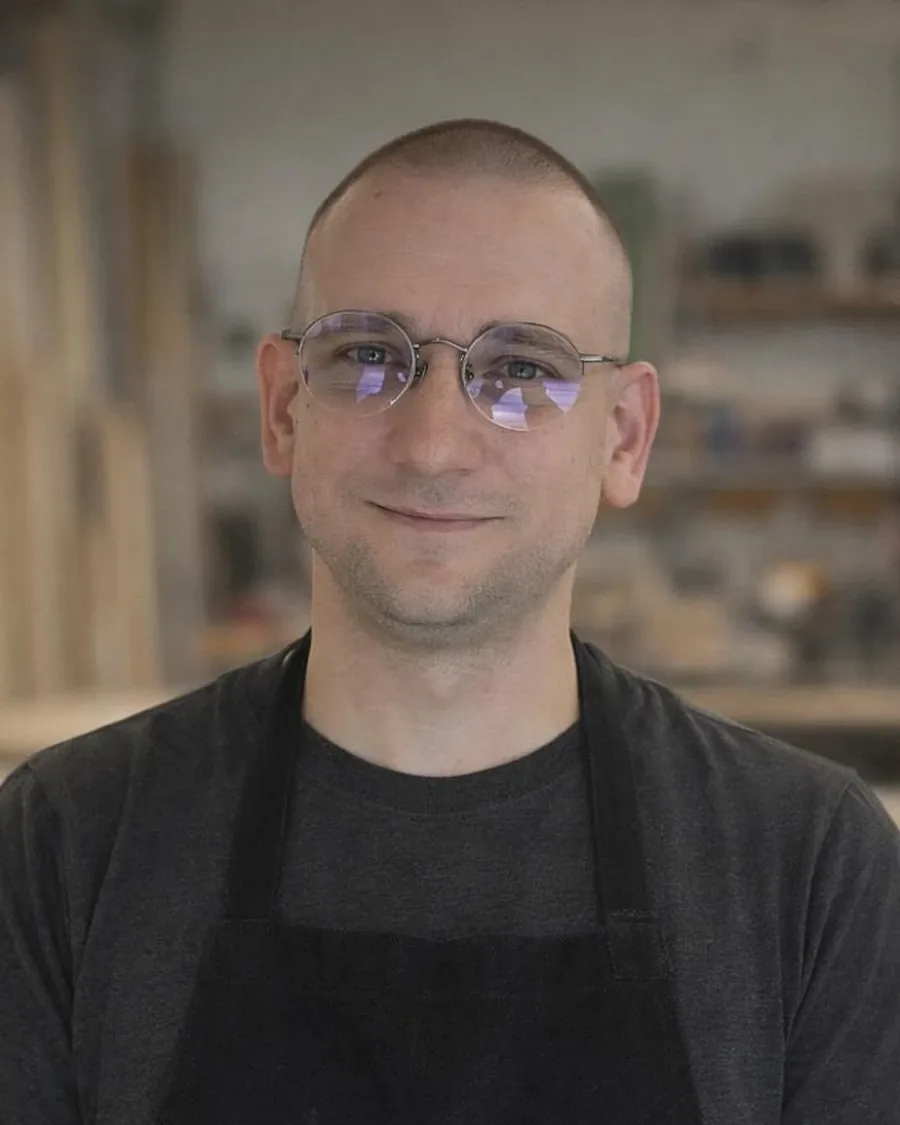
Furniture front and hardware fitter17 years
★ 4.61 · 92 ratings
09FAQ
Didn’t find the answer? Message us — a manager replies, not a bot.
Ask on WhatsAppA corner unit in eco-leather or vandal-resistant fabric and a two-section corner bench are priced differently, and both prices are in the price list above. We calculate the exact amount from the corner dimensions after a free measurement and fix it in the contract.
Yes, we price long seating per linear metre, with the wall-mounted sofa-bench and the hall set priced separately. The per-metre prices are in the price list above. That makes it easier to compare upholsteries over the same wall length.
Yes, we make the seating from the measurement specialist's survey: from corner to corner, allowing for columns, radiators and the windowsill. For a bay window we cut the frame of the semicircular sofa to the radius of the specific wall.
Yes, we select fabric and eco-leather from samples in the showroom to match the brand colour. We sew all the soft seating for the hall from a single fabric, so the sections come out the same shade.
Yes, a corner sliding sofa with a storage box in the base is in the price list on this page, together with its price. The box is handy for blankets, kids' chairs or a spare supply of napkins, and we plan access to it in the design.
Yes, we make sections of one series: one fabric, one color and identical sizes. We handle projects with a single estimate and a single contract at wholesale price, and we also accept reorders for the same series later.
Yes, our team fixes long rows to the wall or floor so the seating doesn't shift. Show pipes and cables in the wall at the measurement so the fasteners don't hit them.
Anti-scratch velvet works well for such halls: it resists snags from claws, belts and bag zippers. A corner sofa in this upholstery is in the price list above, with its price shown there.
Yes, we make the Chester restaurant sofa with button tufting in velvet on a wooden base, and it is in the price list above. It is usually placed as an accent at the entrance or in a separate area of the hall.
Yes, delivery and installation are handled by our team, and we agree the date around your opening schedule. Delivery in Almaty and up to 30 km is free for a large order, beyond that — for an extra fee.
10Reviews
4,9
average rating
on Google and Zoon
Everyone can see a review on the platform: this is how other people check whom to trust with an order. If something went wrong, write to us and we will reply within 1–2 business days.
Message us on WhatsApp11Article
We make cafe sofas in our own workshop in Almaty to the dimensions of the hall: wall-mounted banquettes, corner units, semicircular and modular models. The frame is made of plywood and timber, high-density foam and washable upholstery withstand the flow of guests, while free measurement and a 3D design show the seating before production.
The shape of the soft seating depends on where it will stand: in a corner, in a bay window, along a blank wall or in the middle of a large hall. We explain which model suits each place and when it is more advantageous than chairs.
| Place in the hall | Shape | What it gives the hall |
|---|---|---|
| Empty corner | corner unit | seating for a group instead of two chairs |
| Bay window or panoramic window | semicircular or radius sofa | a cosy niche with a view of the street |
| Long blank wall | banquette or bench sofa | a dense row of seats, free centre |
| Centre of a large hall | straight sofa with a high back | zoning without partitions |
| Lounge by the window | modular sofa | flexible layout around the tables |
| Classic hall | Chester sofa | a focal point in a restaurant-style interior |
Soft seating is more advantageous than chairs where a chair with its back pulled out blocks the passage: along walls, in corners, in niches and by windows. A guest on a banquette sits with their back to the wall and does not need room to pull the seat out, so the passage between rows of tables stays wider. Cafe sofas in such a zone seat more people per metre of wall and change the perception of the hall — it feels calmer and more expensive. Soft seating has a downside too: it cannot be moved for a large group, and for a guest to get deep into the table, their neighbours have to stand up. A mixed scheme works well — soft seating against the wall and chairs on the outer side of the table. Keep chairs in the centre of the hall, where tables are often put together for birthdays and business meetings.
We assemble the modular sofa from individual sections for the lounge zone, and make the Chester sofa with diamond tufting for halls in a classic and restaurant style. The modular sections on a metal frame can be rearranged without tools: a straight row by the window turns into a U-shape around a low table for a group in the evening. A Chester in velvet with a wooden base sets the tone for the whole hall and works well by the fireplace, in the VIP zone or at the entrance, so it is placed as one or two pieces in a prominent spot rather than around the entire perimeter. We cut and upholster the semicircular model for a bay window individually to the radius of the specific wall, otherwise a gap remains between the back and the window. Plan the lounge zone with modular seating near power sockets: guests in the soft zone stay for a long time and most often charge their phones and laptops.
The comfort of soft seating is decided by proportions: how deep a guest sits, at what height the plate ends up and what is visible above the back. These parameters are set at the design stage.
We calculate seat height and depth from the tables of a specific hall, not from a catalogue model. If the seat is lower than needed, the guest reaches for the plate, and if it is deeper, they sit without back support and after half an hour slip a cushion underneath. When we take sofas made to order for a cafe, the measurement specialist records the height of the tables already purchased, or we design the tables together with the seating in one series. For a hall with breakfasts and desserts, a softer and deeper seat works; for a quick-lunch zone, a denser and slightly higher one, so the guest can stand up easily. The backrest angle also affects turnover: a backrest that reclines too far encourages a long rest rather than dinner. Order the soft seating and the tables at the same time — then their heights will match without adjusting supports on site.
A straight sofa with a high backrest divides a large hall into zones without walls, drywall or glass partitions. Two such models placed back to back form a row of booths: guests at neighbouring tables do not see each other and hear conversations less. The backrest height is chosen for the task — up to the shoulder of a seated person for privacy, lower for a hall where it is important to keep a view from the entrance to the bar. Such a partition remains furniture: when the concept changes, it is easier to move than to demolish a wall, and no approval for redeveloping the premises is required. The top of the backrest is convenient for a narrow shelf for plants or lights, if the project provides for it. Before ordering, check on the plan whether a high backrest will block the light from the window to the tables in the second row of the hall.
Upholstery is chosen according to the menu, the guests and the style of the hall: a coffee shop with children, a bar and a restaurant with long dinners suit different materials. Below is a comparison of fabrics and care rules.
| Upholstery | Strength | Where it is appropriate |
|---|---|---|
| Faux leather | wipes clean with damp cleaning | fast food, coffee shop with children |
| Anti-vandal fabric | resists rubbing and snags | hall with heavy footfall |
| Coated matting | the pattern masks stains | family cafe, bakery |
| Anti-scratch velvet | warm to the touch, no snags | restaurant, lounge area |
| Microfibre | soft, dries quickly after cleaning | coffee shop, breakfast area |
Sturdy basket-weave fabric with a protective finish and anti-claw velvet — textile upholstery for halls where guests value warmth and texture rather than a cold, smooth surface. Basket-weave is woven from a thick yarn, and its pattern hides small coffee drops, while the finish keeps liquid from soaking straight into the fibre. Velvet with anti-claw protection withstands belts, bag zips and buckles without snagging and looks good in the restaurant's evening light. We select both fabrics from samples in the showroom, where you can touch them and compare them in the venue's brand colour next to the tabletop finishes. Textile upholstery is warmer than faux leather in winter and doesn't stick to clothing in summer, but it needs regular vacuuming. For seats near the kids' area, choose a basket-weave with a pronounced pattern: stains show up least on it.
Inside every section, three components take the load: the frame, the filling and the support. We break down what they consist of, how to choose legs or a plinth, and how the seating is fixed in the hall.
We assemble the frame of the soft seating from plywood and timber, and fill the seat with high-density foam. Plywood and timber withstand guests constantly sitting down and getting up without creaking or working loose, and for some models the price list offers frames in birch, pine and metal. Sofas for cafés are made in the soft furniture area of our 600 m² workshop, where one team handles the frame, filling and upholstery. High-density foam recovers its shape after every guest, so the seat by the window, where people sit most often, doesn't sag before the others. Before dispatch, every section goes through a trial assembly in the workshop: we check the joints, the evenness of the backs and the absence of creaking. When checking a sample, sit on the edge of the seat, not in the centre: the edge is the first to reveal a weak frame.
The support determines how easy it is to wash the floor around the soft seating and how it looks in the hall. Models on legs, chrome ones for example, leave a gap to the floor, so the cleaner can go round with a mop without moving the furniture. A plinth closes the space down to the floor: dirt doesn't collect underneath, but the plinth itself takes knocks from shoes, so it's made from a durable material and sometimes finished at the bottom with a protective strip to match the upholstery. A corner sliding sofa with a box in the base provides space for storing blankets, children's chairs or a stock of napkins. On this model the seat lid lifts, so the soft part is fixed to the lid rather than to the frame. Such a box is only convenient with access from the front or top without moving the table — plan for this at the design stage.
Soft seating is priced in two ways — per unit for individual models and by length for rows along walls. We explain when each approach is fairer and how to make a series for several venues.
We price individual models — a corner unit, a semicircular sofa, a Chester — per unit, and long seating along walls by the metre. The metre is convenient when a banquette or sofa bench runs the full length of the hall and its length is set by the wall sections rather than the catalog. A per-metre quote immediately shows what a row for a specific wall costs and lets you compare upholstery options at the same length without recalculating the whole project every time the fabric changes. A per-unit model is better value where a complex shape is needed: a radius, a corner with a drawer, diamond buttoning. Prices for each option are in the price list on this page, and we fix the final amount in the contract after the measurement and 3D design. When comparing options, count not the price per metre but the number of guests that metre seats at a table.
For a coffee shop chain we make sections of a single series: one fabric, one colour, identical sizes and joining points. A repeatable section simplifies the design of each new location — it is laid out on the hall plan like a module, and you can immediately see how many units are needed. A wholesale price applies to a series for several venues, and all locations can be handled with a single estimate and a single contract. Delivery is split into phases to match the opening schedule so that working locations aren't closed entirely during installation. A repeat order in the same series is possible later too, when the chain opens a new address, and guests at any location see the same seating as part of the brand's recognisable style. Specify the section size, fabric code and leg colour in the specification — with these three lines, a new location will get seating indistinguishable from the first.
Soft seating is built into walls, corners and windows, so an order starts with precise measurements. We explain what is measured, how the sample is approved and how the sections get into the hall.
For a series, we first make a pilot sample section and approve it before starting the rest. If custom cafe sofas of different shapes are ordered, the sample is usually the longest or most complex section — it shows the upholstery, the seating and the joints. Once approved, the series goes into production; lead times for each option are in the price list on this page, and rush orders are possible. Delivery and installation are handled by our team, and we agree the installation date around the venue's opening schedule. We sign the acceptance certificate after installation, and the items carry a 24-month warranty under the contract. The installers level the sections, join the modules and fix long rows to the wall, then check every seat together with the client. Finish wall repairs before installation: a fixed banquette is hard to protect from dust and paint, and re-upholstering a soiled section will take time before opening.
| Stage | What happens | Result |
|---|---|---|
| Measurement | we measure walls, niches and bay windows free of charge | precise seating dimensions |
| 3D design | we lay out the sections in 1–2 days | hall plan with fitted seating |
| Upholstery choice | you view fabric samples in the showroom | approved material and color |
| Pilot sample | we make and approve a section | reference for the whole series |
| Production | frame, filling, upholstery, trial assembly | finished sections |
| Installation | our team places and fixes them | acceptance certificate, 24-month warranty |
A short guide for those planning fitted seating in a hall and choosing its shape, upholstery and construction with the menu, guests and style of their venue in mind.
12Calculation
Choose the shape, seating length and upholstery in the calculator — the calculation will be sent to the manager on WhatsApp, who will clarify the niche dimensions and suggest a time for a free measurement.
13For business
We make tables, chairs, sofas, a bar counter and a serving counter for the hall as one series in our own workshop — from materials that withstand guest flow and daily cleaning.
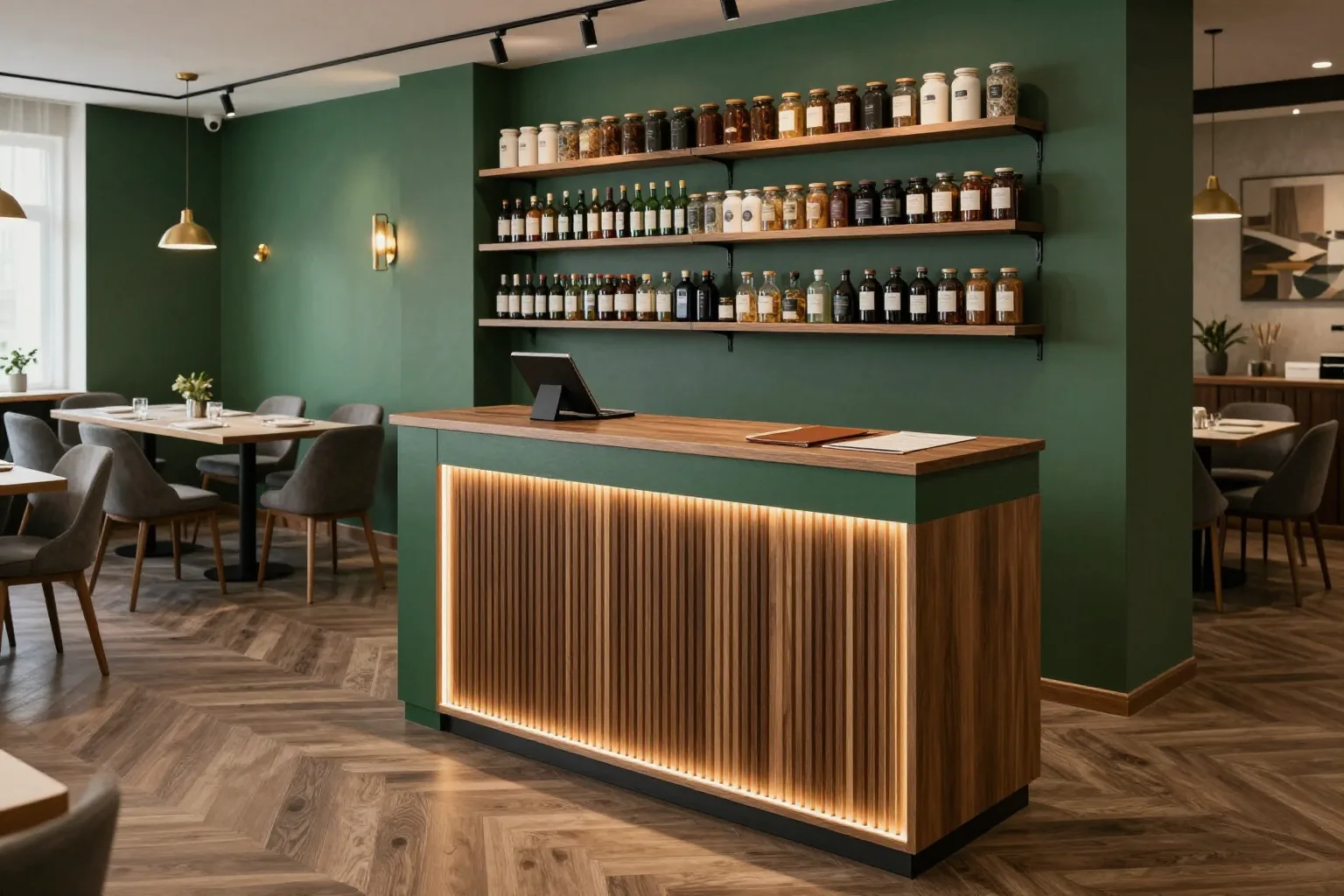
We furnish a restaurant hall as one series: seating, soft area, hostess stand and bar in a single decor from our own workshop.
We make counters for the kitchen and living room, cafe, bar and coffee shop: with a sink, display case, cabinets and lighting for your space.
We make bar and semi-bar stools to match the height of your counter or kitchen island: steel or solid wood frame, soft seat and washable upholstery.
We make reception desks to fit the lobby dimensions of a hotel, salon, clinic or office: two levels, cable channels, lighting and a logo in the structure.
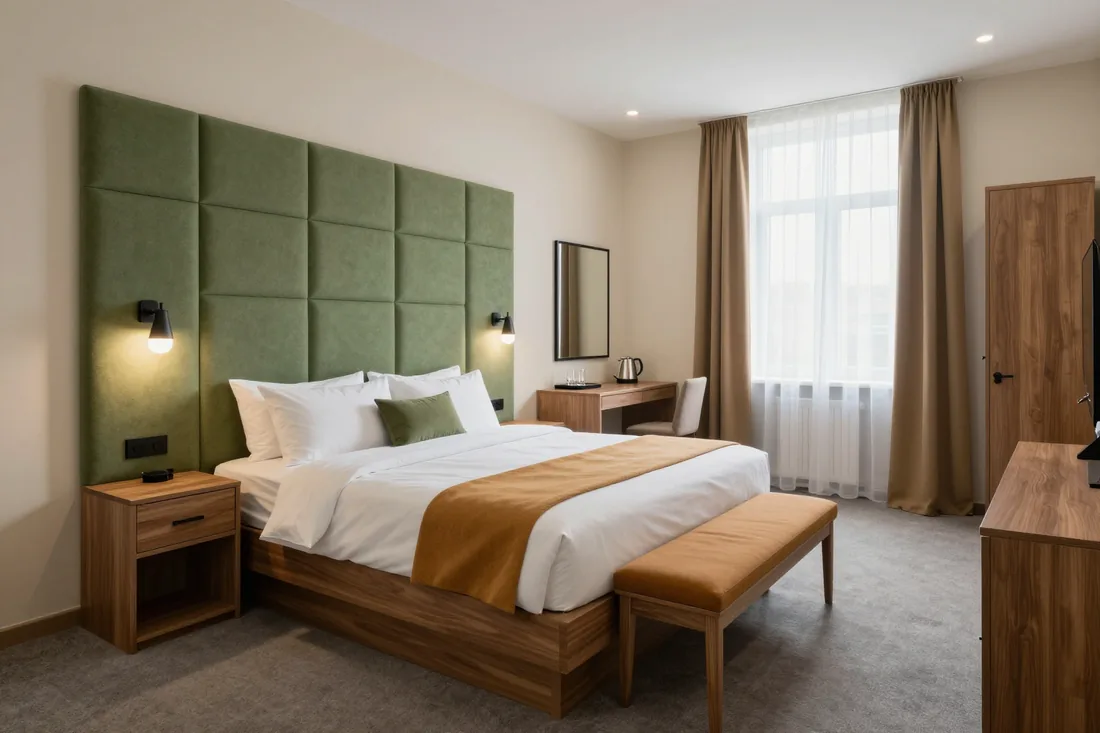
We furnish rooms, lobby and reception as one series: first a pilot room, then the whole floor in a single decor.
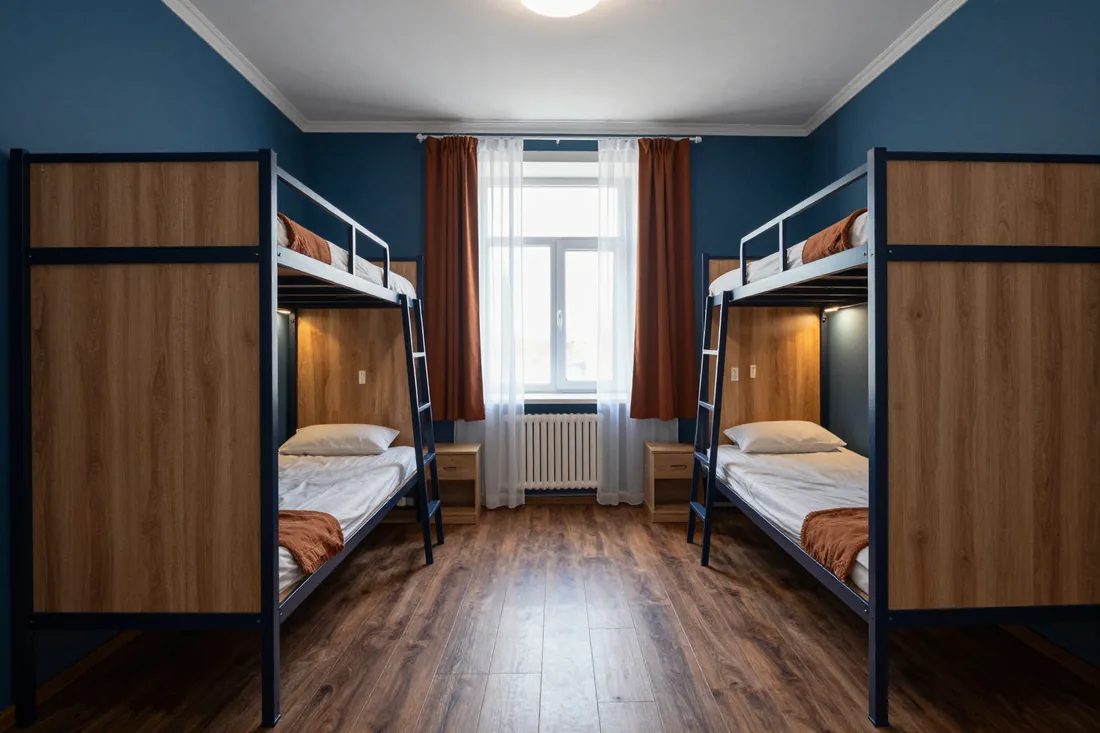
We furnish rooms and shared kitchens as a series: beds, lockable wardrobes for each resident, tables and lockers in a single decor.