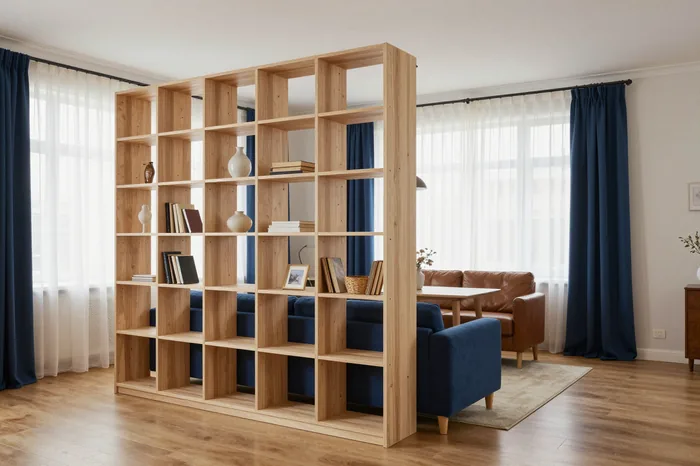
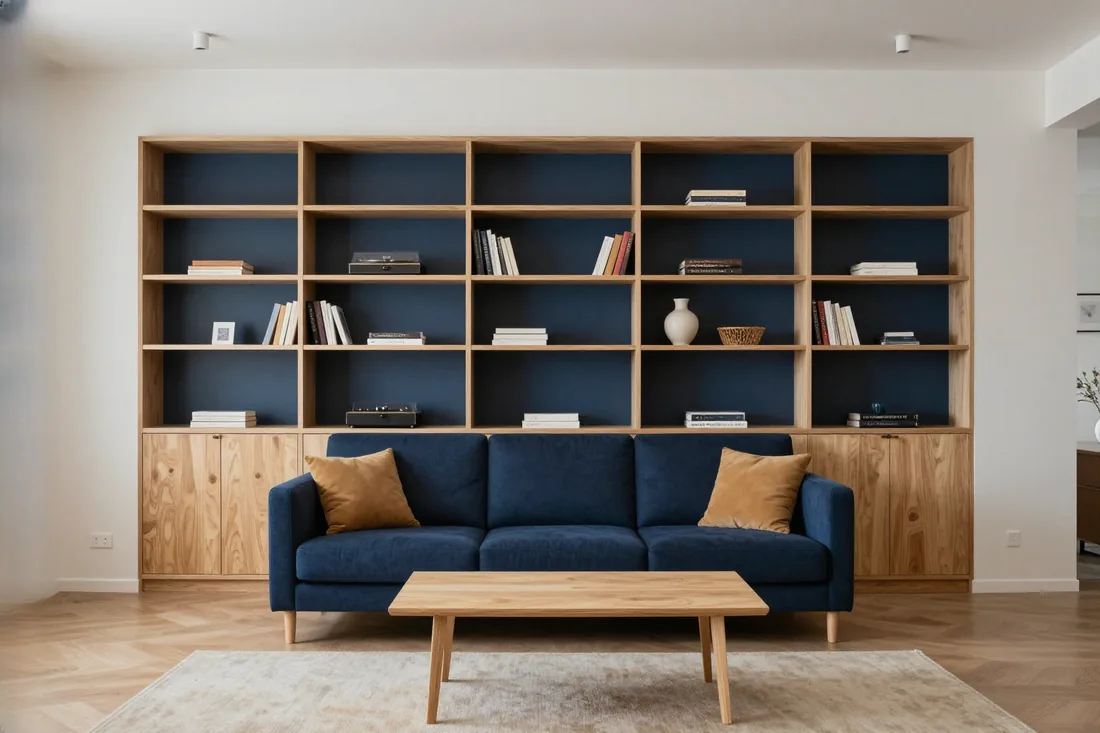
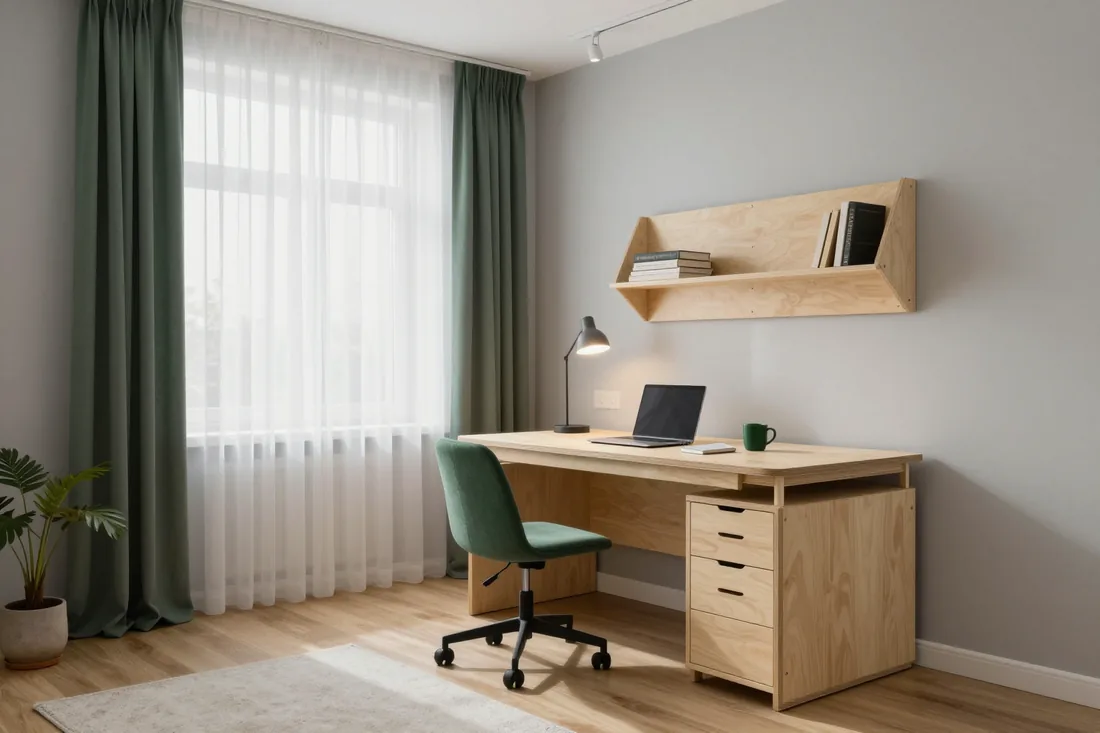
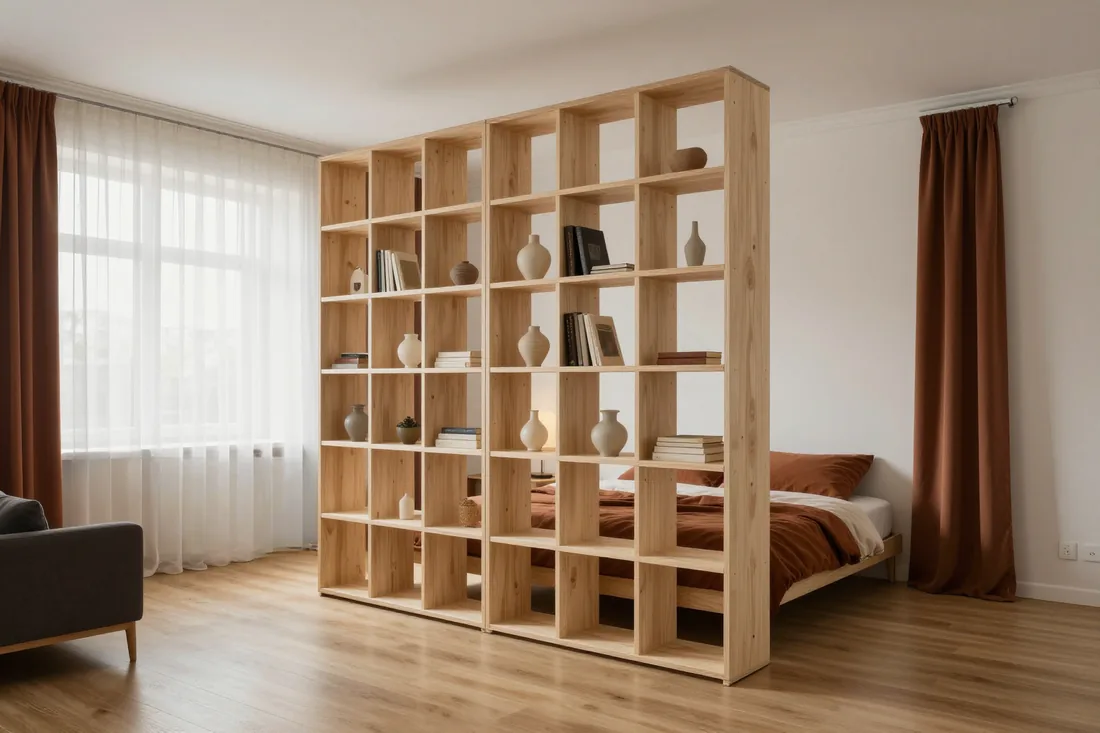
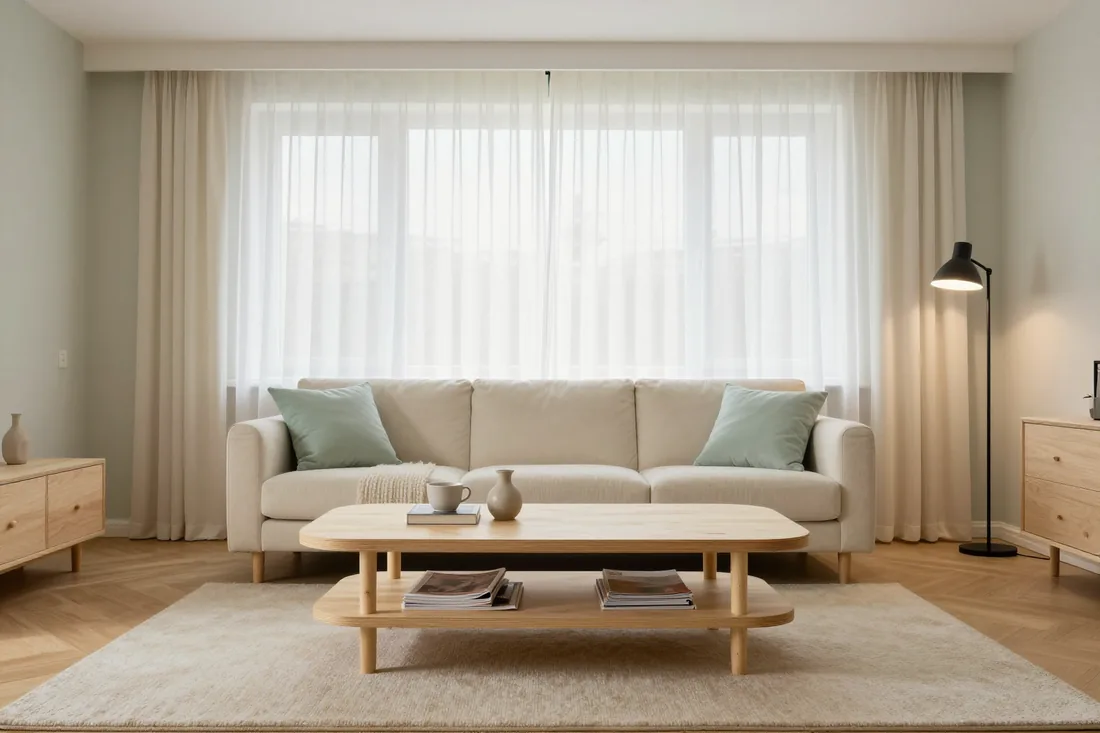
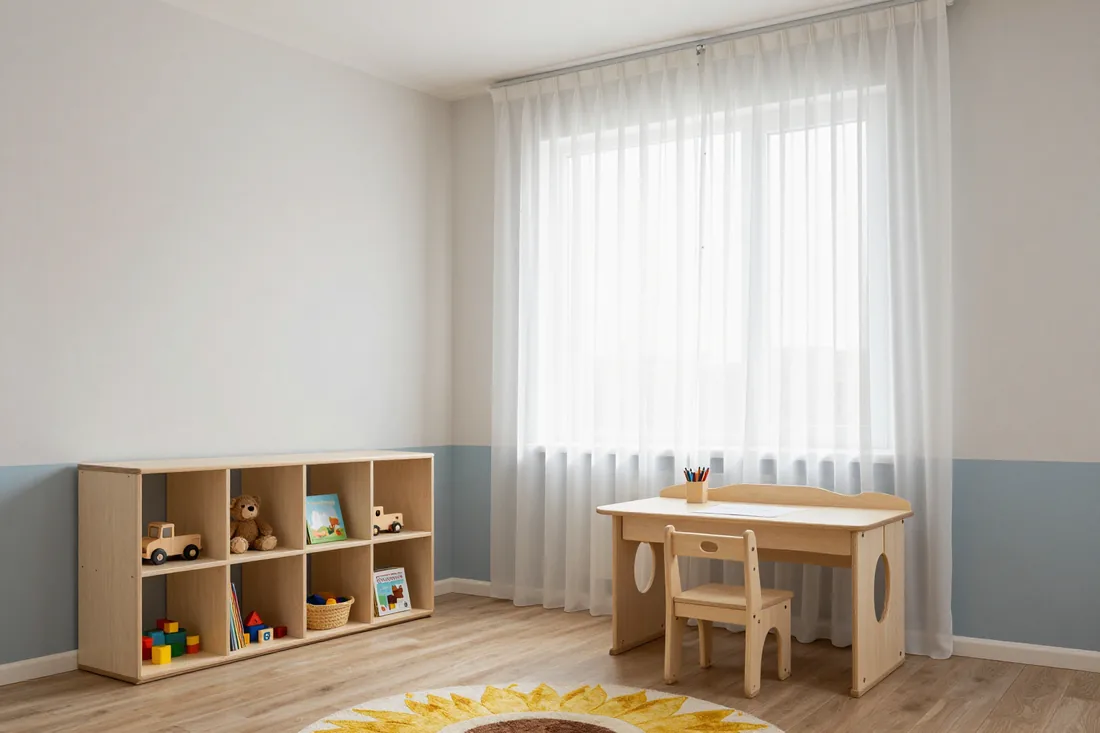
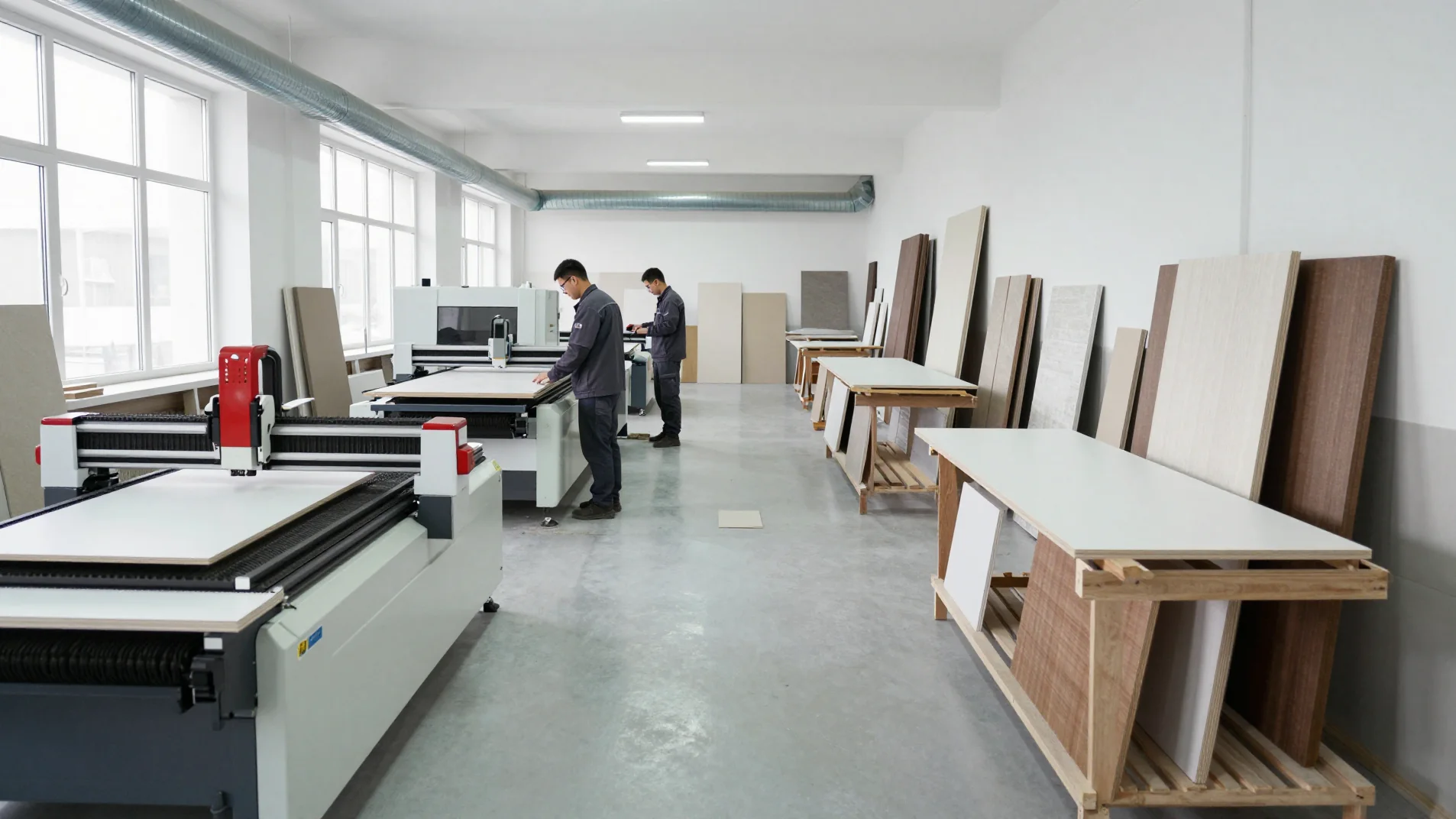
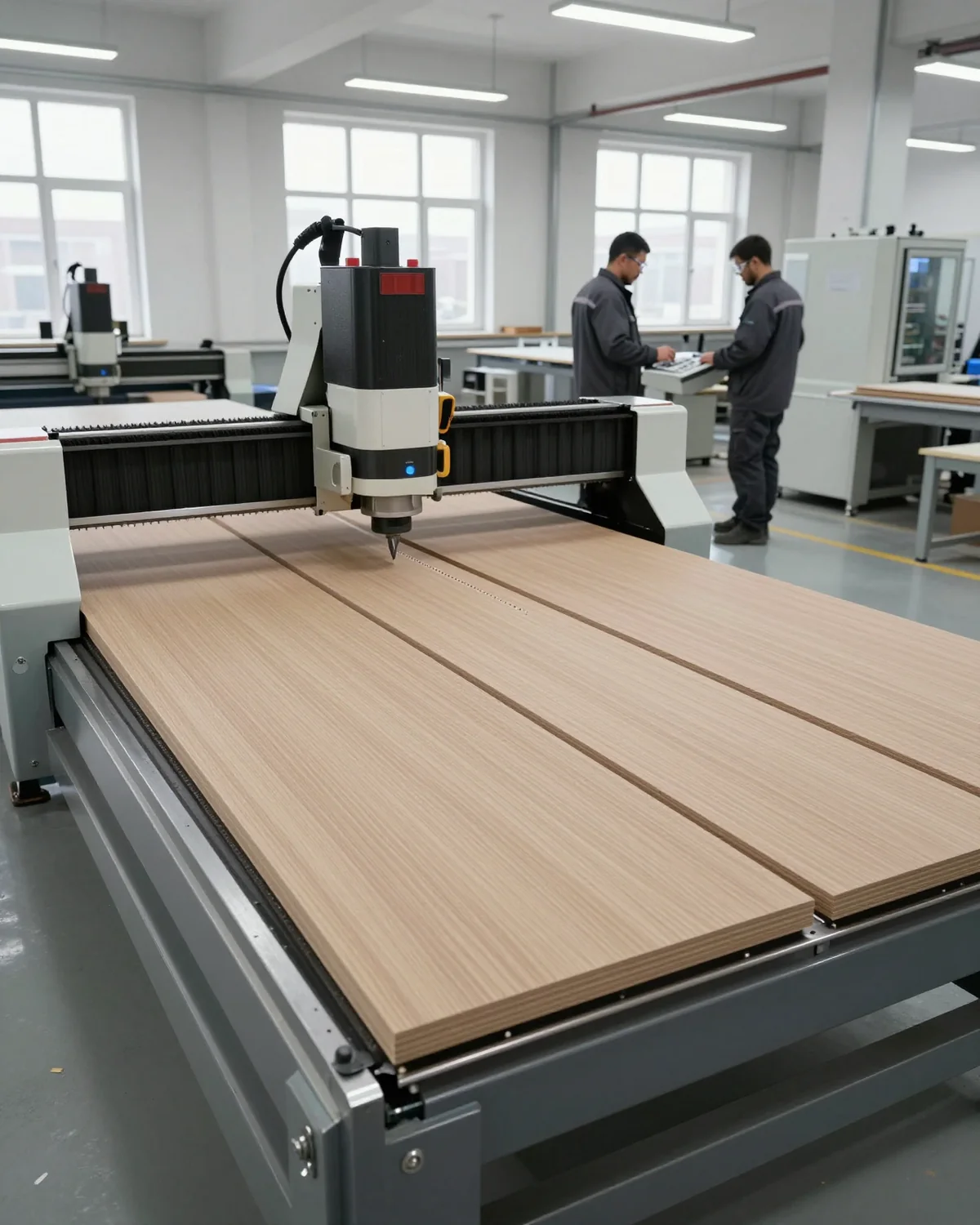
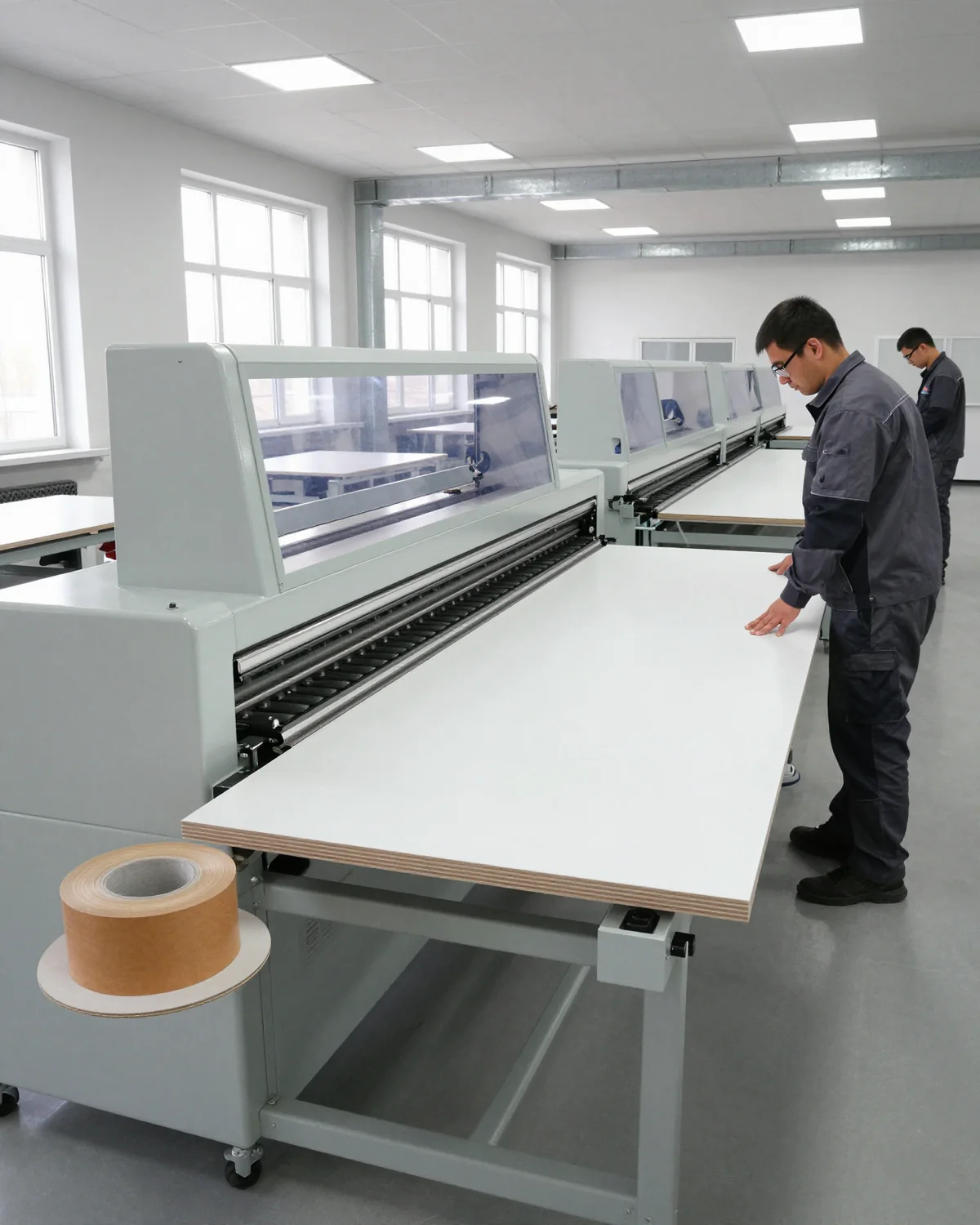
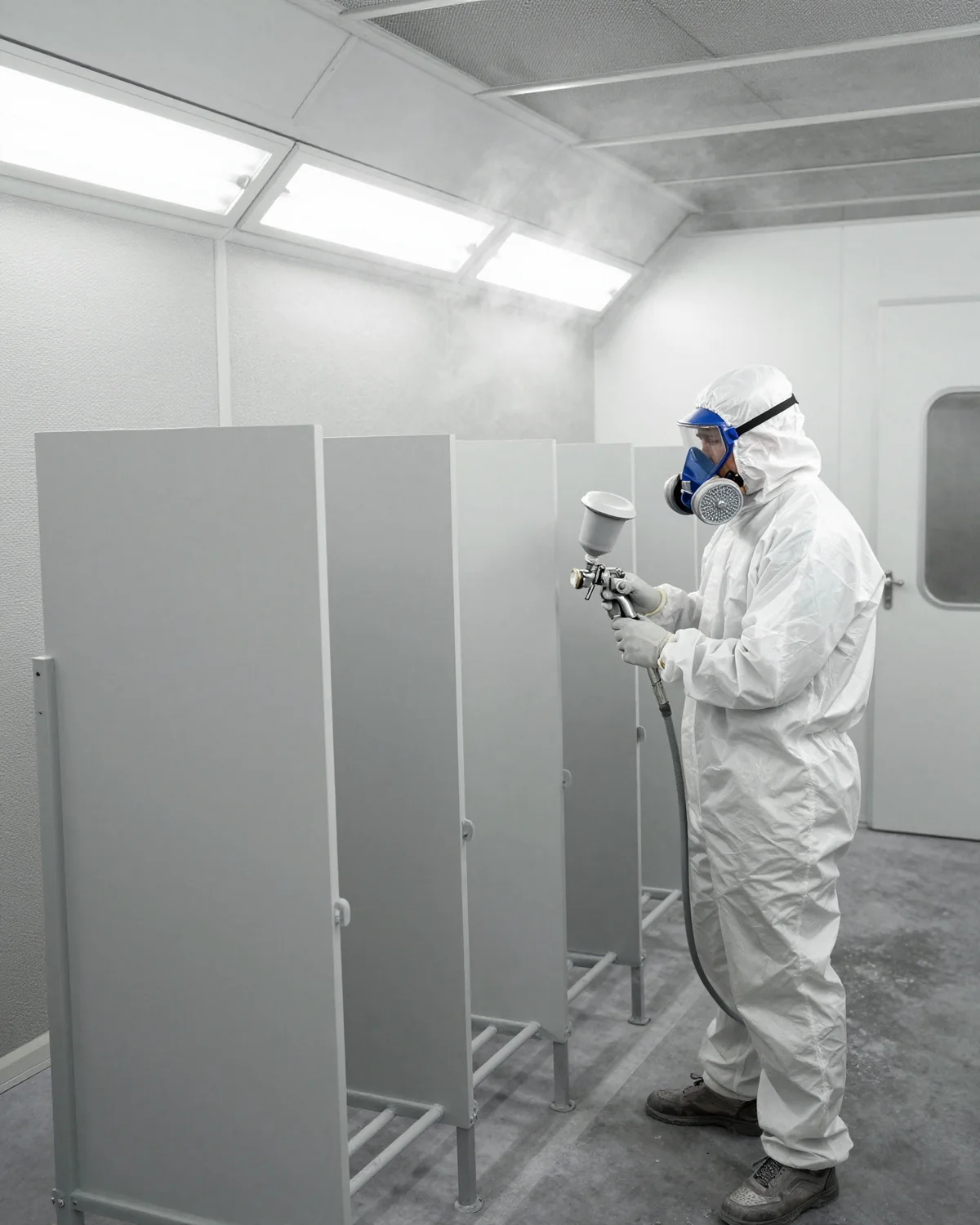
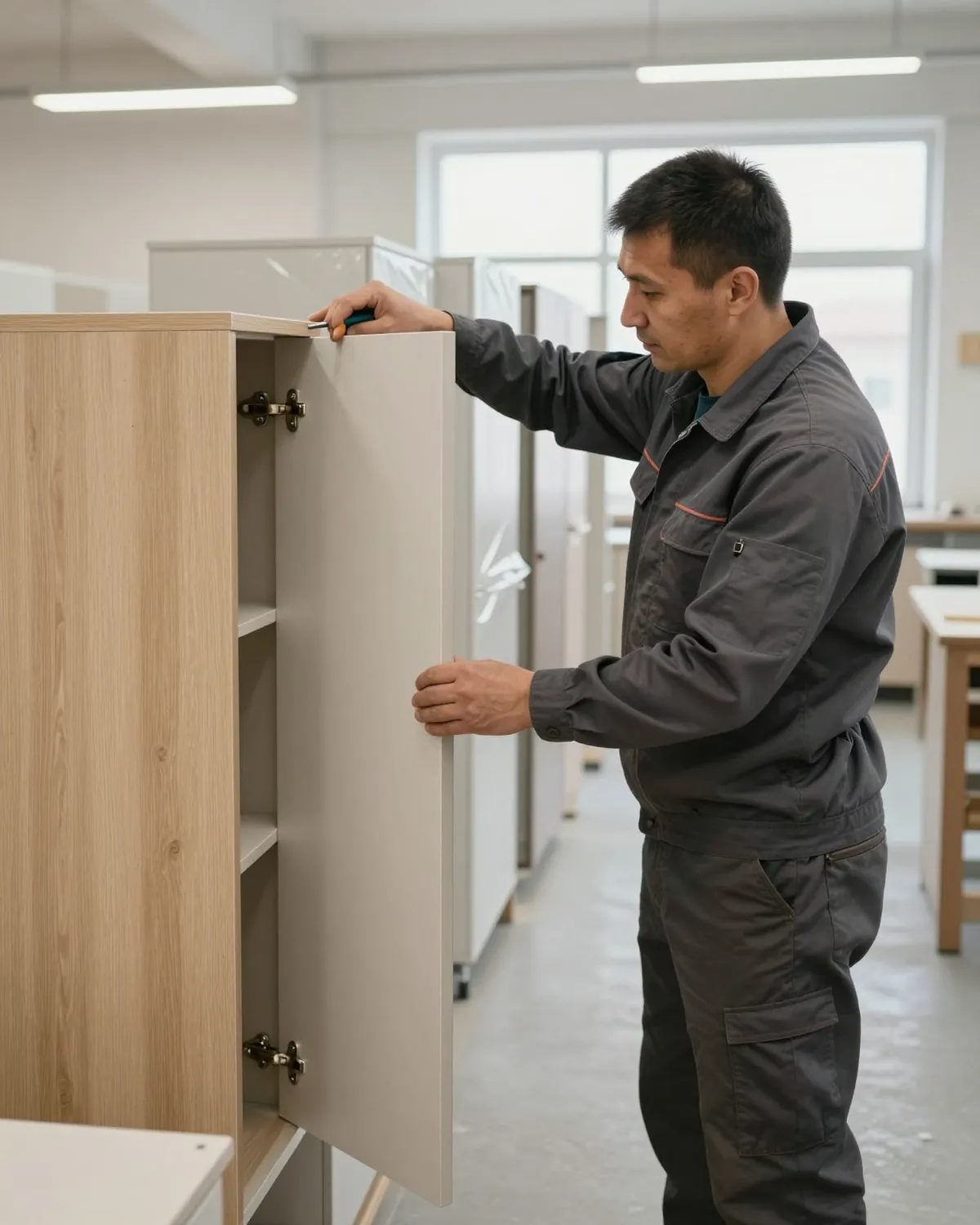
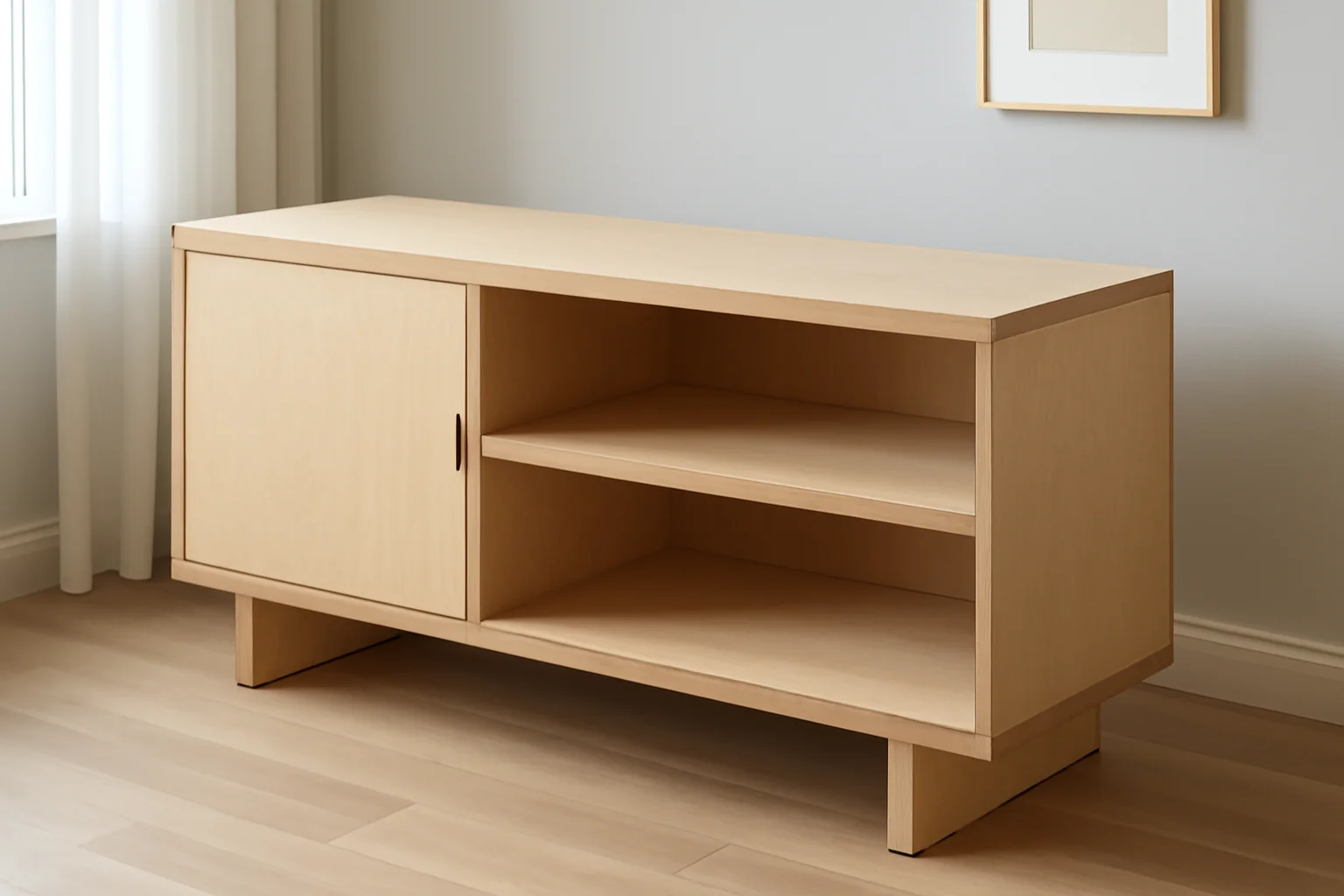
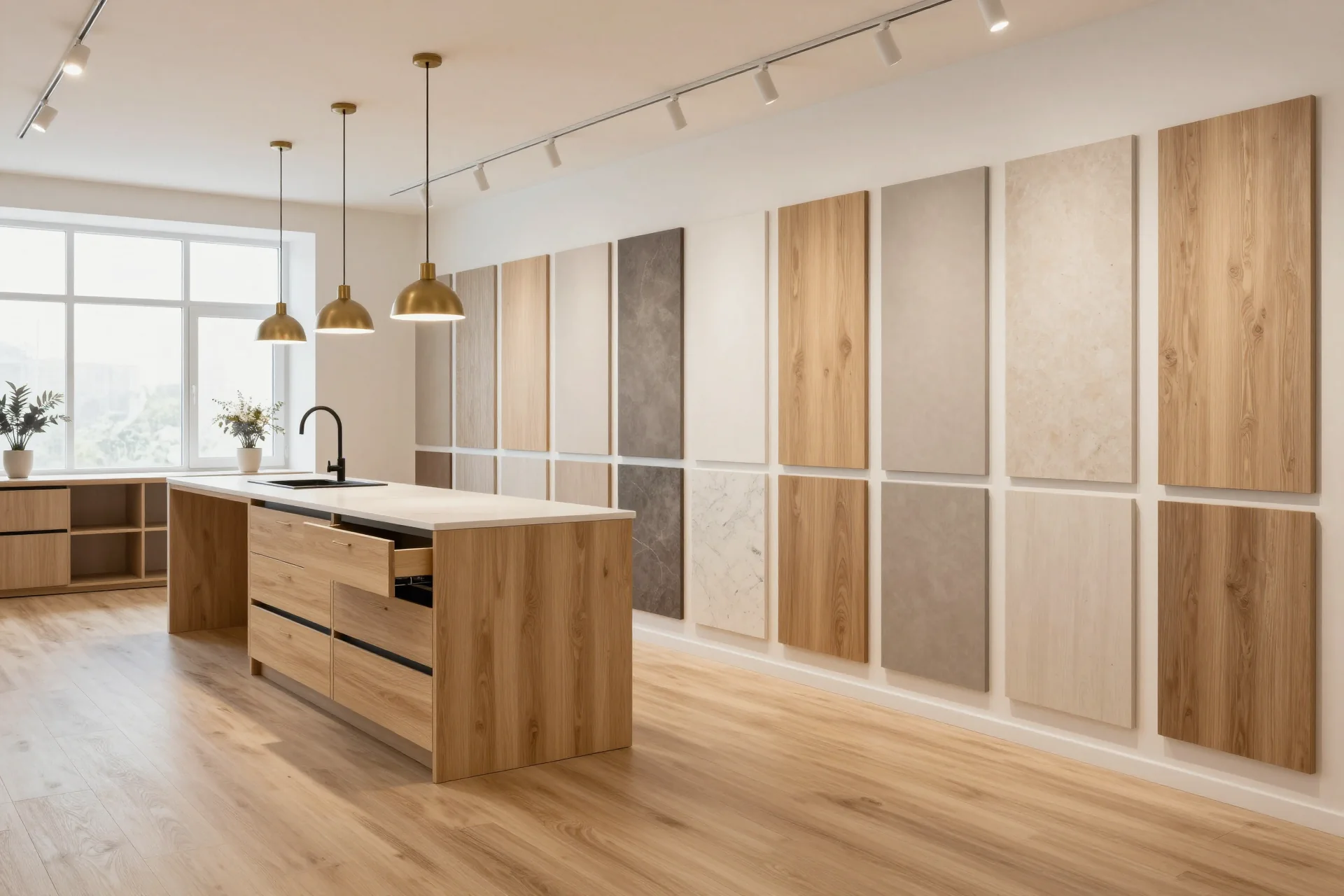
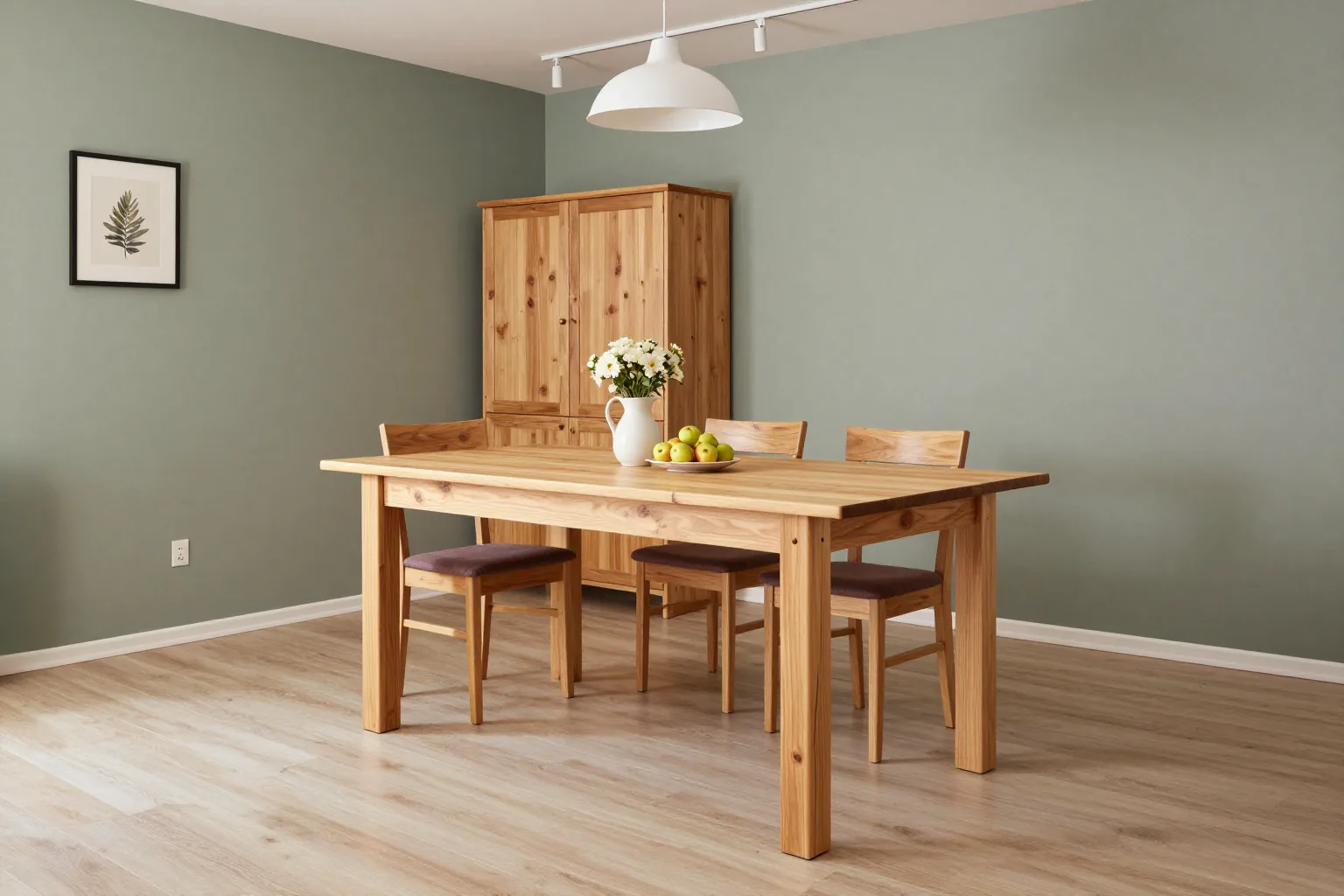
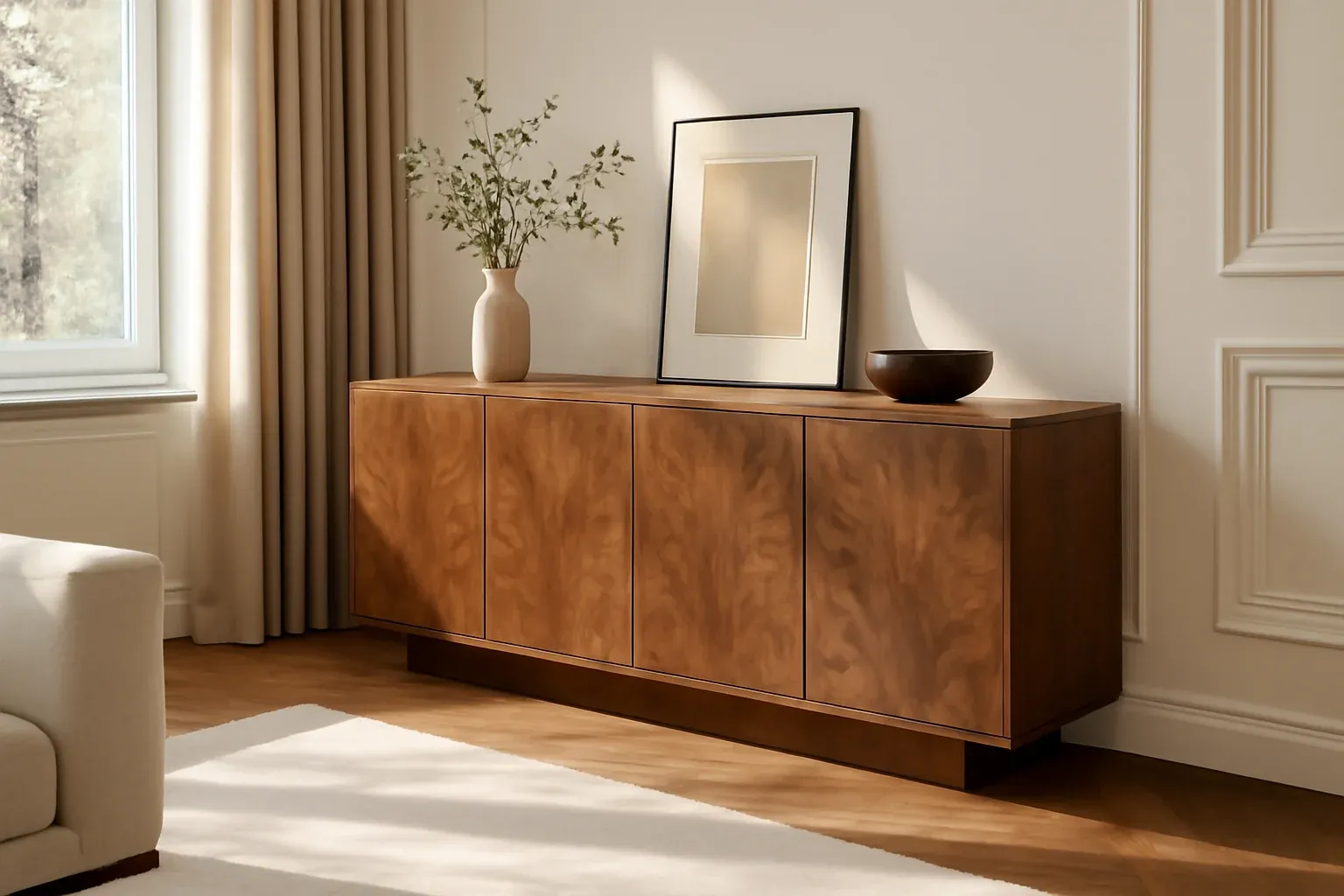
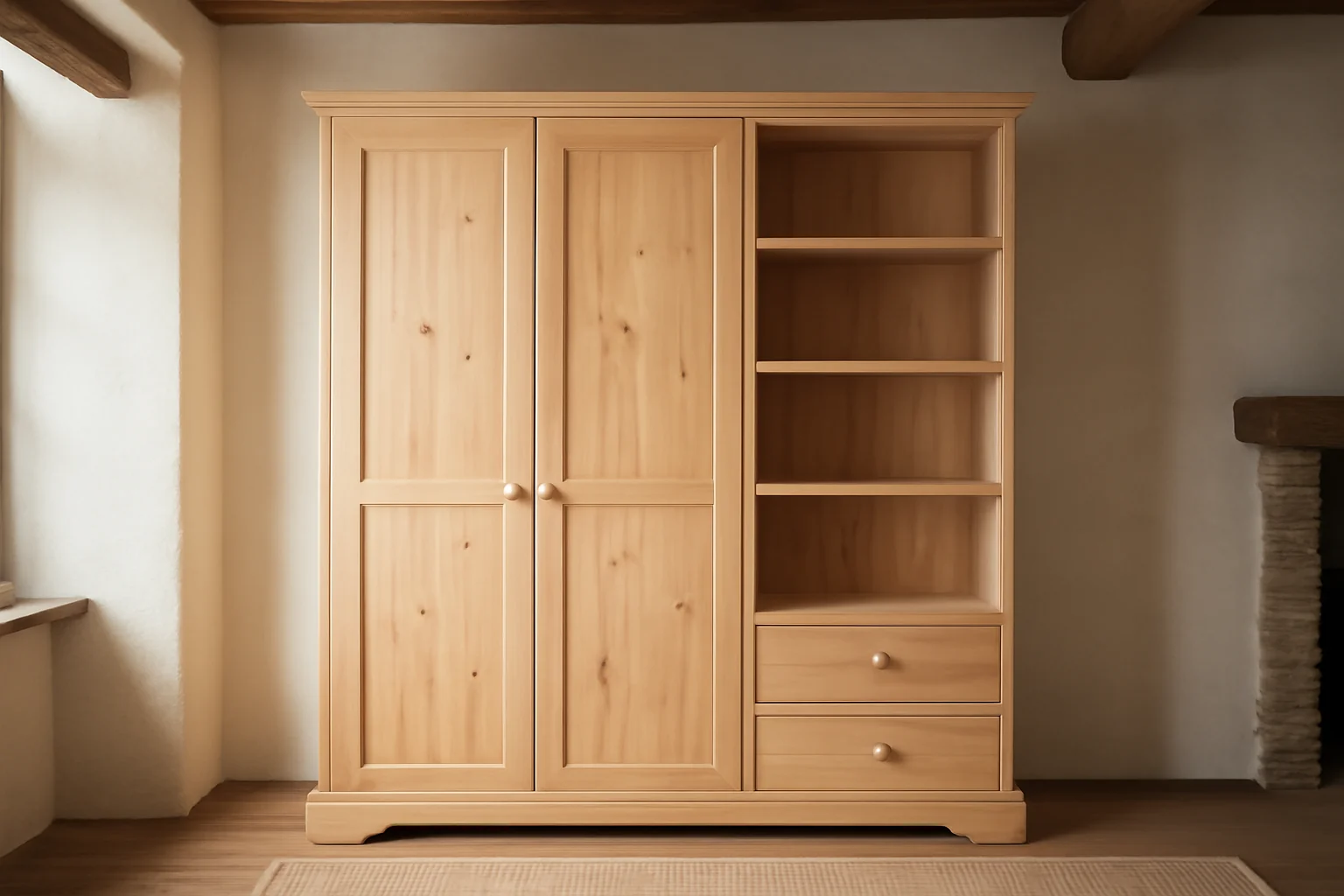
MEBLIX builds custom plywood furniture in its own 600 m² workshop in Almaty, from kitchens and wardrobes to kids' pieces and made-to-measure cabinets. We handle measuring, a 3D project in 1–2 days, cutting, edging, finishing and a trial assembly before delivery, then install with our own crews and sign the acceptance act after installation.
Plywood is not one material but a family of boards. Species, thickness and the type of glue decide where a given sheet belongs — a kitchen run, a wardrobe carcass or a child's desk.
Birch or softwood plywood for a kitchen or a wardrobe
Birch plywood gives a denser, smoother core that holds screws and takes a clean finish, while softwood plywood is lighter and shows a coarser grain with softer edges. Birch faces are sanded even, so oil or paint sits without blotching across the panel. Softwood sheets cost less and suit hidden parts — drawer bottoms, back panels, internal dividers where the surface never shows. For a kitchen or a kids' room the face quality matters more than the species: a sanded birch face hides fewer patches, so it stays even after oiling or painting. Softwood is fine where the board carries no load and stays out of sight.
Plywood thickness for carcasses, shelves and fronts
We match thickness to the load — a sturdier board for carcasses and worktops, a thinner one for fronts and back panels, so shelves do not sag and doors stay light. Carcass sides and fixed shelves take the heavier sheet; door fronts and drawer faces take a lighter one that keeps the hinge under less strain. A shelf that spans a wide opening needs either a thicker board or a stiffener underneath. Picking thickness by span, not by habit, is what keeps a plywood cabinet flat over time. Every sheet is cut, edged and trial-assembled in our 600 m² workshop before it leaves for the site.
Plywood compared with chipboard by task
Side-by-side material behaviour by furniture task| Property | Plywood | Chipboard (LDSP) |
|---|
| Edge strength | Holds screws at the edge | Needs edging to hold |
|---|
| Moisture tolerance | Better around sinks and windows | Swells if the core gets wet |
|---|
| Surface | Visible wood grain | Uniform laminate finish |
|---|
| Weight | Lighter for the same span | Heavier panels |
|---|
| Best use | Kitchens, kids' rooms, open shelves | Flat fronts, budget carcasses |
|---|
What we build with plywood furniture and how far sizes can go
Plywood suits almost any carcass task, from a kitchen run to a child's bed. The real question is not whether the material works but how to fit a piece to a specific room.
Kitchens, wardrobes and kids' furniture in plywood
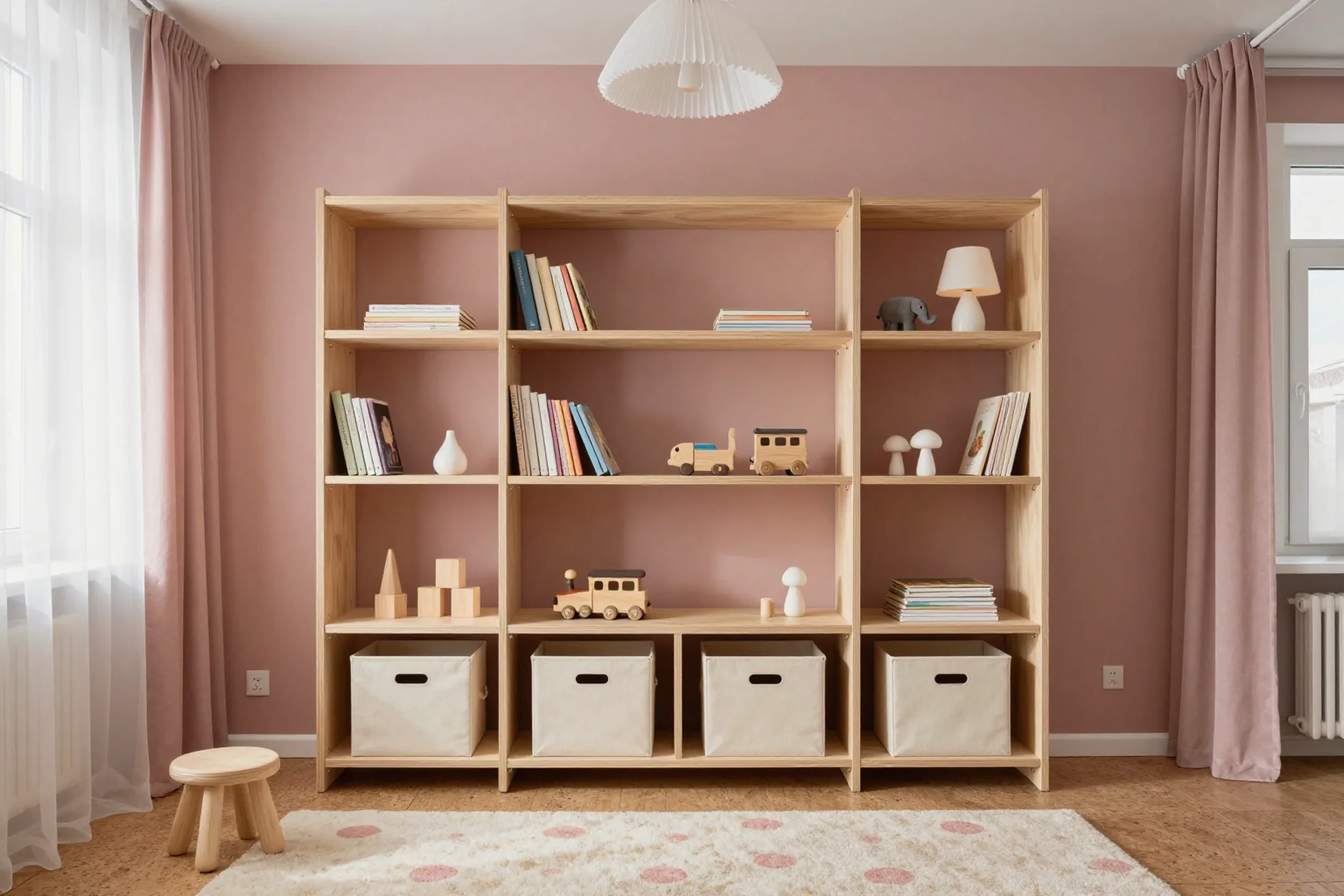
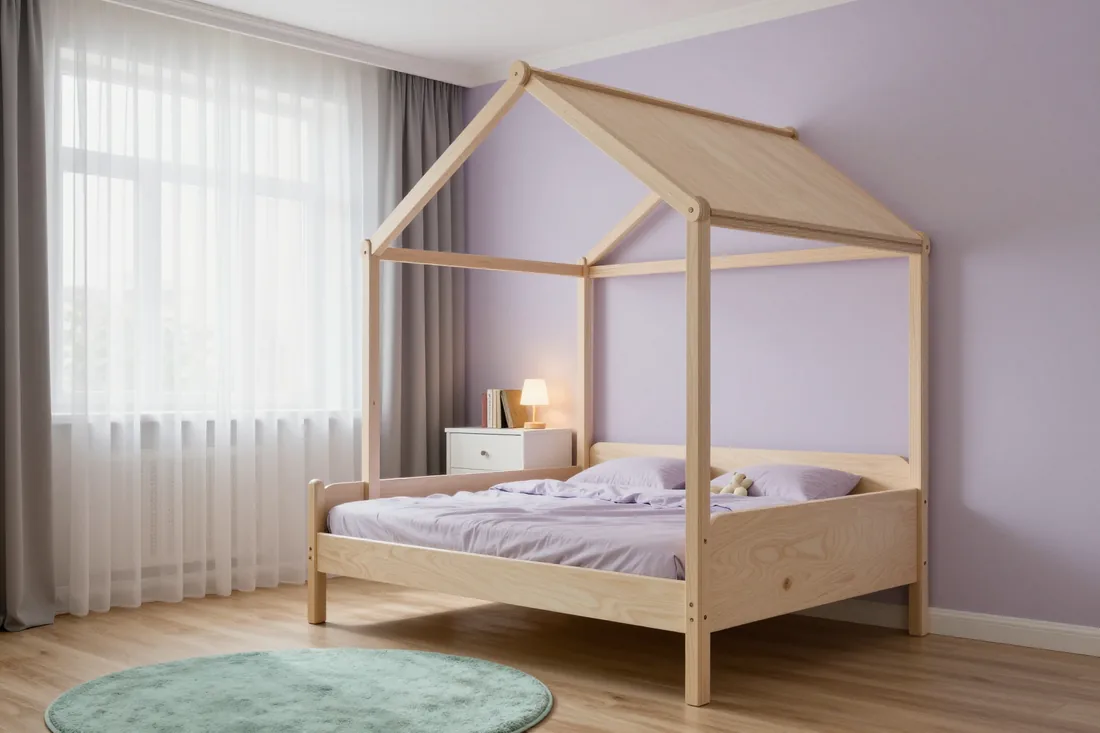
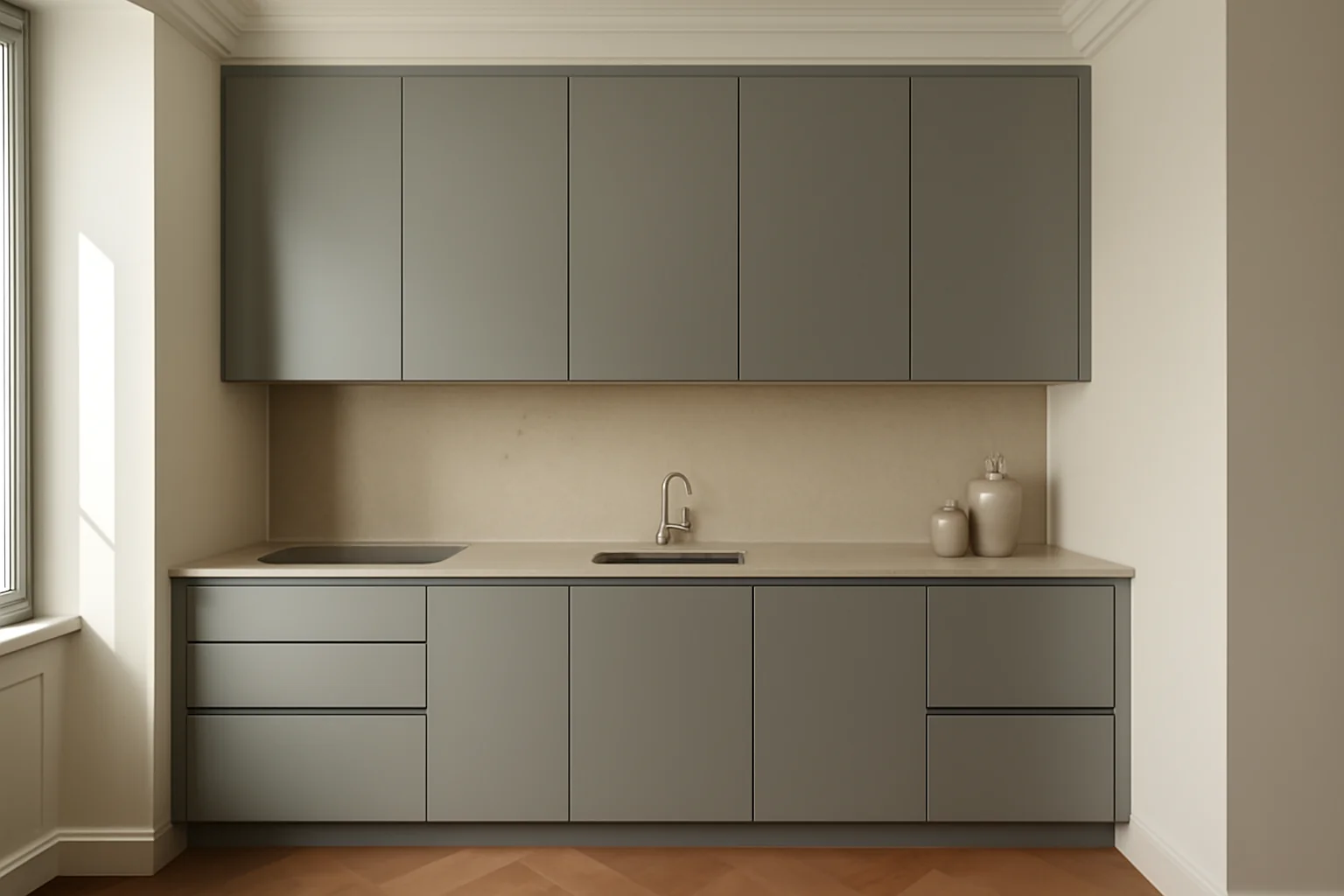
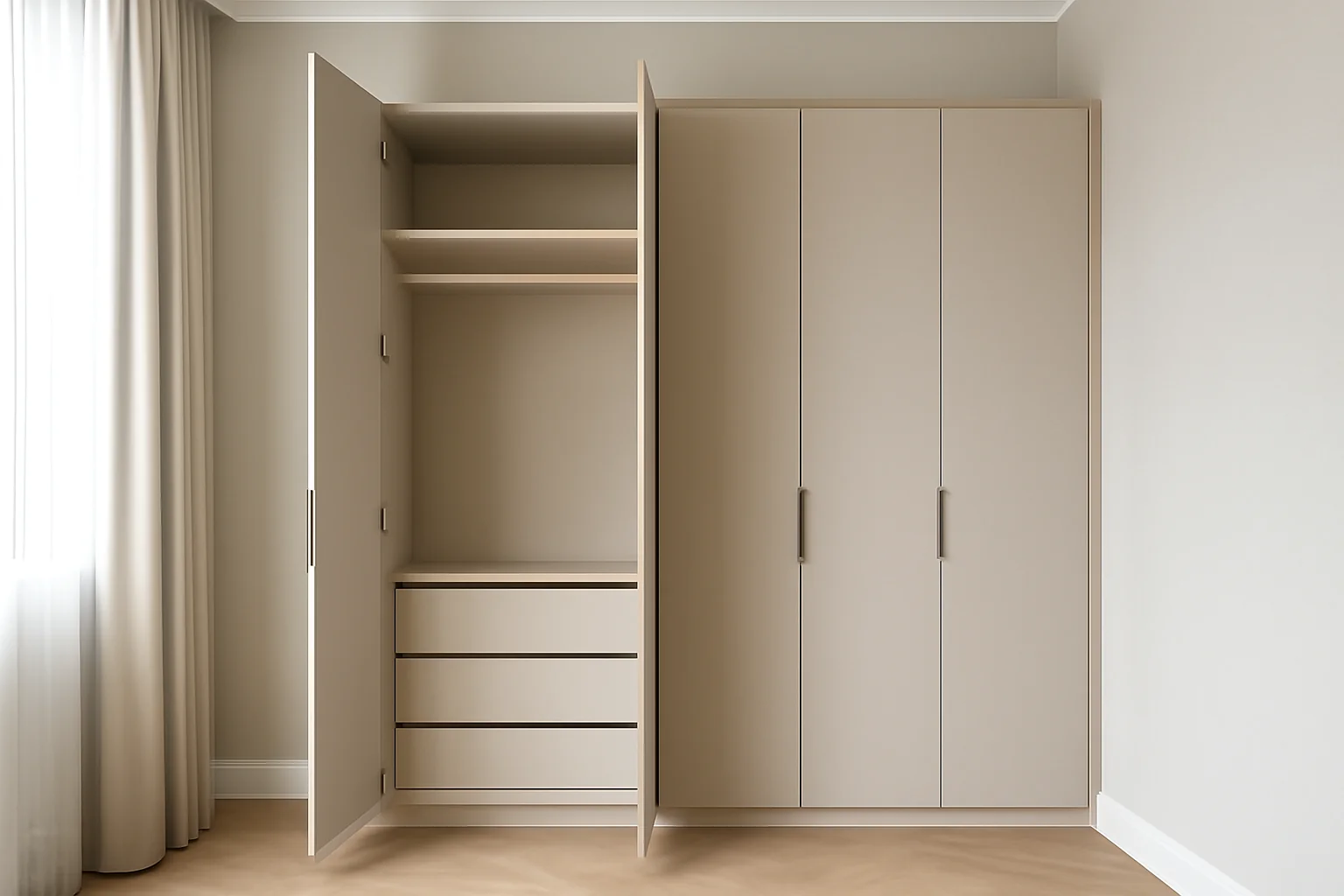
We build kitchens, wardrobes, chests of drawers, sideboards and kids' beds from plywood, and a moisture-resistant grade keeps a kitchen front stable near the sink. Birch plywood carries the load on shelves and carcasses, while softwood grades cover painted panels and hidden structure. Over 13 years in the city we have completed more than 3,500 projects, among them 900+ kitchens and 800+ wardrobes, so the joinery details for each type are already worked out in the workshop. Custom plywood furniture lets us tune every carcass to the room, and a plywood kitchen works best when the wet zone gets a sealed finish and the carcass edges are closed, so splashes never reach the core.
Made-to-measure pieces for awkward rooms
We cut to the millimetre, so sloped ceilings, niches and short walls become usable storage instead of gaps you cover with a curtain. Bespoke plywood furniture earns its place in attic bedrooms, under-stair alcoves and narrow hallways where a standard module leaves 10–15 cm of dead space on each side. The free measuring visit and 3D project take 1–2 days, and the drawing shows every angle before a single panel is cut. The trick with an awkward corner is to design the carcass around the fixed obstacle first and fit the doors last, so nothing has to be trimmed on site.
Where plywood is the wrong choice
Plywood is a poor fit for a fully hidden budget carcass or a surface that must be perfectly uniform, where a flat laminate panel does the job with less fuss. A chipboard body behind closed doors costs less and stays flatter across a wide span, and humidity swings in an apartment affect it no more than they affect plywood once the edges are sealed. Oil, lacquer or paint all change the face of the panel, so a piece chosen purely for its raw look may end up under a finish that hides the grain anyway. If a piece will sit in constant standing water or take heavy abrasion, neither plywood nor chipboard is the answer — the material choice should follow the real conditions, not the look.
Finishing, edge treatment and care for plywood furniture surfaces
The coating decides how a plywood surface handles moisture and daily wear, and the treatment of the cut face decides how long the piece lasts. Here is how we approach both.
Oil, lacquer or paint for a plywood surface
We choose between oil, lacquer and paint by room — oil for a natural, touch-up-friendly result, lacquer for a harder sealed surface, paint when you want a solid colour. Oil soaks into the birch face and keeps the grain visible, which suits dining tables and open shelving. Lacquer builds a film on top and takes more knocks on a kitchen front, and it can be matched to any RAL shade. Paint hides patches of uneven veneer, so it works where the face is not the feature. A busy kitchen gets lacquer on the fronts and oil only on shelves away from the hob. An oiled panel can be refreshed locally without stripping the whole sheet, while a lacquered one needs a full re-coat if it wears through.
How we close and finish the edges
We band and sand every exposed cut in the workshop, so the layered cross-section is sealed against moisture and reads as a clean line rather than a raw, splintery slice. Plywood is built up in layers, and the open section soaks up water through the end grain far faster than the flat face ever will. We cut and edge-band in our own 600 m² workshop, then sand the banding flush by hand so the transition to the veneer disappears under the coating. Radiused corners get the same treatment: a rounded outer line on a shelf is banded before sanding, never left open. An unsealed section drinks water far faster than the face, so sealing it matters most on a piece that lives near a sink.
Day-to-day care for an oiled or lacquered piece
- Wipe spills promptly: standing water is the main enemy of any wood-based panel, so mop up within minutes.
- Use a damp cloth: mild soap in warm water handles everyday marks, while harsh solvents dull the surface.
- Re-oil worn spots: a light coat on a dry patch restores an oiled top without stripping the panel.
- Let a fresh coat cure: give a newly oiled top time before heavy use, and keep dishes off it at first.
- Keep heat sources away: trivets and mats under hot pans protect the surface near the hob.
How an order runs from measuring to installation
The order moves along a clear route, and at each step there is a point where you see the result before you pay the balance.
What the free measuring visit and 3D project include
We measure on site and prepare a 3D project in 1–2 days free of charge, so you see the layout, proportions and finish while the plywood is still uncut. The visit covers full dimensions of the room, the position of sockets and switches, and how doors and drawers will swing in the actual space. From those numbers we build the 3D model with the chosen plywood, edge profile and finish, so the drawing matches what you will receive. A measuring visit is also where hidden obstacles surface — pipes, sockets, uneven surfaces — and catching them at this stage is what keeps the finished piece flush.
Cutting, edging and trial assembly in our workshop
In our 600 m² workshop we cut, edge, finish and then trial-assemble the piece prior to dispatch, so fit problems are solved at the bench rather than in your room. Cutting, edging and painting all happen under one roof, which means a changed panel does not wait on an outside supplier. Prior to dispatch the item goes through a full trial assembly: carcass, shelves, fronts and drawers go together exactly as they will in your home, and we check the joints and the edge lines by eye and by hand. A trial assembly catches a misaligned hinge or a tight drawer while the part is still on the bench, which is far cheaper to fix than after delivery.
Delivery, installation and the acceptance act
Our own crews deliver and install the piece, and we sign the acceptance act only after installation, so you check the result before the remaining payment. Delivery across Almaty and up to 30 km is free on a large order, and beyond that distance there is a surcharge — the threshold and terms are on the Delivery and Payment page. The crew levels the carcass, fixes it to the surface where needed, adjusts the doors and connects the hardware on site. Walk the whole assembly before signing — open every door and drawer, check the edges and the alignment — because the act is the moment the job is formally closed. If something needs adjusting, the crew fixes it on the spot before the paperwork is signed.
Hardware, warranty and ordering direct from the workshop
Plywood sets the body of the piece, but the feel of it comes from the mechanisms and the terms behind the order. Here is what we fit, what the warranty covers, and how a direct order is paid.
Which hardware goes on plywood fronts and drawers
We fit Blum hinges, lift systems and drawer runners, with Hettich and Boyard as alternatives, because a plywood front is only as smooth as the mechanism behind it. Concealed mounting keeps the inside of the carcass clean for shelves and dividers, and dampers on the runners carry the daily load. Hettich covers the mid-range build, Boyard the budget one, and we name the exact model in the specification before the panels are cut. A heavier solid-wood front loads the hinge differently from a thin panel, so the mechanism should be matched to the door weight, not picked by brand alone. Tell us the front thickness at measuring — it decides the hinge cup and the runner rating.
Warranty on the piece and on the hardware
The piece carries a 24-month warranty under the contract, and Blum hardware keeps its manufacturer's 25-year warranty, so the two cover different parts of the same cabinet. Our term applies to the carcass, the fronts and the assembly we do in the workshop and on site; the Blum term applies to the hinges, lift systems and drawer runners supplied under that name. Hettich and Boyard parts follow their own producer terms, which we state in the specification. Keep the contract and the hardware paperwork together — a warranty claim is only as strong as the document that names the part and the term. Keep the label on the runner or hinge; the model code is what a claim is checked against.
Ordering direct, payment steps and rush jobs
You order straight from our workshop, pay 50 % up front and the rest after signing the acceptance act, by bank transfer, and a rush order is possible when the schedule allows. We are a direct producer: measuring, cutting, edging, finishing and installation are done by our own team, and we do not resell ready-made furniture. The second payment follows the act because the act is signed only after the installers finish on site, so the balance tracks a completed job. Rush work depends on the current load in the 600 m² workshop and on the material in stock, so ask about it at the measuring visit. Ordering direct means the people who measure, build and install are the same team, with no middle layer to relay a problem through.
The bottom line on plywood furniture
Five points decide whether a plywood piece holds up over years of daily use. Check each one before signing off on a project.
- Match the plywood to the room: species, thickness and glue type follow where the piece will stand, from a humid kitchen to a dry bedroom.
- Finish and edges decide durability: a sealed edge and the right coating keep moisture out of the core board.
- Sizes can follow the walls: made-to-measure pieces turn awkward corners, slopes and niches into usable storage.
- A clear process removes risk: measuring, a 3D project, trial assembly and an acceptance act keep every stage visible before installation.
- Check hardware and terms: the hinge, runner or lift mechanism and the warranty belong to the product, not to an afterthought.