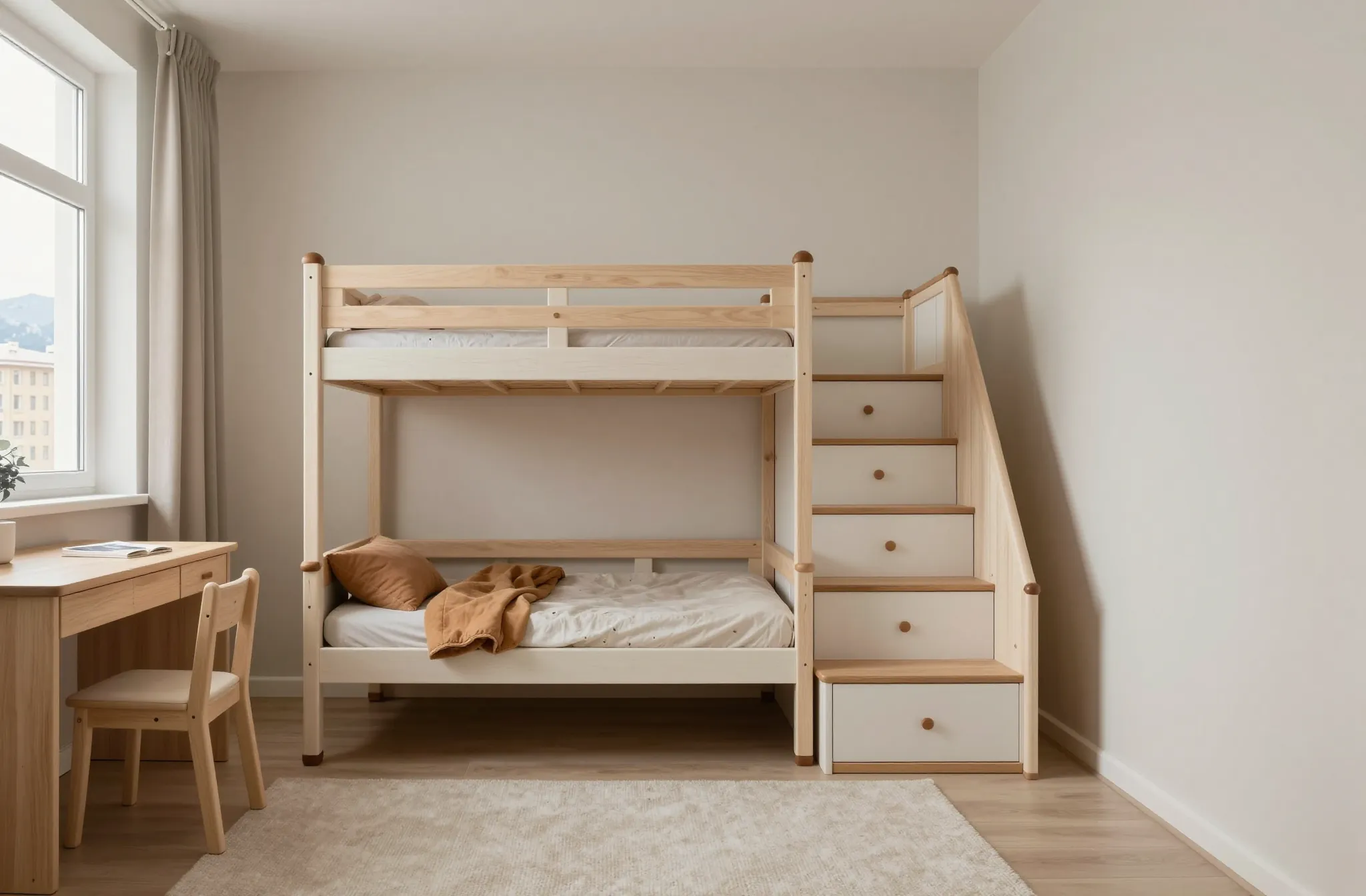
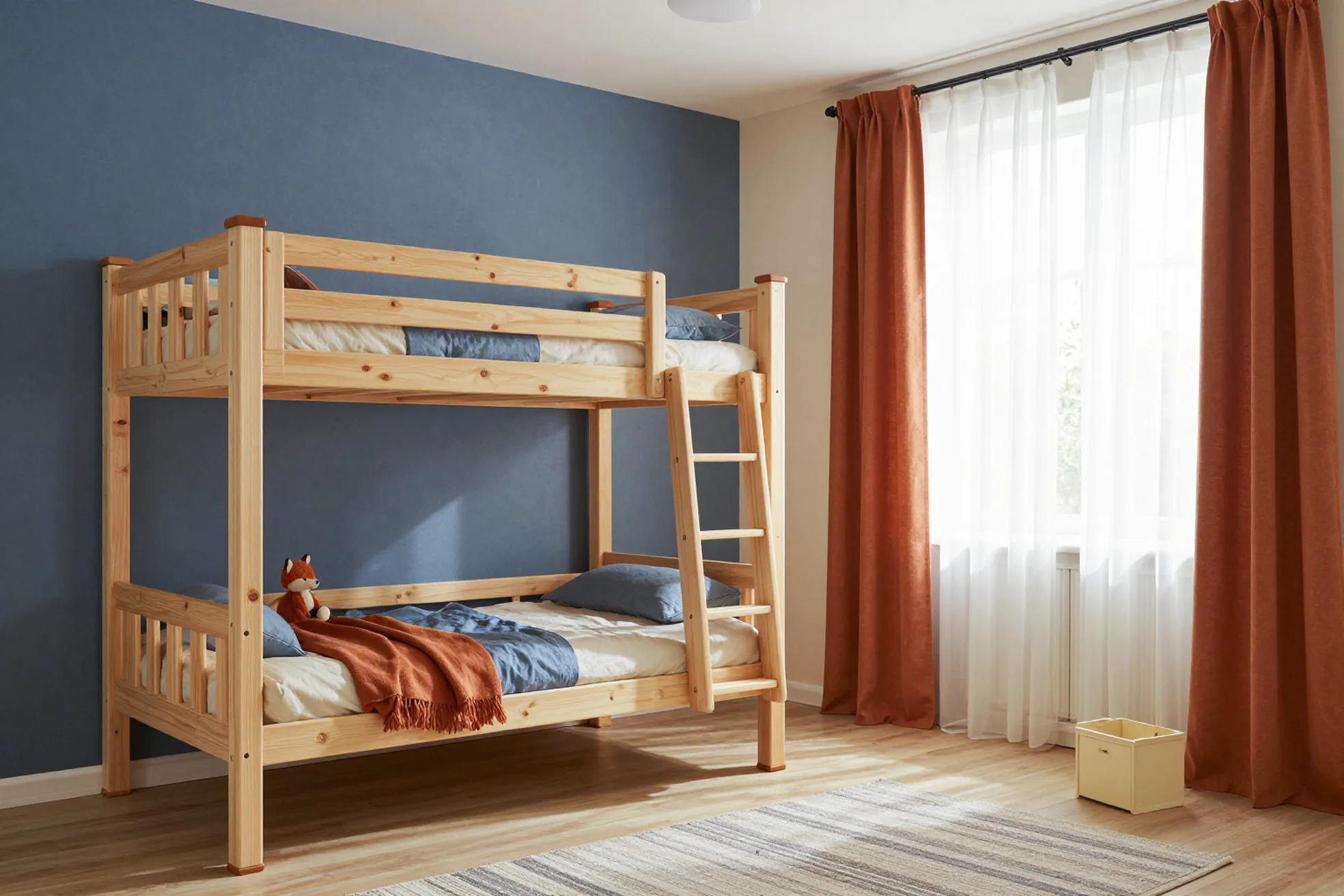
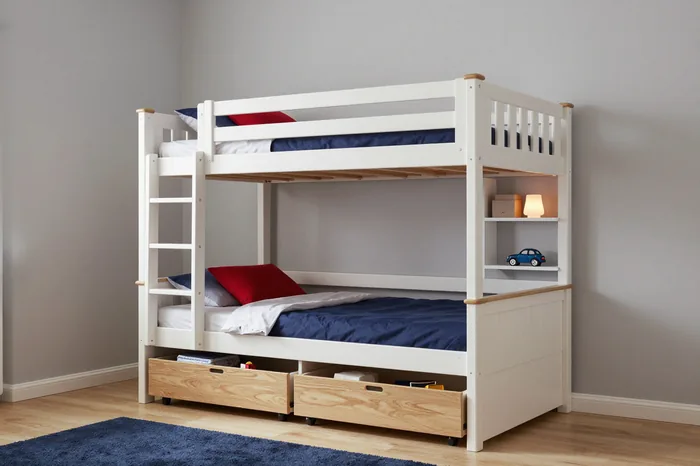
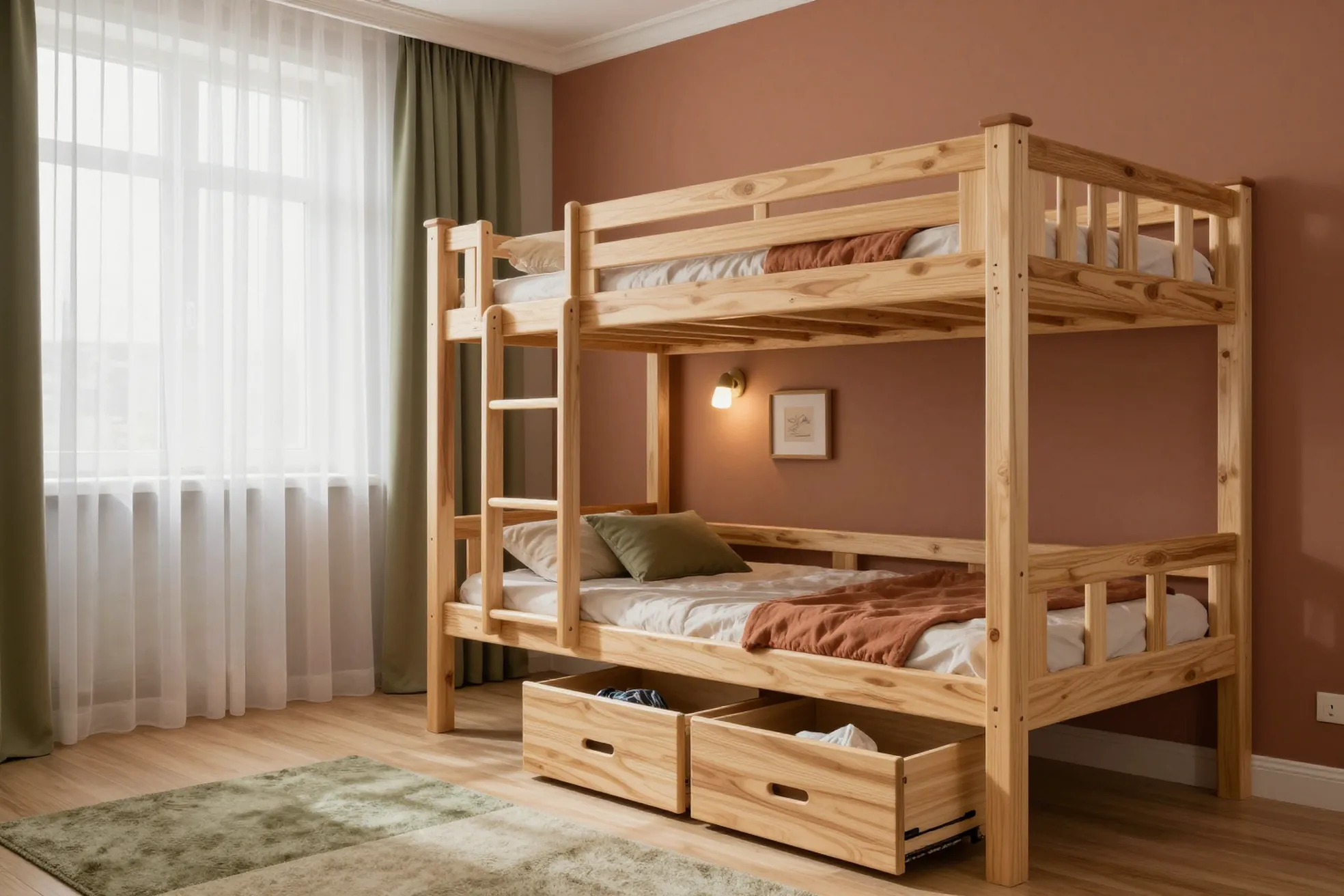
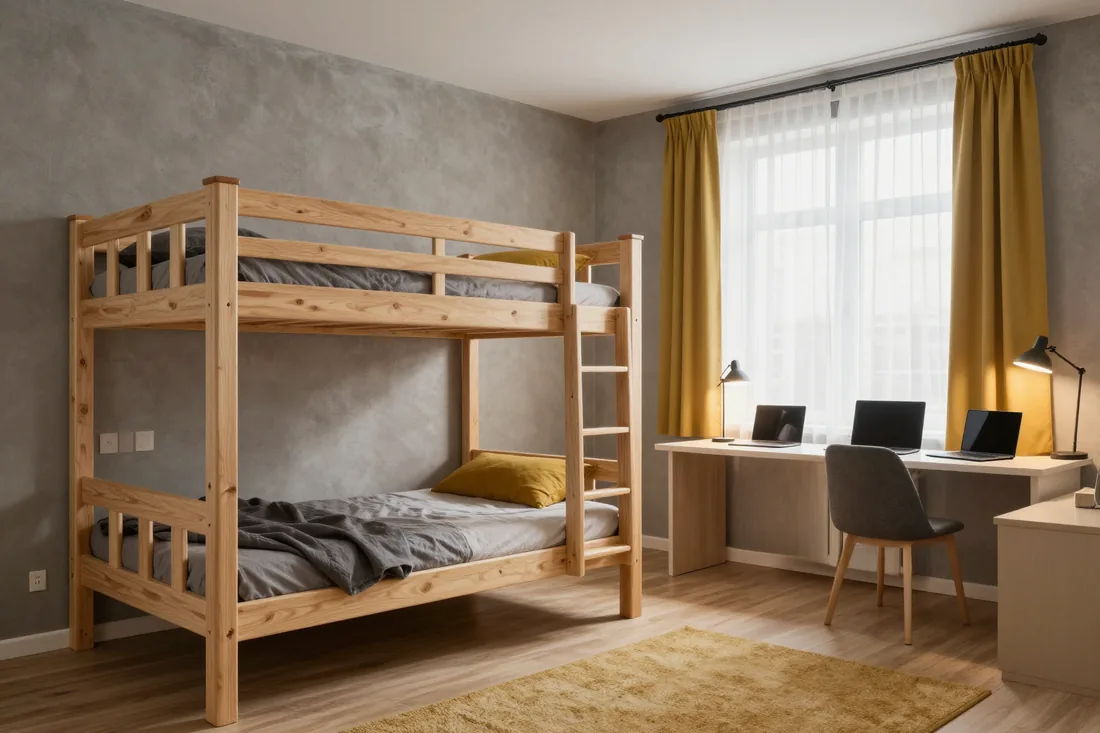
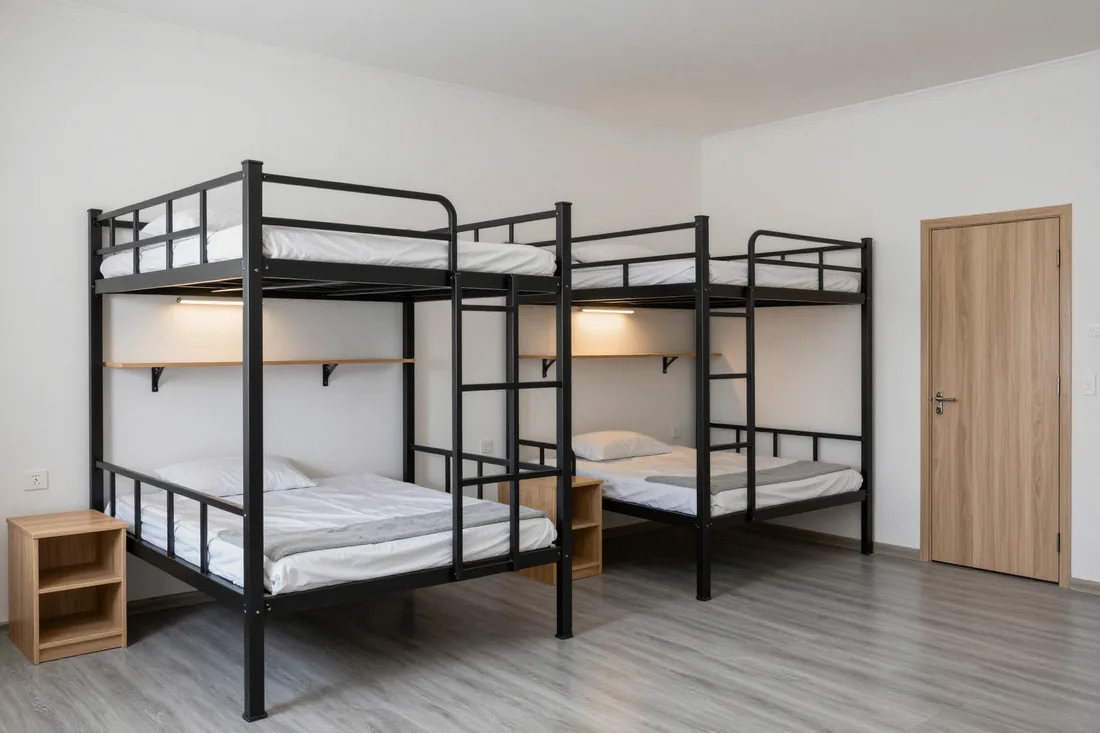
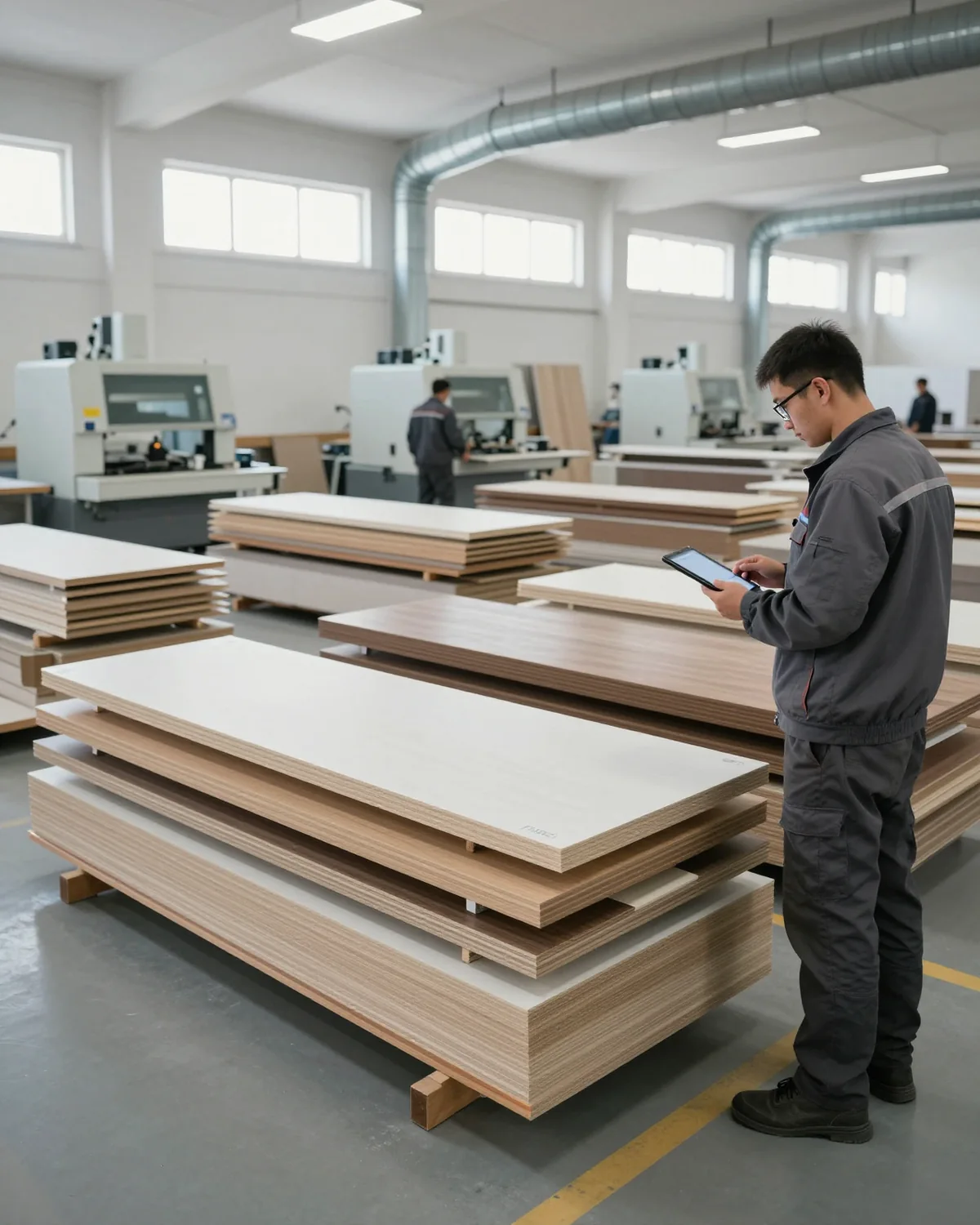
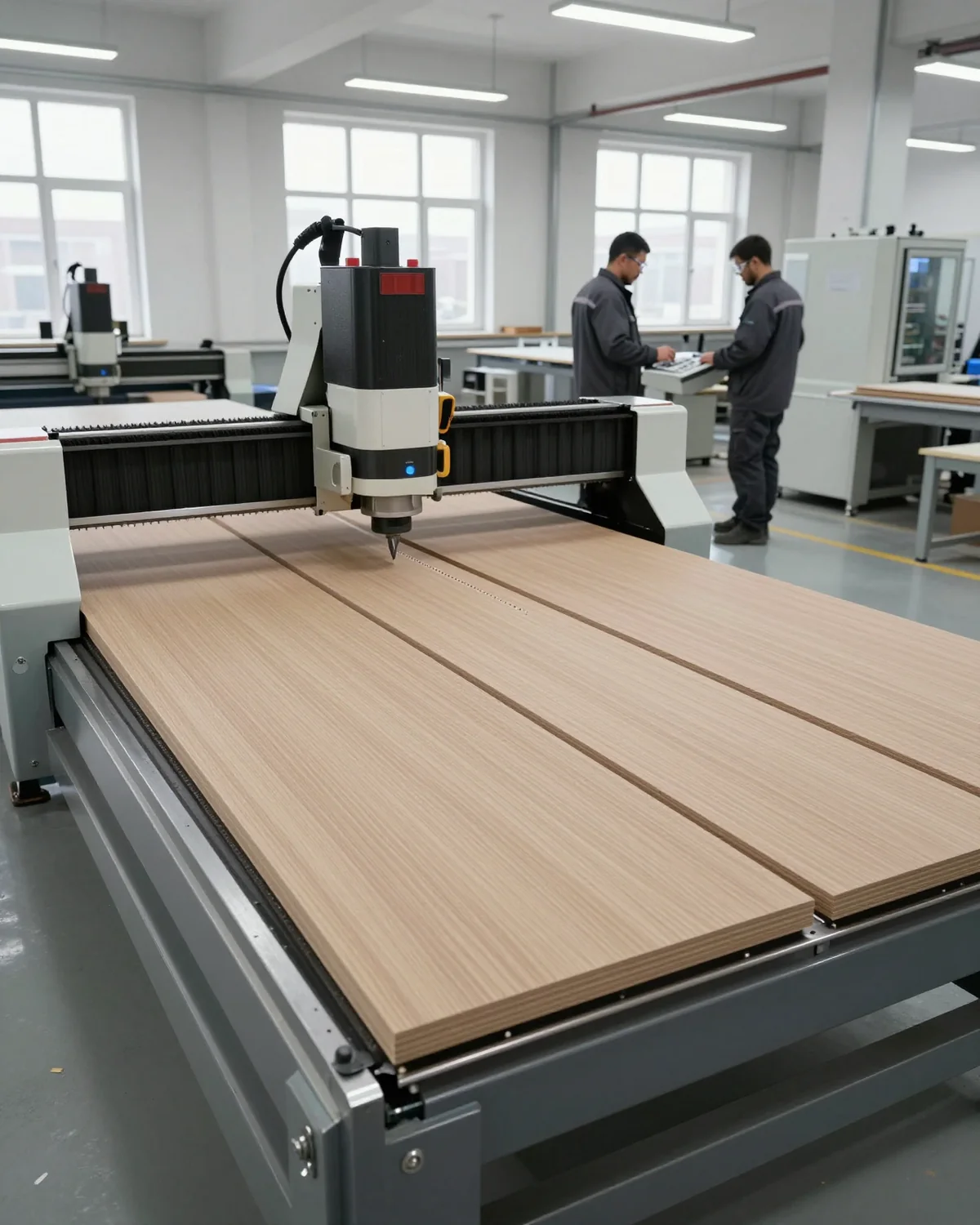
MEBLIX makes bunk beds to the exact size of your room. We run our own 600 m² workshop, measuring is free, the 3D design is ready in 1–2 days, our own crews do the installation, and every bed comes with a 24-month warranty under the contract. We work with Egger and Kronospan boards and with Blum, Hettich and Boyard hardware.
A ready-made bed is designed for an "average" room; a custom one is built for yours. Here is what that changes in practice, from the geometry of your walls to how long the bed lasts.
Why a ready-made bed doesn't always fit
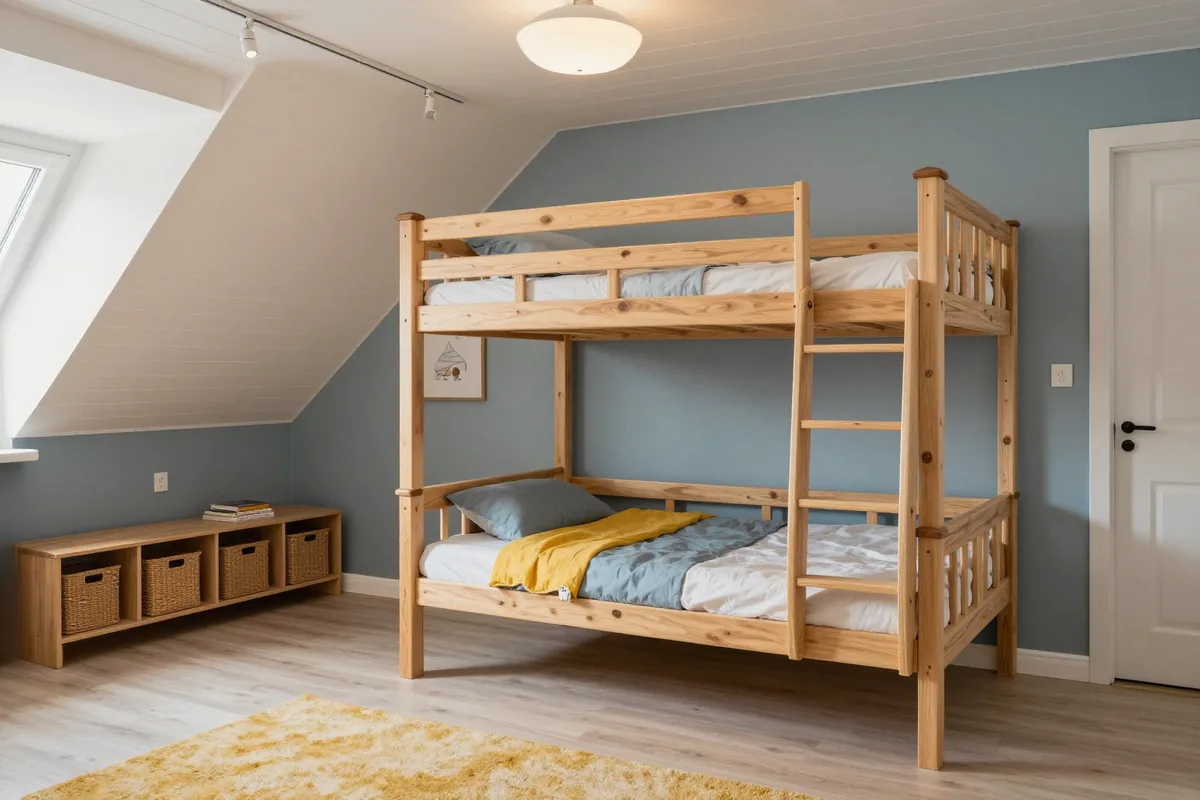
An off-the-shelf bunk bed is sized for a standard opening, so in a room with an alcove, a sloping roof or uneven walls it leaves gaps. Real rooms rarely match a standard box: there's a radiator sticking out by the window, a ventilation shaft in the corner, a wall that wanders by a couple of centimetres along its length. Each of these eats into usable space. A 2–3 cm gap along the wall isn't just unsightly: it collects dust and swallows small toys. That is why a custom bunk bed starts with a measuring visit, not a standard template.
How measuring and a 3D design deal with an awkward room
We measure the room as it really is, allowing for the alcove, the slope, the radiator and any bowing in the walls, and we show you a 3D design within 1–2 days, before any board is cut. The measurer records not only length and width but also how far the walls lean out of true, where the sockets and radiator are, and the ceiling height at the lowest point of a sloping ceiling. Our production engineers carry this into the design, so you can see where the ladder goes, whether the door on the lower level opens and whether there is still a way through to the window. The design is signed off before production, so "it doesn't fit" or "it doesn't look like the picture" comes up on screen rather than after installation.
What building to the room's dimensions gives you
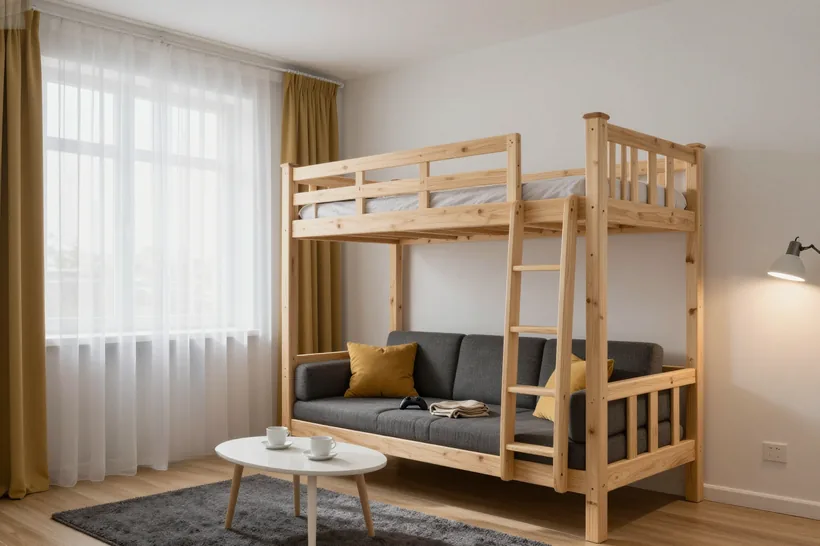
- Fitted into an alcove: the bed fills the recess wall to wall, with no side gaps or filler strips to gather dust.
- Under a sloping roof: we set the upper bunk back from the slope so nobody bumps their head and no height is wasted.
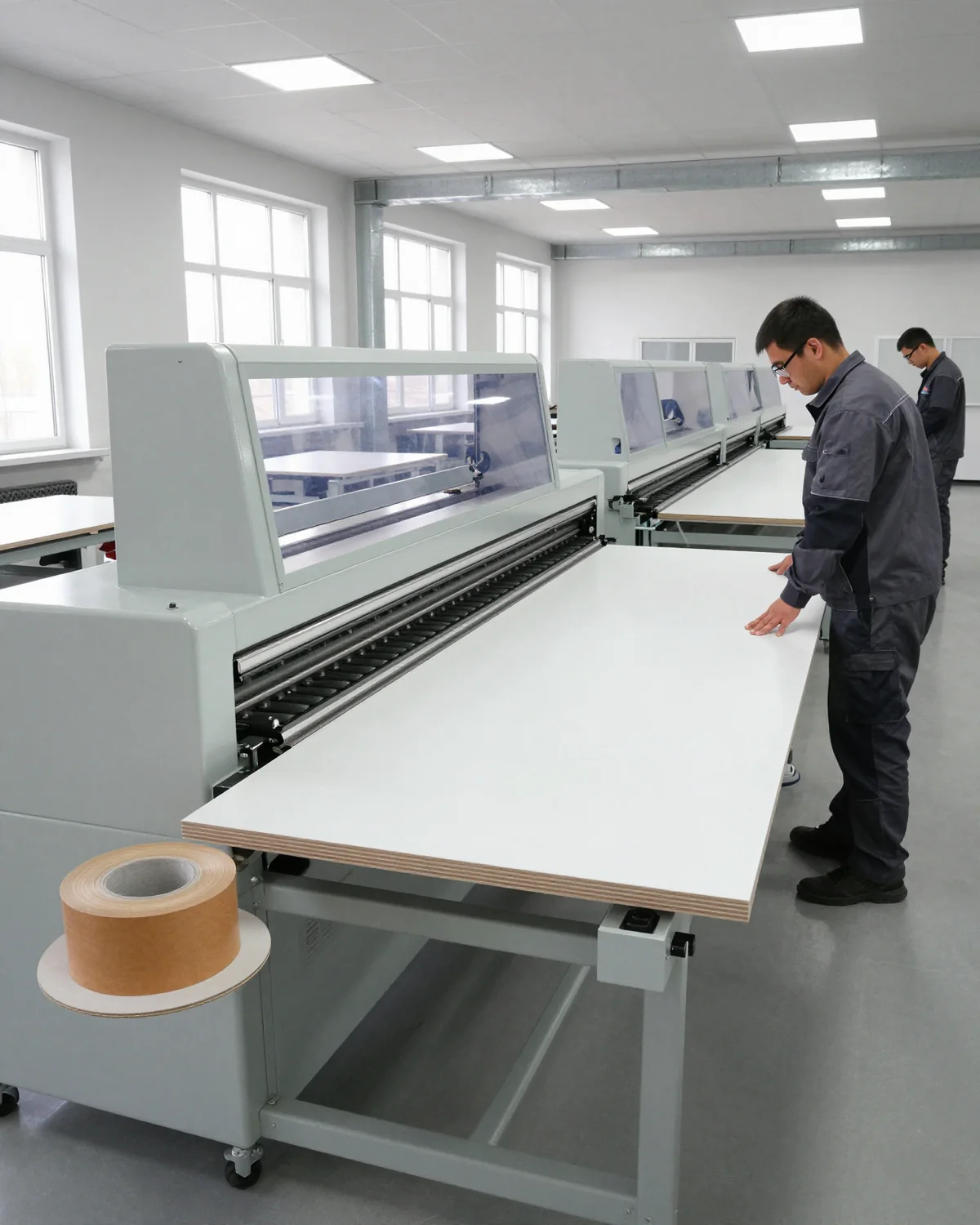
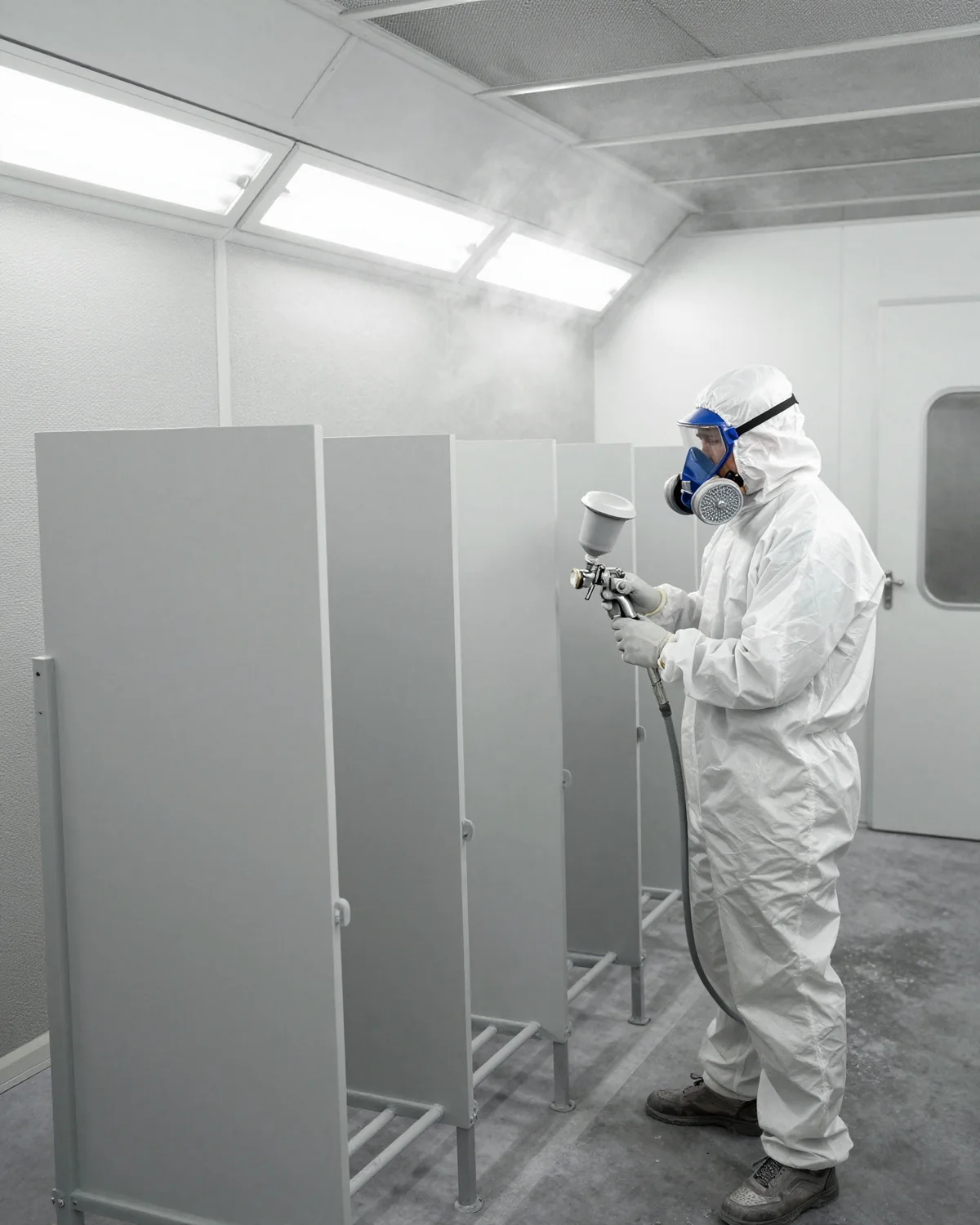
- Our own 600 m² workshop: cutting, edging, painting and test assembly all happen in one place, so dimensions don't drift between subcontractors.
- Every centimetre used: the space above the ladder and beside the lower bunk becomes shelving rather than a gap by the wall.
Bunk bed structure and safety
The upper bunk means load, a ladder and a safety rail. Here is what actually makes a bunk bed safe, and why fixings and joints matter more than how the fronts look.
How much load the upper bunk carries
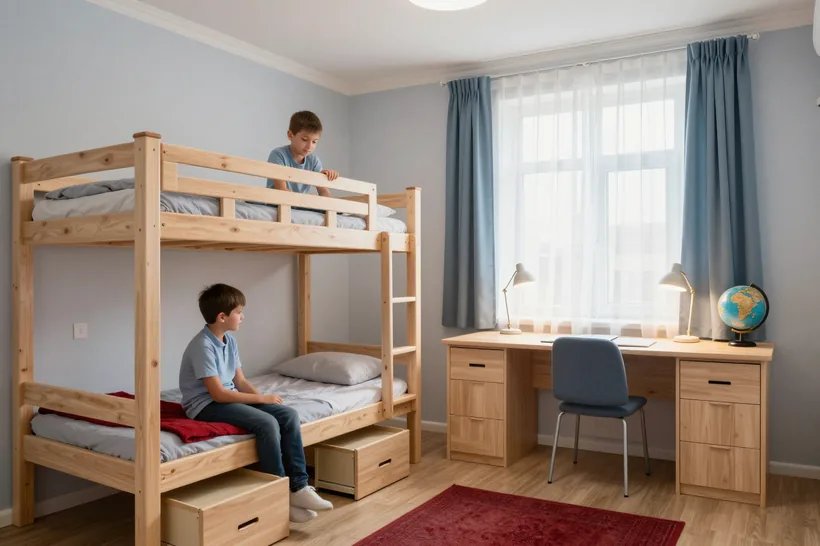
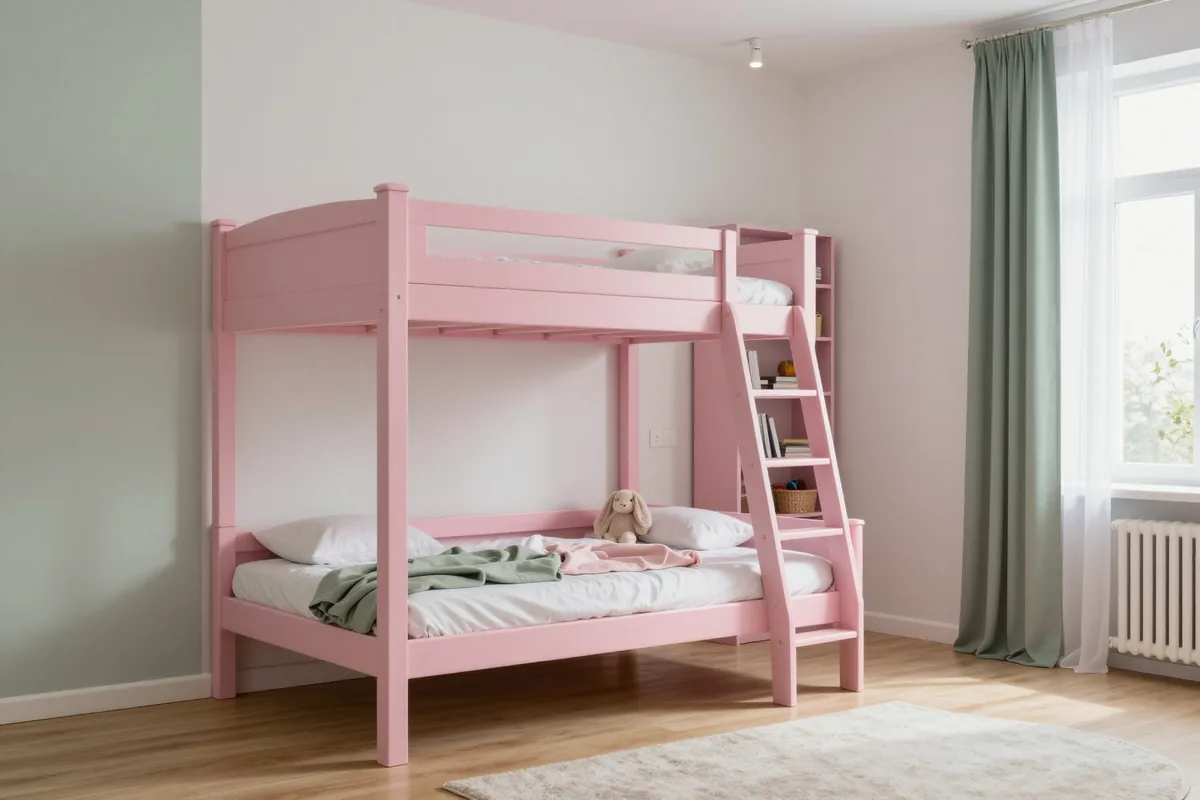
We design the upper bunk for the sleeper's weight with a margin to spare. Its strength comes from the slatted base and the joints between the levels, not just from board thickness. Each bed is built for its actual span: the wider the section, the more slats in the base and the more often it is fixed to the posts. That is why we specify the number of slats and the spacing between them in the design instead of relying on sheet thickness. Sagging comes not from weight but from cutting corners on base supports.
Rail and ladder: what makes the top bunk safe
- Rail height: we set it for the child's height so they can't roll out in their sleep but can still straighten the duvet themselves.
- Step spacing: matched to leg length, because steps that are too high force a child to haul themselves up and steps that are too low break the rhythm of climbing.
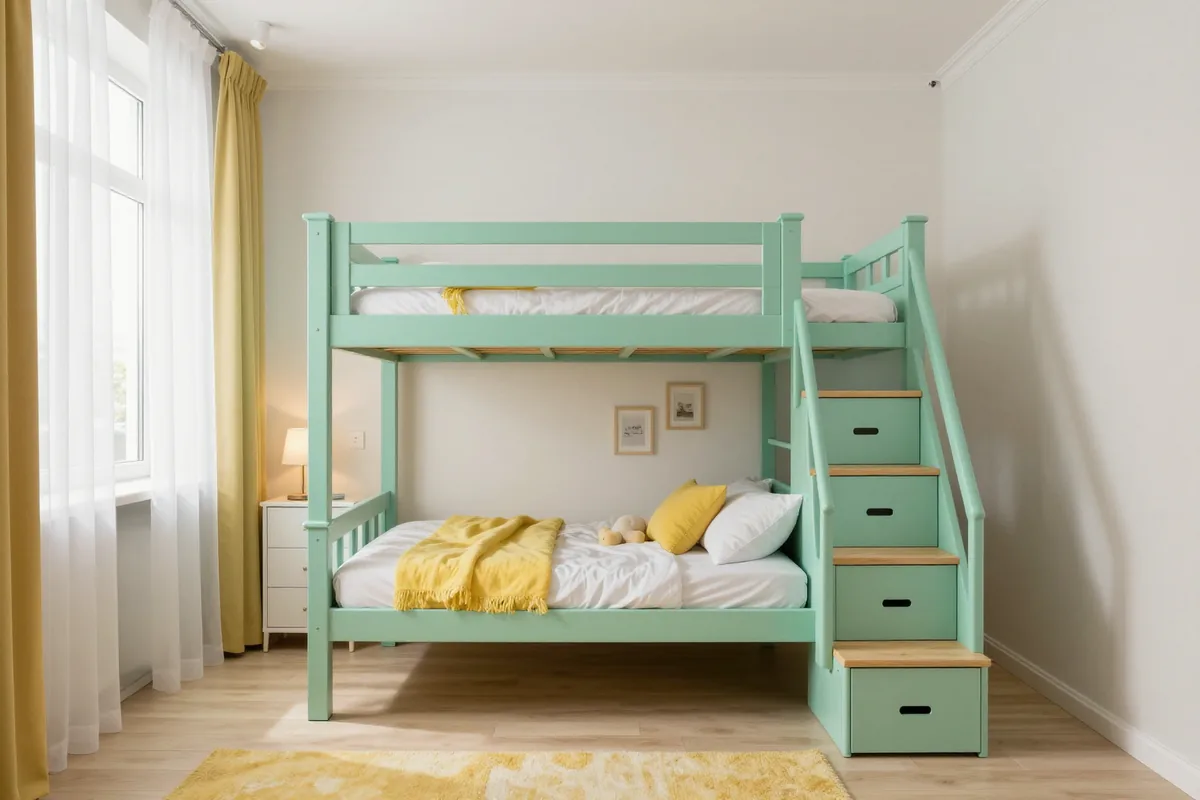
- Built-in ladder: it stays out of the walkway and is fixed to the main frame, a good choice when there are only a few centimetres to spare along the wall.
Fixings that stop the bed wobbling and creaking
We use Blum, Hettich and Boyard joints and hardware, because they keep the structure rigid and stop it creaking as people move. The posts are tied together with connectors at several points up their height, not just at floor level and at the top frame. The more fixing points there are, the less the bed moves when someone climbs the ladder. Blum hardware carries a 25-year manufacturer's warranty, and the whole bed has a 24-month warranty under the contract.
Materials and hardware for bunk beds
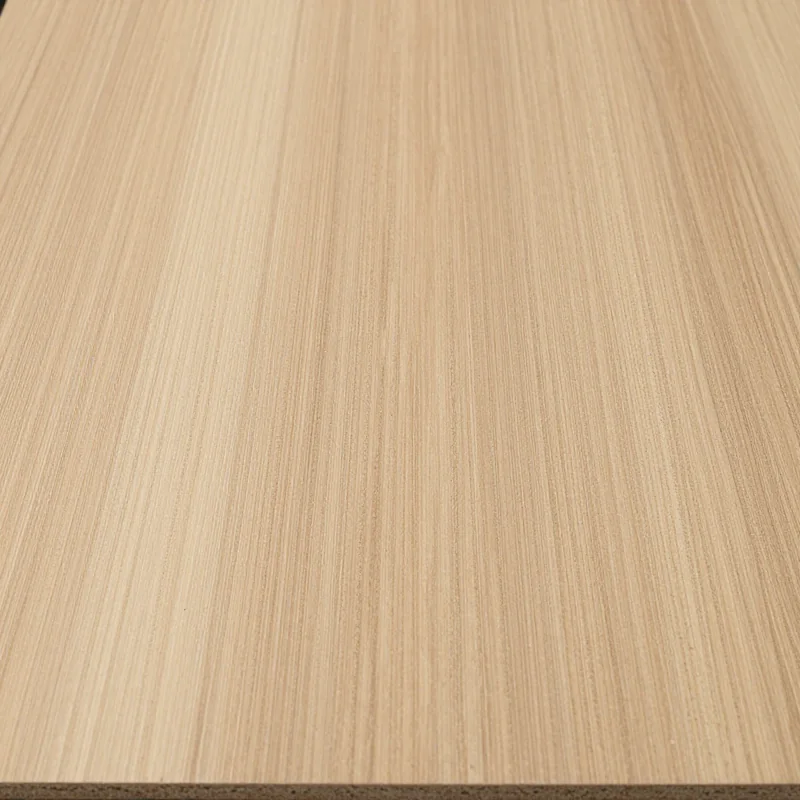
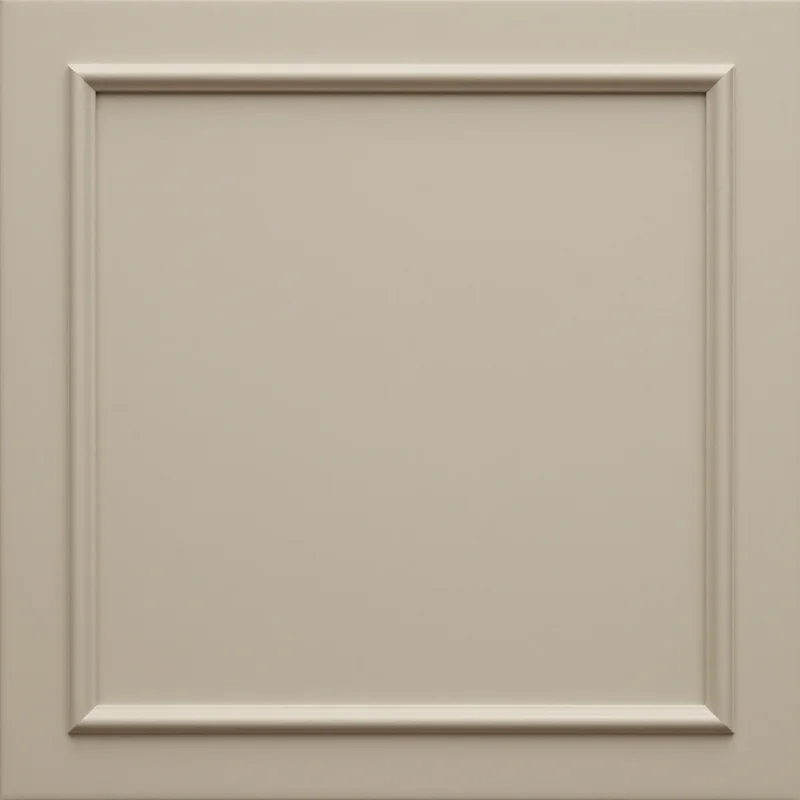
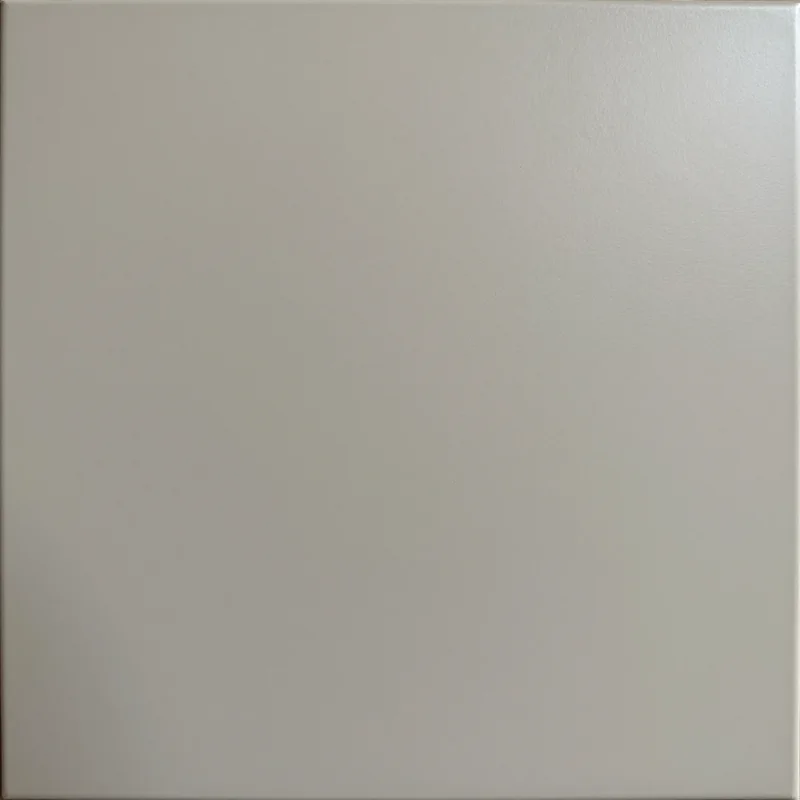
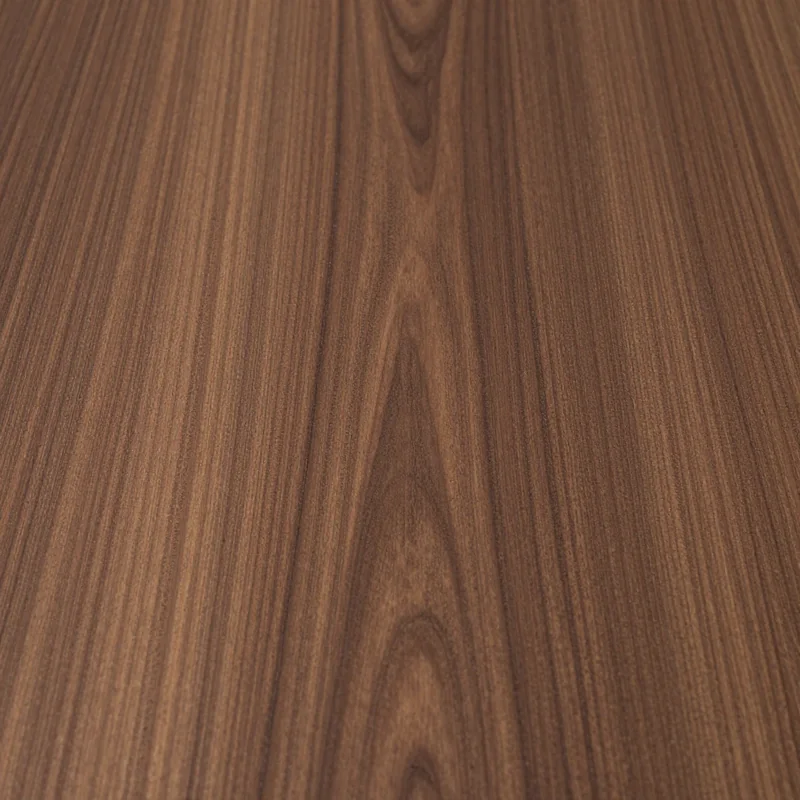
The carcass material and the hardware decide how the bed behaves with two people sleeping in it: whether it takes the weight and whether it starts creaking after six months. We've put the options in a table.
Which boards we use and why it matters for two levels
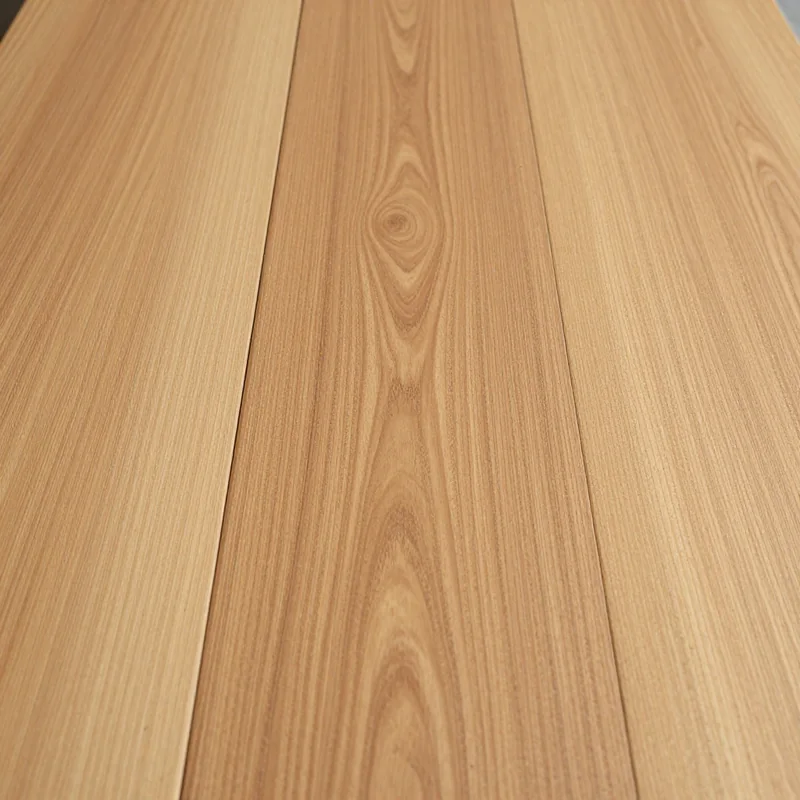
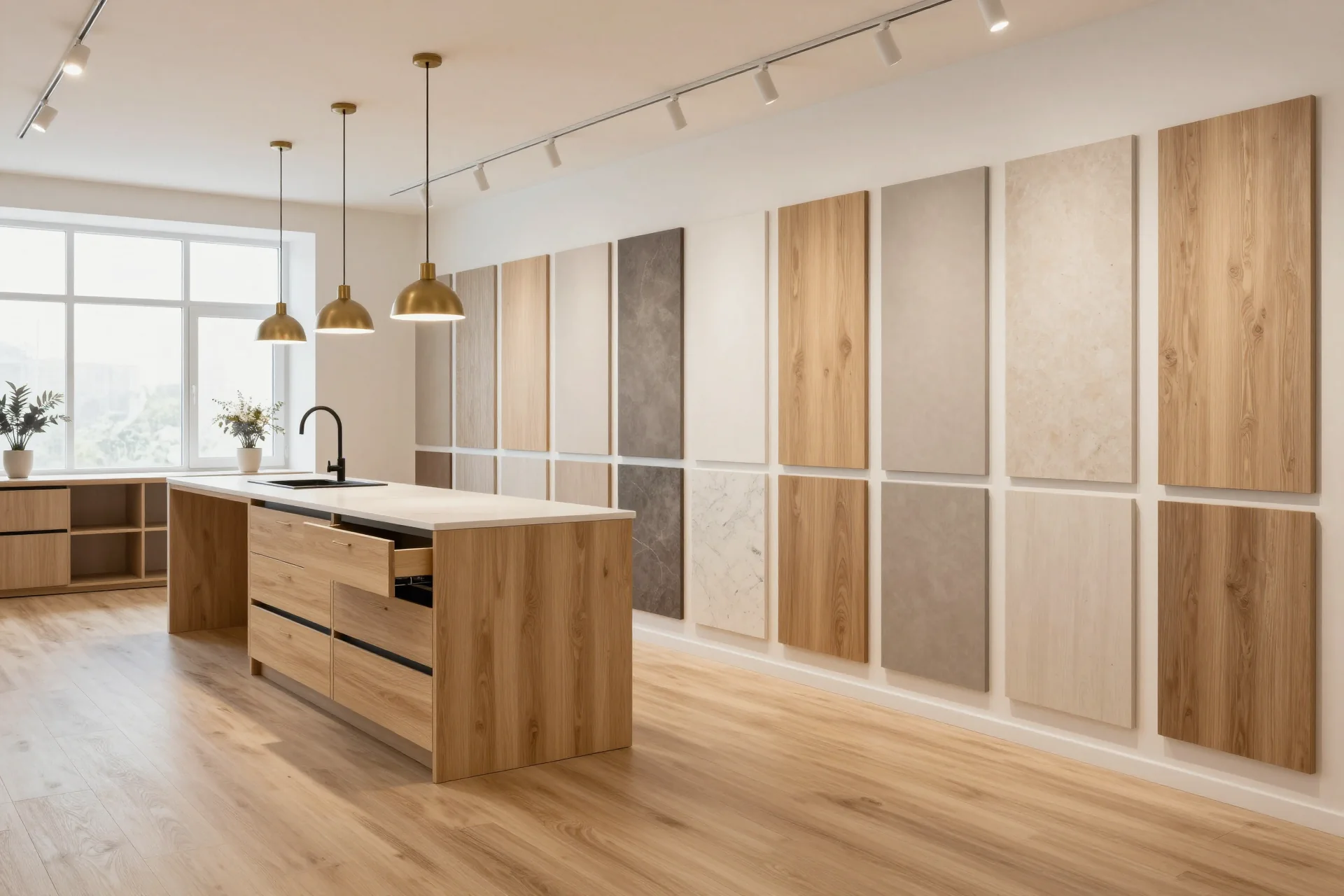
We build carcasses from Egger and Kronospan boards, which hold their shape under the load of the upper bunk without internal reinforcement. Cutting and edging are done in our own 600 m² workshop, so parts come out accurate to the millimetre instead of being trimmed during installation.
Comparing materials
| Material | Lead time | Best for |
|---|
| Chipboard | see the price list on this page | quick orders, a practical kids' room |
|---|
| Wrapped MDF | see the price list on this page | a smooth matt surface, colour to the design |
|---|
| Enamel | see the price list on this page | complex shapes, a painted finish |
|---|
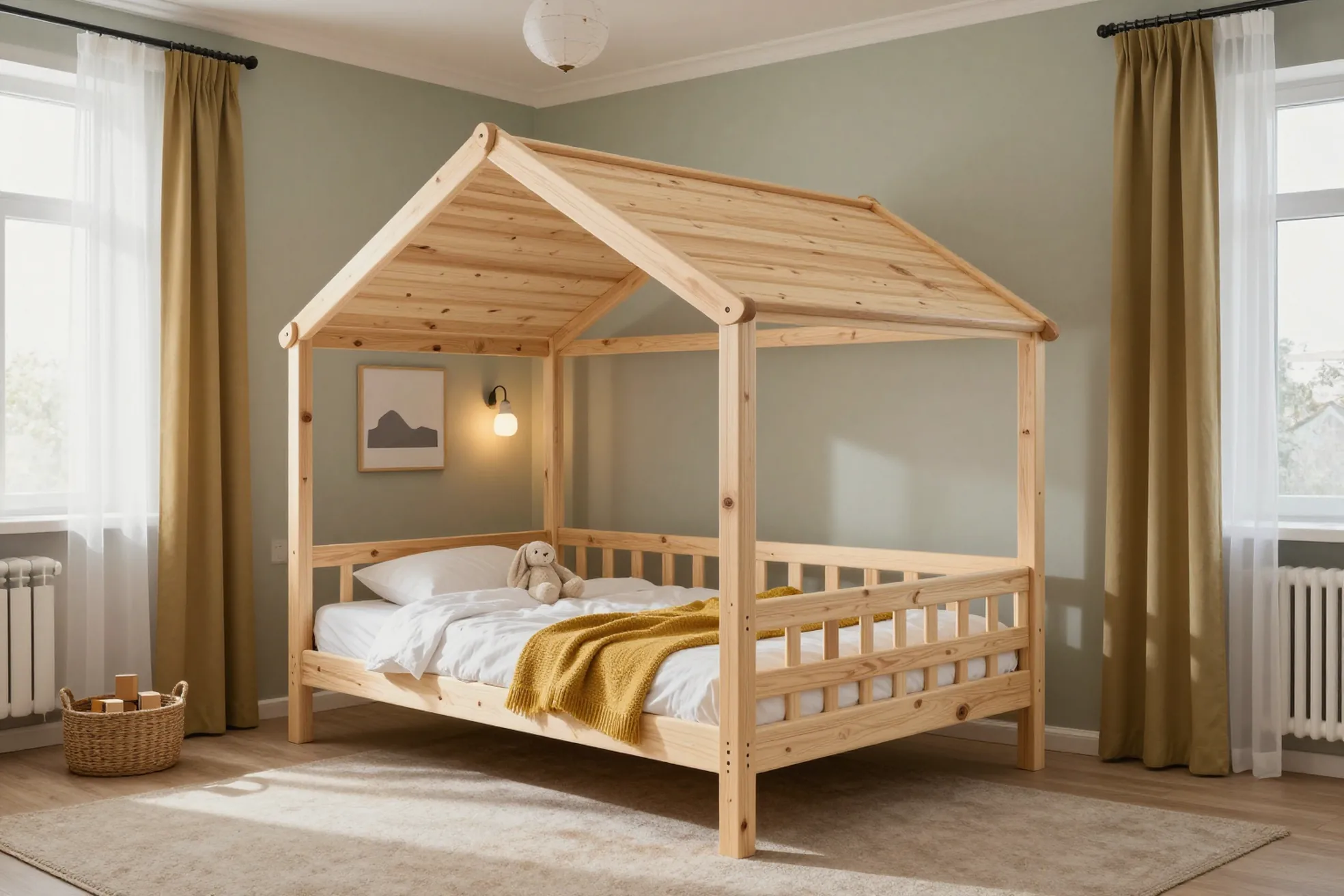
| Solid wood | see the price list on this page | natural timber, maximum strength |
|---|
Which hardware holds two levels together
On a bunk bed the hardware works under constant load, so we fit Blum, Hettich and Boyard. Their connectors and runners are designed for years of repeated loading, so the upper bunk doesn't shift as children climb up and down. That is why we settle the hardware brand and joint layout first and choose the finish to suit the finished frame.
What can go on the lower level instead of a second bed
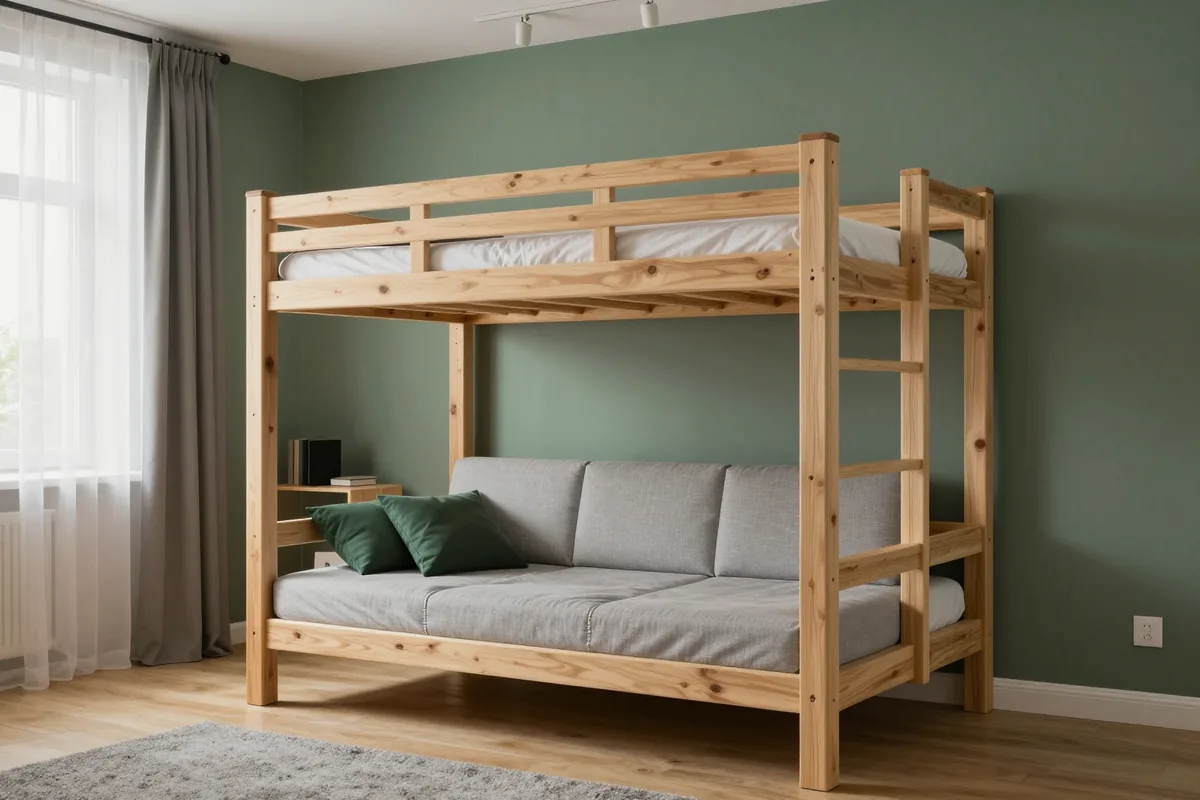
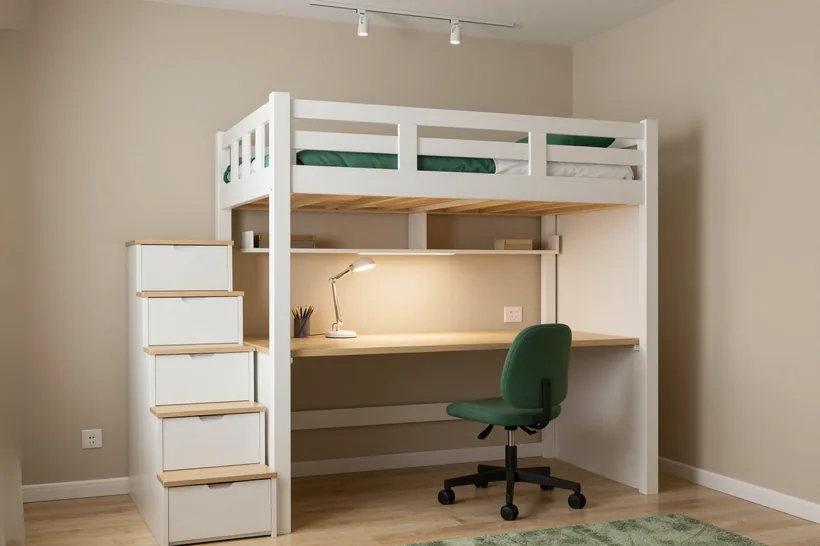
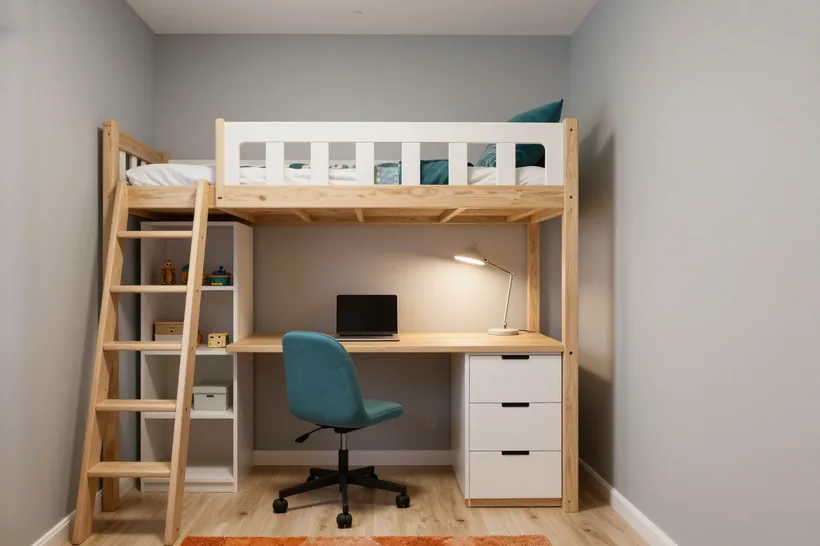
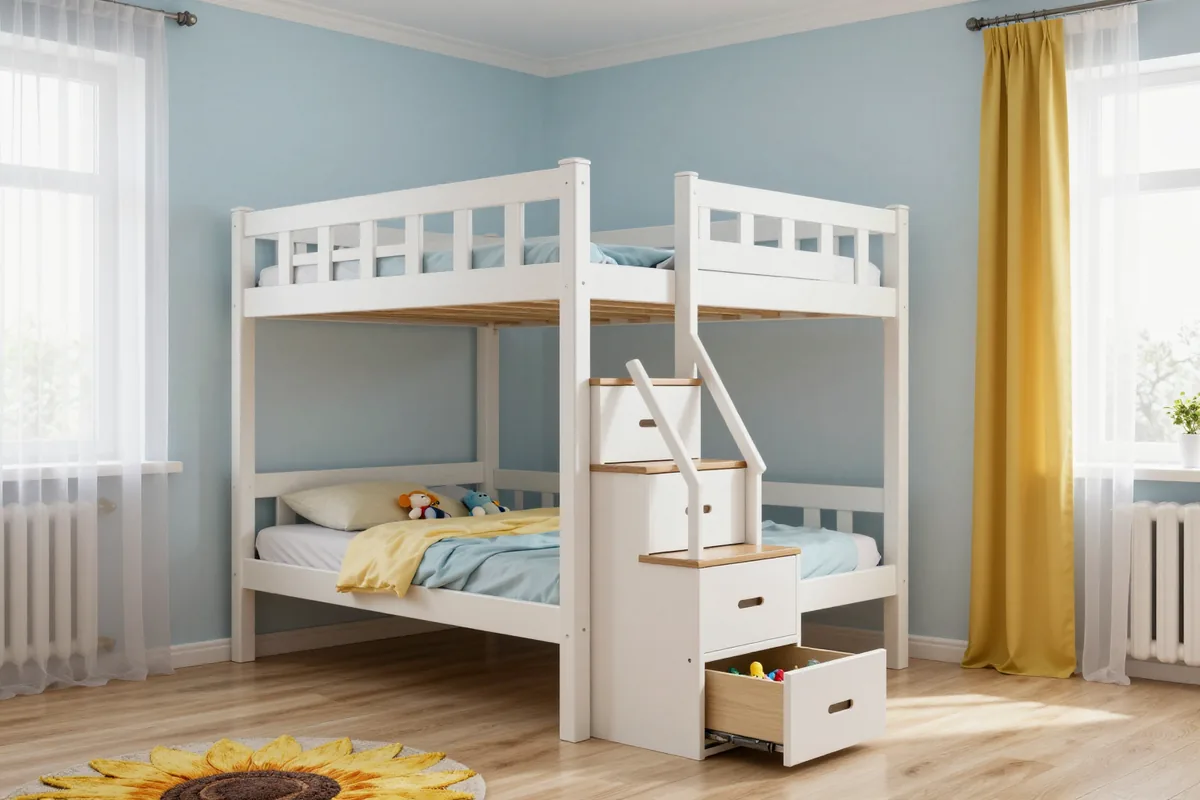
The lower level doesn't have to be a second bed. In a custom design it is planned around what your family needs, whether that is study, storage or play, with the only bed up top.
A workspace on the lower level
- Desk along the wall: the worktop runs along the wall with enough headroom above it for a child to sit, set to their height.
- Sockets for a lamp and charger: we build them into the design from the start; otherwise you end up running an extension lead across the room.
Storage and a play area underneath
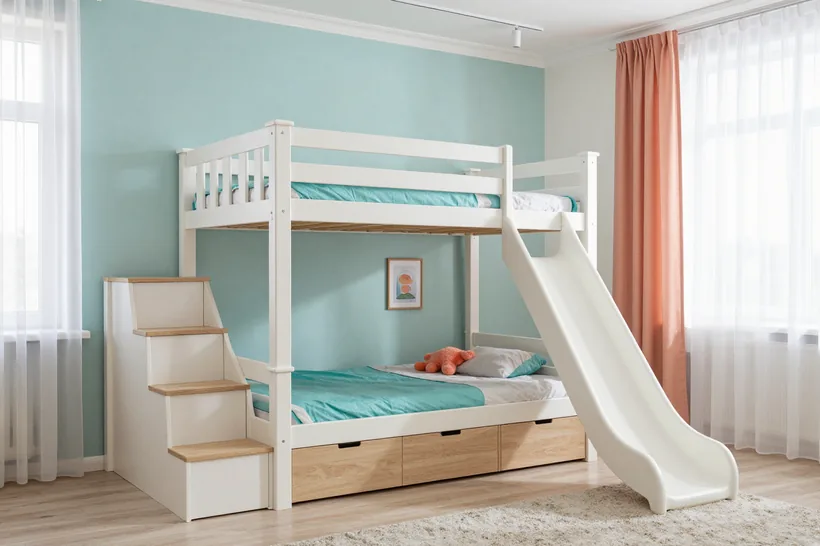
- Pull-out drawers: in a narrow walkway hinged doors can't swing open, while a drawer slides out to its full depth.
- Flush shelving: a model fitted into an alcove fills the space with no side gaps for small things to fall into.
- Play area: if the top bunk is for sleeping, the lower level can be given over to a rug and toy baskets, with storage moved up to a top cupboard above the head end.
Fitting the bed in with the rest of the room
A bunk bed can become part of the room itself, fitted into an alcove or combined with a wardrobe so the whole room reads as one project. Combining a bed with a wardrobe calls for a shared frame: two separate units will eventually pull apart at the seams, while a single carcass keeps its shape. We plan that joint before cutting, because it can't be reworked after installation without losing rigidity.
How the order works and who stands behind the result
Here are the stages in order, from your first enquiry to signing the acceptance certificate, and what the warranty actually covers.
Starting with the measuring visit
We start with a free measuring visit: the measurer takes the room's real dimensions, and our production engineers turn them into a 3D design in 1–2 days. In the design you can see the levels, ladder and rails in place and judge the bed in your interior before anything is cut. Without a visit the design is done from a description, and an alcove or slope only shows up during installation.
Lead times, test assembly and installation
- Depends on the material: the finish sets the lead time, and the exact time for each option is in the price list on this page.
- What can't be rushed: drying and painting, since enamel and solid wood need their curing time, and we don't cut that stage short.
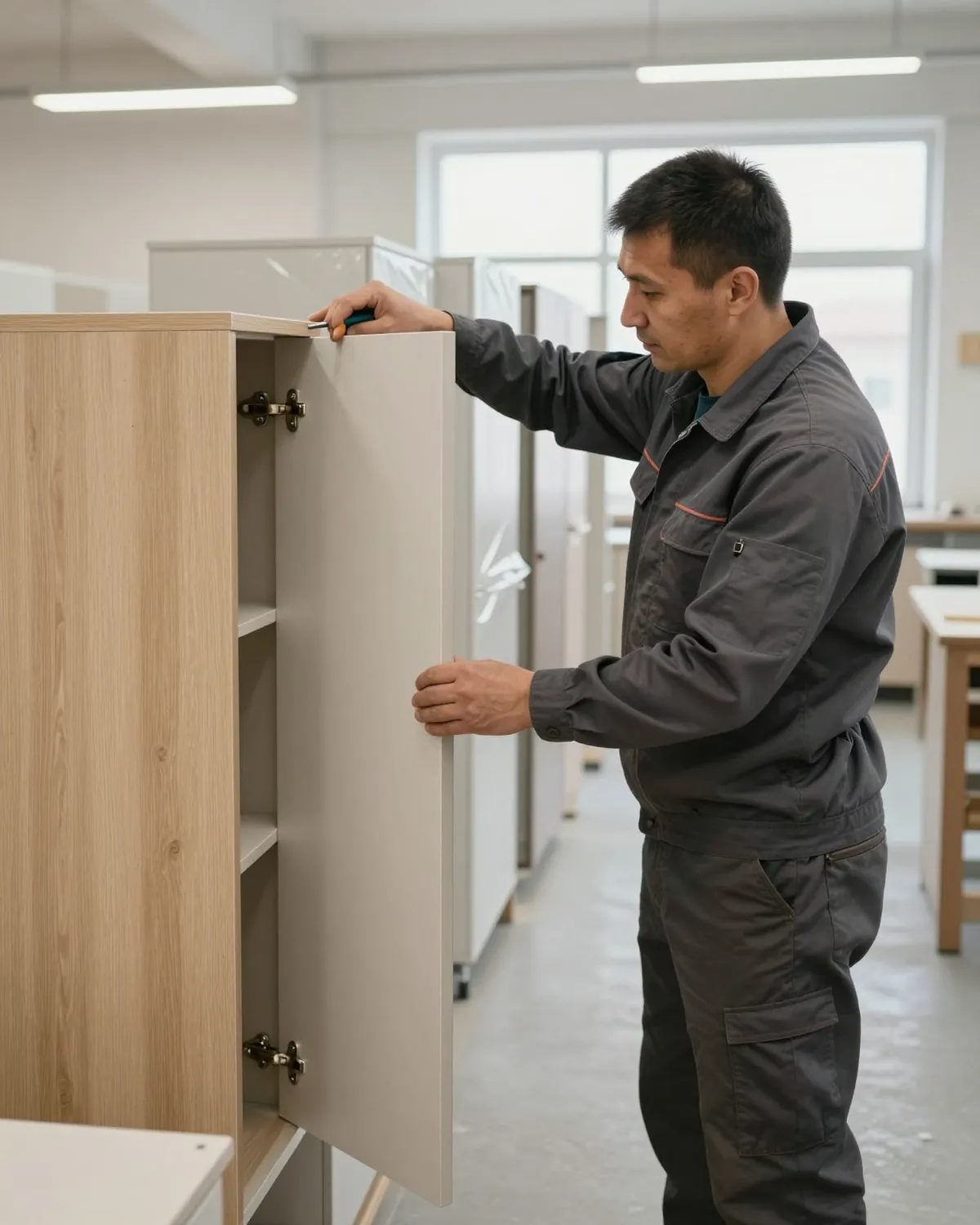
- Workshop assembly: before shipping we assemble the whole bed and check the joints, how the levels sit and how the hardware works.
- Our own crews: the bed is installed by our fitters, not a third-party team, and they answer for the result on site.
- Payment: 50 % upfront and the remaining 50 % after the acceptance certificate is signed; we work by bank transfer.
What the warranty covers and why a direct manufacturer answers for it all
The 24-month warranty covers the carcass, fixings and assemblies we built and installed, and Blum hardware carries its manufacturer's 25-year warranty. The period starts from the acceptance certificate, so keep the certificate and the contract: any claim is processed against them. MEBLIX is a direct manufacturer: measuring, design, production in our own workshop and installation stay in one company, with no middlemen. Each of our 3 500+ projects went through test assembly in the workshop before it shipped. Before signing the certificate, check the stability of the top bunk and the ladder together with the crew, so there is never any argument later about whose fault a defect is.
The bottom line on bunk beds
A handful of decisions shape how a bunk bed turns out, from the first measurements in the room to the warranty in the signed contract.
- An awkward room: measuring on site and a 3D design show how the bed will sit before a single board is cut.
- Top-bunk safety: it rests on a slatted base, a rail all round, a comfortable ladder and rigid fixings between the levels.
- Materials and hardware: Egger and Kronospan boards with Blum, Hettich and Boyard mechanisms decide how the bed copes with the load of two levels.
- The lower level: a workspace, storage or play area is planned in advance, together with the rest of the furniture in the room.
- Lead times and warranty: lead times depend on the finish and are listed in the price list, and the contract warranty runs from the acceptance certificate signed after installation.