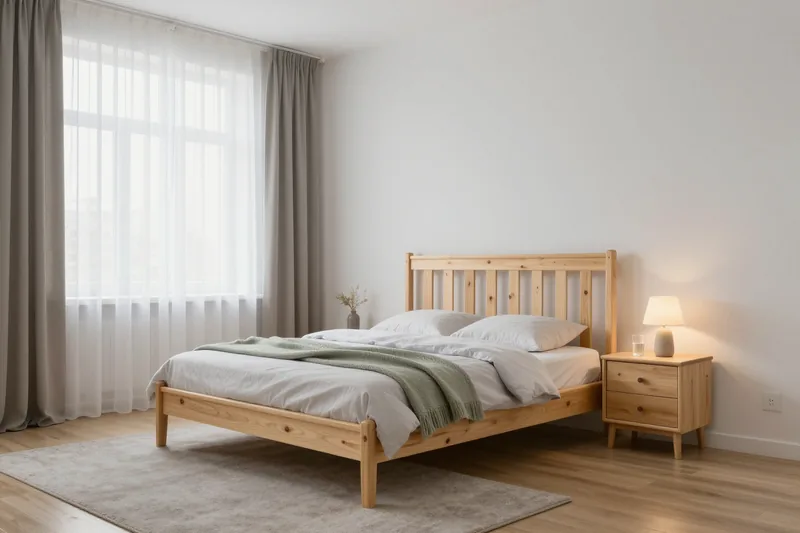
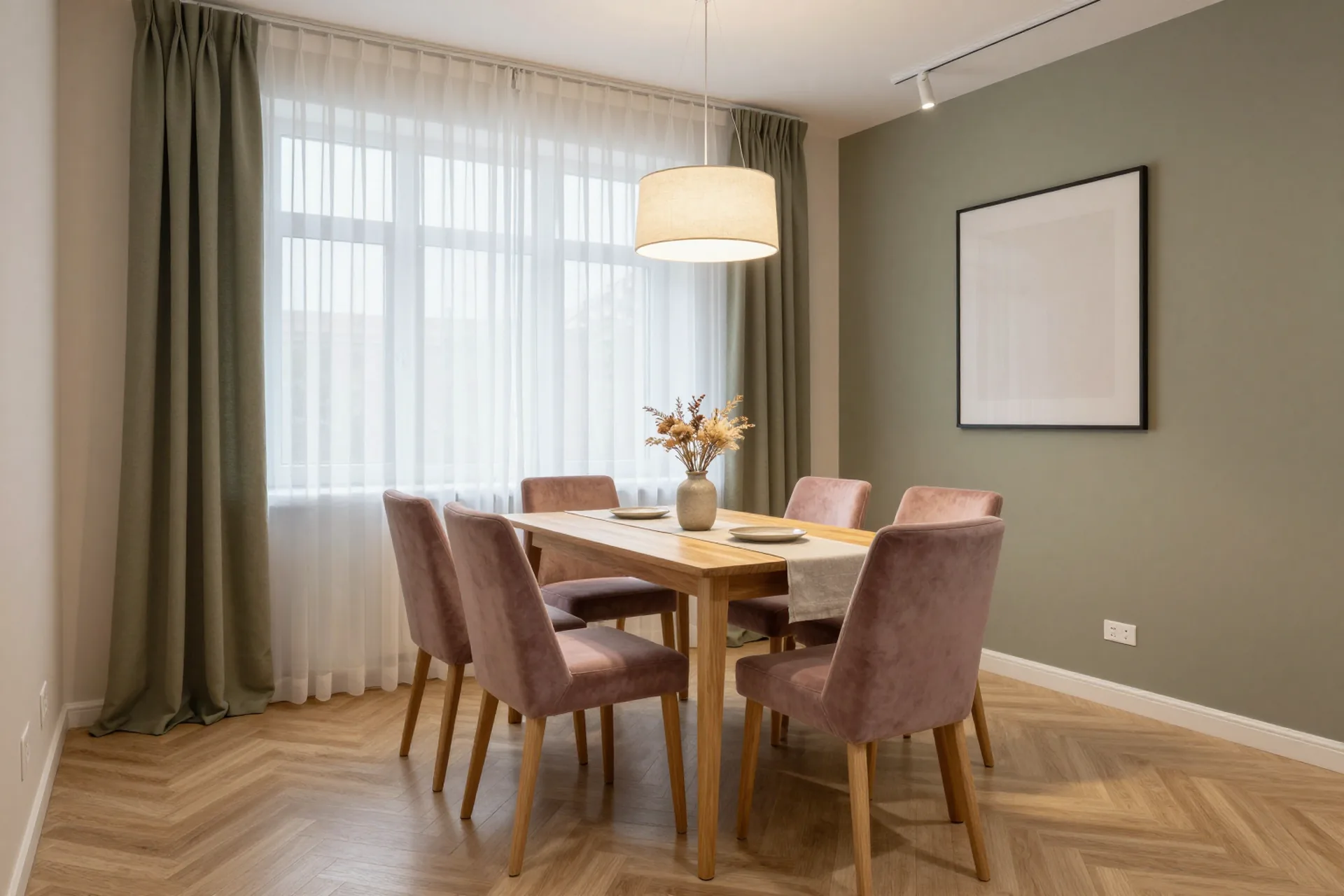
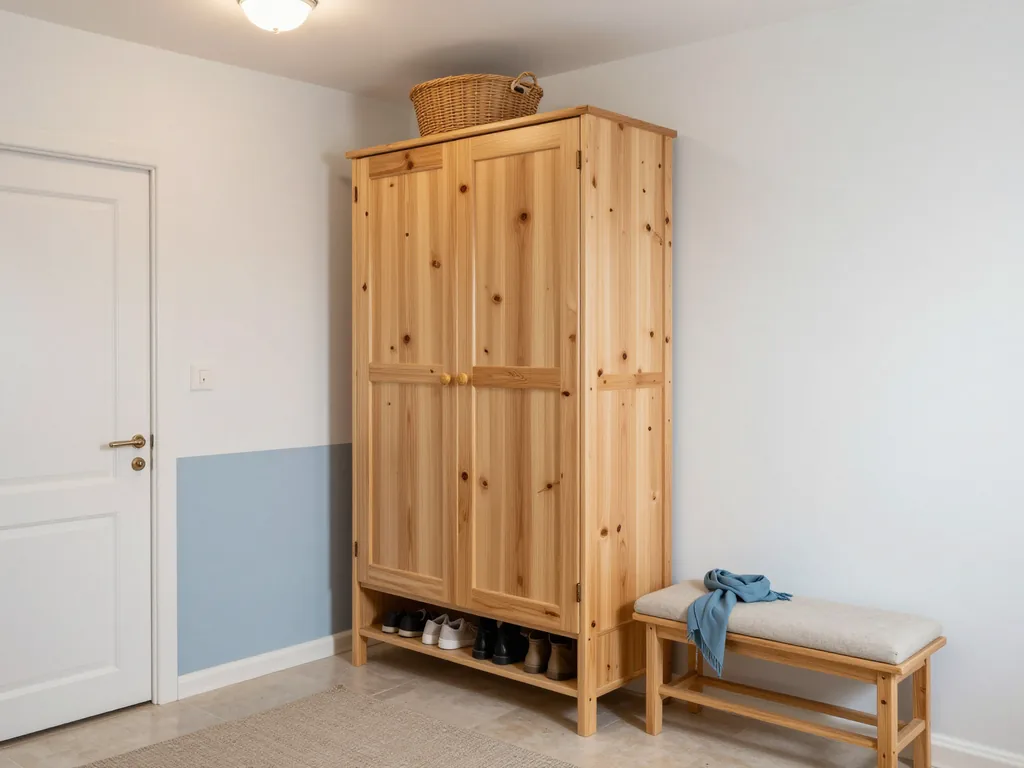
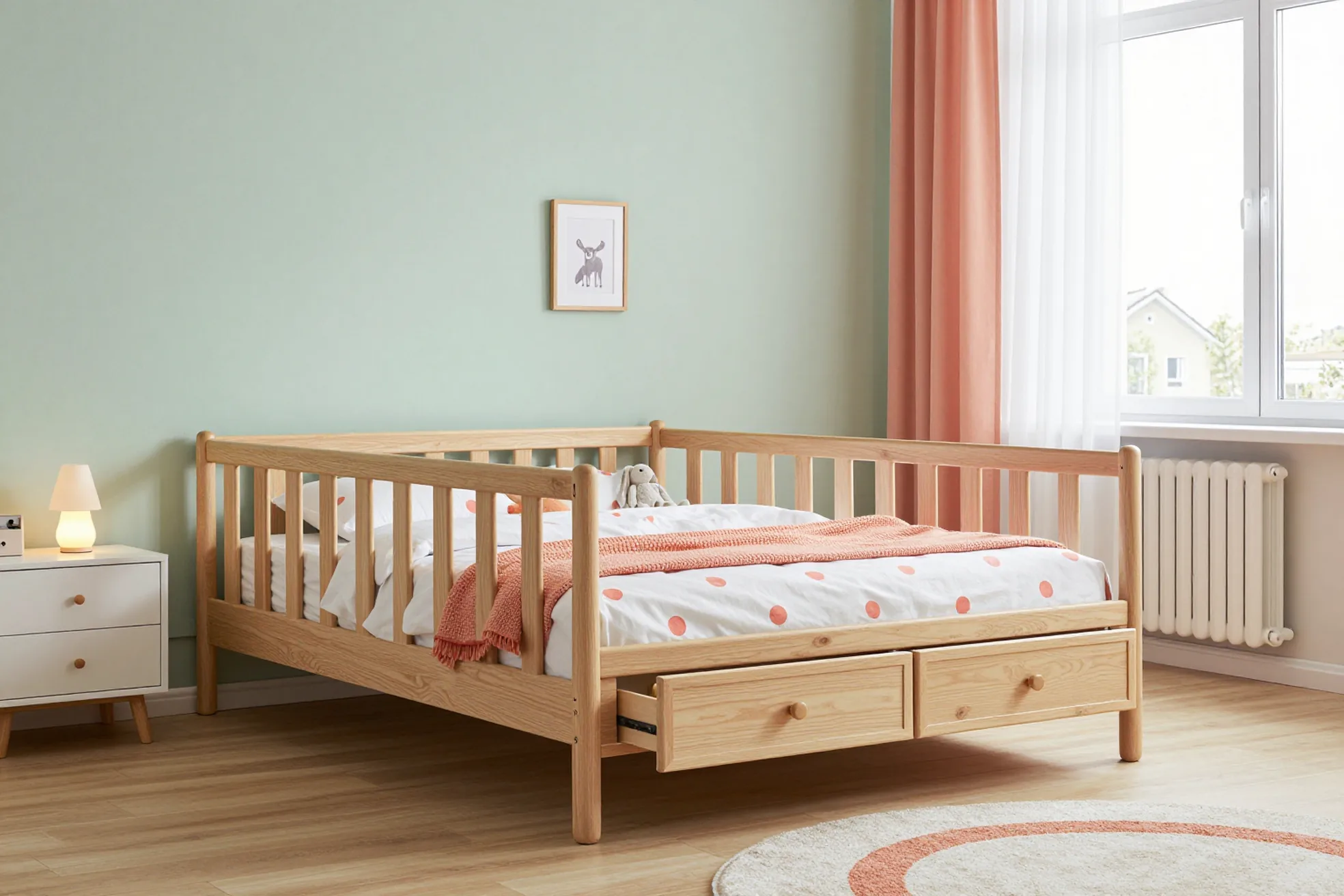
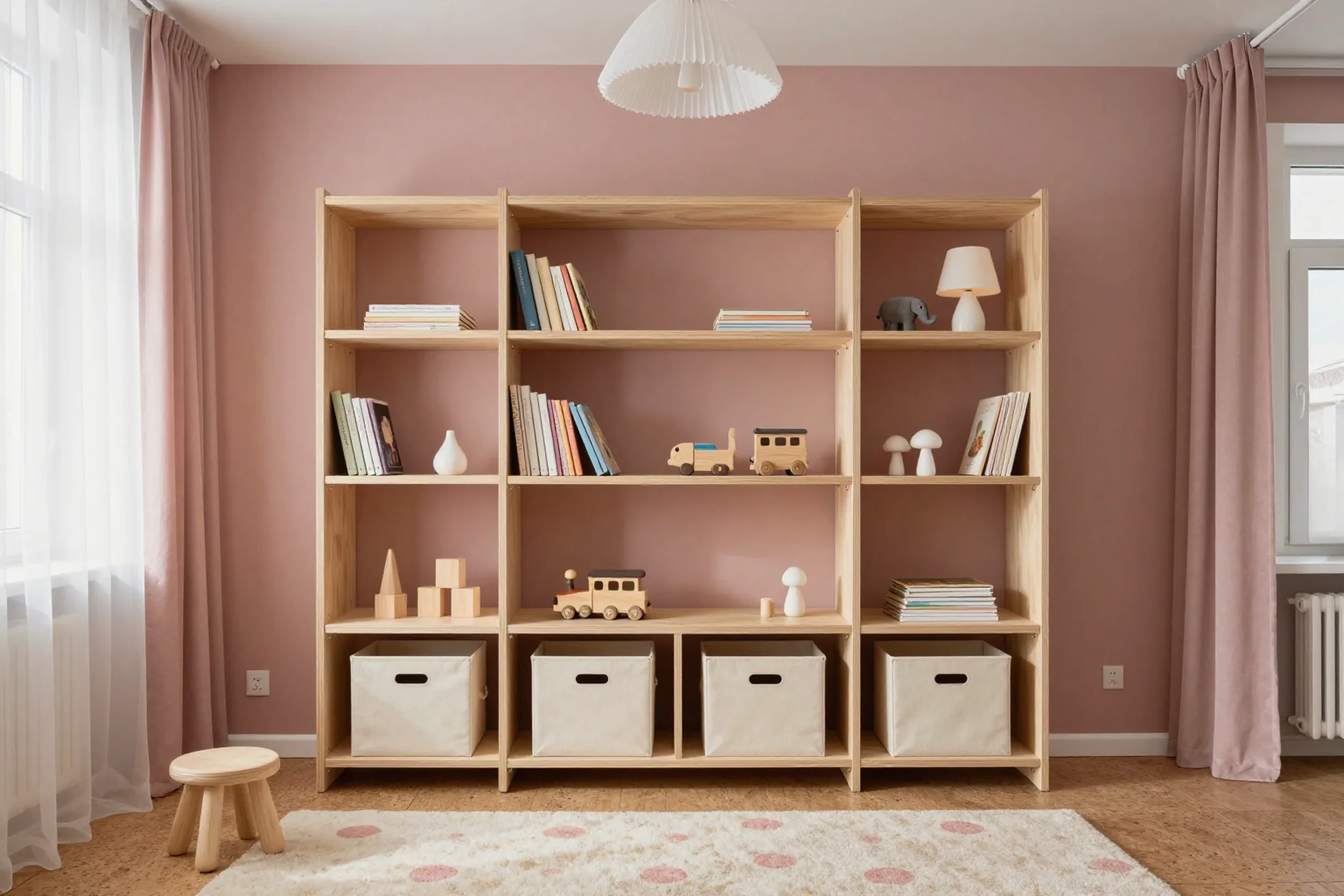
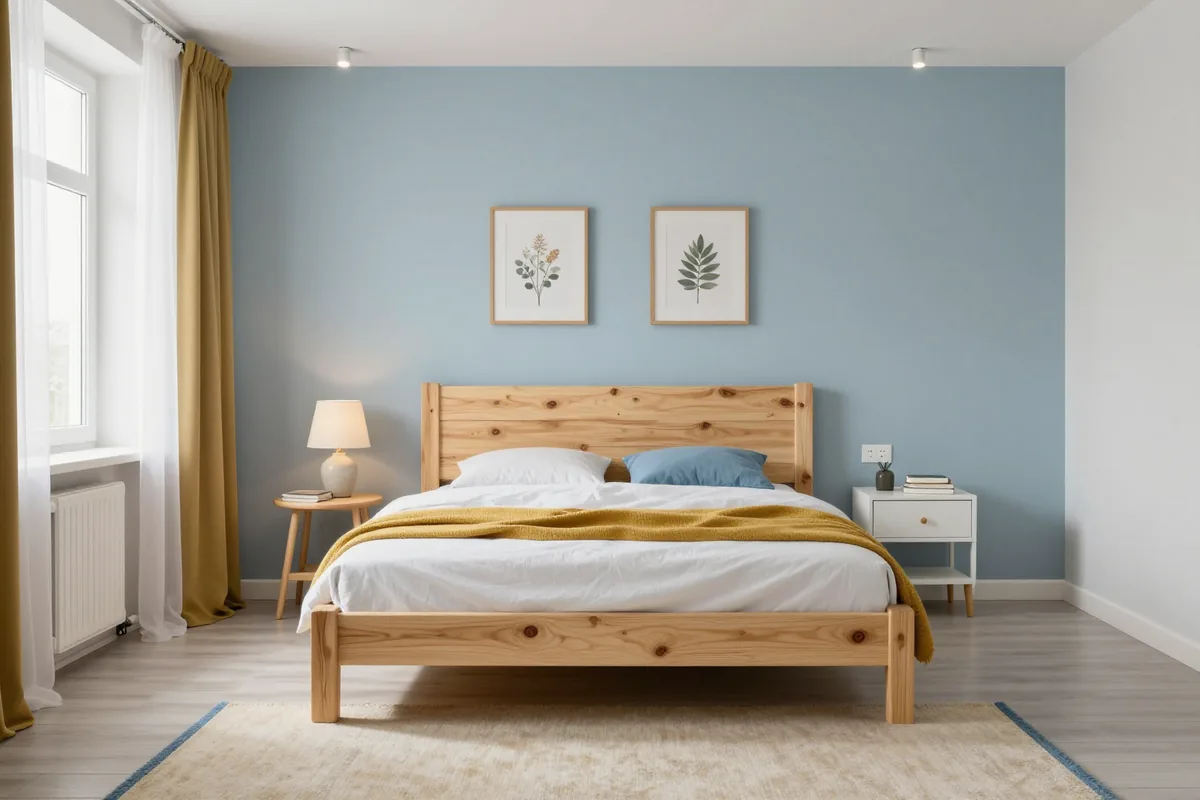
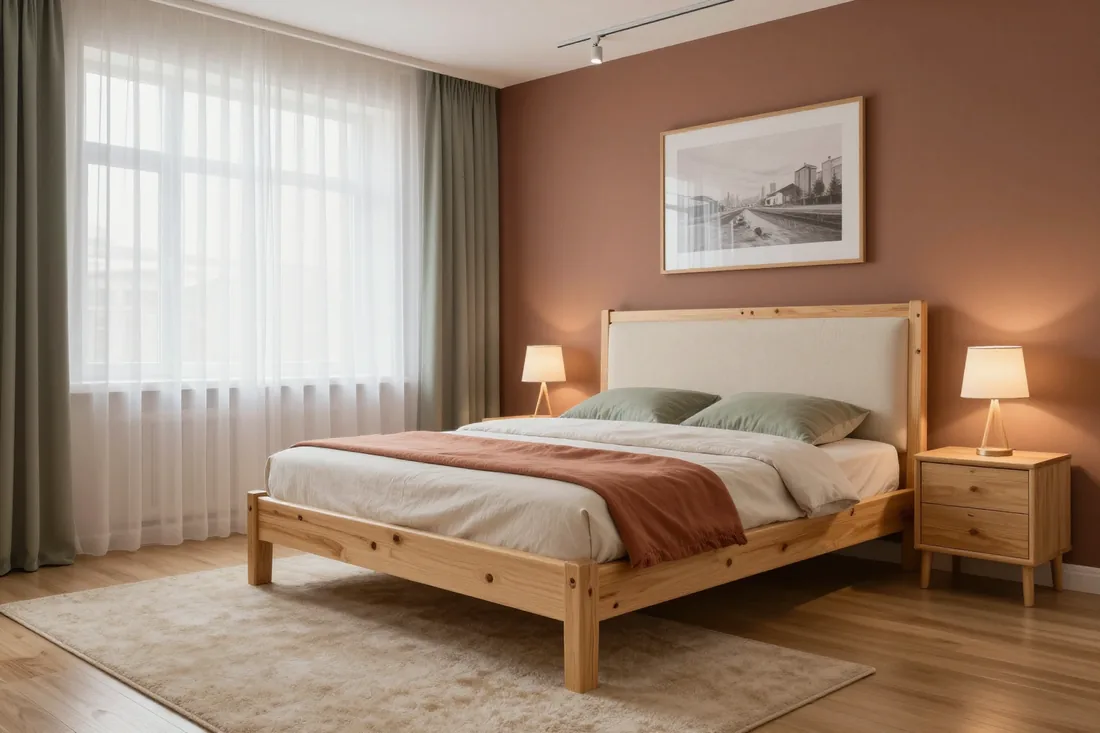
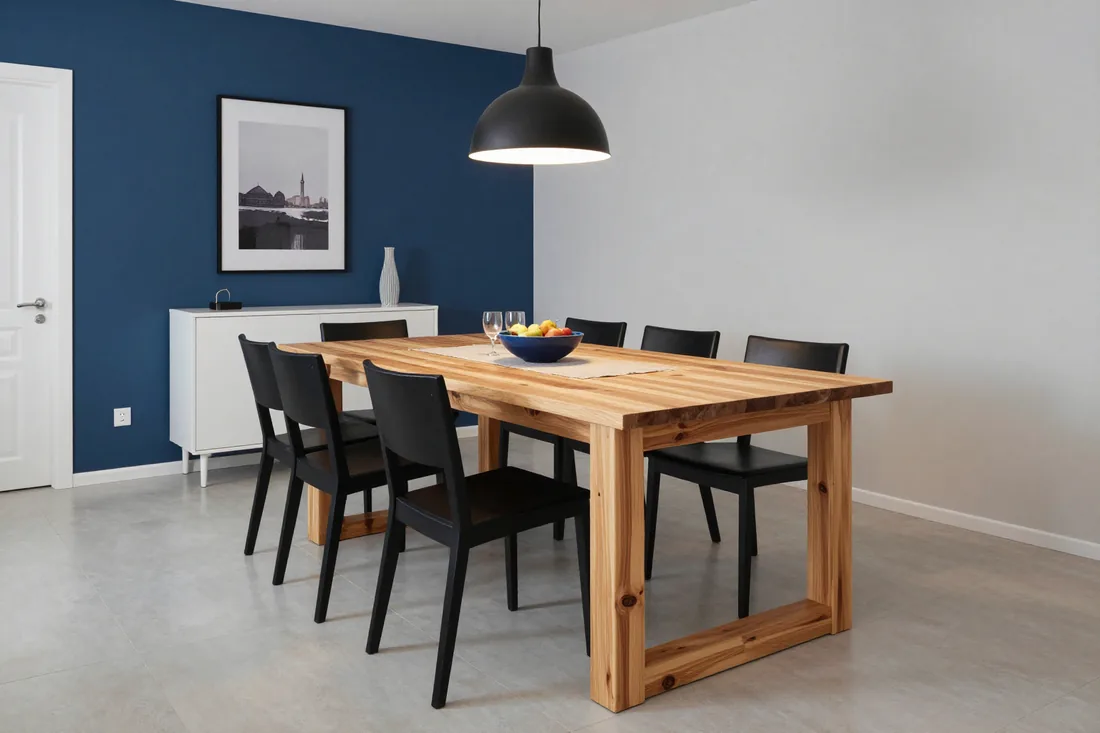
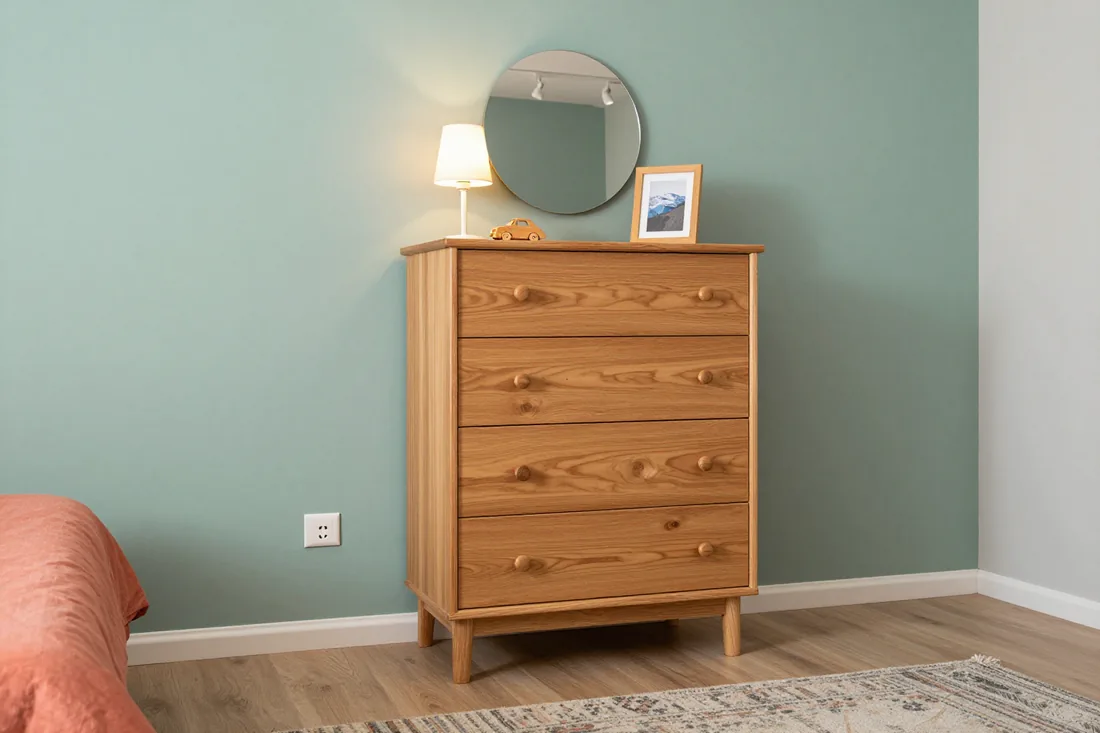
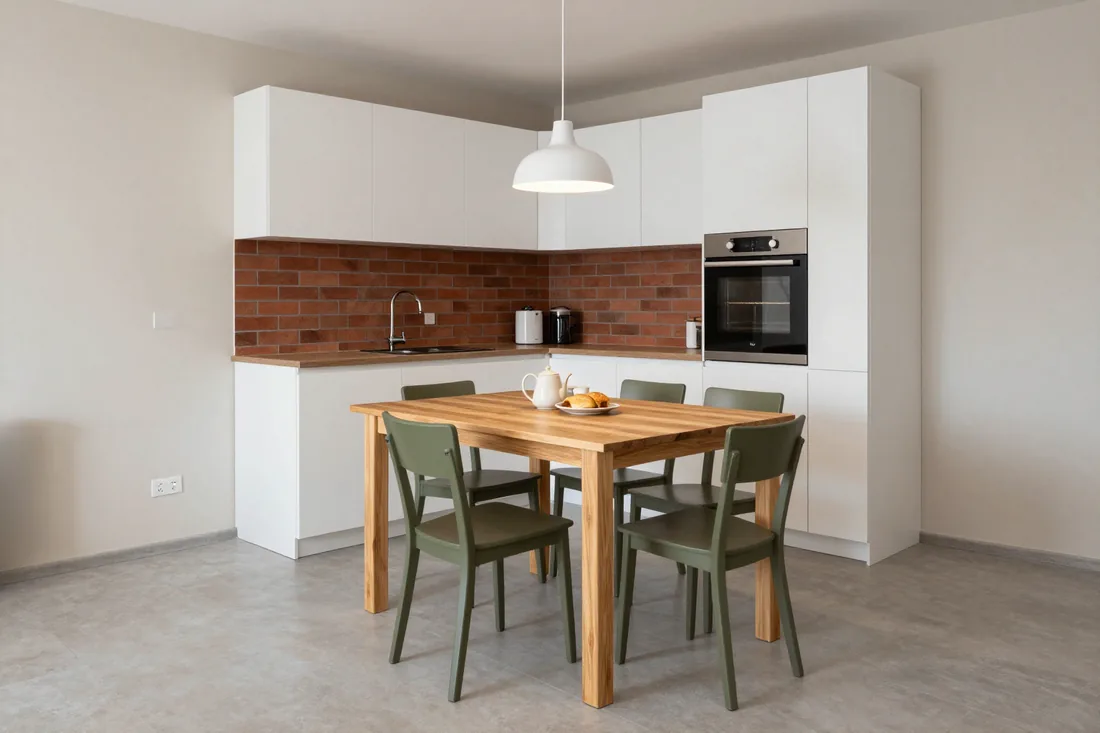
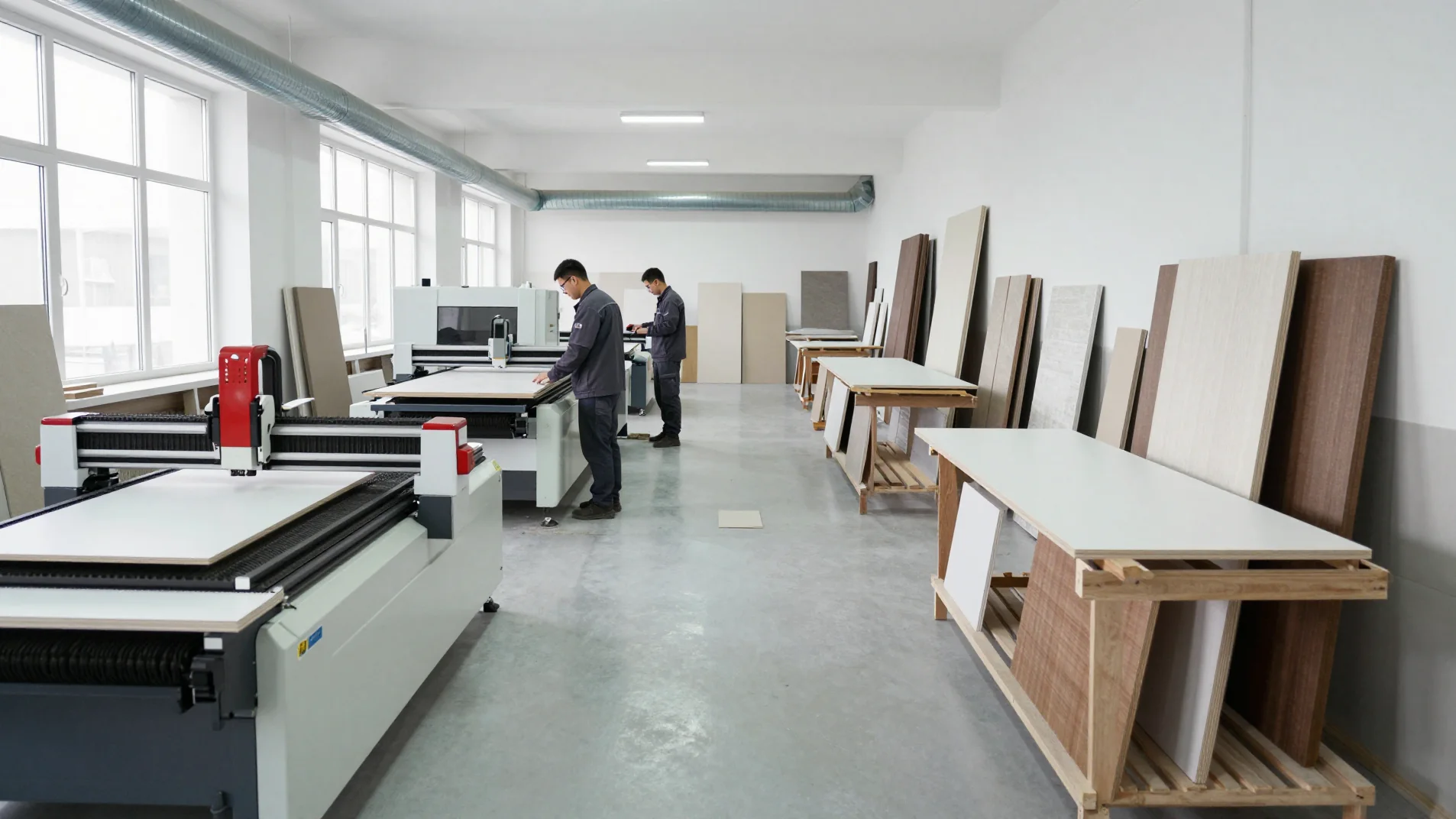
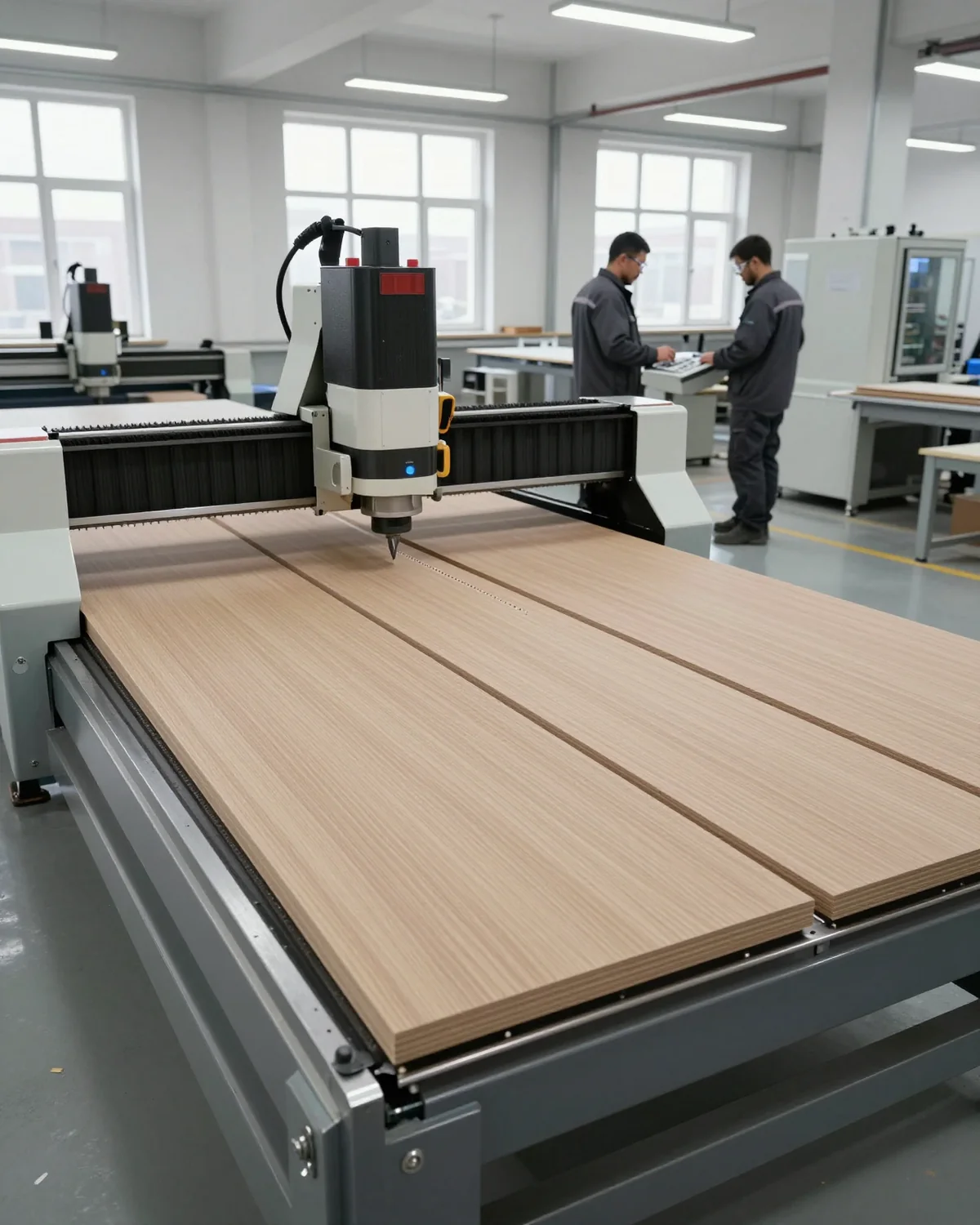
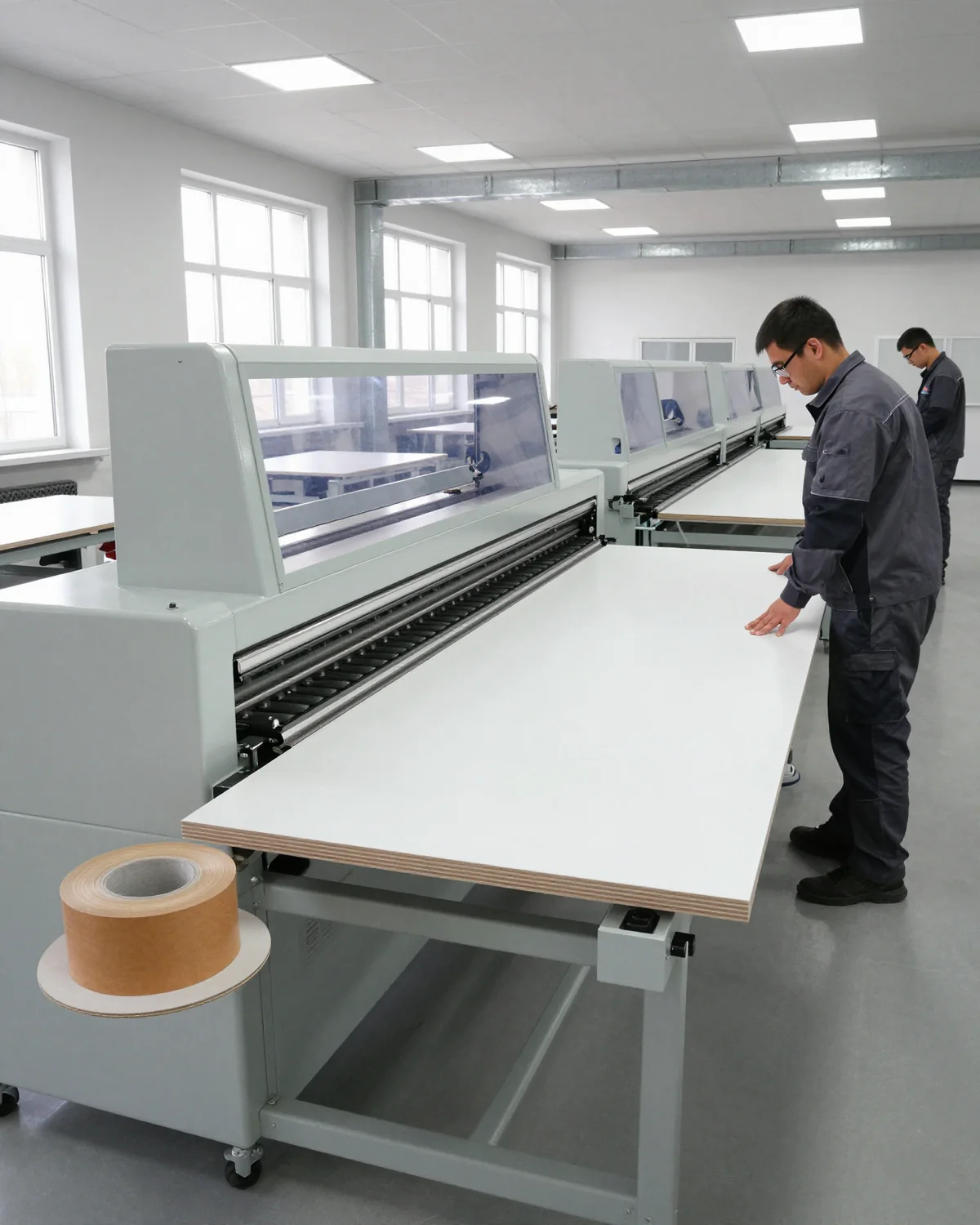
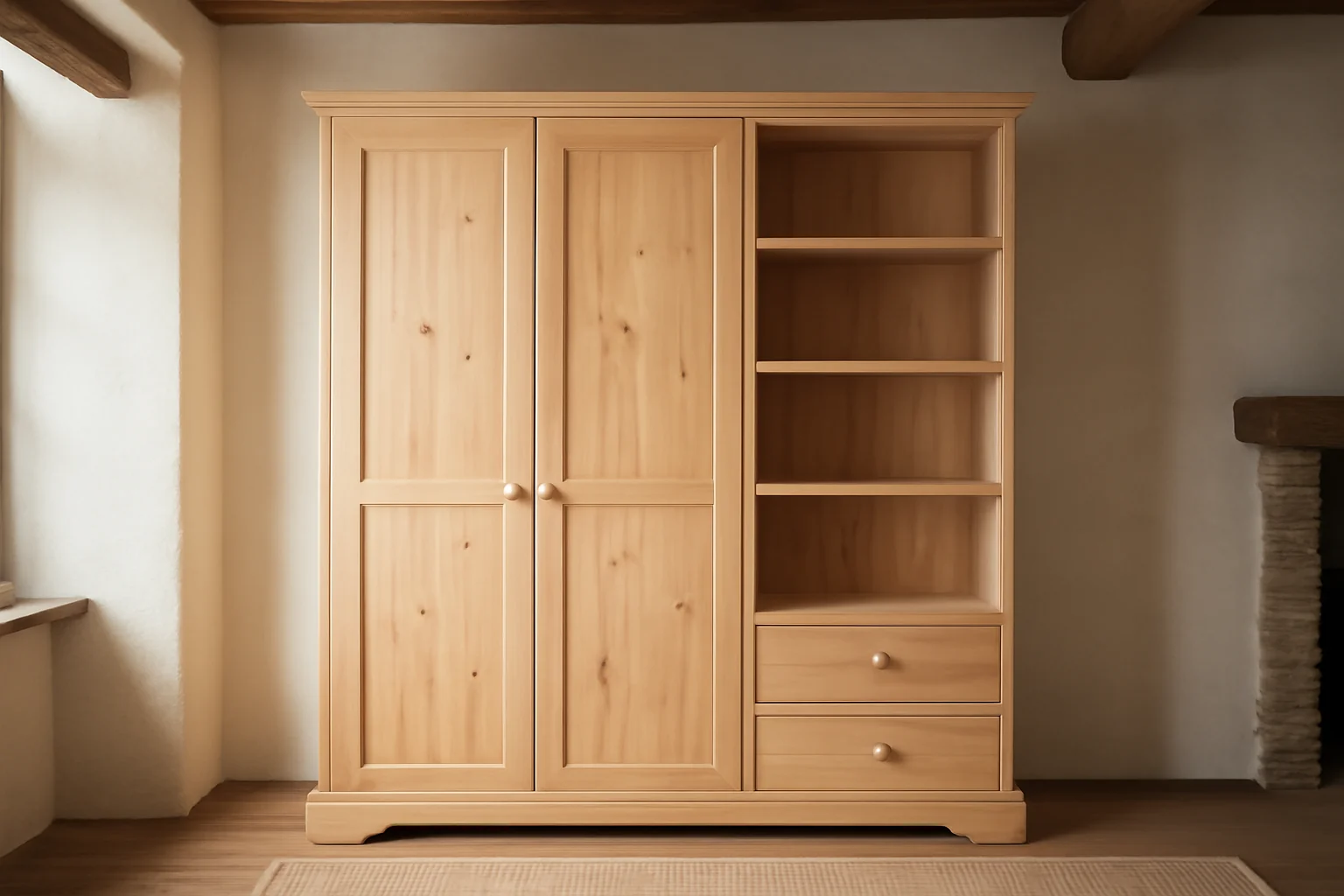
MEBLIX makes custom pine furniture in Almaty: our own workshop, kiln-dried solid wood at 8–10 % moisture, measurement with samples and a 3D design in 1–2 days. Installation is done by our own crews, the item comes with a 24-month warranty under the contract, plus quality control at every production stage and careful delivery.
Made-to-measure furniture is a journey of several stages, and at each one you make decisions. Here is what happens from the first visit to signing the certificate.
How an order begins and how the measurement works
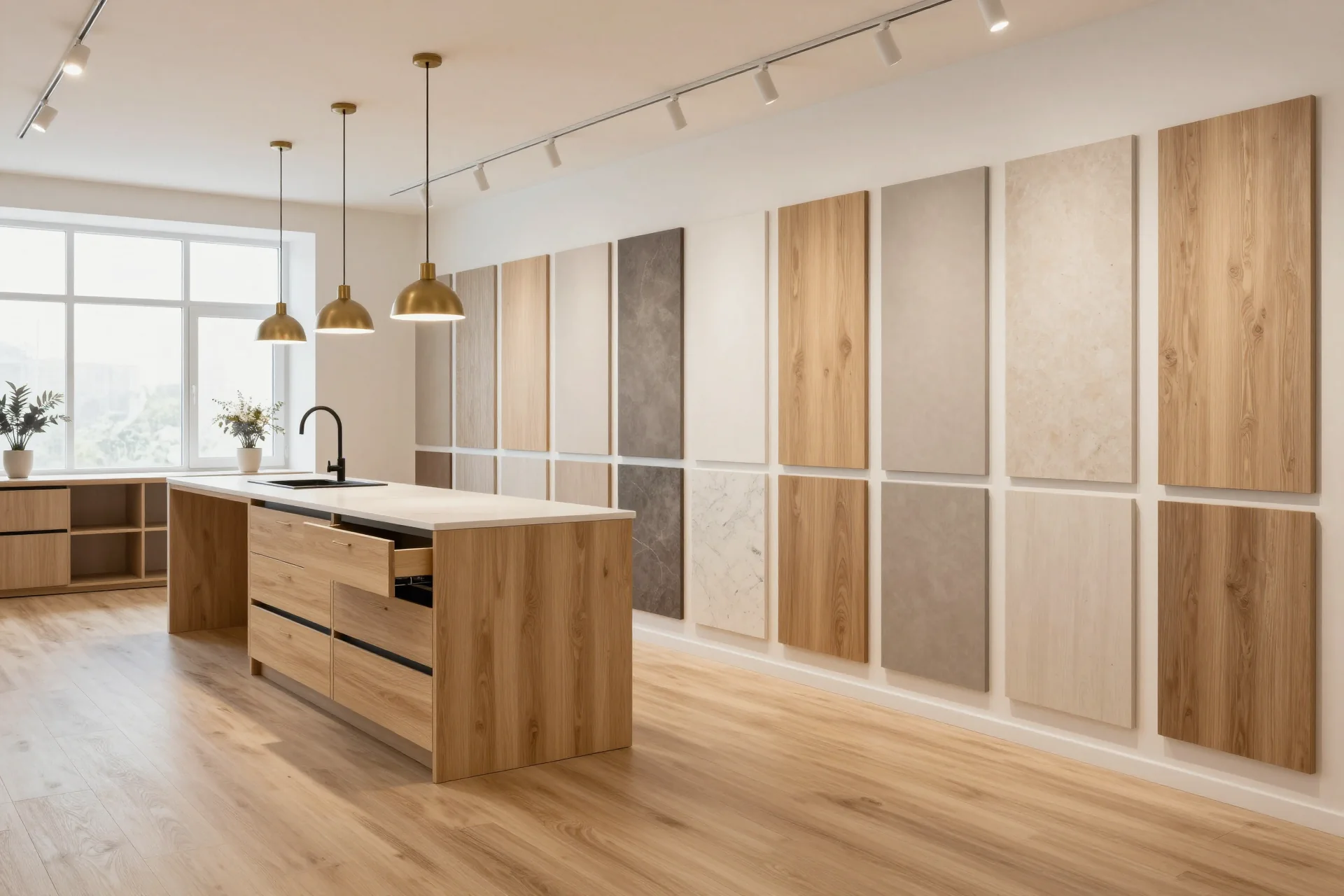
An order begins with a free measurement: the measurement specialist arrives with samples of wood species, veneer and weaving, takes the room's dimensions and records where utilities and openings will run. On site, they show you how kiln-dried pine solid wood looks next to birch plywood and natural rattan, so you choose the material not from a photo. The measurement specialist then clarifies the item type, the opening method and the installation location, and passes the data to the designers. At the measurement, it is worth naming the item type you want and your budget range right away — this determines which species and hardware the craftsman will suggest you look at first. That way, custom pine furniture is designed for your opening from the start rather than adjusted after the fact.
What the 3D design includes and what you can change before the workshop
We prepare the 3D design in 1–2 days: it shows the geometry, fronts, opening, hardware placement and how pine combines with other materials. In the design we specify part thickness, the drawer layout, the type of Blum hardware and the places where pine solid wood joins MDF under veneer or birch plywood. A lot can be changed before the workshop: carcass depth, the number of shelves, the opening side, the front pattern, the combination of species and the finish color. Edits are cheapest at the design stage — once production starts, reworking solid wood parts means a new blank, not a tweak to a drawing. That is why we approve the design before cutting: making pine furniture begins only after your sign-off.
Test assembly, installation and the acceptance certificate
- Test assembly: we assemble the item in the workshop and check the joints, gaps and drawer movement before shipping.
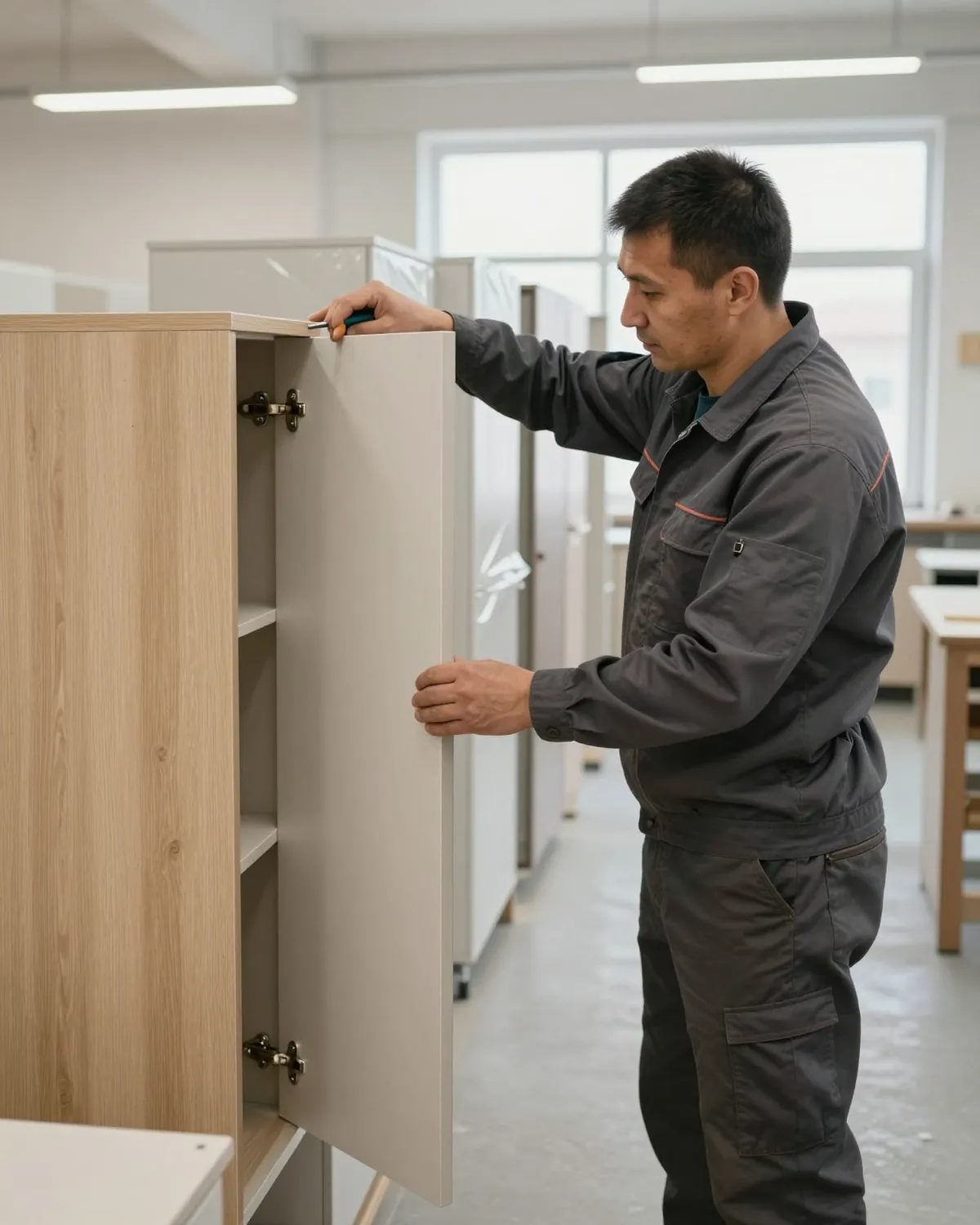
- Installation: our crews install the furniture on site and adjust the fronts and soft-close mechanisms on the spot.
- Acceptance certificate: we sign it after installation, once you have checked all the joints on site.
- Payment: 50 % prepayment, the balance after signing the acceptance certificate.
- Checking on acceptance: look not only at the fronts but also at drawer movement, soft-close mechanisms and gaps — they are easier to fix right away.
- Delivery: free within the city and up to 30 km for a large order; the threshold and terms are on the delivery page.
Why kiln-dried pine furniture will not warp over time
The buyer's main fear is that pine will "warp" over time: a front will bend, gaps will appear. We break down what this depends on and how we protect the item already at the material stage.
What moisture level is considered normal for solid wood
For cabinet items we use kiln-dried pine with a moisture content of 8–10% and measure it before cutting — at this level the wood remains stable in a dry climate with heating. Moisture in the fibers is the main source of movement: while the material "breathes" inside the item, the geometry of the parts changes. In our workshop, a moisture meter is kept at the joinery area, and no batch goes into production without a measurement. Air-dried boards from the market can have a moisture content noticeably above 10%: during shrinkage in an apartment, they shrink differently along and across the grain, which leads to gaps at joints and warped fronts. Before accepting the material, ask to see a moisture meter reading — it is the only way to make sure the solid wood is ready for processing and won't continue drying in your home.
How kiln drying differs from market boards
Kiln drying brings moisture content to a set value gradually and evenly across the cross-section, while market boards often continue drying inside the finished item — and behave unpredictably. In a drying chamber, temperature and air humidity are raised and lowered according to a schedule: first the solid wood is warmed up, then moisture is removed in stages so that the outer layers don't dry out faster than the core. Outdoor boards dry haphazardly, depend on the weather, and often arrive at the production site with a cross-sectional variation of several percent. The production of pine items in our workshop begins with incoming inspection: the moisture meter rejects batches that are not yet ready for cutting. This is cheaper than redoing a finished front after installation. Kiln-dried solid wood costs more than market boards, but the difference pays off on the very first item without rework.
What will happen to pine furniture after a few years
Properly dried pine behaves stably in a dry climate: minor changes in geometry are possible in the first seasons, but there will be no critical deformation in an item made of kiln-dried solid wood. Pine is a soft species, it reacts to moisture slightly more noticeably than oak, but predictably: a part either shrinks by fractions of a millimeter or stays in place. The risk of deformation grows not from the species but from humidity fluctuations near heat sources — radiators, underfloor heating, ovens. These areas should be discussed with the designer in advance: it is better to make the front near a radiator with a gap and not place it right against a hot wall. After a few seasons, the item settles into a steady state, and then the geometry holds without intervention — provided that the finish does not dry out and is renewed as needed.
How pine furniture differs from oak and ash
Pine is not a cheap substitute for noble species but a material in its own right with its own character. We compare it with oak and ash by the parameters that directly affect the finished item and its behavior in the home.
Comparison of species by strength, weight and purpose
how species differ in strength and purpose| Species | Strength | Weight | Where it is used more often |
|---|
| Pine | medium | light | carcass, doors, wardrobes, children's furniture |
|---|
| Oak | high | heavy | kitchen, tables, high-load areas |
|---|
| Ash | high | medium | doors, countertops |
|---|
| Beech | high | heavy | frames, seats |
|---|
| Alder | medium | light | front panels for tinting |
|---|
Can pine be combined with other materials
We combine pine with natural veneer on MDF and E1-class birch plywood — this keeps the carcass and internal shelves stable, while the visible front panels come from solid wood. During the measurement we show samples of wood species, veneer and weaving so the combination can be assessed in person, not from a picture. Veneered and plywood elements react less to humidity, so it makes sense to use them where solid wood takes the load: in the sides, drawer bottoms, back panels. The wood itself stays on the doors, shelves and open parts that are seen and touched. In practice this layout gives a lightweight carcass without losing the look of solid wood — we check this on a control assembly before dispatch. For the kitchen, in the same workshop we also work with oak, ash, beech, alder, walnut and birch — each scenario gets its own species.
Why pine is better for the budget without losing quality
- Material: pine board is cheaper than oak and ash, so an item made from it costs less for the same set of sections and drawers.
- Processing: softwood planes, mills and sands well in the joinery shop without defects or chips.
- Finish: oil and lacquer go on evenly and hold up with proper surface preparation and sanding.
- Where we don't cut corners: kiln drying and hardware — they affect service life more than the wood species itself.
Finishes and care for pine furniture
The finish determines both the look of pine and how you care for it. We break down oil, lacquer and paint and what is more practical for a family with children.
Oil, lacquer or paint — what to choose for the home
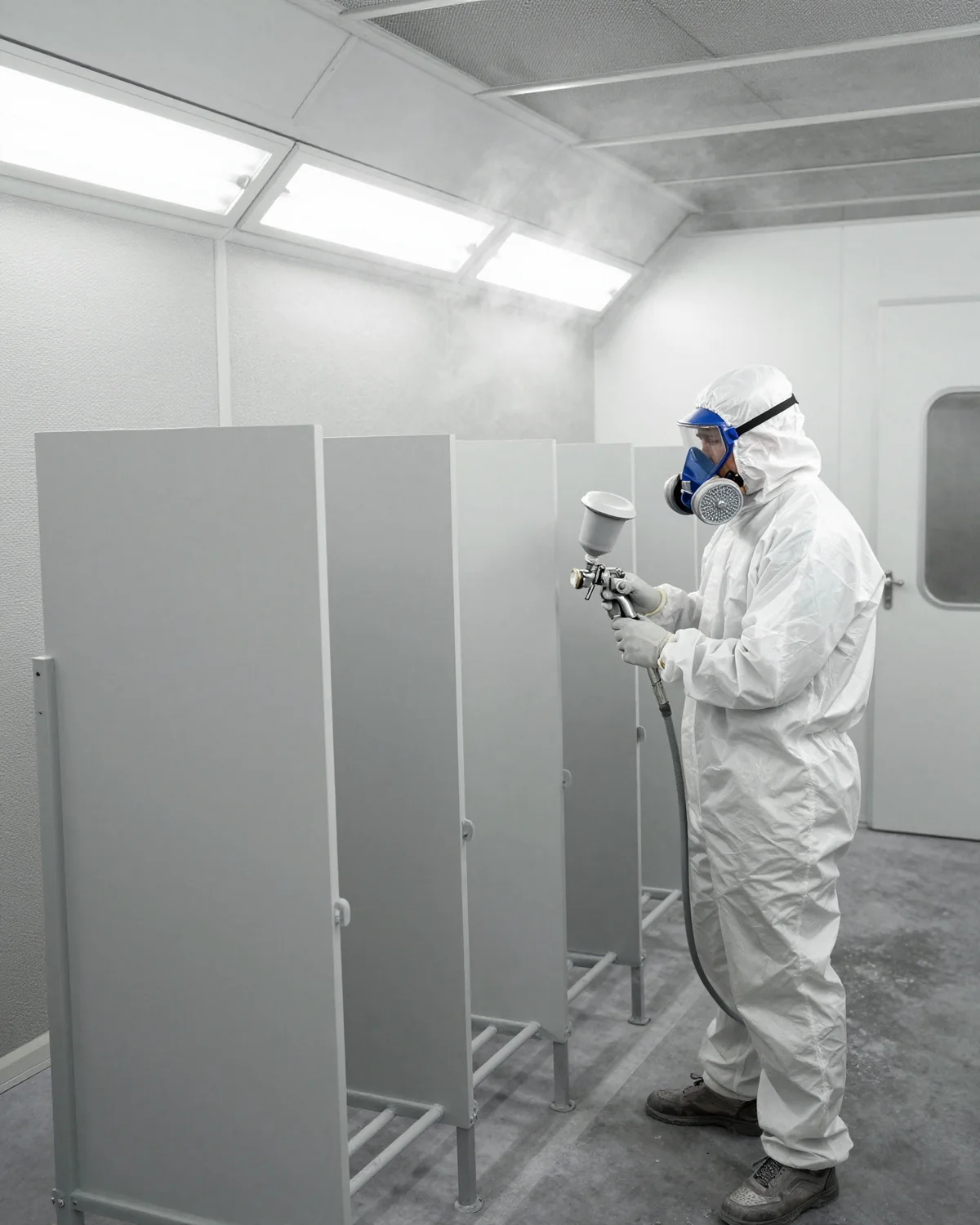
We finish pine with oil, lacquer or paint in the painting area: oil gives a natural texture and repairability, lacquer gives a protective film, paint gives a solid colour. Oil soak penetrates the fibres and doesn't create a surface layer, so the wood grain stays visible and small damages are touched up locally. Lacquer holds as a film and tolerates wet cleaning better, but a deep scratch requires recoating the area. Paint fully covers the texture and suits places where an even colour to match the interior is needed. In our painting area pine is prepared separately for each finish option: sanding, resin removal, primer. Surface preparation matters for pine: resinous areas need separate treatment, otherwise the finish goes on unevenly and wears faster in those spots.
What care is needed so pine doesn't darken
- Wiping: a soft cloth without aggressive products so the protective layer isn't worn away.
- Sunlight: don't keep fronts in direct light by a window — pine darkens from UV.
- Wet cleaning: without soaking joints and end grain, especially near the sink and countertop.
- Oil refresh: locally on contact areas, without sanding down the whole front.
- Scratches: easier to mask on oil, on lacquer they need careful touch-up.
How the finish affects the service life of the item
The finish protects pine from moisture and dirt, but it works in different ways: oil penetrates the fibres and is renewed in layers, lacquer holds a film on the surface, and paint completely covers the texture. Oil impregnation saturates the top layer more deeply, so the item is easier to restore without dismantling — it is enough to refresh the contact area. The lacquer layer creates a barrier against water and household chemicals, which matters in the kitchen and bathroom, but over time the film wears off and needs to be recoated. Paint gives the most dirt-resistant layer, yet it hides the wood grain and is harder to repair locally. Any protective compound wears out faster in contact areas — at handles, on the worktop, by the sink; these spots are worth discussing with the craftsman in advance so as to choose an option for the real load.
Hardware and durability of fronts in pine furniture
A pine front is light in itself, and it is the hardware that determines how long it will open smoothly and without skewing. We explain what we fit on doors and drawers, why this matters more than the species, and how the warranty works.
What hardware is fitted on pine fronts and drawers
We fit Blum and Hettich hardware on fronts and drawers: hinges with soft-close, sliding mechanisms and lift-up fittings rated for the weight and size of each specific door. For every project, technicians select models by load — a hinged front of a walk-in closet and a pull-out drawer of a chest of drawers need different sets. The soft-close damps the movement right at the carcass, so the pine door does not slam and does not loosen the fasteners. Full-extension mechanisms give access to the whole drawer, not just its front half. Hinges with wear-resistant inserts hold their adjustment under daily opening, while simple parts develop play already after active use. A light pine front forgives more than a heavy one, but you should not save on hinges: they are what keeps the movement smooth for years.
Why hardware matters more than the species for durability
Squeaking and jamming are more often related not to the species but to the hardware and adjustment: quality hinges and sliding mechanisms hold the geometry, while cheap ones loosen under load. Pine solid wood at 8–10 % humidity is stable, and if a door has sagged or a drawer runs skewed, the cause is usually the fasteners, not the wood. Hinges with wear-resistant inserts keep their movement even under daily opening, whereas simple parts develop play already after a few months of active use. Soft-close units take the impact load off the drawer bottom — and it is the bottom and corners that suffer first. That is why, when choosing an item, you should look not only at the solid wood but also at which hinges and fasteners are in the specification — this affects the service life more than the grade of wood.
Warranty on the item and on the hardware
- Item: 24-month warranty under the contract, stated in the order documents.
- Blum hardware: manufacturer's 25-year warranty on mechanisms.
- Conditions: the warranty is valid with proper use and no overloading of drawers.
- Adjustment: self-adjusting the hinges is a common reason for refusal, so it is better to contact us.
- Acceptance: we sign the act after installation, once all units have been checked on site.
Where pine is suitable and where it is not
The species reveals itself differently depending on the room and the load. Below we explain which items pine works best in, and where it is wiser to take another species or material.
Kitchen, wardrobe, walk-in closet — where pine works
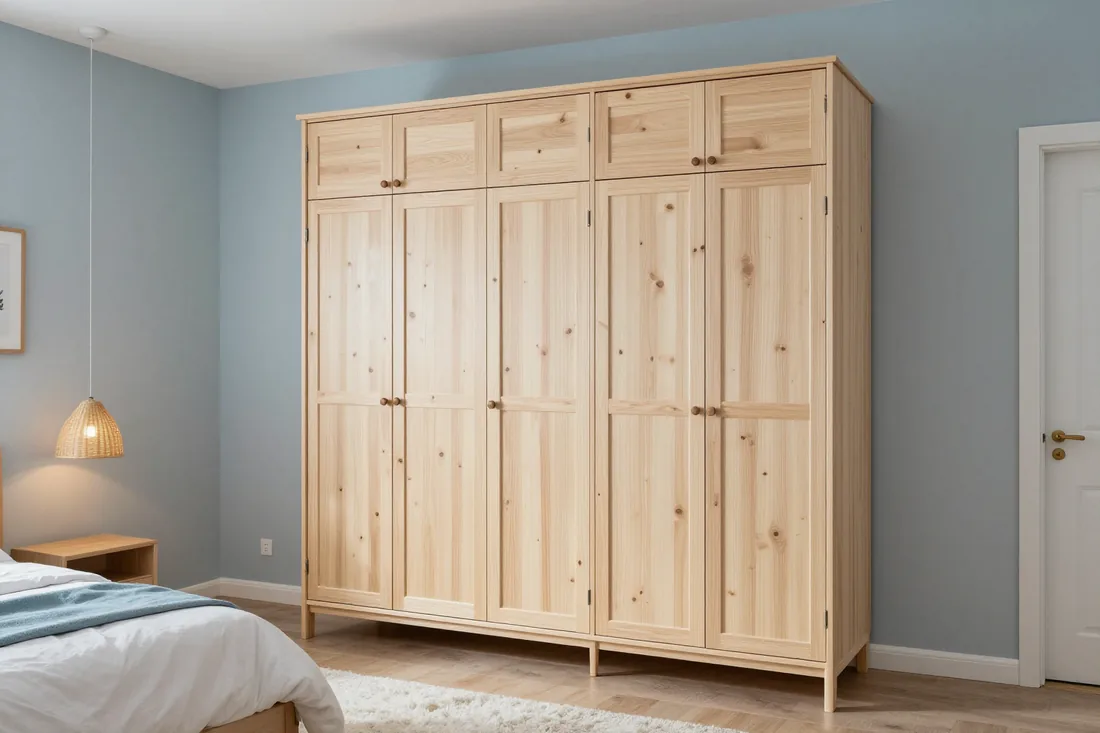
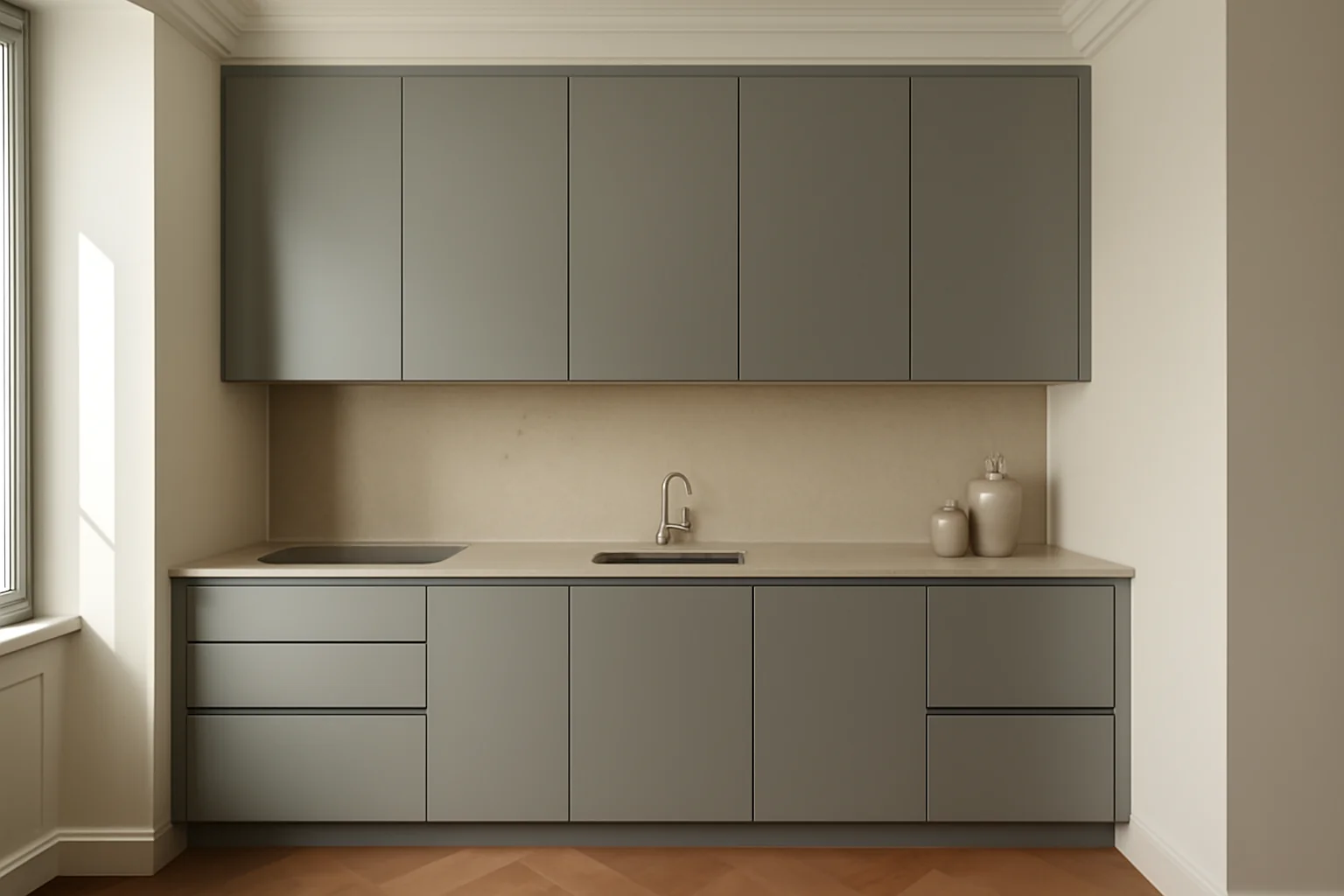
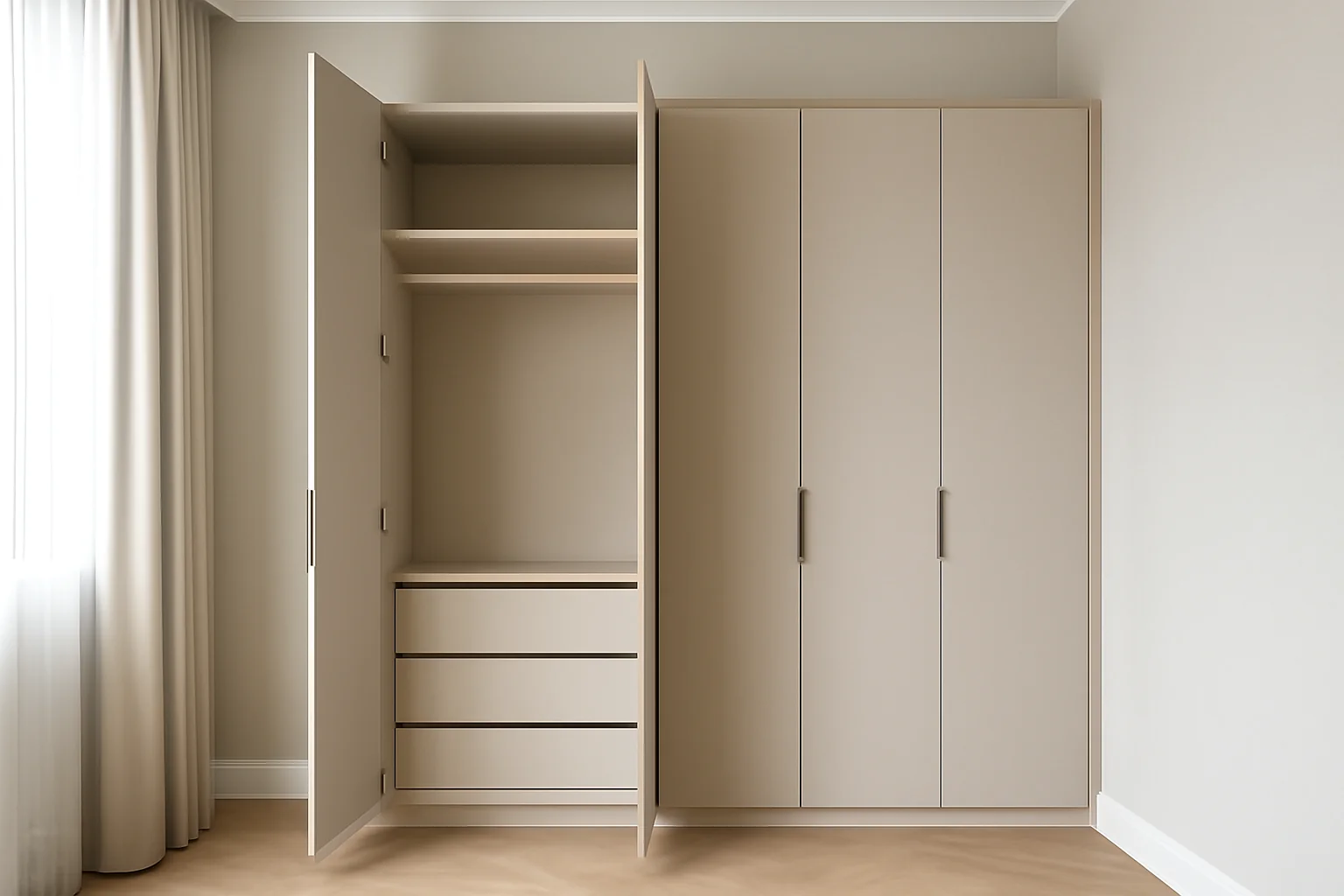
We make kitchens, wardrobes and floor-to-ceiling walk-in closets from solid wood: in dry areas the timber stays stable, and in the kitchen we cover the fronts by the sink with a moisture-resistant finish. Kiln-dried material at 8–10 % moisture content holds the geometry of doors and side panels, so a wardrobe running the full height of the wall won't warp even when humidity in the apartment fluctuates. We build kitchens with the work zone in mind: the carcass and shelves carry the weight of dishes, and the fronts by the sink get extra protection. We design floor-to-ceiling walk-in closets with a top storage row in mind — solid wood is light, and the upper sections don't overload the fixings. For the kitchen, what matters more than the species is end-grain protection and the finish: it's the edge and the joints that react to moisture first, so we give them special attention.
Pine for outdoor and balcony use — what to consider
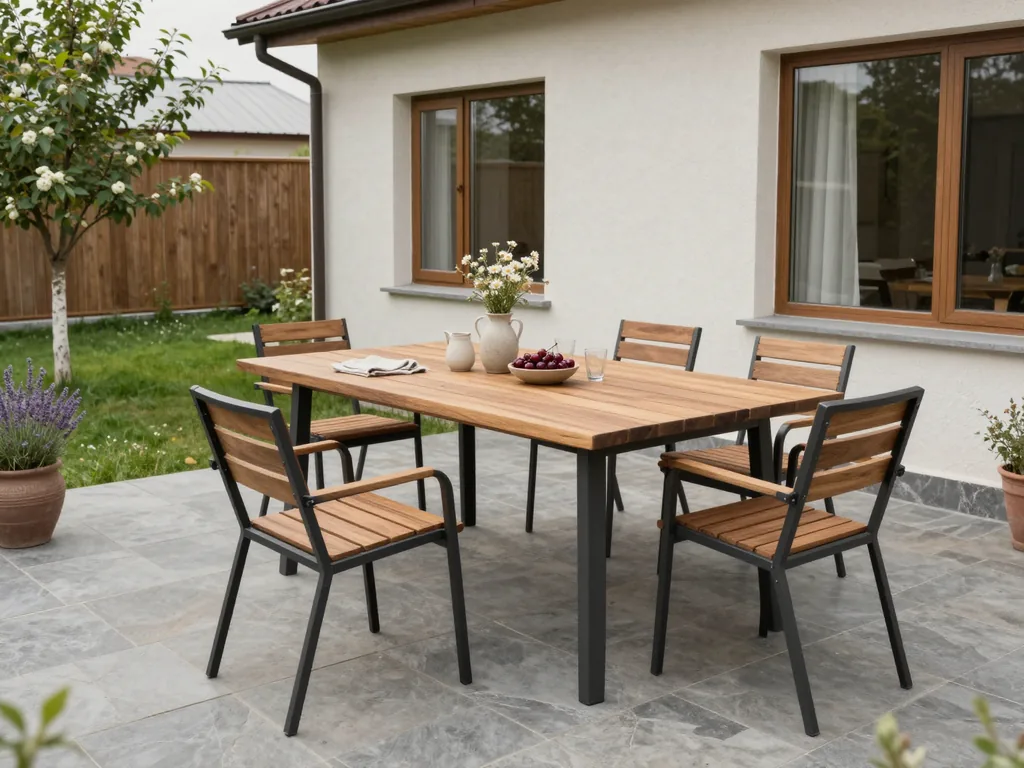
For outdoor and open-balcony use this species is only partly suitable: in rain and sun it's better replaced with larch, teak or thermowood with an oil for exterior work. Larch is denser and more resinous, teak resists moisture on its own, and thermowood barely absorbs water after heat treatment — these species withstand rain and UV without a protective film. Pine parts outdoors without cover quickly take on moisture through the end grain and turn grey, while summer sun bakes the resin out of exposed edges. If the item stays on an enclosed balcony with no rain, pine with an exterior finish also works, but the area by the window and condensation are worth discussing in advance: that's where moisture from temperature swings builds up.
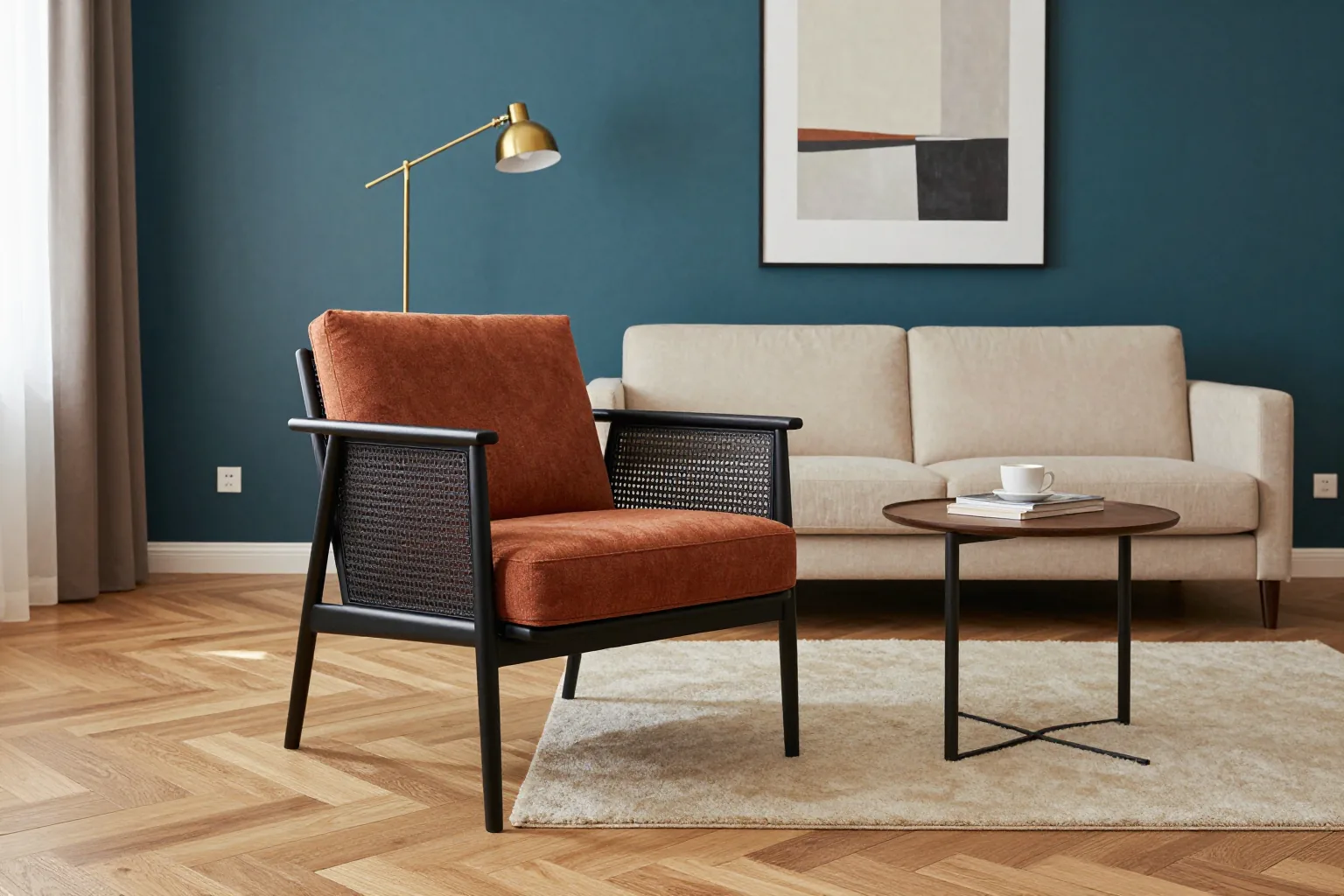
Pine and rattan in one item
- Carcass: kiln-dried solid wood, 8–10 % moisture content.
- Weave: natural rattan or synthetic rattan on an aluminium frame.
- Where it fits: visible areas — backs, side panels, doors, not work surfaces.
- Care: the weave needs separate cleaning with a soft brush, without soaking it in water.
- Combination: rattan adds lightness and ventilation to a solid wood item.
- Assembly check: we join woven elements to the carcass during a test assembly in the workshop.
The bottom line on pine furniture
We've gathered in one place what most often decides the outcome of a pine furniture order — from the moisture content of the solid wood to the moment the acceptance form is signed.
- Moisture content of the solid wood: kiln-dried pine at 8–10 % holds its geometry in a dry climate, while air-dried boards behave unpredictably.
- Species for the scenario: pine covers the carcass and fronts, oak and ash go where there's constant load and moisture.
- The finish sets the care: oil is refreshed locally, lacquer copes more calmly with damp cleaning, paint gives a solid colour without texture.
- Hardware matters more than the species: check hinges and runners in the specification — they wear out before the wood does.
- Order of steps: measurement with samples, 3D design, production in the workshop, installation and signing the acceptance form after setup.