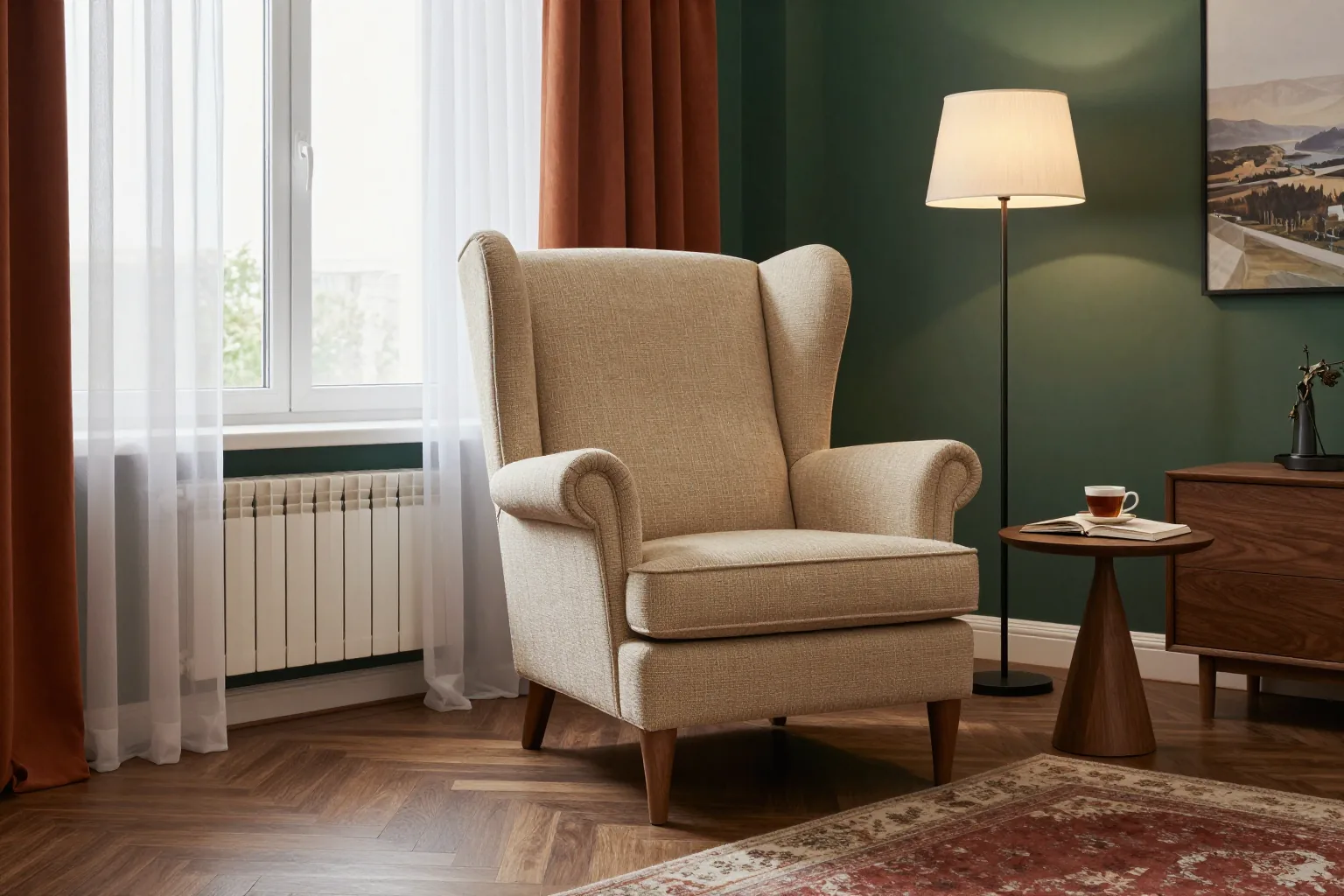
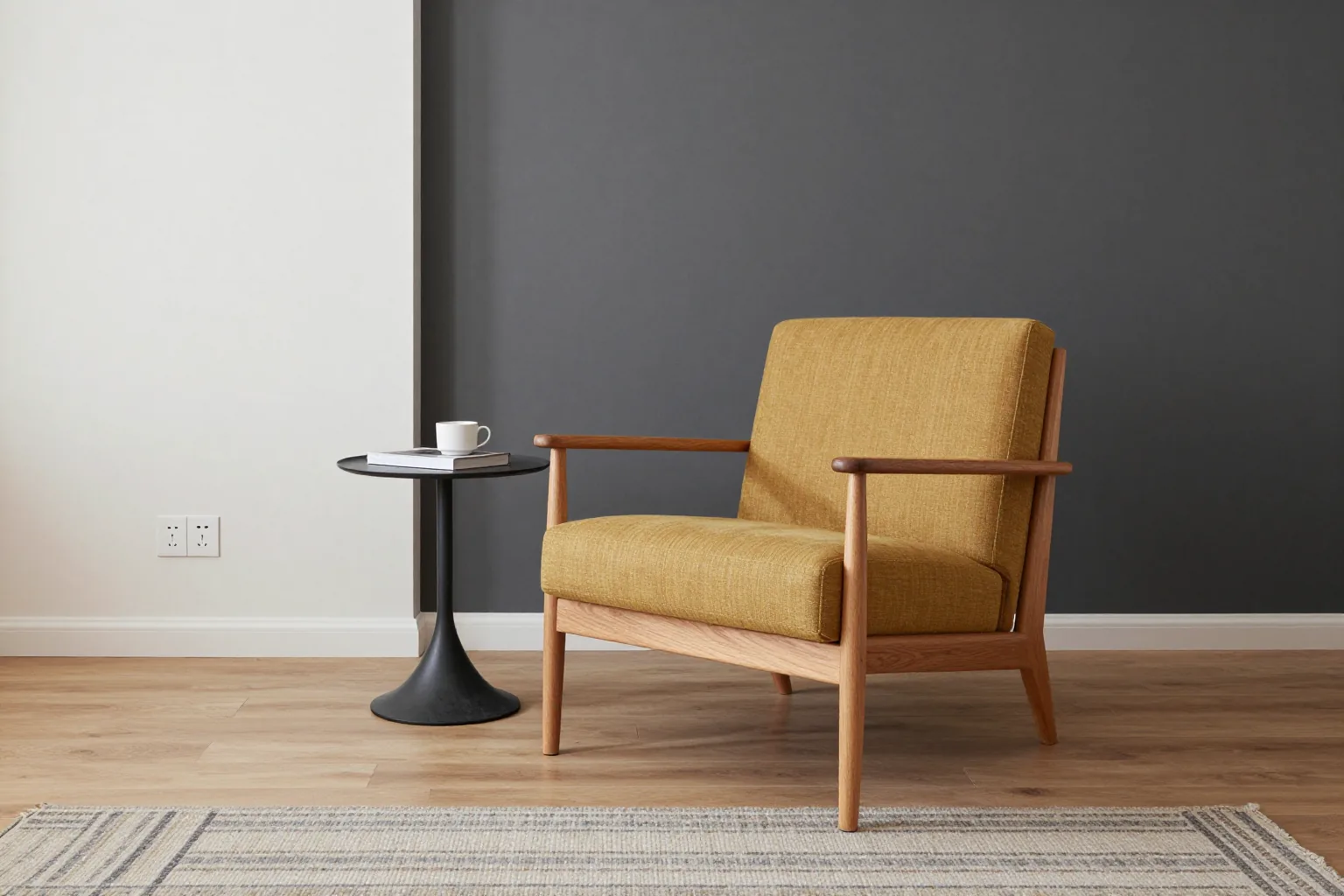
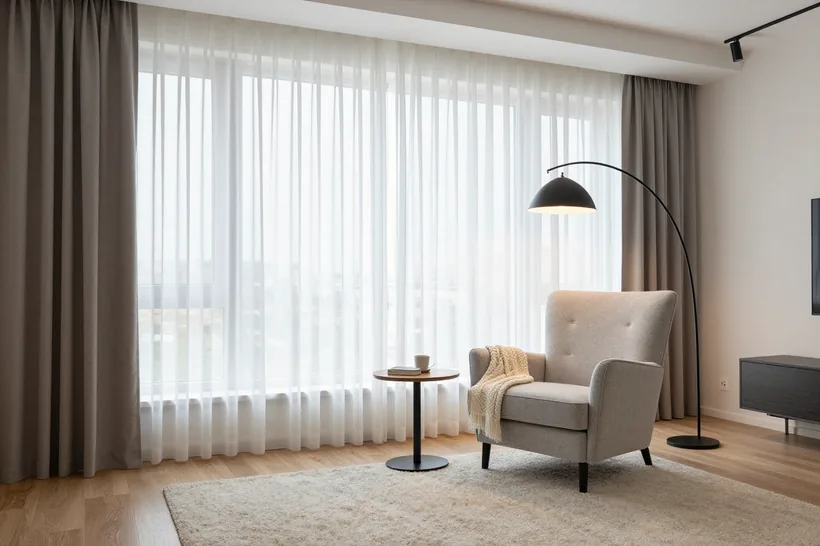
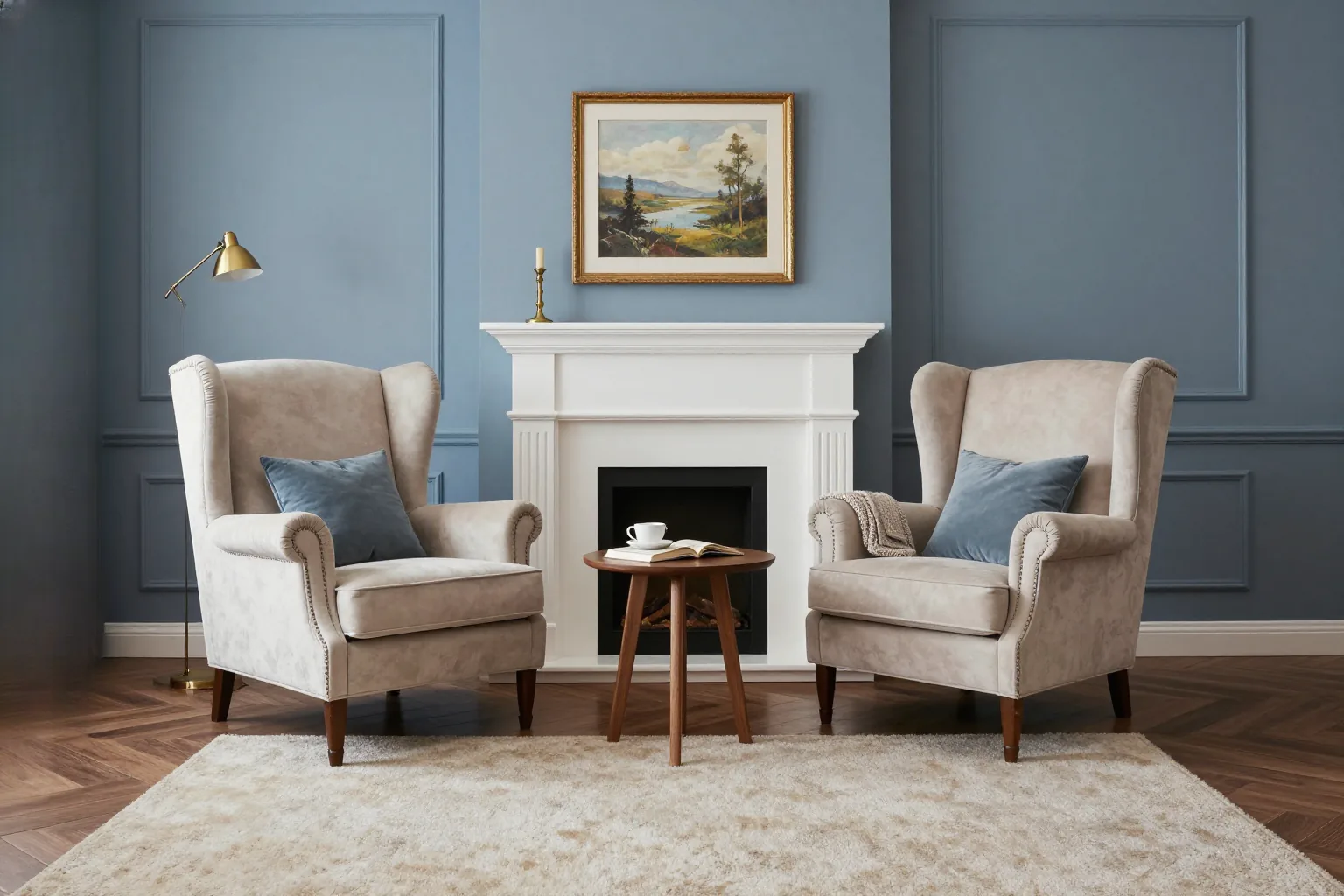
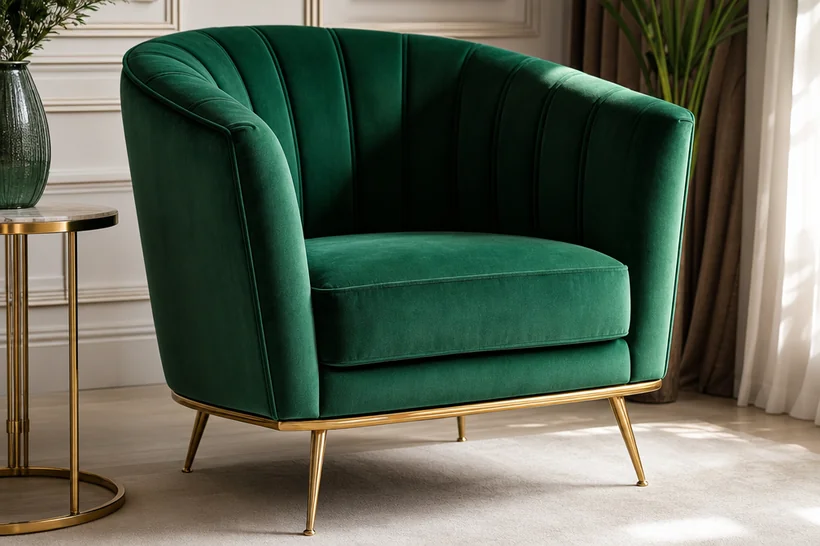
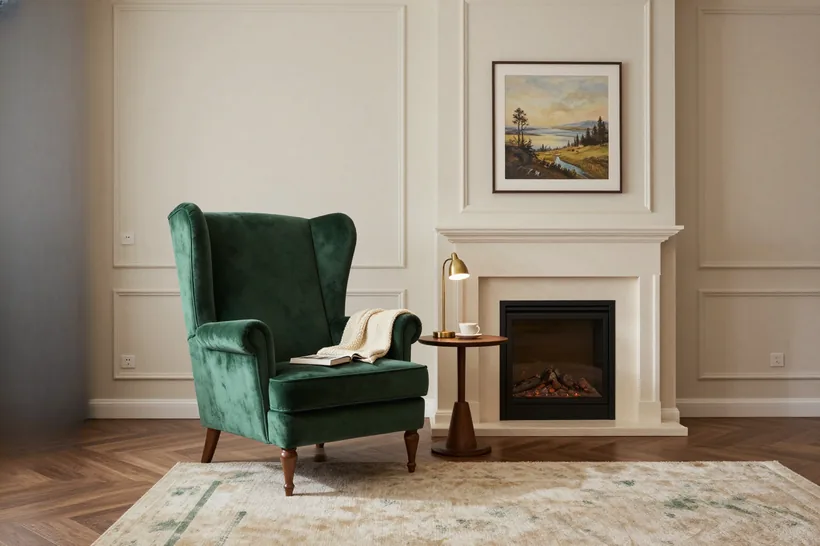
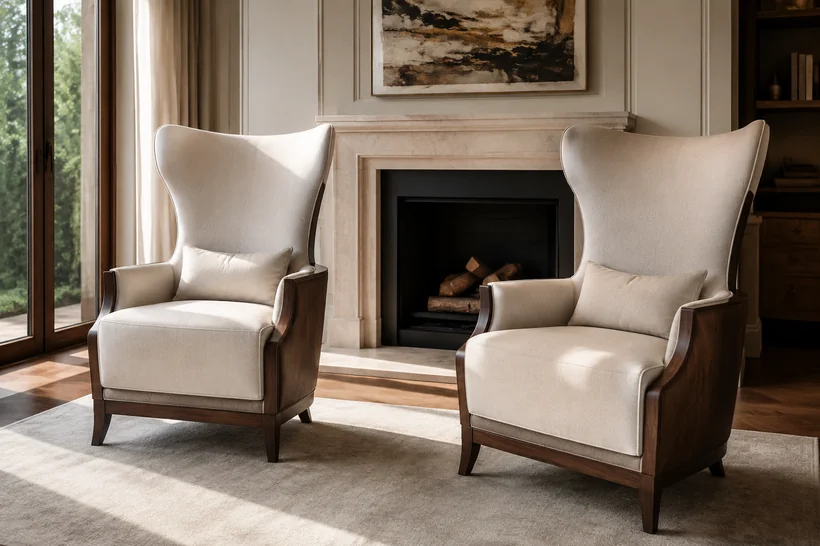
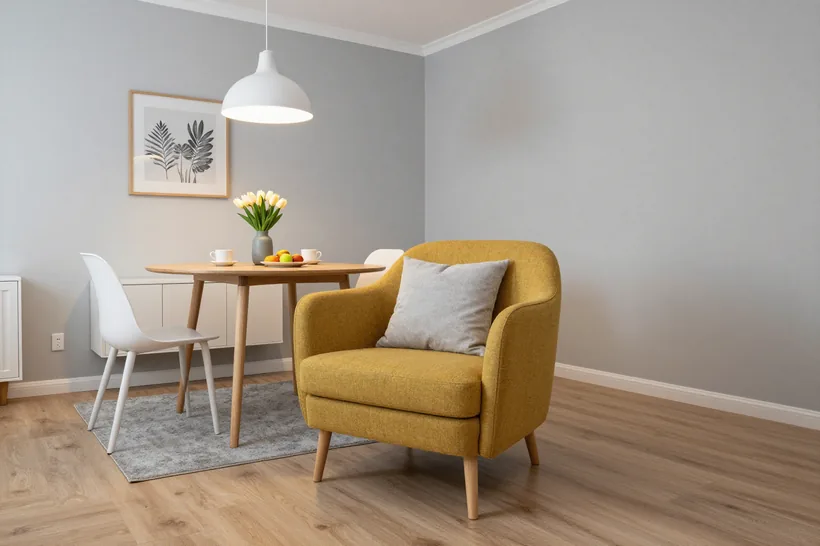
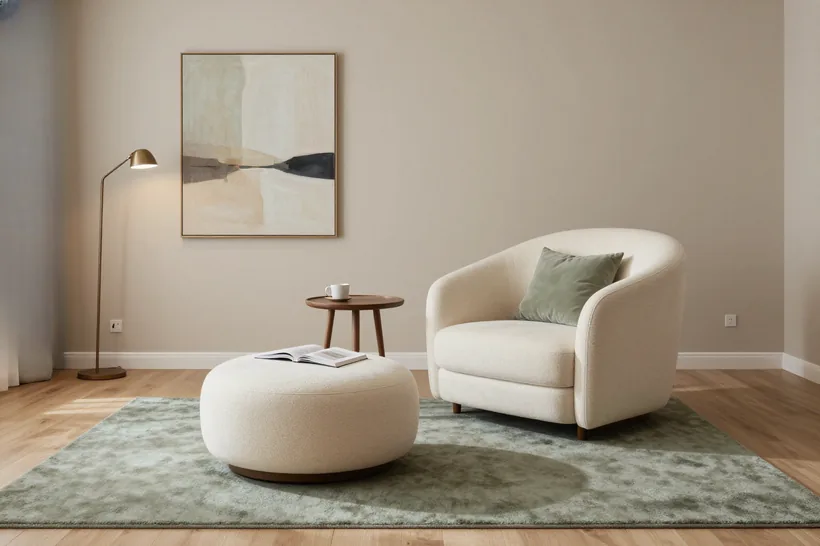
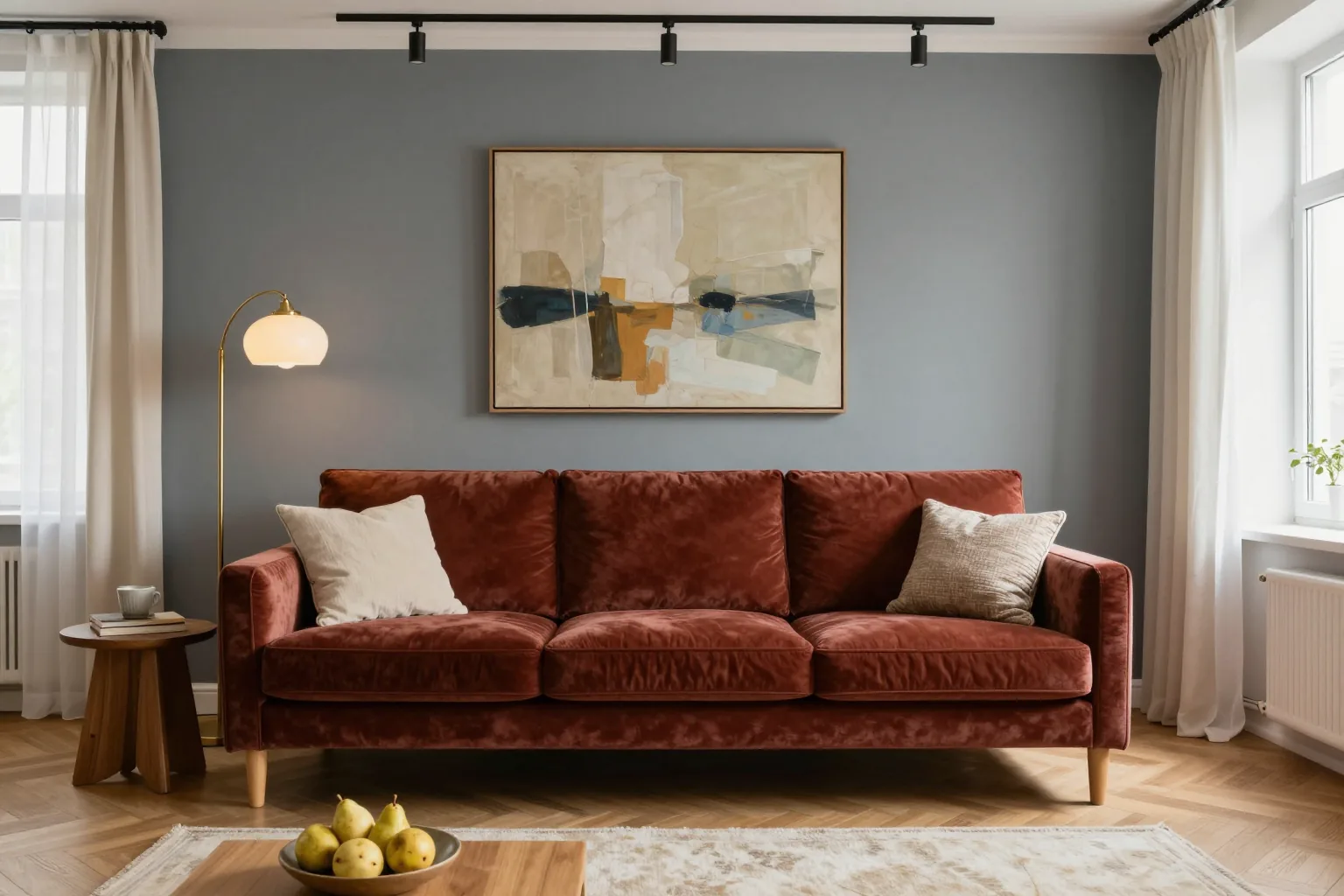
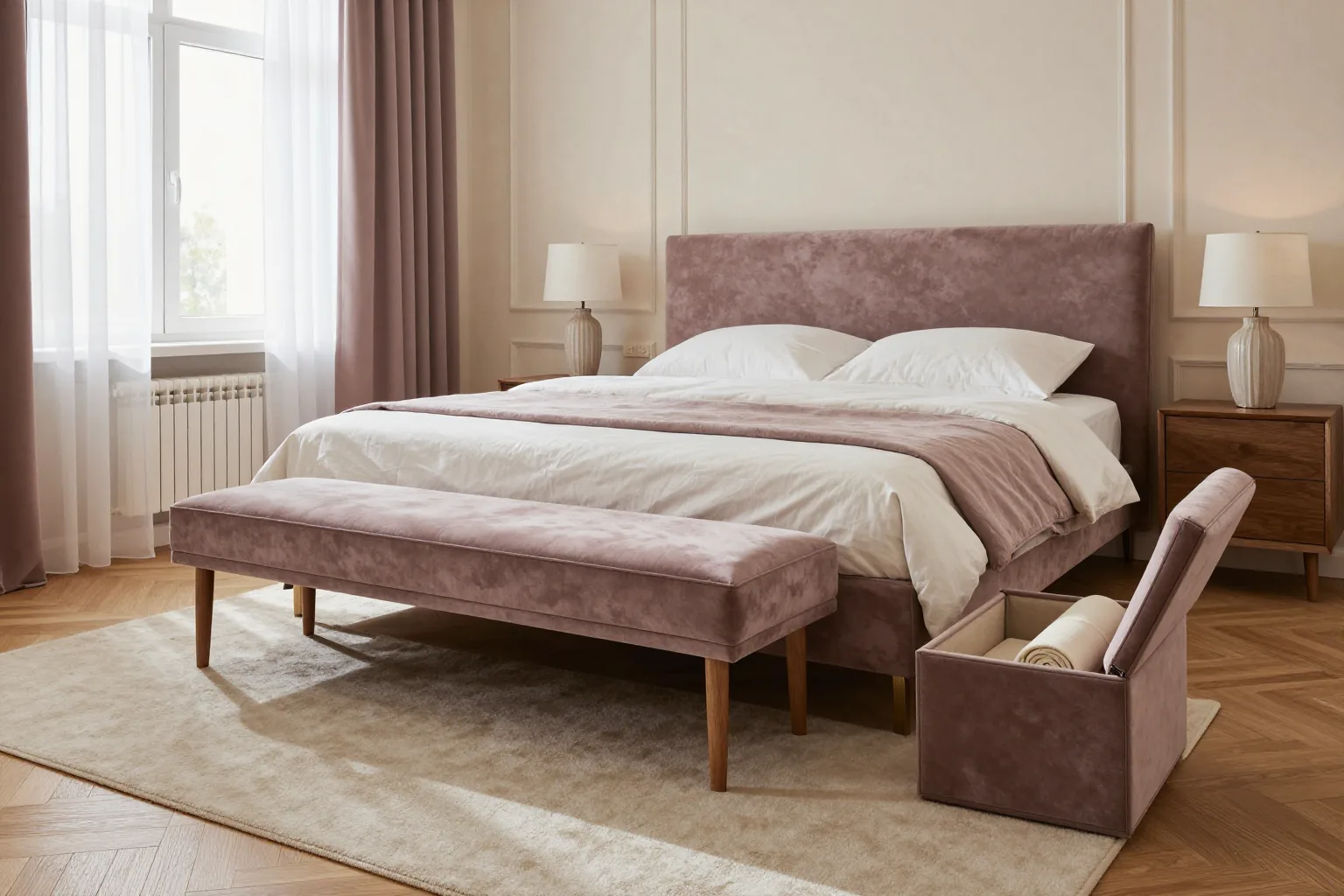
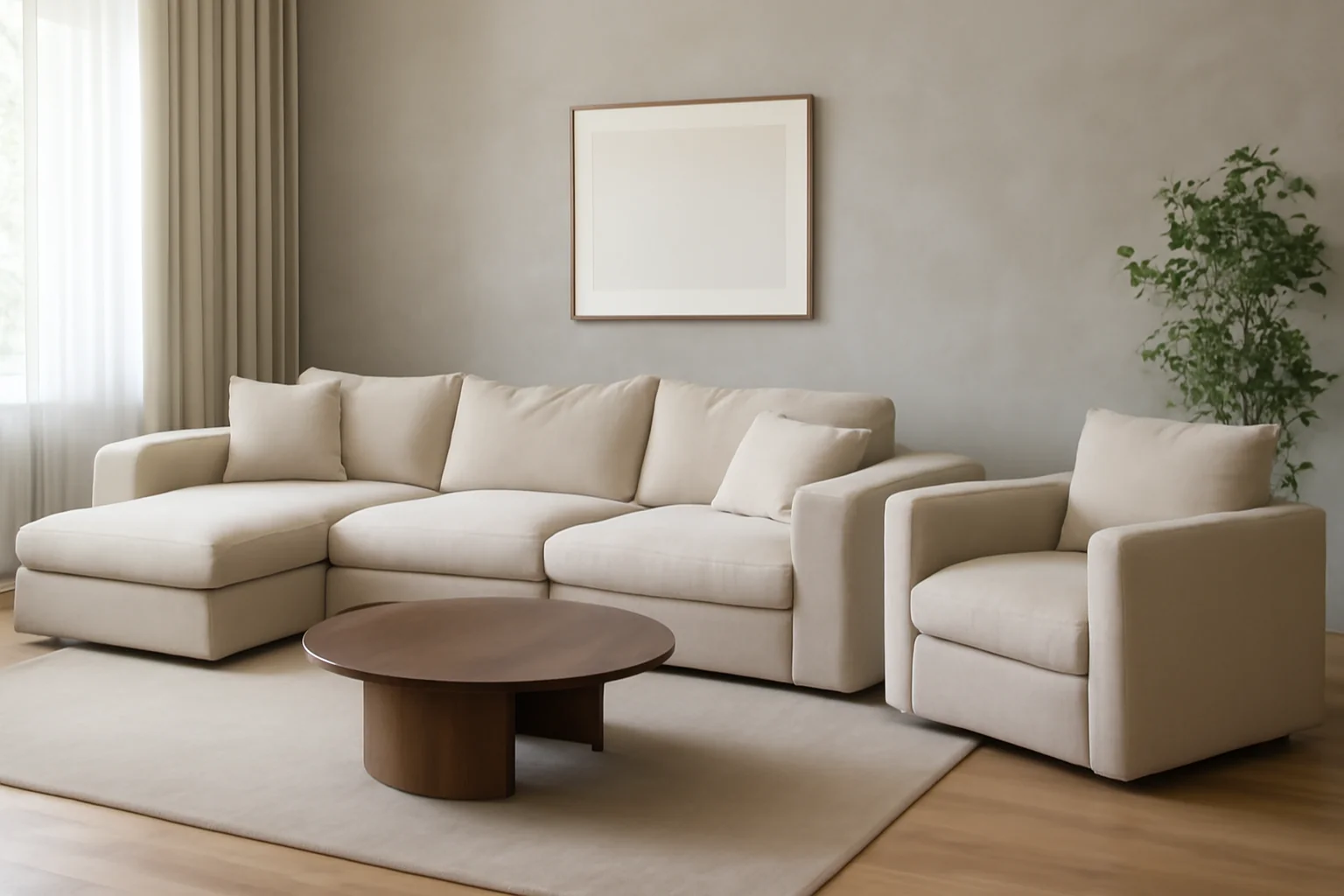
MEBLIX makes custom armchairs for your room in its own 600 m² workshop in Almaty: a free measuring visit with fabric samples, a 3D design in 1–2 days, covers sewn and upholstered in-house, and assembly by our own crews. The frame, mechanism and seams carry a 24-month warranty under the contract.
We don't make a generic product — we make a piece for a specific room, with the right mechanism, size and materials. Here are the options people order most often.
An armchair bed for an awkward room
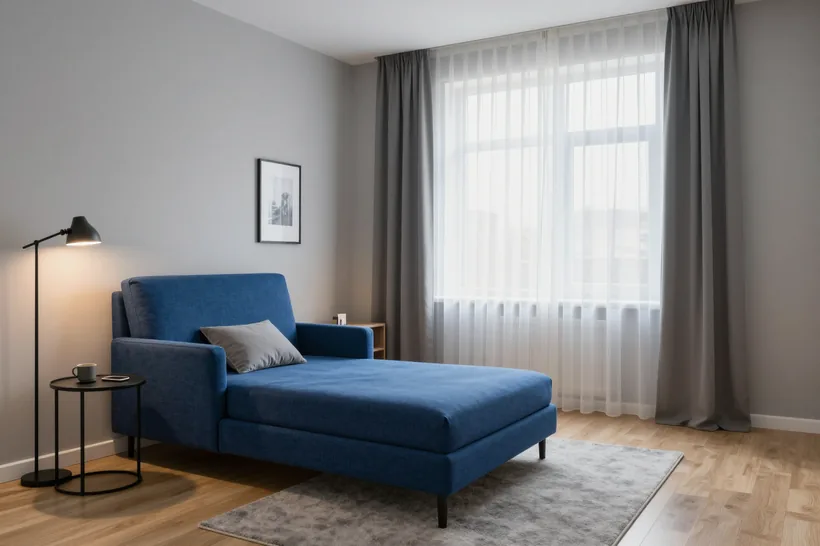
We build fold-out models on metal book, Eurobook, dolphin and accordion mechanisms, sized to the width and depth of your room rather than to a catalogue size. A specialist measures on a free visit, and the seating dimensions and mechanism travel are fixed in a 3D design we prepare in 1–2 days. For unfolding every day in a narrow room, a Eurobook beats a book mechanism: it needs no gap from the wall, so the armchair can stand right against it or under a window. We choose the mechanism while measuring, because once the piece is upholstered the metal base can't be swapped without re-covering it.
Rocking chairs and rattan models
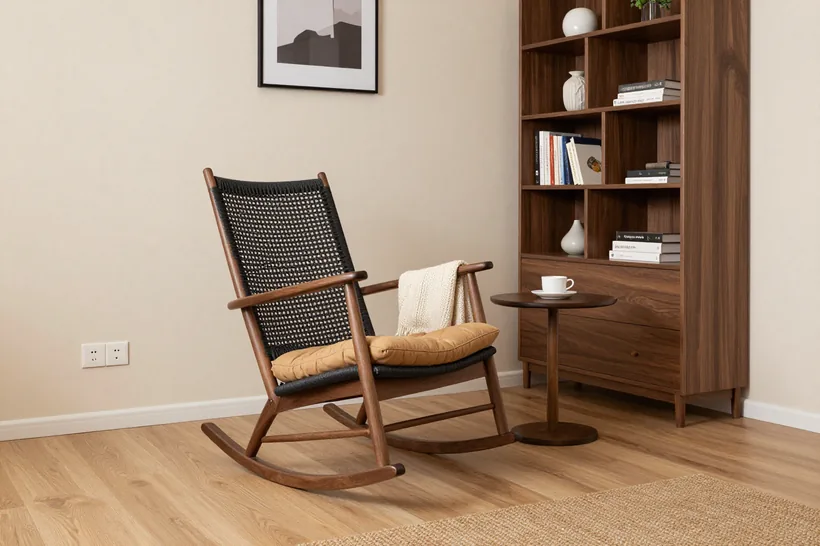
We make custom rocking chairs and rattan furniture in our own workshop, so the shape and seat can be tuned to your height and to the spot in the room. With a rocking chair, the centre of gravity matters as much as the curve: we check that it won't creep across a smooth floor or knock the wall as it rocks — that's solved with geometry, not stoppers. Seat height and backrest angle are worked out from your height. Rattan dislikes constant sun by a window and damp on a balcony, so we check whether it will live indoors or on an enclosed terrace.
An armchair in the same fabric as your sofa
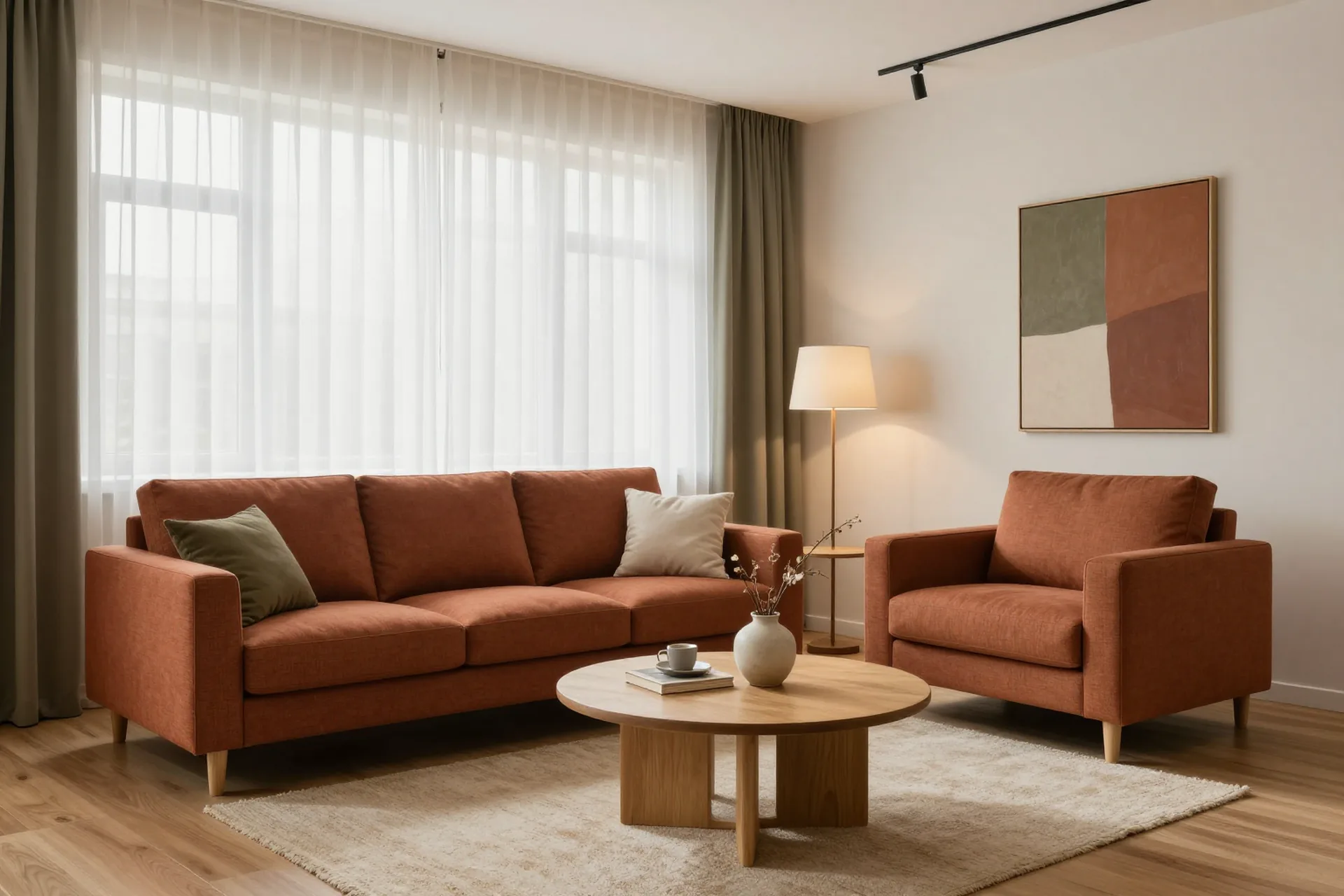
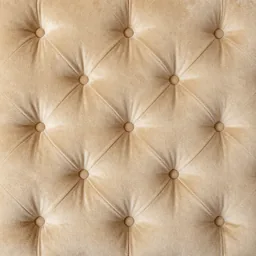
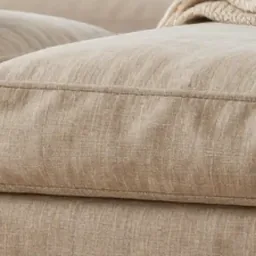
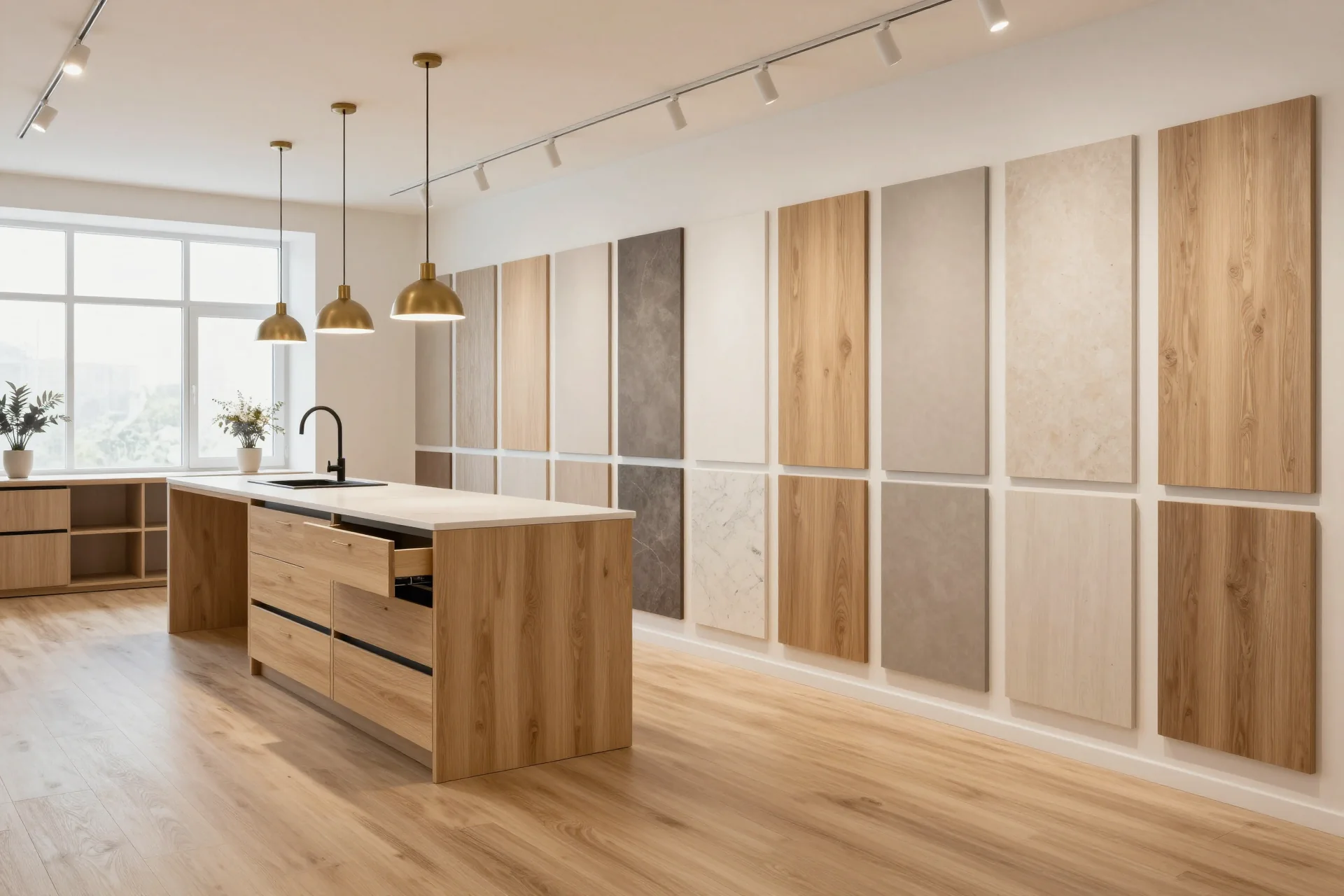
We make armchairs as a set with a sofa in one fabric — both pieces are cut and sewn in the same section, so shade and texture match with no batch differences. The showroom has 120+ fabrics: matting, velour, chenille, bouclé, anti-scratch microfibre, faux leather and genuine leather, and we bring samples to your home too. If you already own the sofa, a set is still possible, but fabric from another batch can be half a tone off — the sample shows this before cutting. We also align the direction of pile and pattern so the two pieces don't read as different shades in changing light.
Frame, filling and mechanism of a custom armchair
A sagging, sunken seat is what buyers fear most. Here is what we build the frame and filling from so the piece keeps its shape for years.
A frame of birch plywood and kiln-dried timber
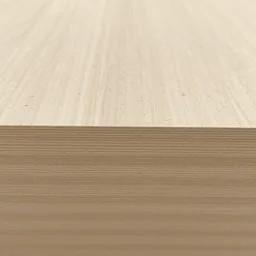
The frame is 18 mm birch plywood and kiln-dried timber: the plywood holds the geometry, and the timber reinforces the joints where the mechanism and legs are fixed. Plywood is cut to the design templates, so the back and sides follow the intended shape without twisting. Green wood opens gaps in the joints as it dries and the piece starts to creak, so we keep our timber at stable humidity in the workshop. Every frame is checked before upholstery, while a defect can still be fixed without re-covering.
PU foam or a spring unit for everyday sitting
For everyday sitting we combine 25–40 kg/m³ PU foam with an independent spring unit: the foam softens the top layer, while the springs spread the load and stop the seat sagging in the middle. Each spring works on its own, so one person's weight doesn't drag the next zone down. Density matters more than thickness: a 25 kg/m³ layer holds its shape worse than a thinner 40 kg/m³ one, and a thick but loose layer dents within a year. We choose the combination around the user's weight and sitting habits — a nursery and a living room get different fillings.
Transformation mechanisms and solid wood legs
Our armchair beds use metal book, Eurobook, dolphin and accordion mechanisms, and the legs are solid beech or oak — the parts that take most of the load when unfolding. We test the mechanism's travel on the workshop bench before packing, not just at assembly, because a stiff or loose mechanism is harder to fix on site. Before signing the acceptance certificate, unfold the piece several times in a row: consistent travel says more about build quality than first impressions. One catch: a mechanism needs a level floor, or the piece will sit askew.
Upholstery fabrics for heavy use and for cats
Upholstery should be chosen for real-life wear — children, a cat, daily sitting — not for how it looks in a catalogue. Here is what we stock and what each fabric suits.
Fabrics compared by purpose
| Fabric | Best for | Keep in mind |
|---|
| Matting | busy living room, everyday sitting | dense weave, fewer snags |
|---|
| Velour | bedroom, study, soft seating | needs careful cleaning |
|---|
| Chenille | family living room | holds its shape, pleasant to the touch |
|---|
| Bouclé | decorative accent | texture hides small snags |
|---|
| Anti-scratch microfibre | homes with a cat | dense weave, less likely to catch |
|---|
| Faux and genuine leather | easy care | wipes clean |
|---|
Matting or velour
Matting is tougher and holds its shape better under daily sitting; velour is softer to the touch but its pile flattens faster on the seat. Its dense plain weave barely stretches and copes with two people sitting every day. Velour gives a deep colour but collects dust, needs regular brushing and wears unevenly — the seat and arms go bald before the back — so for everyday models we use it on a denser backing or pair it with a matting seat. By a window, matting also fades more slowly.
Your own fabric and samples at the measuring visit
We bring samples to the measuring visit so you can feel the texture in your own lighting: shades are deceptive on screen. If you have your own fabric, we'll take it on after checking its density and how it cuts. It needs a margin, because pattern matching and complex parts use more metres than the area suggests — we agree that before cutting. Thin or fraying fabric we set aside and offer an alternative from the showroom, otherwise the seams on the arms come apart sooner.
Ordering armchairs from measurement to installation
Each step of an order builds on the one before. Here is the process as it runs in our workshop, from the first visit to the signed certificate.
Free measuring and a 3D design in 1–2 days
The measuring visit is free and the 3D design takes 1–2 days. The measurer records the room and openings and also notes sockets, radiators, door trims and which way the doors open — these decide where the model can stand. You choose from the showroom's 120+ fabrics in your room's daylight. Changes are made in the 3D design before cutting: if the piece won't fit through an opening or blocks a socket, you see it on screen rather than on a finished frame.
Production in our own 600 m² workshop
Each piece goes through our 600 m² workshop in Almaty — frame section, fabric cutting, cover sewing and upholstery — so we don't resell ready-made furniture and answer for every stage. The frame is checked for geometry before PU foam and the spring unit go in. Patterns on matting or chenille are aligned with the pile so there's no visible join. With our own workshop, an unusual seat depth is simply built in the frame section instead of picking the nearest standard option. Before packing, an inspector checks the seams, the fit of the cover and the mechanism.
Assembly by our own crews and the acceptance certificate
Our crews carry the piece in, set it where the design says, unfold the book or Eurobook mechanism and show you how it locks. You sign the acceptance certificate after assembly, not at a warehouse, because problems with doorways or an uneven floor only show up on site — and they're sorted before signing. Check every seam and make sure the fabric matches the sample from the measuring visit.
Lead times, warranty and delivery for custom armchairs
These are the things buyers want to know before ordering. Here they are as the contract sets them out, not as verbal promises.
Lead times and rush orders
Lead times depend on the piece and materials and are listed for each option in the price list on this page; rush orders are possible. The frame section, cutting, sewing and upholstery run in sequence, and that chain sets the timeline. For a non-standard size, what counts is which sections are involved: an unusual seat depth adds frame work, an unusual fabric adds cutting work. If you have a hard deadline, mention it at the measuring visit and we'll check capacity straight away.
A 24-month warranty and payment terms
The warranty is 24 months under the contract and covers the frame, the transformation mechanism and the seams. Payment is a 50 % deposit, with the balance after the acceptance certificate is signed; bank transfer is accepted. The mechanism and seams have separate clauses because they wear differently — one from unfolding, the other from load on the seat — so a claim doesn't require proving which part a defect belongs to. Natural wear of the upholstery isn't covered.
Delivery in Almaty and acceptance
Delivery within Almaty and up to 30 km out is free for large orders; beyond 30 km there is a surcharge. The threshold depends on order size, not the address: an armchair ordered with a sofa or daybed may qualify, and we confirm this when you order. Don't sign the certificate before inspecting the piece — before signing, any flaw is recorded and fixed.
The bottom line on armchairs
It comes down to a few decisions made before cutting: construction, filling, upholstery and the terms of the contract.
- Size and mechanism: dimensions, transformation and fabric are chosen for your room, not taken from the nearest standard option.
- Frame and filling: 18 mm birch plywood with kiln-dried timber and 25–40 kg/m³ PU foam with a spring unit hold their shape — skimping on density shortens service life.
- Fabric for the job: dense weaves and anti-scratch microfibre for a home with a cat, hard-wearing matting for daily sitting, velour and bouclé for how they feel.
- Design before cutting: the measuring visit and 3D design in 1–2 days come first, so changes never mean re-covering a finished piece.
- Contract: lead times, the 24-month warranty and payment terms are fixed before work starts.